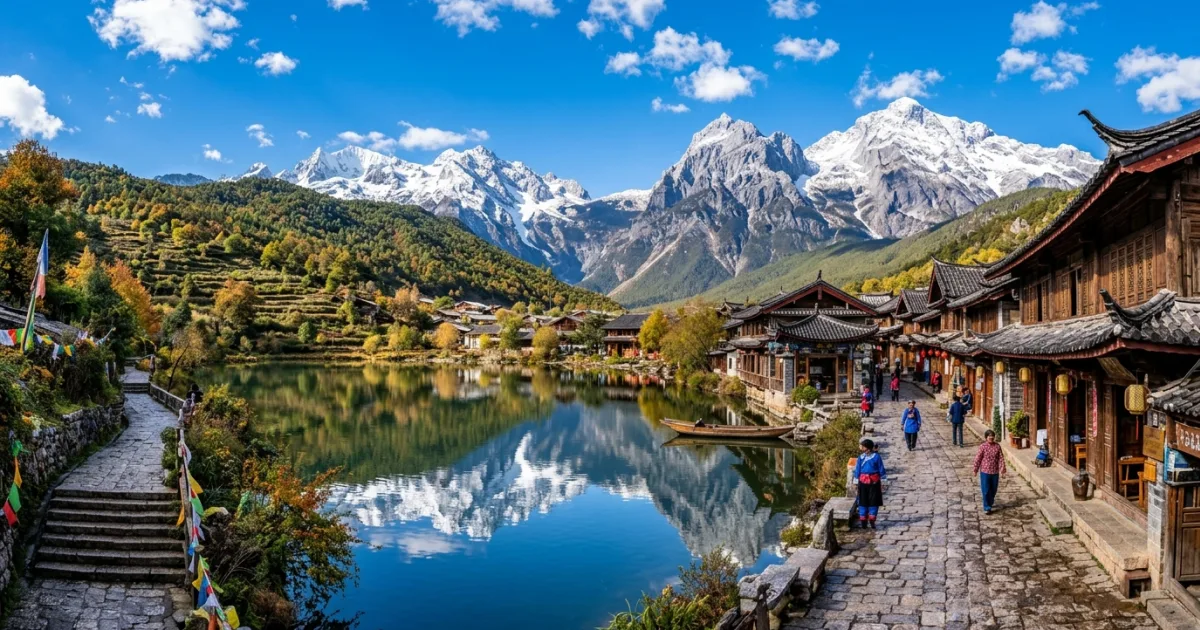
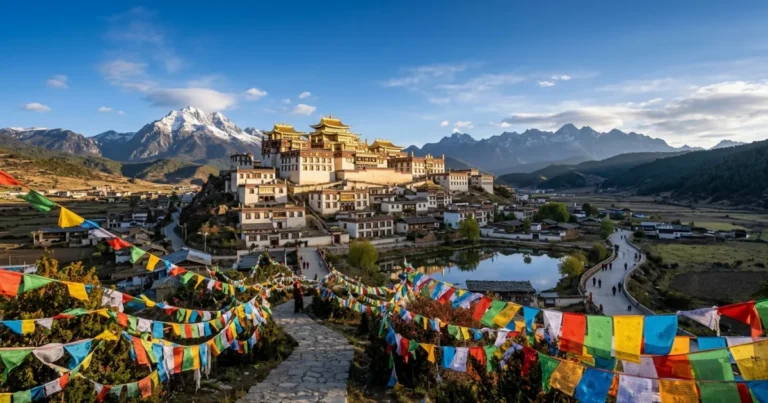
Northwest Yunnan is one of Asia's most biologically and culturally diverse regions, spanning the transition between the Yunnan-Guizhou Plateau and the Hengduan Mountains. It encompasses the UNESCO-protected Three Parallel Rivers region, where the Yangtze (Jinsha), Mekong (Lancang), and Salween (Nujiang) run southward through gorges up to 3,000 meters deep. Travelers journey through distinct cultural landscapes, moving from the lakeside courtyard residences of the Bai people around Dali to the cobblestone canals and timber-framed architecture of the Naxi in Lijiang, culminating in the golden-roofed Tibetan Buddhist monasteries of Diqing Tibetan Autonomous Prefecture.
The region has transformed from an isolated branch of the ancient Ancient Tea Horse Road into a modern eco-adventure destination. High-speed rail lines traverse tunnels through granite massifs, making it possible to breakfast beside Erhai Lake and arrive for dinner beneath the snow peaks of Shangri-La. For active travelers, long-distance treks through Tiger Leaping Gorge, pilgrimages around Kawagarbo, and road journeys along the G214 national highway offer unmatched alpine vistas matched by centuries-old hospitality traditions.
Reasons to Visit
- Witness the staggering vertical topography of Tiger Leaping Gorge, one of the deepest river canyons on Earth.
- Explore authentic Tibetan Buddhist monastic heritage at the 300-year-old Ganden Sumtseling Monastery in Shangri-La.
- Experience living minority architecture and culture in Dali's Xizhou village and Lijiang's UNESCO-listed Dayan and Baisha old towns.
- Behold the sacred peaks of Kawagarbo in the Meili Snow Mountain range catching sunrise over the Mekong River valley.
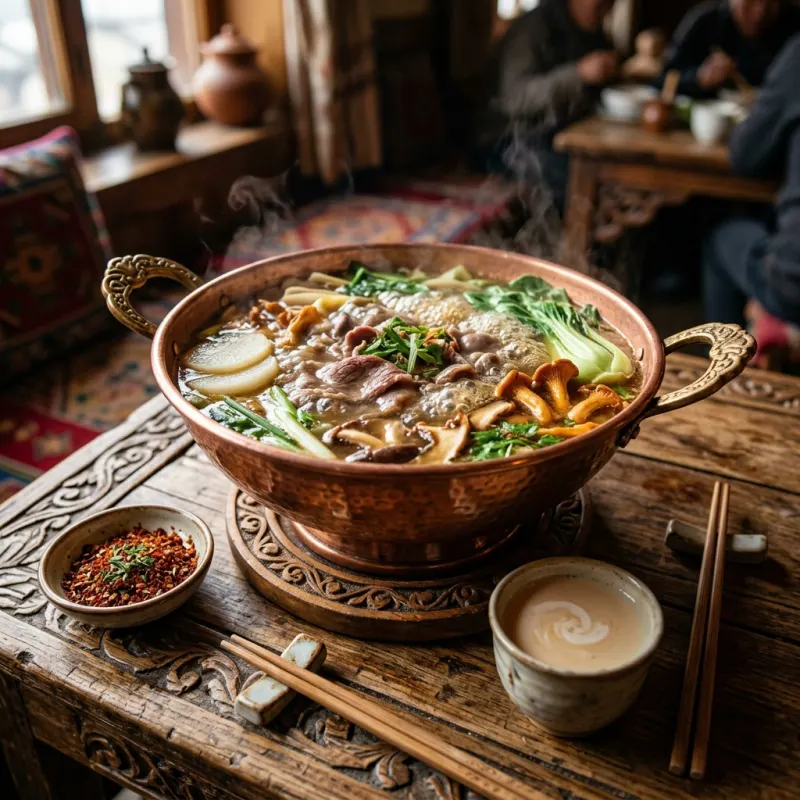
- Sample unique mountain gastronomy featuring wild summer foraged bolete mushrooms, artisan yak cheese, and Yunnan highland coffee.
Things to Avoid
- Avoid ascending rapidly from sea level straight to Shangri-La or Meili Snow Mountain without acclimatizing in Dali or Lijiang first.
- Avoid hiring unvetted, unregistered touts offering cheap horse rides or rogue trekking excursions along the Jinsha River.
- Do not point your index finger at Buddha statues or sacred murals in Tibetan monasteries; use an open upward-facing palm instead.
- Avoid planning strenuous outdoor treks during the peak monsoon months of July and August without monitoring mudslide alerts.
- Do not photograph monks or pilgrims inside Tibetan temple prayer halls where photography is explicitly prohibited.
Local Transportation Tips
Transit across Northwest Yunnan is anchored by the modern high-speed rail line connecting Kunming to Dali (2 hours), Lijiang (3.5 hours), and Shangri-La (around 5 hours total). Between train stations and historic towns, local electric buses, metered taxis, and Didi ride-hailing services provide reliable, affordable connections. For remote destinations such as Tiger Leaping Gorge, Baoshan Stone Village, or Deqin/Feilaisi, dedicated long-distance tourist buses depart from central bus stations, while licensed private car charters offer the greatest flexibility for high-mountain routes.
Travel Etiquette
- Walk clockwise around Tibetan Buddhist stupas, mani stone piles, and temple sanctuaries.
- Remove hats, sunglasses, and footwear when entering prayer halls, and silence all mobile devices.
- Ask permission before photographing local Bai, Naxi, or Tibetan elders, especially when they are dressed in traditional attire.
- Step over thresholds of traditional courtyard doorways rather than standing directly on them, as this is considered disrespectful.
- Do not touch prayer flags, mani stones, or religious offerings placed along mountain passes and trails.
Recommended Age Group
Northwest Yunnan offers immense cultural and natural rewards, but the significant altitudes, variable weather, and uneven cobblestone streets require physical stamina.
- Babies (0-2 years): Not Recommended. Extreme elevations above 3,000 meters in Shangri-La pose health risks for infant respiratory systems, and historic towns lack stroller-friendly paths.
- Kids (3-12 years): Neutral. Children adapt well in Dali and Lijiang, but long travel times, cold mountain evenings, and altitude in the northern sectors require careful monitoring and rest days.
- Teens (13-19 years): Recommended. Active teenagers will thrive on Tiger Leaping Gorge hikes, cycling routes around Erhai Lake, and hands-on ethnic craft workshops.
- Adults (20-64 years): Recommended. An outstanding destination for independent explorers, hikers, photographers, and cultural travelers seeking diverse landscapes and heritage.
- Seniors (65+ years): Neutral. While Dali and Lijiang offer gentle sightseeing and scenic rail transit, the high altitudes of Shangri-La (3,160m) and Deqin (3,400m) can strain cardiovascular conditions.
Accessibility Level: Medium
- High-speed rail stations in Dali, Lijiang, and Shangri-La are modern and equipped with elevators, escalators, and accessible restrooms.
- The ancient towns of Lijiang, Dali, and Dukezong present significant mobility hurdles due to uneven cobblestones, stone bridges, and drainage channels.
- Major attractions like Jade Dragon Snow Mountain provide paved boardwalks and accessible cable car stations, though extreme altitude remains an obstacle.
- Accessible public transport vehicles are rare outside the primary municipal bus routes; private van charters with assistance are strongly advised for wheelchair users.
Did You Know?
The name 'Shangri-La' was officially adopted by Zhongdian County in Northwest Yunnan in 2001, after scholars demonstrated that the alpine valleys, multi-ethnic harmony, and monastic culture of Diqing closely matched the utopian realm depicted in James Hilton's 1933 novel, Lost Horizon.
Cool Statistics
- Tiger Leaping Gorge plunges approximately 3,900 meters from the summit of Jade Dragon Snow Mountain to the surface of the Jinsha River.
- The Three Parallel Rivers of Yunnan Protected Areas host over 6,000 plant species, representing more than 20% of China's higher plant diversity.
- Kawagarbo, the highest peak in the Meili Snow Mountain range at 6,740 meters, remains an unclimbed sacred summit protected by provincial law.








Buy a compatible power adapter for your trip