Disclosure: This site contains affiliate links. We may earn a commission if you make a purchase, at no extra cost to you.

>
>
>
>
Hokuriku
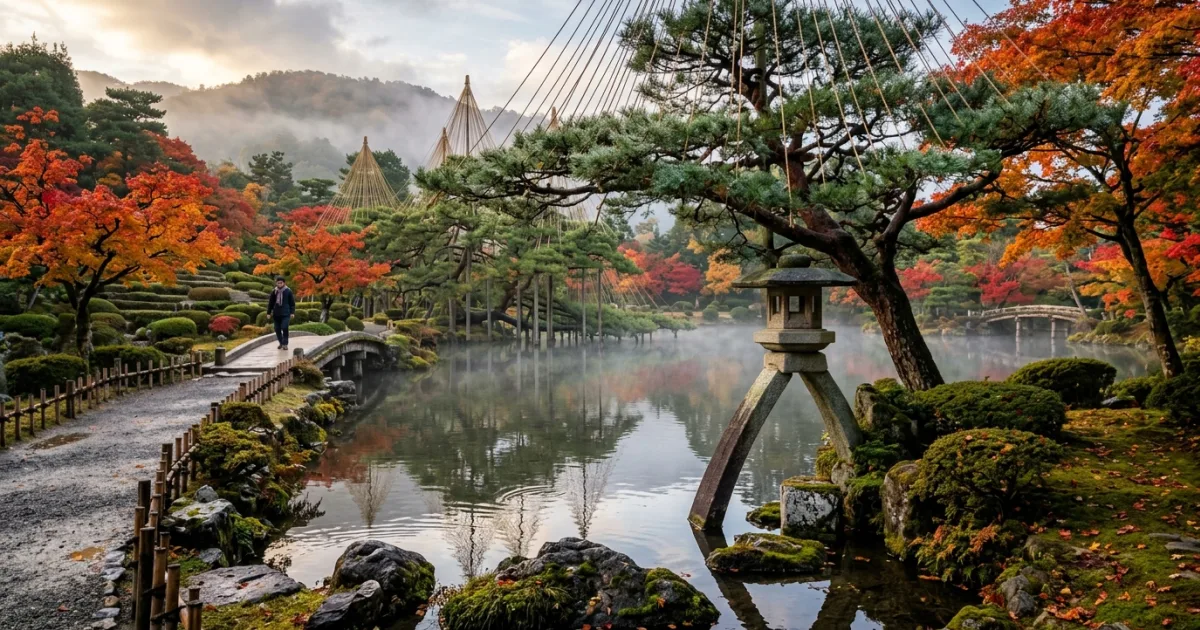
Kenroku-en garden stone lantern and pond framed by autumn leaves and pine trees in Hokuriku Japan

Hokuriku Overview & Key Highlights

Hokuriku is a coastal region along the Sea of Japan comprising Ishikawa, Toyama, and Fukui prefectures, famed for preserved Edo-period heritage, dramatic alpine sceneries, and exceptional marine gastronomy. The Hokuriku Shinkansen connects Tokyo directly to Kanazawa, Toyama, and Tsuruga, transforming this historically isolated coastal strip into an effortless journey through castle towns, living geisha districts, and cliffside onsen retreats. From the terraced rice paddies of the Noto Peninsula and the sheer stone monoliths of Tojinbo to the majestic Northern Alps looming behind Toyama Bay, the landscape presents an authentic slice of classical Japan with minimal tourist congestion. Culinary culture defines every corner of Hokuriku, bolstered by the cold nutrient-dense currents of the Sea of Japan and pure snowmelt runoff from the sacred Mount Haku. Visitors flock to historic markets like Omicho to sample seasonal snow crab, firefly squid, and yellowtail alongside centuries of craft traditions including Kanazawa gold leaf, Echizen washi paper, and Kutani porcelain. Whether tracing the silent corridors of Eihei-ji Temple, admiring Kenroku-en's garden engineering, or gazing at the Tateyama Kurobe Alpine Route's snow walls, Hokuriku delivers an unhurried, culturally resonant expedition.

Hokuriku Travel Guide: Logistics & In-Depth Tips

The Hokuriku region occupies an idyllic coastal geography on Honshu's northern coast facing the Sea of Japan, buffered to the south and east by the rugged peaks of the Northern Alps. Comprising the historic provinces of Ishikawa, Toyama, and Fukui, this area flourished under the wealthy Maeda clan during the Edo era, fostering high culture, theater, and refined crafts that avoided the wartime devastation seen by larger metropolitan centers. Today, preserved samurai quarters in Kanazawa stand alongside dynamic contemporary art venues such as the 21st Century Museum of Contemporary Art.

Beyond urban charm, Hokuriku is an ecological powerhouse. Toyama Bay is registered among the Most Beautiful Bays in the World, celebrated for its glowing firefly squid migrations and panoramic views of the Tateyama Mountain Range rising 3,000 meters straight from the water. Further west, Fukui harbors the solemn Zen monastery of Eihei-ji nestled amid towering ancient cedars, alongside the jagged basalt columns of the Tojinbo Cliffs. With the extended Hokuriku Shinkansen line, traversing this scenic heartland is one of Japan's premier journeys.

Reasons to Visit

  • Kenroku-en: Stroll through one of Japan's Three Great Gardens, engineered across centuries with cascading streams, historic tea houses, and seasonal flora.
  • Toyama Bay Panoramas: Marvel at snow-capped 3,000-meter alpine peaks soaring directly above coastal sea waters from Amaharashi Coast.
  • Zen Heritage at Eihei-ji: Experience deep contemplative peace inside a 13th-century head temple of Soto Zen Buddhism surrounded by giant cedar trees.
  • Pristine Marine Gastronomy: Savor world-famous Echizen and Kano snow crabs, firefly squid, and yellowtail straight from coastal auction floors.
  • Artisan Craft Traditions: Observe Kanazawa gold leaf beaters, Wajima lacquerware artists, and Echizen master blacksmiths keeping centuries-old techniques alive.

Things to Avoid

  • Avoid wearing footwear that is difficult to take off, as temples, traditional restaurants, and historic homes require immediate shoe removal at the entryway.
  • Do not touch delicate geisha or maiko or photograph private residences in Kanazawa's Higashi Chaya and Kazuemachi preservation districts.
  • Avoid skipping cash withdrawals, as regional highway buses and small artisan shops do not accept international bank cards.
  • Do not wander off designated wooden boardwalks or touch the delicate moss gardens in historic temple grounds.

Local Transportation Tips

Hokuriku's transportation infrastructure is exceptionally modern, anchored by the Hokuriku Shinkansen line running between Tokyo, Toyama, Kanazawa, and Tsuruga. Regional JR lines and private rail networks—such as the Ainokaze Toyama Railway and the Hokuriku Railroad—connect outlying agricultural towns and hot spring villages. Within Kanazawa, the Hokutetsu Bus network runs frequent loop services connecting all primary historic sites, while Toyama operates an ultra-efficient low-floor Light Rail Transit (LRT) system traversing the city center.

Travel Etiquette

  • Bow slightly when greeting shopkeepers, hotel staff, and shrine attendants instead of offering a handshake.
  • Bathe thoroughly with soap and water at the seated washing stations before stepping into communal onsen hot spring pools.
  • Keep voices down on Shinkansen and regional commuter trains; set smartphones to silent mode and avoid taking voice calls.
  • Dispose of litter in your personal daypack until you encounter designated sorting bins, as public street bins are rare throughout Japan.

Recommended Age Group

Hokuriku offers an exceptional array of culturally enriching and scenic activities suitable for thoughtful travelers of all demographics.

  • Babies (0-2 years): Neutral. Cobblestone lanes in preserved geisha districts and steps in mountain shrines can challenge heavy stroller navigation.
  • Kids (3-12 years): Recommended. The world-class Fukui Prefectural Dinosaur Museum and interactive craft workshops in Kanazawa delight young learners.
  • Teens (13-19 years): Recommended. Kurobe Gorge railways, modern art museums, and authentic samurai history provide active engagement.
  • Adults (20-64 years): Recommended. World-renowned sake tastings, culinary seafood circuits, and serene hot spring ryokan retreats cater perfectly to adult travelers.
  • Seniors (65+ years): Recommended. Flat garden walks, premier Shinkansen comfort, and peaceful thermal onsen baths make regional exploration exceptionally comfortable.

Accessibility Level: Medium

  • Main Shinkansen terminals (Kanazawa, Toyama, Fukui) feature barrier-free elevators, tactile paving, and dedicated accessible restrooms.
  • Kenroku-en Garden provides dedicated wheelchair-friendly rental services and flattened accessible routes avoiding steep gravel slopes.
  • Historic geisha houses, ancient samurai residences, and authentic wooden temple buildings contain narrow entryways and steep indoor staircases without lift access.
  • Modern low-floor trams in Toyama offer step-free boarding for travelers with mobility aids.

Did You Know?

Kanazawa produces over 99 percent of all gold leaf manufactured in Japan, using a meticulous hammering technique that thins gold alloy down to just 1/10,000th of a millimeter.

Cool Statistics

  • Over 99% of Japan's domestic gold leaf is beaten and produced within Kanazawa city limits.
  • The Tateyama Kurobe Alpine Route features snow walls measuring up to 20 meters (65 feet) high each spring.
  • Eihei-ji Temple in Fukui has practiced unbroken daily Soto Zen monastic routines since its founding in 1244.
  • Toyama Bay drops to depths exceeding 1,000 meters just a short distance from the shoreline, creating an ideal underwater canyon habitat for diverse seafood.


Address:

Hokuriku, Japan

Find Nearby Accommodations

Basic Info

address icon

COUNTRY & Region

Japan,
Asia

ACCESSIBILITY LEVEL​

Medium
Currency icon

LOCAL CURRENCY​

Japanese Yen (JPY)
Price level icon
Medium
Safety Level icon

SAFETY LEVEL

Duration icon

Recommended Duration

• 1-7 days
• More than a week

Electricity

electricity icon

Electricity

100-110V, 
60Hz
Plug Socket icon

Plug Type

• Type A (Flat blade)
• Type B (Flat blade with grounding pin)
Plug types
Click To View Plug Types
Hokuriku is part of our
Accessible Travel collection

Things To Do In Hokuriku

Total: 3

Activities To Do In Hokuriku

Best Time To Visit Hokuriku

Hokuriku displays dramatic seasonal transitions across four distinct quarters.

  • March to May: Mild weather brings cherry blossoms across Kenroku-en and Asuwa River, while the Tateyama Snow Corridor opens for transit.
  • June to August: Humid coastal climate with vibrant summer festivals, lively night fishing squid lights, and verdant mountain trekking.
  • September to November: Crisp coastal air and vibrant red Japanese maples framed against stone castle walls, coupled with the opening of the prized winter snow crab harvesting season.
  • December to February: Heavy snowfall ('Yukizuri' ropes protect iconic pine trees) creates picture-perfect landscapes, onsen bathing perfection, and prime winter seafood availability.

Average Temperatures Per Month

Remember to check the weather forecast a few days before the trip and before heading to the airport.

Safety Level icon

Safety Level

Hokuriku experiences exceptionally low violent crime rates, ranking among the safest regions in Japan. Take care on wet stone stairways at historic shrines and temples, especially during winter freezes. Pay attention to tsunami evacuation maps along coastal areas following seismic tremors.

The rating is based on multi-year peace, crime, and security indices. Before you go, always verify current conditions through official government travel advisories.

Emergency Numbers

Police: 110
Ambulance: 119

No internet needed • Includes local translations • Free for TravelingWiz readers

Spoken Languages

Japanese. English signage is prominent across Shinkansen stations, but basic Japanese greetings are helpful in regional towns.

Learn The Language

  • Konnichiwa – Hello
  • Arigatou gozaimasu – Thank you very much
  • Sumimasen – Excuse me / Sorry
  • Kore wa ikura desu ka? – How much is this?
  • O-kaikei kudasai – Check, please
  • Eigo ga hanasemasu ka? – Do you speak English?
  • Tasukete kudasai – Please help me
  • Toire wa doko desu ka? – Where is the restroom?
Travel Booking Partner - TravelingWiz

Trip Cost & Budgeting for Hokuriku, 2026

Everything you need to know about money while traveling
Is Hokuriku expensive for tourists in 2026? Hokuriku is moderately priced, offering excellent value compared to Tokyo or Kyoto. With Human Verified prices, expect to pay around 400 JPY for a cappuccino, 450 JPY for a pint of beer, and 2,500 JPY for a mid-range meal. Accommodation and transport options fit various budgets comfortably. Use the data table below to calculate your specific daily budget based on your travel style.
Currency icon

LOCAL CURRENCY​:

Japanese Yen (JPY)
Price level icon
Medium
Credit cards are widely accepted at hotels and stores, but cash is essential for small vendors and local markets.

Per person, per day – pocket cash for small purchases.

Local: 1940
Japanese Yen (JPY)
≈ 12 USD

Full daily spend estimation (accommodation, food, transportation, attractions).

Travel Style
Japanese Yen (JPY)
≈ USD ($)
Budget
10650
68
Mid-range
19400
123
Comfort
42700
271

The Prices, Daily costs, and calculator results are estimates for planning purposes only. Actual costs may vary based on season, booking timing, personal spending habits, and currency fluctuations. TravelingWiz cannot be held responsible for discrepancies between these estimates and your final trip expenses.

  • • Buy regional rail passes like the Hokuriku Arch Pass to save significantly on Shinkansen transportation costs.
  • • Dine at Omicho Market during lunch for fresh seafood sets at a fraction of dinner menu prices.
  • • Purchase a daily Hokutetsu Bus pass in Kanazawa for cost-effective sightseeing transport.
  • • Look for discounted bento boxes in department store basements (depachika) after 6 PM.

Pre-Order Tickets

Avoid disappointment when tickets sell out — and skip the long lines by booking online in advance. You’ll often save up to 20% too.
Save up to 20%

Travel Discounts & Coupons

Save on hotels, attractions, transport, and gear — find verified discounts for smarter travel spending.
Verified Coupons

What To Pack

  • Waterproof slip-on shoes or boots, especially for rainy coastal conditions and frequent shoe removal at temples and ryokan.
  • Layered thermal clothing, as coastal winds off the Sea of Japan bring abrupt drops in temperature between coastal plains and alpine elevations.
  • Compact, wind-resistant travel umbrella for Hokuriku's notoriously frequent localized showers.
  • Pocket Wi-Fi device or Japanese eSIM for navigation through rural mountain train corridors.
  • Type A travel power adapter suited for Japanese standard dual-blade sockets.
  • Coin purse to manage metallic Yen denominations across traditional local markets and bus transit fare boxes.
We couldn't find tips for Hokuriku.
If you got any, please share

Recommended Itineraries for Traveling to Hokuriku

We couldn't find itineraries for Hokuriku.
you can contact us for custom trip plan

Food & Drink Highlights

Local Food Overview

Hokuriku's gastronomy relies on the cold, nutrient-abundant waters of the Sea of Japan and pure mountain snowmelt. The region is internationally celebrated for Kano crab, Toyama Bay sweet glass shrimp (shiroebi), firefly squid (hotaru-ika), and winter yellowtail (buri). Rice fields nurtured by Mount Haku produce pristine Koshihikari grains, which local master brewers (toji) turn into bone-dry, award-winning sakes. Sweets embellished with Kanazawa's edible gold leaf and rich dashi-infused regional stews like Kanazawa Oden anchor the daily culinary lifestyle.
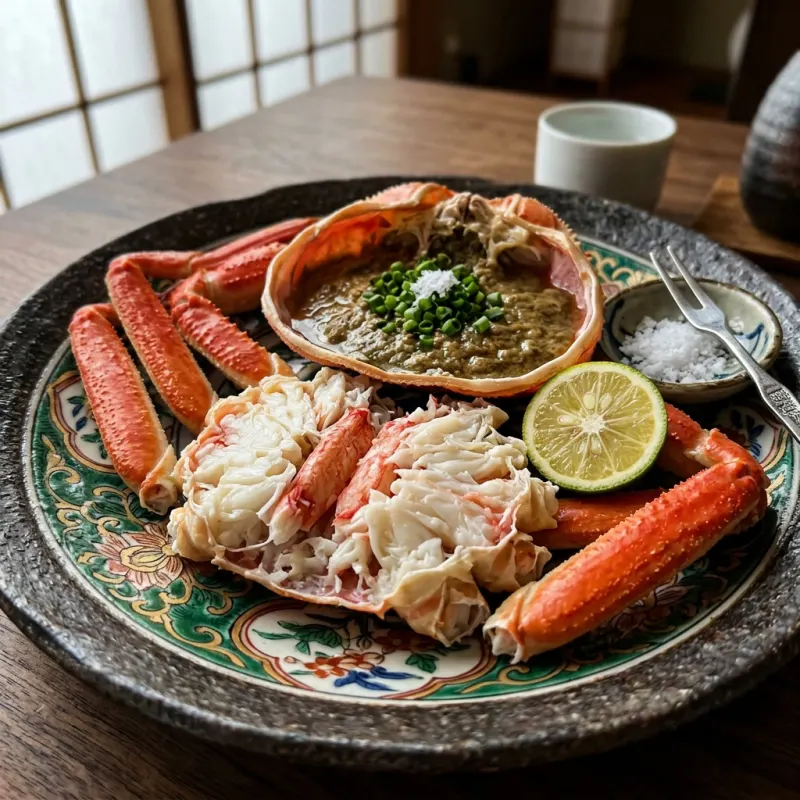
Japanese Hokuriku snow crab Kano-gani served on traditional ceramic tableware

Must Try Dish

Kano-gani (Hokuriku Snow Crab) - Freshly caught male snow crab boiled in coastal sea brine or charcoal-grilled to highlight its succulent, sweet meat. Served with rich crab innards (kani miso) mixed into a shell with warm regional sake.
Food Experiences Title Icon

Food
Experiences

Discover cooking classes, tastings and local food tours

No food experience found
Maya, the human travel expert at TravelingWiz, offering curated, non-AI expertise

Maya’s Final Checklist for Hokuriku

Logistics shouldn’t be the focus of your trip—the experience should. I’ve hand-vetted these essential partners to ensure your arrival, stay, and exploration are as smooth as an Athenian breeze.

Where to Stay

From boutique hotels to local apartments—compare thousands of options and find the perfect stay in the best neighborhood.

Air Travel

Getting there should be seamless. Compare the best routes and prices across top airlines to start your journey on the right note.

Local Guides

Connect with experts who know the destination best. Get personalized advice and insider tips to help you plan your perfect trip.

Travel Protection

The “Engineer’s” rule: always have a backup. Secure your trip with a plan that covers every “what if” and unexpected change.

Car Rentals

Explore at your own pace with total freedom. Compare reliable rental options and find the right vehicle for your adventure.

Visa Services

Don’t let paperwork slow you down. Get expert assistance with your application to ensure all your entry documents are in order.

FAQs

The Hokuriku Shinkansen connects Tokyo Station to Toyama (2 hours 10 minutes) and Kanazawa (2 hours 30 minutes), extending onward to Tsuruga.
Kanazawa offers the widest variety of accommodations, dining, and central rail connections across Ishikawa, Toyama, and Fukui.
Yes, winter showcases iconic snow rope protections (Yukizuri) in Kenroku-en, uncrowded mountain onsen baths, and prime snow crab season.

Your Insights Matter

TravelingWiz grows through the stories of our community. If you’ve recently explored ,Hokuriku share your tips and stories to help us perfect our guides for the next traveler.

Related Articles

Check out our related articles and blog posts to learn even more about the destination.

No related articles found

Don’t Travel Alone

Share with your friends and family

Where should we send your offline card?

We hate spam just as much as you do

newsletter_consent *