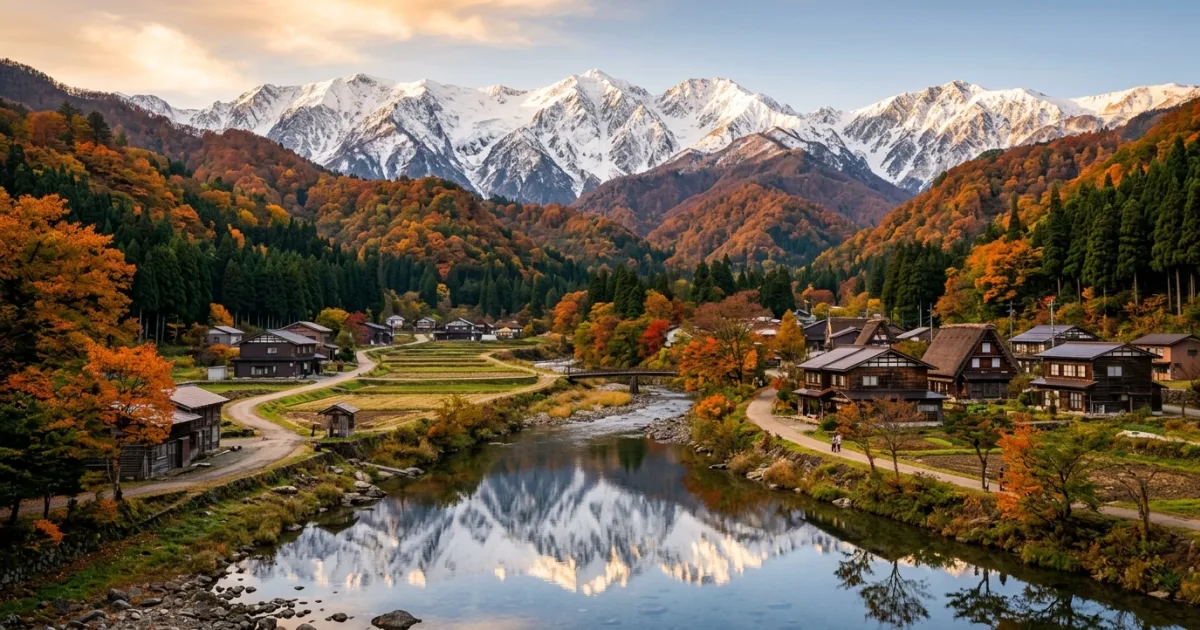
Koshinetsu represents the geographical spine and natural sanctuary of mainland Japan. Combining the historical provinces of Kai (Yamanashi), Shinano (Nagano), and Echigo (Niigata), the region provides a striking contrast to Tokyo's hyper-dense urbanity. Glaciated alpine massifs dominate the horizon, giving birth to pure river headwaters that carve verdant valleys before reaching the Sea of Japan. This topography fostered independent cultural traditions, fierce samurai histories epitomized by Takeda Shingen and Uesugi Kenshin, and self-sufficient agricultural practices preserved across generations.
Today, Koshinetsu stands as Japan's ultimate year-round alpine playground. In winter, Siberian moisture currents collide with the Japan Alps, dumping massive quantities of world-famous light powder across Nagano and Niigata resorts. As the snow thaws, the landscape gives way to blooming alpine meadows, world-class vineyard terraces across Yamanashi, and tranquil walking trails along ancient Edo-period highways. The rhythm of life here remains tied to the thermal mineral waters that bubble up from volcanic fissures, welcoming travelers into historic onsen ryokan that epitomize timeless Japanese hospitality.
Reasons to Visit
- Marvel at the towering peaks of the Northern, Central, and Southern Japan Alps.
- Soak in historic geothermal hot spring villages like Nozawa Onsen, Shibu Onsen, and Bessho Onsen.
- Ski and snowboard on world-class powder snow across Hakuba Valley and Myoko Kogen.
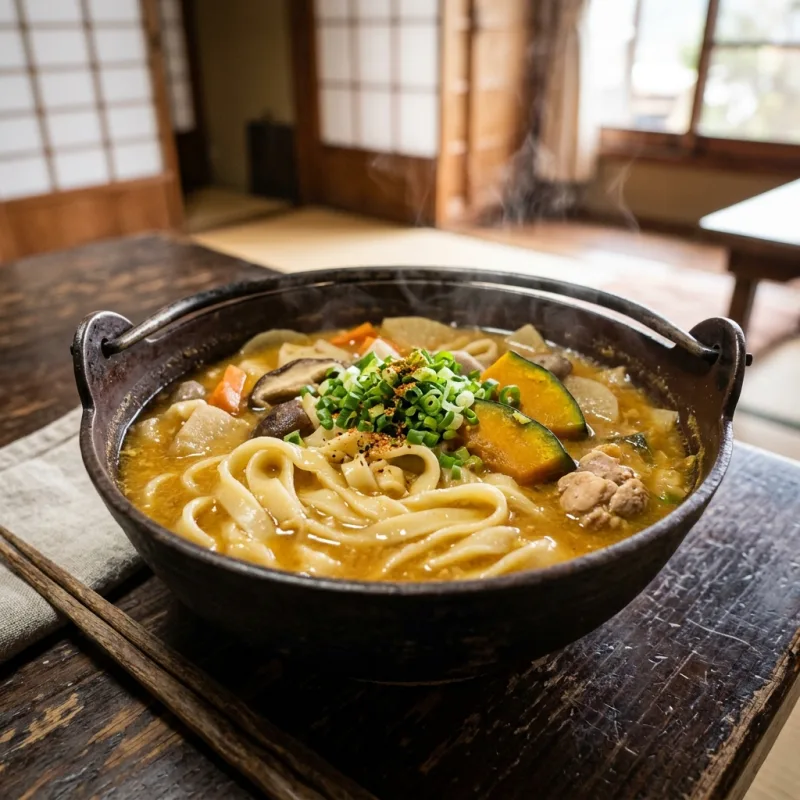
- Savor authentic local delicacies, including hand-cut Shinshu soba, Niigata Koshihikari rice, and Yamanashi wines.
- Explore preserved historical landmarks such as the original black keep of Matsumoto Castle and Zenko-ji Temple.
- Hike through pristine protected wilderness areas such as Kamikochi and the Fuji Five Lakes.
Things to Avoid
- Avoid entering onsen baths without thoroughly washing and rinsing off at the shower stations first.
- Avoid wearing outdoor shoes inside ryokan, temples, or traditional tatami dining rooms.
- Avoid driving into mountain passes during late autumn through early spring without a winter-equipped 4WD vehicle and studless snow tires.
- Avoid venturing off marked ski resort trails into backcountry areas without appropriate avalanche gear and certified guides.
- Avoid relying entirely on credit cards or digital payments in remote mountain towns.
Local Transportation Tips
Transportation across Koshinetsu is anchored by efficient Shinkansen bullet train lines connecting Tokyo to Karuizawa, Nagano, and Niigata City in under two hours. Regional limited express trains, such as the JR Chuo Line and Shinano Line, thread through alpine river valleys. To explore rural attractions, scenic highway passes, and trailheads at Kamikochi or Mount Fuji, renting a car provides maximum freedom. Local highland bus networks operate reliably during peak trekking and ski seasons.
Travel Etiquette
- Follow strict hot spring etiquette: wash completely before soaking, tie up long hair, keep towels out of the water, and check local policies regarding tattoos.
- Sort personal trash and carry it with you, as public rubbish bins are rare along mountain trails and in rural hamlets.
- Maintain quiet and courteous manners on regional trains and public buses, keeping mobile devices on silent mode.
- Accept and present payment cards or cash using both hands on the small provided tray at cashier counters.
Recommended Age Group
Koshinetsu offers diverse experiences that accommodate a broad range of visitors, though high mountain terrain demands basic mobility.
- Babies (0-2 years): Neutral. Cobbled post towns, frequent bus transfers, and traditional ryokan layouts with step-ups can present minor logistical challenges with strollers.
- Kids (3-12 years): Recommended. Children thrive in the extensive winter snow parks, summer fruit-picking orchards, and observing the bathing snow monkeys.
- Teens (13-19 years): Recommended. World-class snowboarding, alpine hiking routes, and interactive ninja folklore in Togakushi provide compelling adventures for teenagers.
- Adults (20-64 years): Recommended. Outstanding destination for trekking, scenic road trips, fine sake and wine tastings, and restorative onsen retreats.
- Seniors (65+ years): Recommended. Smooth Shinkansen access, restorative mineral hot springs, peaceful garden walks, and scenic mountain cable cars make the region highly rewarding.
Accessibility Level: Medium
- Major Shinkansen hubs such as Nagano and Niigata stations feature barrier-free elevators, tactile paving, and accessible restrooms.
- High-end modern ryokan and Western-style alpine resorts increasingly offer barrier-free rooms with roll-in showers.
- Historic sites like Matsumoto Castle have steep wooden interior ladders that are not wheelchair accessible.
- Paved walking paths in Kamikochi provide accessible sections for mobility devices to view dramatic mountain reflections.
Did You Know?
Niigata Prefecture is home to more than 80 active sake breweries, the highest concentration in all of Japan, earned thanks to the region's pure melted mountain snow and world-class rice.
Cool Statistics
- Home to 21 of Japan's 30 highest mountain peaks across the Japan Alps.
- Niigata produces approximately 600,000 tons of rice annually, leading the entire country.
- Nagano hosted the 1998 Winter Olympic Games, leaving behind an elite winter sports infrastructure.
- Yamanashi Prefecture produces roughly 30% of all Japanese domestic wine, led by the indigenous Koshu grape.






Buy a compatible power adapter for your trip