Disclosure: This site contains affiliate links. We may earn a commission if you make a purchase, at no extra cost to you.

>
>
>
>
Tokai Region

Tokai Region

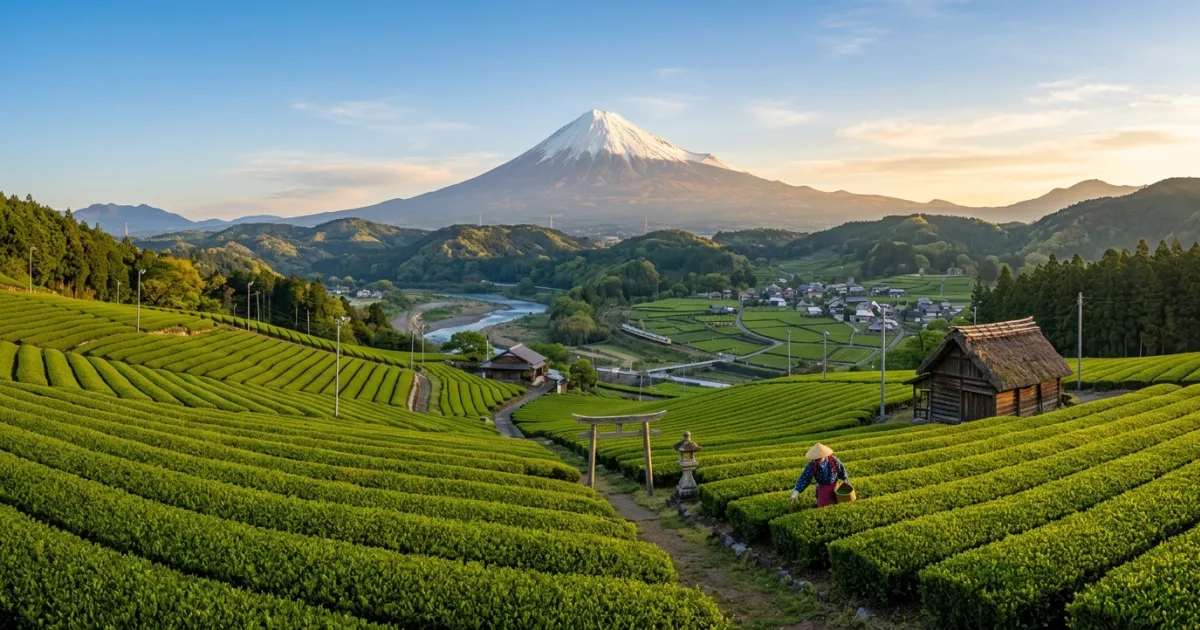
Lush green tea plantations in the Tokai Region with Mount Fuji in the background

Tokai Region Overview & Key Highlights

The Tokai Region anchors the southern Pacific flank of central Honshu, encompassing the prefectures of Aichi, Gifu, Mie, and Shizuoka. Centered around the energetic industrial and cultural hub of Nagoya, this historic corridor served as the primary transit artery between Kyoto and Edo along the famed Tokaido highway. Today, Tokai balances high-speed bullet train corridors with quiet cedar-lined mountain valleys, sacred coastal headlands, and thermal hot spring enclaves. Travelers explore ancient spiritual landmarks including the revered Grand Shrine of Ise in Mie, marvel at Mount Fuji across the Suruga Bay in Shizuoka, and walk the preserved postal paths of the Kiso Valley in Gifu. Rich culinary customs defined by rich red miso and pristine ocean seafood complement iconic historic fortresses like Inuyama Castle. Whether taking historic steam locomotives through mountain tea plantations or unwinding in coastal ryokan, Tokai presents a comprehensive panorama of Japan's deep heritage.

Tokai Region Travel Guide: Logistics & In-Depth Tips

The Tokai Region forms the vital engine of central Japan, connecting the modern capital of Tokyo with the ancient cultural centers of Kansai. Geographically diverse, the area ranges from the snow-capped summits of the Hida Mountains down to the sunlit Pacific inlets of Ise Bay and the Suruga Gulf. Throughout history, feudal lords, merchants, and pilgrims traversed the 53 stations of the Tokaido road that crossed this landscape, leaving behind a lasting legacy of fortified castle towns and deeply revered holy sanctuaries.

Today, visitors will find cutting-edge aerospace and automotive innovation coexisting peacefully with timeless customs. Shizuoka produces a massive share of Japan's prized green tea against the silhouette of Mount Fuji, Mie safeguards Ise Jingu—Japan's most sacred Shinto shrine complex—while Gifu preserves medieval water channels and historic wooden dwellings. With convenient rail routes crisscrossing every corner, Tokai offers an authentic cross-section of Japanese tradition, scenery, and modernity.

Reasons to Visit

  • Sacred Shrines: Walk under ancient cryptomeria trees at Ise Jingu, the spiritual pinnacle of the Shinto faith.
  • Pristine Castle Architecture: Visit Inuyama Castle, home to one of Japan's original 12 surviving wooden keeps dating back to 1537.
  • Scenic Rail Adventures: Ride the Oigawa Railway steam train through lush green tea valleys along rushing glacial rivers.
  • Exceptional Regional Gastronomy: Indulge in Hitsumabushi eel, Hida beef, and savory Hatcho miso noodles that define central Japanese cooking.
  • Mount Fuji Panoramas: Enjoy magnificent, unobstructed vistas of Japan's sacred mountain from Miho no Matsubara pine grove and Nihondaira plateau.

Things to Avoid

  • Do not assume every train from Nagoya is an express; always verify stops on local versus rapid train lines before boarding.
  • Avoid taking photographs past the white sacred silk curtains at Ise Jingu's inner sanctuaries out of religious respect.
  • Do not ignore cash withdrawal needs before traveling into rural Gifu valleys or remote Izu coastal fishing hamlets.
  • Avoid peak golden week and holiday weekends on the Tokaido Shinkansen without reserving seats in advance.

Local Transportation Tips

Public transportation throughout Tokai is exceptionally well integrated. The Tokaido Shinkansen provides fast access between Shizuoka, Hamamatsu, Toyohashi, and Nagoya. Local journeys are handled smoothly by JR Central, the Meitetsu rail system in Aichi and Gifu, and the Kintetsu Railway serving Mie Prefecture. In rural mountain valleys and along the Shima Peninsula, regional buses accept national IC cards or numbered boarding slips matched to fare boards above the driver.

Travel Etiquette

  • Remove your shoes when stepping onto tatami mats in shrines, temples, and traditional guesthouses.
  • Keep voices down and set mobile devices to silent mode while riding regional and bullet trains.
  • Bow respectfully when greeting shrine attendants or when completing a transaction with shopkeepers.
  • Wash thoroughly with soap and water at the bathing stations before entering communal onsen hot spring pools.

Recommended Age Group

Tokai is broadly welcoming across demographics thanks to Japan's high safety, immaculate transit, and diverse activities.

  • Babies (0-2 years): Neutral. Clean baby facilities and nursing rooms are common in major stations, though historic castles and cobblestone trails present stair and stroller challenges.
  • Kids (3-12 years): Recommended. Kids love the SCMaglev and Railway Park in Nagoya, interactive ninja experiences in Iga, and coastal aquariums in Toba.
  • Teens (13-19 years): Recommended. High-speed bullet trains, pop culture shopping around Nagoya Station, and scenic adventure valleys make this appealing for adolescents.
  • Adults (20-64 years): Recommended. A superb blend of world-class gastronomy, castle exploration, onsen soaks, and craft sake breweries.
  • Seniors (65+ years): Recommended. Excellent flat transit, punctuality, serene hot spring ryokan, and barrier-free temple boardwalks cater well to mature travelers.

Accessibility Level: Medium

  • Major train hubs such as Nagoya and Shizuoka Stations offer elevators, tactile paving, and dedicated station staff to assist with boarding ramps.
  • Modern Shinkansen trains feature dedicated wheelchair berths and accessible lavatories.
  • Historic castle towers (such as Inuyama and Gujo Hachiman) feature steep wooden stairways that are generally not wheelchair accessible.
  • Outer grounds of major shrines like Ise Jingu feature wide gravel paths; manual wheelchairs with wide pneumatic tires are available on loan at entrance pavilions.

Did You Know?

Because the Tokai Region straddles historical power grid development zones across the Fuji River in Shizuoka, western Tokai operates on a 60 Hz electrical grid while eastern Shizuoka operates on 50 Hz, a living legacy of 19th-century German and American generator imports.

Cool Statistics

  • Shizuoka Prefecture within Tokai accounts for approximately 40% of all green tea grown in Japan.
  • The Grand Shrine of Ise in Mie has undergone ritual deconstruction and complete rebuilding every 20 years for over 1,300 years.
  • Inuyama Castle features the oldest surviving original wooden castle donjon in Japan.

Address:

Tokai Region, Japan

Find Nearby Accommodations

Basic Info

address icon

COUNTRY & Region

Japan,
Asia

ACCESSIBILITY LEVEL​

Medium
Currency icon

LOCAL CURRENCY​

Japanese Yen (JPY)
Price level icon
Medium
Safety Level icon

SAFETY LEVEL

Duration icon

Recommended Duration

• 1-7 days
• More than a week

Electricity

electricity icon

Electricity

100-110V, 
50Hz/60Hz
Plug Socket icon

Plug Type

• Type A (Flat blade)
• Type B (Flat blade with grounding pin)
Plug types
Click To View Plug Types
Tokai Region is part of our
Solo Female Friendly collection

Things To Do In Tokai Region

Total: 3

Activities To Do In Tokai Region

Best Time To Visit Tokai Region

Tokai is a year-round destination, though seasonal conditions vary considerably between coastal bays and northern highland valleys.

  • Spring (March to May): Comfortable temperatures and blooming cherry blossoms around castle moats and tea plantations.
  • Summer (June to August): Humid and hot along the coast with lively local summer festivals and scenic cormorant fishing on the Nagara River.
  • Autumn (September to November): Crisp air, exceptional fall foliage across Gifu's gorges, and ideal conditions for hiking.
  • Winter (December to February): Clear skies offering unobstructed Mount Fuji views from Shizuoka, alongside warming onsen soaks.

Average Temperatures Per Month

Remember to check the weather forecast a few days before the trip and before heading to the airport.

Safety Level icon

Safety Level

The Tokai Region features exceptionally low crime rates, making solo travel and nighttime walking remarkably safe. When traveling near coastal sections of Shizuoka or Mie, familiarize yourself with bilingual tsunami evacuation route markers found near coastlines. In mountainous sections of Gifu, be aware of summer sudden rainfall along mountain riverbeds.

The rating is based on multi-year peace, crime, and security indices. Before you go, always verify current conditions through official government travel advisories.

Emergency Numbers

Police: 110
Ambulance: 119

No internet needed • Includes local translations • Free for TravelingWiz readers

Spoken Languages

Japanese (Standard and regional Tokai dialects such as Owari, Mikawa, and Mino). English is common in transit hubs and luxury hotels.

Learn The Language

  • Konnichiwa — Hello
  • Arigatou gozaimasu — Thank you very much
  • Sumimasen — Excuse me / Pardon me
  • Kore wa ikura desu ka? — How much is this?
  • O-kaikei kudasai — The bill, please
  • Eigo ga hanasemasu ka? — Can you speak English?
  • Tasukete kudasai — Please help me
  • Doko desu ka? — Where is it?
Travel Booking Partner - TravelingWiz

Trip Cost & Budgeting for Tokai Region, 2026

Everything you need to know about money while traveling
Is Tokai Region expensive for tourists in 2026? Overall, the Tokai Region offers a moderate price level that is lower than Tokyo or Kyoto. With Human Verified prices, expect to pay around 385 JPY for a cappuccino, 500 JPY for a draft beer, and 2,500 JPY for a mid-range restaurant meal. Accommodation and transportation remain fairly priced across central Japan. Use the data table below to calculate your specific daily budget based on your travel style.
Currency icon

LOCAL CURRENCY​:

Japanese Yen (JPY)
Price level icon
Medium
Major hotels and stores accept credit cards, but cash is still required for local buses, small eateries, and shrines.

Per person, per day – pocket cash for small purchases.

Local: 1850
Japanese Yen (JPY)
≈ 12 USD

Full daily spend estimation (accommodation, food, transportation, attractions).

Travel Style
Japanese Yen (JPY)
≈ USD ($)
Budget
10200
65
Mid-range
18500
117
Comfort
40700
258

The Prices, Daily costs, and calculator results are estimates for planning purposes only. Actual costs may vary based on season, booking timing, personal spending habits, and currency fluctuations. TravelingWiz cannot be held responsible for discrepancies between these estimates and your final trip expenses.

  • • Buy a manaca or Suica IC card to tap seamlessly on regional transit and at convenience stores.
  • • Take advantage of Nagoya morning service where cafes serve free toast and eggs with morning coffee orders.
  • • Purchase regional transit passes like the Shoryudo Bus Pass for affordable travel across central Japan.
  • • Visit department store basements late in the evening for discounted gourmet bento boxes and ready meals.

Pre-Order Tickets

Avoid disappointment when tickets sell out — and skip the long lines by booking online in advance. You’ll often save up to 20% too.
Save up to 20%

Travel Discounts & Coupons

Save on hotels, attractions, transport, and gear — find verified discounts for smarter travel spending.
Verified Coupons

What To Pack

  • Slip-on walking shoes that are easily removed when entering temples, castles, and traditional ryokan
  • Compact umbrella or packable rain shell for coastal weather shifts and summer showers
  • IC card (Suica, Pasmo, or Manaca) for seamless local bus and subway tap-ins
  • Pocket Wi-Fi router or eSIM for navigating regional rail transfers and translations
  • Modest layers covering shoulders and knees for visits to Ise Jingu and sacred mountain shrines
We couldn't find tips for Tokai Region.
If you got any, please share

Recommended Itineraries for Traveling to Tokai Region

We couldn't find itineraries for Tokai Region.
you can contact us for custom trip plan

Food & Drink Highlights

Local Food Overview

Gastronomy in the Tokai Region is heavily influenced by rich Hatcho miso, pristine maritime catches, and fertile alpine soils. The region's heartland around Nagoya celebrates 'Nagoya Meshi,' an eclectic culinary tradition characterized by savory comfort foods like tebasaki chicken wings and red-miso braised pork katsu. Along coastal Shizuoka and Mie, seafood takes center stage, featuring Suruga Bay sakura shrimp and spiny lobster, while Gifu's interior yields tender Hida wagyu beef and sweet river ayu fish.
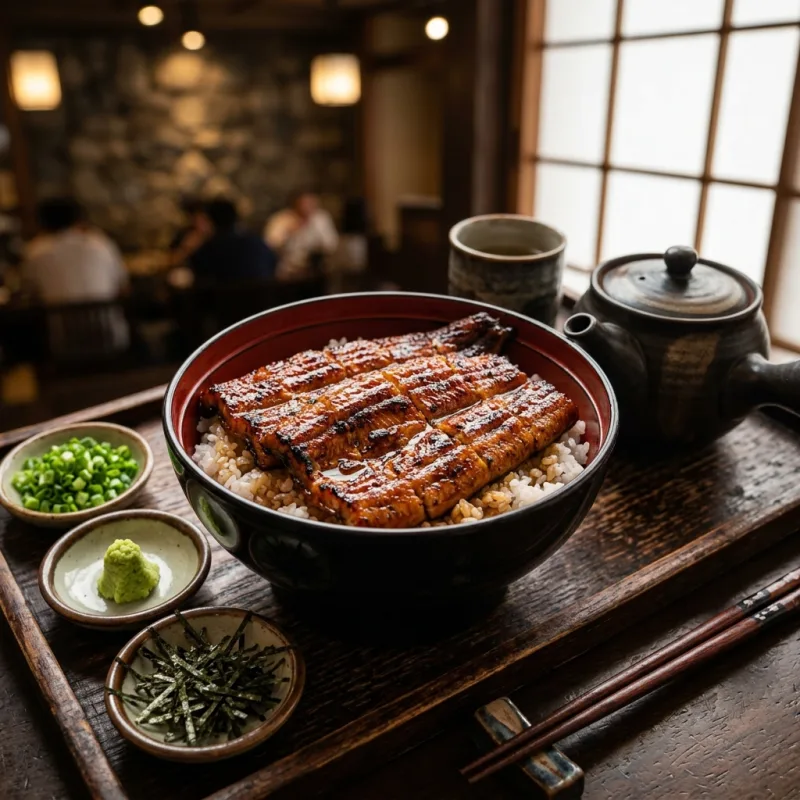
Authentic Japanese hitsumabushi grilled eel dish served over rice

Must Try Dish

Hitsumabushi - Finely sliced grilled freshwater eel served over rice in a wooden tub, traditionally enjoyed in three distinct stages: plain, mixed with condiments like wasabi and nori, and finally steeped in dashi broth.
Food Experiences Title Icon

Food
Experiences

Discover cooking classes, tastings and local food tours

No food experience found
Maya, the human travel expert at TravelingWiz, offering curated, non-AI expertise

Maya’s Final Checklist for Tokai Region

Logistics shouldn’t be the focus of your trip—the experience should. I’ve hand-vetted these essential partners to ensure your arrival, stay, and exploration are as smooth as an Athenian breeze.

Where to Stay

From boutique hotels to local apartments—compare thousands of options and find the perfect stay in the best neighborhood.

Air Travel

Getting there should be seamless. Compare the best routes and prices across top airlines to start your journey on the right note.

Local Guides

Connect with experts who know the destination best. Get personalized advice and insider tips to help you plan your perfect trip.

Travel Protection

The “Engineer’s” rule: always have a backup. Secure your trip with a plan that covers every “what if” and unexpected change.

Car Rentals

Explore at your own pace with total freedom. Compare reliable rental options and find the right vehicle for your adventure.

Visa Services

Don’t let paperwork slow you down. Get expert assistance with your application to ensure all your entry documents are in order.

FAQs

The core Tokai Region consists of Aichi, Gifu, Mie, and Shizuoka prefectures along the central Pacific coastline and inland mountains of Honshu.
The Tokaido Shinkansen bullet train connects Shizuoka and Nagoya rapidly, while extensive JR lines, private Meitetsu, and Kintetsu networks reach mountain and coastal areas.
Yes, its position on the golden route between Tokyo and Kyoto makes it easy to integrate into itineraries while offering less crowded cultural gems.

Your Insights Matter

TravelingWiz grows through the stories of our community. If you’ve recently explored ,Tokai Region share your tips and stories to help us perfect our guides for the next traveler.

Related Articles

Check out our related articles and blog posts to learn even more about the destination.

No related articles found

Don’t Travel Alone

Share with your friends and family

Where should we send your offline card?

We hate spam just as much as you do

newsletter_consent *