The Lithuanian Coast and Klaipėda Region occupies roughly 99 kilometers of Baltic shoreline, presenting one of the most ecologically diverse maritime strips in Northern Europe. At its core sits Klaipėda, Lithuania's third-largest city and sole maritime gateway, distinguished by its red-brick warehouses, sculptural art installations, and centuries of East Prussian influence under the historic name Memel. The city functions as the logistical heart of the coast, where the Danė River empties into the Curonian Lagoon.
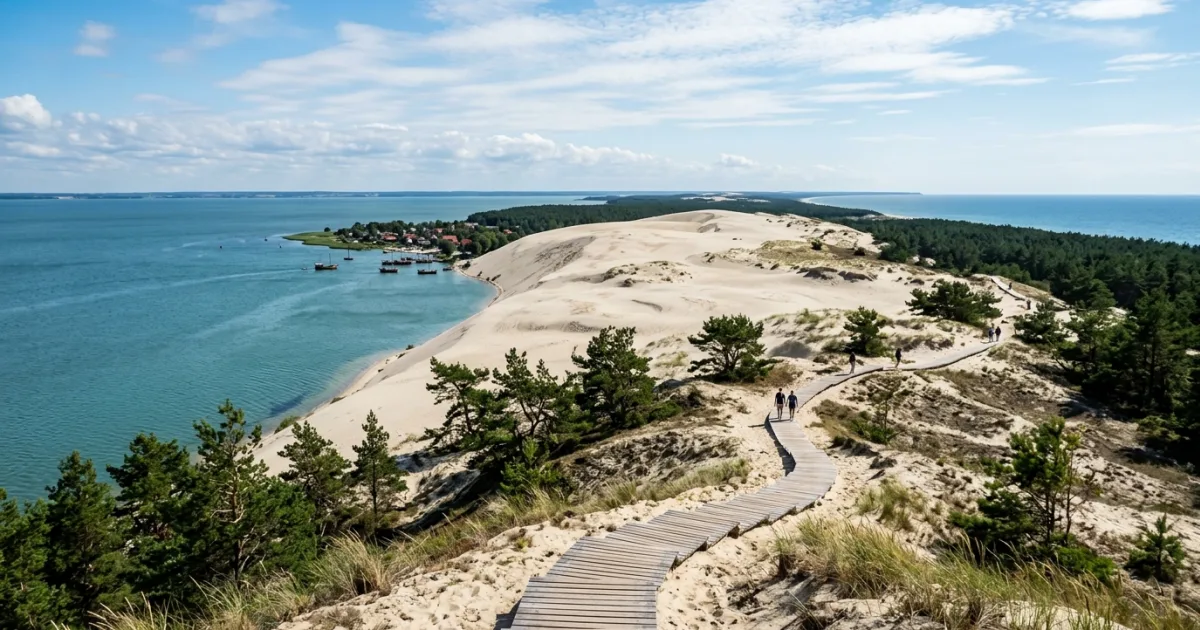
Stretching southward lies the Curonian Spit, an extraordinary 98-kilometer-long sand dune peninsula shared with Kaliningrad and designated a UNESCO World Heritage site for its preservation of traditional fishing villages and massive drifting dunes. Northward, Palanga serves as the summer resort capital of the Baltic states, famous for its grand pedestrian boulevard, expansive botanical park, and the Palanga Amber Museum housed in the neo-Renaissance Tiškevičius Palace. Whether seeking quiet contemplation among aromatic coastal pine forests or seaside dining, the region blends natural drama with refined Baltic hospitality.
Reasons to Visit
- Marvel at the towering white sand dunes of the Curonian Spit, including the 52-meter-high Parnidis Dune.
- Stroll through Klaipėda's charming Old Town to admire half-timbered architecture and playful bronze statues.
- Discover the world's most extensive Baltic amber collection inside the historic Tiškevičius Palace in Palanga.
- Cycle along uninterrupted coastal routes protected by maritime pine forests and coastal dunes.
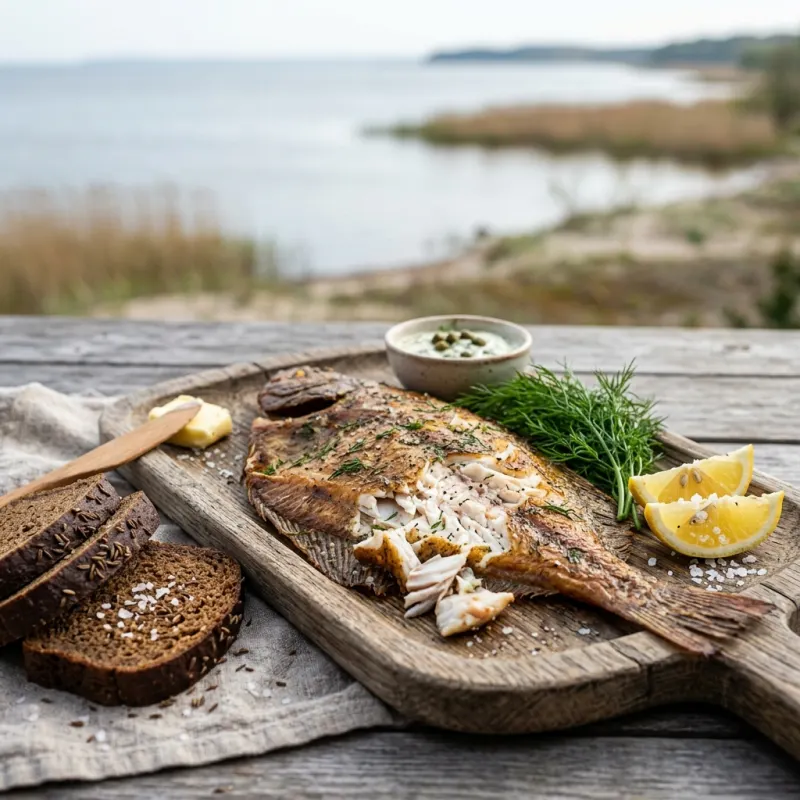
- Taste hot-smoked fish prepared fresh daily using generational curing techniques in coastal fishing villages.
- Witness massive migratory bird flocks at the Ventė Cape ornithological station and historic lighthouse.
Things to Avoid
- Avoid driving onto protected sand dunes or walking off designated boardwalk paths on the Curonian Spit, as dune erosion is strictly regulated with heavy fines.
- Do not rely entirely on ride-sharing apps when traveling between distinct coastal municipalities; utilize scheduled regional buses or the coastal ferry.
- Avoid swimming in the Baltic Sea when red warning flags are posted on lifeguard towers due to sudden rip currents.
- Do not purchase amber without basic verification from reputable shops, as synthetic plastic imitations are sometimes sold at informal souvenir stands.
Local Transportation Tips
Transportation along the Lithuanian coast is reliable, integrated, and pedestrian-friendly. The city of Klaipėda features an efficient municipal bus network operated by Klaipėdos Keleivinis Transportas, with contactless payment cards available. Reaching the Curonian Spit requires crossing the lagoon via the Smiltynė Ferry (Smarte passenger ferry for pedestrians and cyclists from the central terminal, and vehicle ferry from the southern terminal). On the Spit, frequent local buses link Smiltynė to Juodkrantė, Pervalka, Preila, and Nida. Northbound, regular suburban buses and minibuses run every 15-20 minutes between Klaipėda Bus Station and Palanga. High-quality rental bikes and electric scooters are widely accessible throughout all major towns.
Travel Etiquette
- Lithuanians appreciate quiet respect in natural reserves; keep noise levels low along forest trails and nature observation towers.
- Always stay on elevated timber walkways when traversing the dunes to prevent environmental degradation.
- When entering small seaside fish smokehouses or family shops, greet proprietors with a polite 'Labas' (Hello) or 'Laba diena' (Good day).
- Tipping in restaurants and seaside cafes is customarily around 10% for good service, payable in cash or added to card transactions where supported.
Recommended Age Group
The Lithuanian Coast and Klaipėda Region offers safe, diverse attractions suited across age brackets, particularly for multi-generational families and active travelers.
- Babies (0-2 years): Recommended. Smooth beachfront promenades, sea air, quiet pine forest paths, and widespread stroller accessibility make it pleasant for infant care.
- Kids (3-12 years): Recommended. Wide sandy beaches, the Lithuanian Sea Museum & Dolphinarium in Smiltynė, and interactive amber workshops keep young children thoroughly engaged.
- Teens (13-19 years): Recommended. Safe cycling routes, beach volleyball, windsurfing or paddleboarding on the calm Curonian Lagoon, and bustling summer evening promenades in Palanga appeal strongly to teenagers.
- Adults (20-64 years): Recommended. Superb outdoor hiking, craft culinary scenes, coastal spa resorts, and rich historical exploration across Klaipėda and Nida.
- Seniors (65+ years): Recommended. Flat terrain, therapeutic microclimate, world-class mineral water sanatoriums, and relaxed seaside walking trails offer supreme comfort.
Accessibility Level: Medium
- Klaipėda's city buses are low-floor and equipped with boarding ramps and audio stop announcements.
- The passenger ferry crossing between Klaipėda and Smiltynė features level boarding suitable for manual and motorized wheelchairs.
- Major beach sections in Palanga and Nida feature wooden boardwalk ramps leading close to the water, alongside specialized amphibious beach wheelchairs during summer months.
- Paved pathways connect the main promenade of Nida and the Palanga Botanical Park with zero-step terrain and ample resting benches.
Did You Know?
The Curonian Spit is home to the 'Dead Dunes' (Nagliai Nature Reserve), which buried four historic fishing villages beneath wind-driven sands between the 16th and 19th centuries before an extensive reforestation project stabilized the peninsula.
Cool Statistics
- Lithuania's Baltic coastline measures just 99 km (61.5 miles), making it one of the shortest yet most protected sea coasts in Europe.
- The Parnidis Dune in Nida rises roughly 52 meters above sea level and features a granite astronomical sun clock.
- Ventė Cape bird ringing station tracks and rings up to 8,000 migrating birds in a single day during peak autumn migration.






Buy a compatible power adapter for your trip