Disclosure: This site contains affiliate links. We may earn a commission if you make a purchase, at no extra cost to you.

>
>
>
Belgrade Region

Belgrade Region

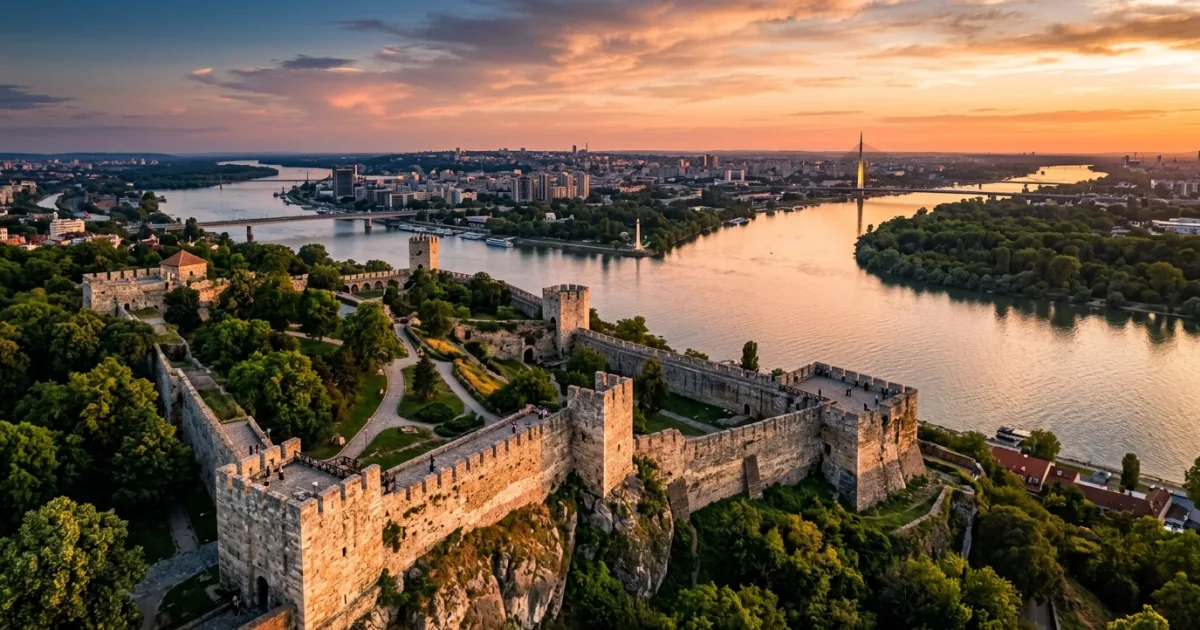
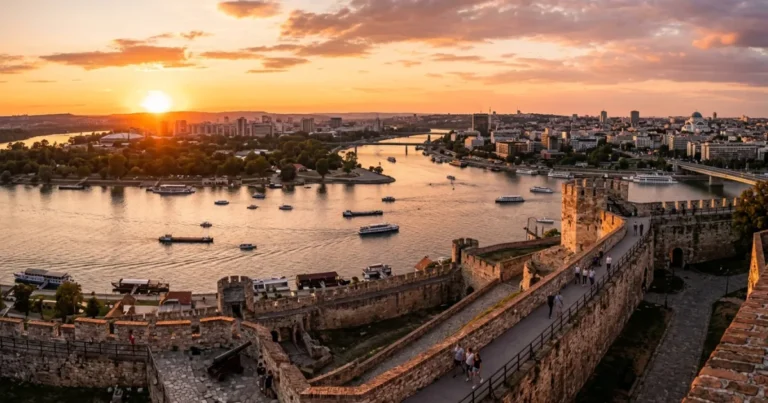
Panoramic sunset view over Belgrade Fortress and the confluence of the Sava and Danube rivers

Belgrade Region Overview & Key Highlights

The Belgrade Region spans the strategic confluence of the Sava and Danube rivers, serving as the historical and cultural crossroads between Central Europe and the Balkans. Anchored by Serbia's vibrant capital, this dynamic territory encompasses ancient Roman fortifications, Austro-Hungarian influenced riverside districts like Zemun, and lush green escapes such as Mount Avala and Ada Ciganlija. Visitors encounter centuries of layered history, from the stone battlements of the Belgrade Fortress to brutalist Yugoslav architectural landmarks, offering deep cultural immersion at every corner. Beyond urban heritage, the Belgrade Region provides a lively outdoor and culinary lifestyle shaped by expansive waterways and thriving local markets. River barges known as splavovi line the riverbanks, serving regional grilled meats and craft spirits against panoramic water views. The district balances an energetic café society and bohemian quarters like Skadarlija with peaceful forested hills and archaeological treasures, making it an extraordinary gateway for explorers seeking authentic Balkan culture, robust hospitality, and spirited day adventures.

Belgrade Region Travel Guide: Logistics & In-Depth Tips

The Belgrade Region stands as a commanding cross-cultural epicenter where the Sava empties into the mighty Danube. Historically recognized as Singidunum under Roman rule, this dynamic administrative territory has witnessed more than forty major conflicts across millennia, resulting in a fascinating layered architectural fabric spanning medieval ramparts, ornate neoclassical boulevards, and sprawling mid-century socialist architecture. Today, it balances its historical weight with exceptional urban vitality, providing visitors an eclectic mix of open-air riverfront spaces, world-class modern art galleries, and thriving green zones such as Košutnjak Forest and Topčider Park.

Beyond the core metropolis, the wider region stretches into picturesque suburban landscapes, historic wine-growing settlements, and archaeological sites like Vinča—one of Europe's oldest documented Neolithic cultures. Whether navigating the quiet, cobblestone lanes of Zemun's Gardoš quarter, ascending the Avala Tower for 360-degree territorial views, or experiencing lively conversation inside centuries-old kafanas, the Belgrade Region serves as a welcoming, affordable, and multi-dimensional gateway to Southeastern Europe.

Reasons to Visit

  • Marvel at the historic Belgrade Fortress (Kalemegdan) perched above the dramatic confluence of the Sava and Danube rivers.
  • Experience world-famous river barge venues (splavovi) offering scenic waterfront dining and lively nightlife.
  • Stroll along the historic riverside promenade of Zemun and climb the Millennium Tower on Gardoš Hill for breathtaking vistas.
  • Visit the Saint Sava Temple, one of the largest Orthodox church buildings in the world, featuring millions of gleaming gold mosaic tiles.
  • Enjoy affordable, high-quality Balkan cuisine and a vibrant European café culture spanning historic pedestrian streets.

Things to Avoid

  • Avoid taking unmarked taxis waiting directly outside train stations or nightlife districts without a confirmed meter rate; use CarGo or verified dispatcher numbers instead.
  • Avoid dressing informally or disrespectfully when entering active Serbian Orthodox churches; cover shoulders and knees.
  • Do not exchange money at unauthorized street stalls; rely strictly on registered 'Menjačnica' exchange offices displaying official bank licenses.
  • Avoid discussing sensitive regional political conflicts unless your local hosts comfortably introduce the topic.
  • Avoid skipping cash withdrawals; smaller street vendors and traditional market stalls do not accept international bank cards.

Local Transportation Tips

Public transportation throughout the Belgrade Region is comprehensive, consisting of an extensive network of buses, trams, and trolleybuses operated under the city's integrated transit system. Fares are exceptionally inexpensive and can be paid using designated transport cards or directly through mobile transit applications and SMS payment systems with local SIM cards. For travel outside the urban center toward suburban municipalities or Mount Avala, reliable suburban bus lines (Lasta) and the BG Voz commuter rail network operate frequent connections. Ride-hailing services like CarGo provide safe, fixed-rate car transfers, offering a dependable alternative to traditional taxis.

Travel Etiquette

  • Offer a warm handshake accompanied by direct eye contact when greeting locals; close friends often exchange three light cheek kisses.
  • Accept food or drink hospitality graciously, as turning down refreshments in a local home can be perceived as discourteous.
  • Leave a tip of approximately 10% in sit-down restaurants and round up taxi fares for satisfactory service.
  • Remove your hat and silence mobile devices when stepping inside Serbian Orthodox religious sanctuaries.
  • Say 'Živeli' (cheers) while maintaining direct eye contact when toasting with rakija or local wine.

Recommended Age Group

The Belgrade Region offers diverse cultural, historic, and recreational highlights, making it adaptable to travelers of different generations with varying mobility requirements.

  • Babies (0-2 years): Neutral. Cobblestone pavements in older districts and limited elevator access in older infrastructure can make stroller navigation challenging, though riverside parks provide pleasant flat walks.
  • Kids (3-12 years): Neutral. Large green spaces like Ada Ciganlija and Kalemegdan Park offer playgrounds and bicycle rentals, but museum and historic walking tours require patience from younger children.
  • Teens (13-19 years): Recommended. Older teenagers will appreciate the dynamic street art, interactive science exhibits at the Nikola Tesla Museum, fortress exploration, and water sports at Ada Ciganlija.
  • Adults (20-64 years): Recommended. Perfectly suited for solo travelers, couples, and groups seeking thriving culinary traditions, energetic nightlife, historical landmarks, and rich café culture.
  • Seniors (65+ years): Recommended. Ideal for travelers who appreciate rich historical architecture, leisurely Danube river strolls, comfortable café terraces, and affordable private transit options.

Accessibility Level: Medium

  • Modern low-floor buses and trams run on principal transit corridors, although older high-step vehicles still operate on select routes.
  • Major museums and public buildings have ramp access and modern elevators, but historic fortress tunnels and cobblestone streets present mobility obstacles.
  • Sidewalk curb ramps are common in central urban areas, though parked vehicles can occasionally obstruct pedestrian pathways.
  • Flat pedestrian promenades along the Sava and Danube rivers at New Belgrade and Zemun Quay offer wide, barrier-free walking routes.

Did You Know?

The Belgrade Region is built upon more than seven thousand years of human habitation, housing the cradle of the Neolithic Vinča culture, known for developing some of the earliest copper metallurgy and proto-writing symbols in Europe.

Cool Statistics

  • Over 115 historic battles have been fought over the territory of Belgrade due to its commanding river confluence.
  • The Saint Sava Temple interior houses over 15,000 square meters of intricate gold-leaf and glass mosaics.
  • Mount Avala rises to 511 meters above sea level just 16 kilometers south of central Belgrade, granting panoramic views of the entire region.


Address:

Belgrade Region, Serbia

Find Nearby Accommodations

Basic Info

address icon

COUNTRY & Region

Serbia,
Europe

ACCESSIBILITY LEVEL​

Medium
Currency icon

LOCAL CURRENCY​

Serbian Dinar (RSD)
Price level icon
Medium
Safety Level icon

SAFETY LEVEL

Duration icon

Recommended Duration

• 1-7 days
• Full day

Electricity

electricity icon

Electricity

220-240V, 
50Hz
Plug Socket icon

Plug Type

• Type C (Round pin)
• Type F (Two round pins with earth clips)
Plug types
Click To View Plug Types
Belgrade Region is part of our
Solo Female Friendly collection

Things To Do In Belgrade Region

Total: 1

Activities To Do In Belgrade Region

Best Time To Visit Belgrade Region

The Belgrade Region experiences a continental climate with distinct seasons, offering warm summers and crisp winters.

  • Spring (April to June): Ideal sightseeing season featuring comfortable daytime temperatures between 18°C and 25°C, blossoming city parks, and pleasant riverwalk strolls.
  • Summer (July to August): Hot and dry conditions with temperatures often exceeding 30°C; perfect for open-air river dining, night barge parties, and beach activities at Ada Ciganlija.
  • Autumn (September to October): Golden foliage and mild weather ranging from 15°C to 22°C make this an exceptional time for urban walking tours, wine festivals, and museum exploration.
  • Winter (November to February): Cooler temperatures hovering between -2°C and 6°C bring occasional snowfalls, festive holiday markets in Republic Square, and cozy tavern gatherings.

Average Temperatures Per Month

Remember to check the weather forecast a few days before the trip and before heading to the airport.

Safety Level icon

Safety Level

The Belgrade Region maintains low levels of violent crime, making it safe for solo and group travelers day or night. Exercise standard caution in crowded pedestrian areas like Knez Mihailova and transit hubs to prevent petty pickpocketing. Always ensure airport and street taxis use a running meter or book transportation through verified ride applications. When walking along historic cobblestone paths or unpaved fortress ramparts, watch your footing, especially after rain.

The rating is based on multi-year peace, crime, and security indices. Before you go, always verify current conditions through official government travel advisories.

Emergency Numbers

Police: 192
Ambulance: 194

No internet needed • Includes local translations • Free for TravelingWiz readers

Spoken Languages

Serbian (official); English is widely spoken among younger demographics, hospitality staff, and retail personnel.

Learn The Language

  • Zdravo — Hello
  • Hvala — Thank you
  • Molim — Please / You are welcome
  • Da — Yes
  • Ne — No
  • Koliko košta? — How much does this cost?
  • Račun, molim — The check, please
  • Gde je…? — Where is…?
Travel Booking Partner - TravelingWiz

Trip Cost & Budgeting for Belgrade Region, 2026

Everything you need to know about money while traveling
Is Belgrade Region expensive for tourists in 2026? Belgrade offers fantastic value compared to most European capitals, making it quite affordable for international travelers. Expect to pay around 325 RSD for a cappuccino, 380 RSD for a domestic draft beer, and 1,800 RSD for a main meal at a mid-range restaurant. With our Human Verified prices, budgeting for your trip is straightforward and manageable. Use the data table below to calculate your specific daily budget based on your travel style.
Currency icon

LOCAL CURRENCY​:

Serbian Dinar (RSD)
Price level icon
Medium
Credit cards are accepted in most Belgrade hotels and restaurants, but cash is essential for bakeries, markets, and small venues.

Per person, per day – pocket cash for small purchases.

Local: 950
Serbian Dinar (RSD)
≈ 9 USD

Full daily spend estimation (accommodation, food, transportation, attractions).

Travel Style
Serbian Dinar (RSD)
≈ USD ($)
Budget
5250
50
Mid-range
9500
91
Comfort
20900
201

The Prices, Daily costs, and calculator results are estimates for planning purposes only. Actual costs may vary based on season, booking timing, personal spending habits, and currency fluctuations. TravelingWiz cannot be held responsible for discrepancies between these estimates and your final trip expenses.

  • Eat at local bakeries (pekara) for fresh burek or visit traditional kafanas for hearty meals at low prices.
  • Use official taxi apps like CarGo or Pink Taxi instead of flagging street cabs to guarantee fair metered fares.
  • Buy produce, cured meats, and local cheeses at vibrant green markets such as Kalenić or Bajloni.
  • Consider staying just outside the main Knez Mihailova pedestrian area in neighborhoods like Dorćol or Vračar for better lodging value.

Pre-Order Tickets

Avoid disappointment when tickets sell out — and skip the long lines by booking online in advance. You’ll often save up to 20% too.
Save up to 20%

Travel Discounts & Coupons

Save on hotels, attractions, transport, and gear — find verified discounts for smarter travel spending.
Verified Coupons

What To Pack

  • Comfortable walking shoes with sturdy grip for uneven cobblestone streets in Kalemegdan, Zemun, and Skadarlija.
  • Universal Type C or F plug adapter for charging electronic devices.
  • Lightweight layers and sunscreen for hot summer days along the riverfront promenades.
  • A warm, windproof jacket and thermal layers if visiting between November and March.
  • Modest attire with shoulders and knees covered for touring Orthodox churches and monasteries.
  • A reusable water bottle to fill at public drinking fountains located across municipal parks.
  • Small cash purse or pouch to carry Serbian Dinar for street markets, bakeries, and taxis.
We couldn't find tips for Belgrade Region.
If you got any, please share

Recommended Itineraries for Traveling to Belgrade Region

We couldn't find itineraries for Belgrade Region.
you can contact us for custom trip plan

Food & Drink Highlights

Local Food Overview

Gastronomy in the Belgrade Region reflects a hearty blend of Slavic traditions, Ottoman spice influences, and Austro-Hungarian pastry culture. Meat plays a central role, celebrated through charcoal-grilled specialties, rich stews, and cured charcuterie paired with fresh dairy products like kajmak (clotted cream) and ajvar (roasted red pepper spread). River fish stews feature prominently near Zemun and the Danube, while dining culture thrives in boisterous traditional kafanas accompanied by live acoustic folk music.
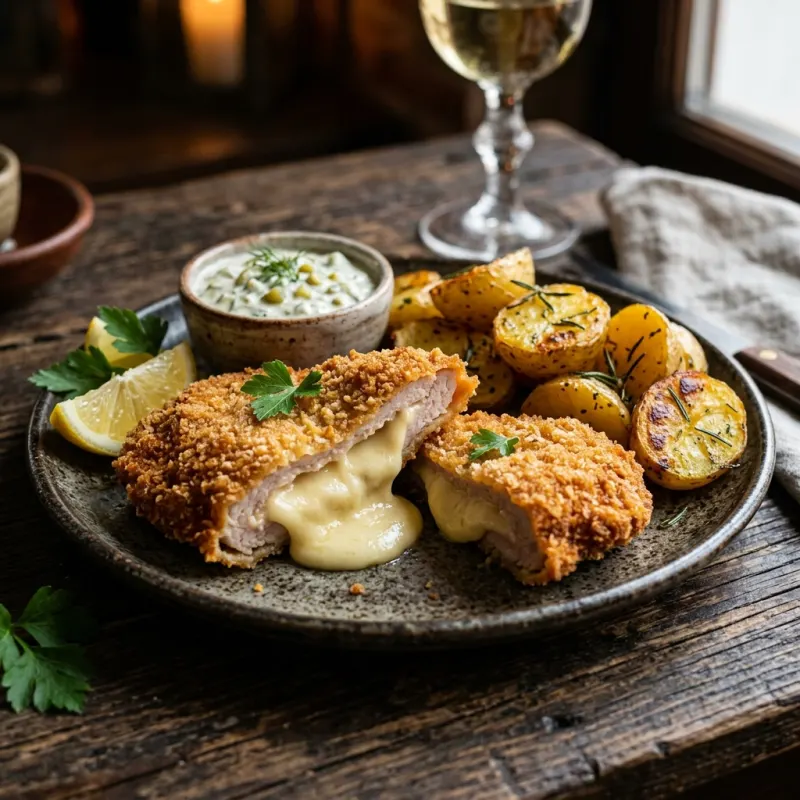
Golden-brown Karađorđeva steak cut open with melted kajmak cheese filling on a tavern plate

Must Try Dish

Karađorđeva Šnicla - A rolled veal or pork cutlet generously stuffed with creamy kajmak, lightly breaded, and fried until crisp and golden brown. Served alongside roasted potatoes and tartar sauce, it delivers a rich, melt-in-your-mouth contrast of savory textures.
Food Experiences Title Icon

Food
Experiences

Discover cooking classes, tastings and local food tours

No food experience found
Maya, the human travel expert at TravelingWiz, offering curated, non-AI expertise

Maya’s Final Checklist for Belgrade Region

Logistics shouldn’t be the focus of your trip—the experience should. I’ve hand-vetted these essential partners to ensure your arrival, stay, and exploration are as smooth as an Athenian breeze.

Where to Stay

From boutique hotels to local apartments—compare thousands of options and find the perfect stay in the best neighborhood.

Air Travel

Getting there should be seamless. Compare the best routes and prices across top airlines to start your journey on the right note.

Local Guides

Connect with experts who know the destination best. Get personalized advice and insider tips to help you plan your perfect trip.

Travel Protection

The “Engineer’s” rule: always have a backup. Secure your trip with a plan that covers every “what if” and unexpected change.

Car Rentals

Explore at your own pace with total freedom. Compare reliable rental options and find the right vehicle for your adventure.

Visa Services

Don’t let paperwork slow you down. Get expert assistance with your application to ensure all your entry documents are in order.

FAQs

A stay of 3 to 5 days is ideal to experience the primary historic quarters, tour the Belgrade Fortress, explore Zemun, and take an excursion to Mount Avala or regional vineyards.
Yes, municipal tap water is treated, monitored, and entirely safe for drinking throughout the Belgrade metropolitan area.
No, the official currency is the Serbian Dinar (RSD). While some private accommodations quote in Euros, everyday legal transactions require Dinars, which can be withdrawn from ubiquitous ATMs or exchanged at authorized exchange bureaus (menjačnica).

Your Insights Matter

TravelingWiz grows through the stories of our community. If you’ve recently explored ,Belgrade Region share your tips and stories to help us perfect our guides for the next traveler.

Related Articles

Check out our related articles and blog posts to learn even more about the destination.

No related articles found

Don’t Travel Alone

Share with your friends and family

Where should we send your offline card?

We hate spam just as much as you do

newsletter_consent *