Vojvodina is an autonomous province comprising the northern third of Serbia, stretching across the historical regions of Bačka, Banat, and Srem. Its landscape is an unbroken tapestry of black-soil arable plains, sunflower plantations, and quiet river canals fed by the Danube and Tisa. The region's history as the southern frontier of the Habsburg Empire created an architectural and cultural landscape distinct from the rest of the Balkans, defined by Baroque church spires, neoclassical town squares, and colorful Art Nouveau civic halls.
Beyond its urban centers, Vojvodina moves at an unhurried, pastoral pace. Fruška Gora mountain, once an island in the prehistoric Pannonian Sea, shelters peaceful Orthodox monastic sanctuaries that preserved Serbian literary and religious traditions during Ottoman rule. The province's multicultural identity thrives in its culinary culture, celebrated at rustic country taverns (čarde and salaši), village wine harvests, and vibrant open-air market squares.
Reasons to Visit
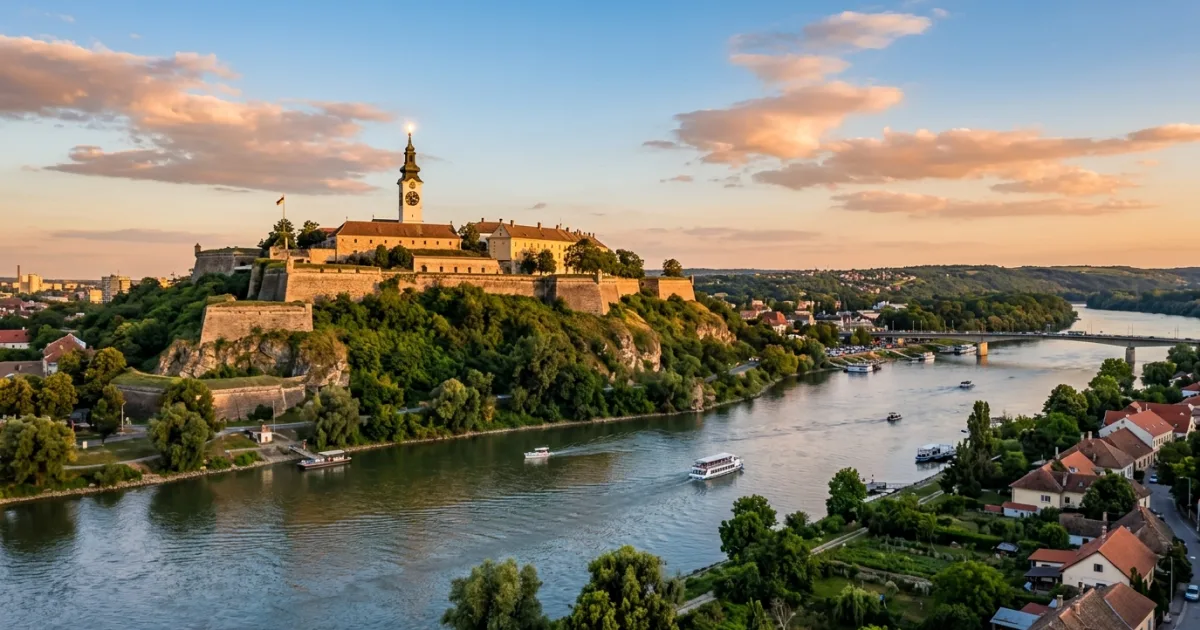
- Petrovaradin Fortress: Explore the massive 18th-century Austrian bastion overlooking the Danube, famous for its underground countermine tunnels and annual EXIT Festival.
- Fruška Gora Monasteries: Visit serene medieval and baroque monastic compounds like Krušedol, Novo Hopovo, and Grgeteg hidden in tranquil woodland valleys.
- Subotica Art Nouveau Architecture: Marvel at the flamboyant Hungarian Secessionist design of Subotica's City Hall, Synagogue, and the lakeside villas of Palić.
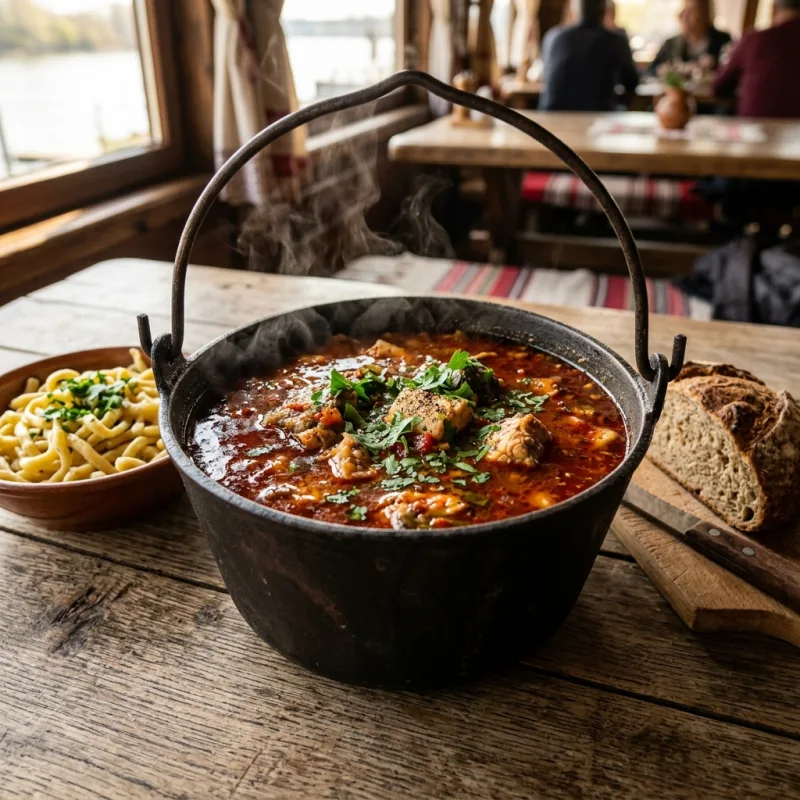
- Rustic Salaš Culture: Relax at traditional agricultural farmsteads enjoying tambourica string orchestras, hearty slow-roasted meats, and homemade plum preserves.
- World-Class Wine Routes: Sample the proprietary spiced herbal wine Bermet alongside fresh Grašac in historic cellars throughout Sremski Karlovci.
Things to Avoid
- Avoid planning countryside road trips exclusively around card payments; always keep Serbian Dinar banknotes on hand for rural purchases.
- Avoid skipping mosquito repellent during summer excursions along the Danube, Tisa, and Obedska Bara wetlands.
- Avoid dressing in beachwear, tank tops, or short shorts when stepping inside working Serbian Orthodox monasteries.
- Avoid rushing through regional meals; dining at salaši and čarde is designed as an unhurried, multi-hour social experience.
Local Transportation Tips
Vojvodina possesses some of the best transportation infrastructure in the Western Balkans. The modern 'Soko' high-speed railway provides fast, reliable, air-conditioned service linking Belgrade, Novi Sad, Vrbas, and Subotica. Extensive regional bus routes operated by carriers like Lasta connect smaller municipalities such as Sombor, Kikinda, and Zrenjanin. Renting a passenger vehicle is the best way to explore isolated Fruška Gora monasteries, Deliblato Sands, and remote farmsteads. Within cities, walking is the primary mode of sightseeing, complemented by inexpensive licensed taxis and municipal buses.
Travel Etiquette
- Greet shopkeepers and hosts with a polite 'Dobar dan' upon entering establishments.
- When visiting monasteries, turn off mobile ringtones, refrain from loud conversations, and ask permission before photographing interior frescoes.
- Tipping around 10% is customary in restaurants and taverns for attentive service.
- Remove hats and sunglasses when entering places of worship.
- When toasting with rakija or wine, make direct eye contact with your companions and say 'Živeli!'.
Recommended Age Group
Vojvodina offers broad appeal across diverse demographics, particularly for travelers seeking gentle cultural, culinary, and scenic exploration.
- Babies (0-2 years): Neutral. Cobblestones in historic quarters can make stroller use bumpy, but public green parks and quiet countryside stays provide peaceful surroundings.
- Kids (3-12 years): Recommended. Children enjoy lakeside leisure at Palić, exploring fortress ramparts, visiting horseback riding farmsteads, and watching wildlife in nature reserves.
- Teens (13-19 years): Recommended. Older youth appreciate Novi Sad's creative energy, music culture, fortress underground tours, and outdoor cycling trails.
- Adults (20-64 years): Recommended. Exceptional wine tasting, fine Austro-Hungarian architecture, vibrant culinary scenes, and rich history make it ideal for adult travelers.
- Seniors (65+ years): Recommended. Flat urban terrain, manageable walking routes, gentle scenic pacing, and thermal spa towns like Banja Kanjiža suit mature travelers perfectly.
Accessibility Level: Medium
- Novi Sad's main pedestrian thoroughfares (Zmaj Jovina and Dunavska) feature flat paved surfaces that are manageable for wheelchair users.
- Modern regional high-speed train connections provide step-free boarding access and dedicated wheelchair spaces.
- Petrovaradin Fortress and certain historic monasteries have steep inclines, rough stone pathways, and steps that present mobility challenges.
- Modern hotels in Novi Sad and Subotica offer accessible rooms with elevator access, while traditional countryside farmsteads may lack standardized roll-in facilities.
Did You Know?
Bermet, a fortified aromatic wine infused with up to 27 different herbs and spices from the slopes of Fruška Gora, was so celebrated in European courts that it was reportedly stocked in the luxury first-class wine cellars of the RMS Titanic.
Cool Statistics
- Over 20: Recognized ethnic communities living together in Vojvodina, with six official languages in provincial administration.
- 16: Surviving historic Serbian Orthodox monasteries protected within the valleys of Fruška Gora National Park.
- 36 Minutes: Travel time between Belgrade Prokop and Novi Sad aboard the modern 'Soko' high-speed train.
- 350+ Kilometers: Length of the Danube River meandering through Vojvodina's landscapes.






Buy a compatible power adapter for your trip