Western Serbia represents the heart of the Dinaric Alps within Serbia, characterized by dramatic limestone geography, rolling karst pastures, and crystalline mountain rivers. The area includes significant nature reserves such as Tara National Park, Mokra Gora, Zlatibor plateau, and the serpentine Uvac River gorge. Historically positioned along trade routes between the Mediterranean and Central Europe, the region preserves deep cultural footprints, from prehistoric necropolises and stećci tombstones to medieval monastic settlements and Ottoman-era timber architecture.
Today, Western Serbia is a hub for nature-focused adventures, offering hiking, canyoning, mountain biking, and calm river kayaking. Its network of ethno-villages, such as Sirogojno and Drvengrad, preserves traditional log cabin architecture (brvnare) and authentic rural lifestyles. Whether observing soaring griffon vultures above emerald river meanders or crossing steep gorges on narrow-gauge vintage steam engines, visitors find a pristine, tranquil landscape largely untamed by commercial mass tourism.
Reasons to Visit
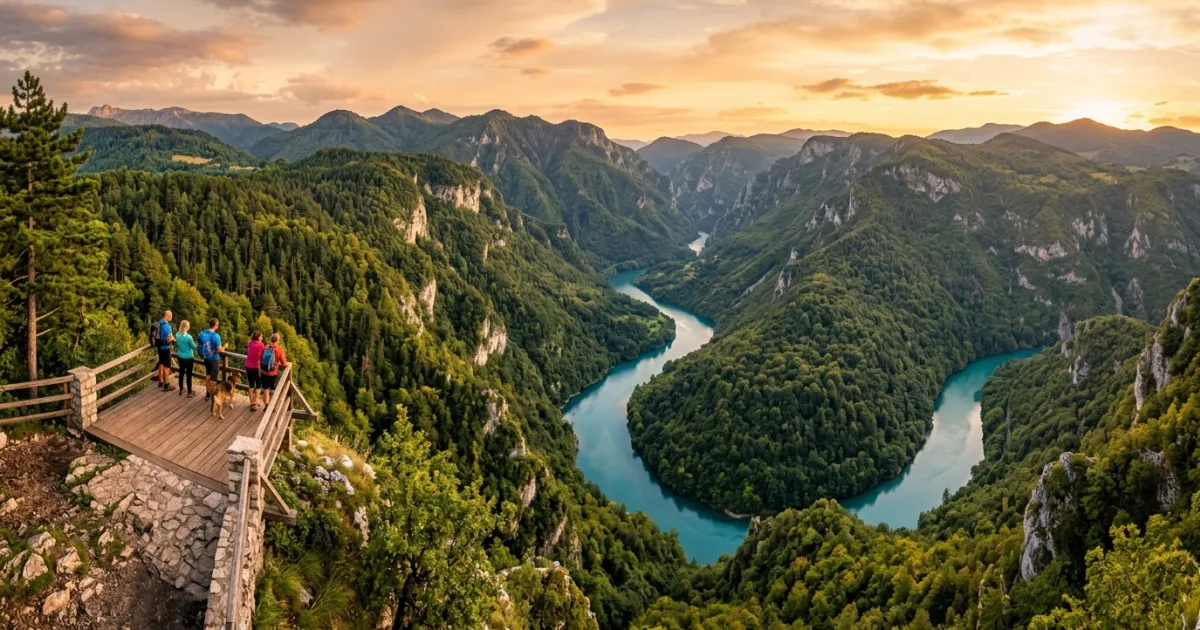
- Unmatched Viewpoints: Stand above sheer limestone cliffs at Banjska Stena overlooking Lake Perućac and the Drina River valley.
- Uvac River Meanders: Cruise or hike along the dramatic serpentine canyon while observing protected griffon vultures in their natural nesting habitat.
- Sargan Eight Heritage Railway: Ride a historic narrow-gauge steam train traversing dramatic mountain contours and spiral loops through 22 tunnels.
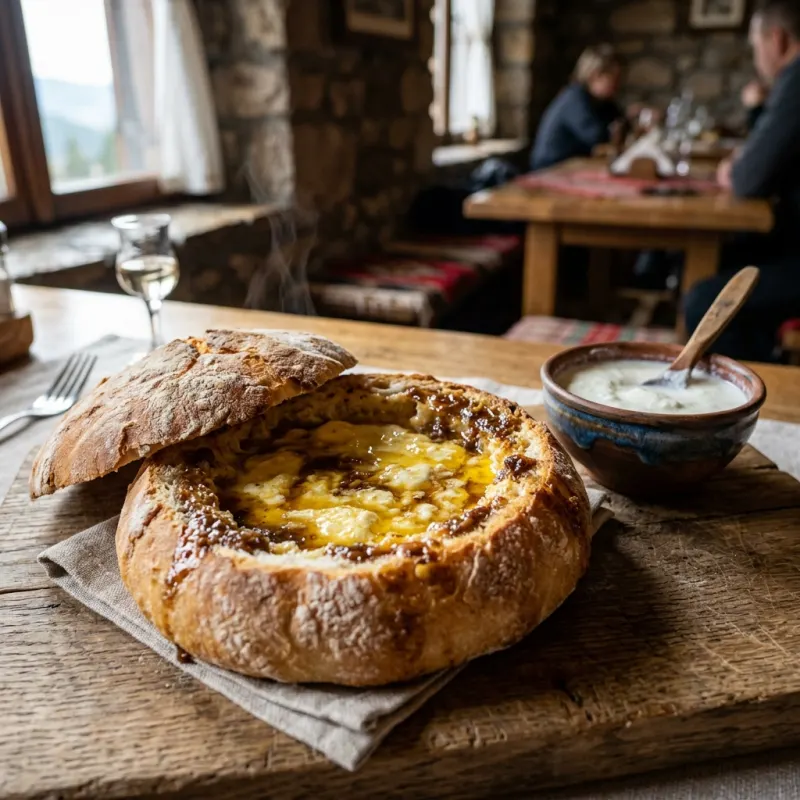
- Rich Highland Gastronomy: Taste cured meats, aged cheeses, wild forest berries, and artisanal plum brandies straight from rural family smokehouses.
- Authentic Ethno-Villages: Explore preserved open-air museums like Sirogojno showcasing traditional Balkan wood architecture and rural textile crafts.
Things to Avoid
- Do not rely entirely on public buses to reach remote scenic lookouts like Molitva or Bilješka Stena; public transit connects only main town centers.
- Avoid driving backcountry gravel roads after heavy rainfall without a high-clearance vehicle, as muddy ruts and landslides can occur.
- Do not travel without Serbian Dinar cash outside major towns, as credit card processing is rare in small mountain settlements.
- Do not ignore marked national park signage or wander into dense backcountry terrain without downloaded offline GPS maps.
Local Transportation Tips
Personal car hire is the premier method of traveling across Western Serbia due to dispersed mountain attractions and winding rural roads. Well-maintained national highways connect major towns like Užice, Požega, Bajina Bašta, and Prijepolje, though winding mountain passes demand alert driving. Reliable intercity buses run from Belgrade's main bus terminal to major regional hubs multiple times daily. Local taxis are affordable within towns, but negotiating fixed daily rates is essential if hiring a driver for remote sightseeing excursions.
Travel Etiquette
- Accepting hospitality: If invited into a Serbian rural home, accept at least a spoonful of traditional sweet fruit preserve (slatko) and a glass of water before dining.
- Dress modestly with covered shoulders and knees when entering Serbian Orthodox monasteries such as Rača or Mileševa.
- Tipping: Leaving 10% in sit-down restaurants and rounding up small bills in cafes and taxis is customary and appreciated.
- Respect protected park areas by keeping noise levels low and carrying all garbage back out with you.
Recommended Age Group
Western Serbia offers active outdoor experiences and cultural sights suited to travelers across various life stages, provided they enjoy nature-focused itineraries.
- Babies (0-2 years): Neutral. Rugged terrain, unpaved nature trails, and winding mountain roads can be demanding with strollers, though peaceful rural guesthouses provide clean mountain air.
- Kids (3-12 years): Recommended. Children will love the vintage steam railway rides, the open-air wooden houses of Drvengrad and Sirogojno, and boat excursions on placid alpine lakes.
- Teens (13-19 years): Recommended. Excellent opportunities for river kayaking, Drina rafting, zip-lining across Zlatibor, and hiking rugged mountain viewpoints.
- Adults (20-64 years): Recommended. Perfect terrain for road trippers, hikers, culinary travelers, photographers, and those seeking peaceful natural landscapes.
- Seniors (65+ years): Recommended. Pristine mountain climate, accessible cultural museums, gentle lake cruises, and renowned spa and wellness centers make it very rewarding for active older travelers.
Accessibility Level: Medium
- Town centers like Užice and resort hubs like central Zlatibor offer paved pedestrian boulevards, but rugged mountain viewpoints and nature reserves feature natural, uneven terrain.
- Major heritage attractions like Drvengrad feature cobblestone and wooden step paths that can present challenges for manual wheelchair users without assistance.
- The Sargan Eight heritage train has narrow steps for boarding; passengers requiring mobility assistance should contact the station in advance for specialized boarding support.
- Modern lake cruise vessels operating on Lake Perućac and Uvac generally offer flat entry from piers, though water level fluctuations may create angled gangways.
Did You Know?
The Drina River House near Bajina Bašta, perched precariously on a solitary river rock, has survived numerous violent seasonal floods since it was originally built by local swimmers in 1968. Additionally, Western Serbia's Tara National Park protects the Pančić Spruce (Picea omorika), a rare living fossil tree species that survived the last Ice Age within this specific microclimate.
Cool Statistics
- 20+ Brown Bears: Tara National Park is home to the largest protected brown bear sanctuary in Serbia.
- 300+ Griffon Vultures: The Uvac Special Nature Reserve protects one of Europe's most successful colonies of endangered griffon vultures.
- 300-Meter Cliffs: The sheer limestone walls lining the Drina and Uvac canyons drop dramatically into turquoise river waters.
- 13.5 Kilometers: The Sargan Eight narrow-gauge rail overcomes an altitude difference of 300 meters across 22 mountain tunnels.






Buy a compatible power adapter for your trip