Browse:
>
>
>
>
Dead Sea Region
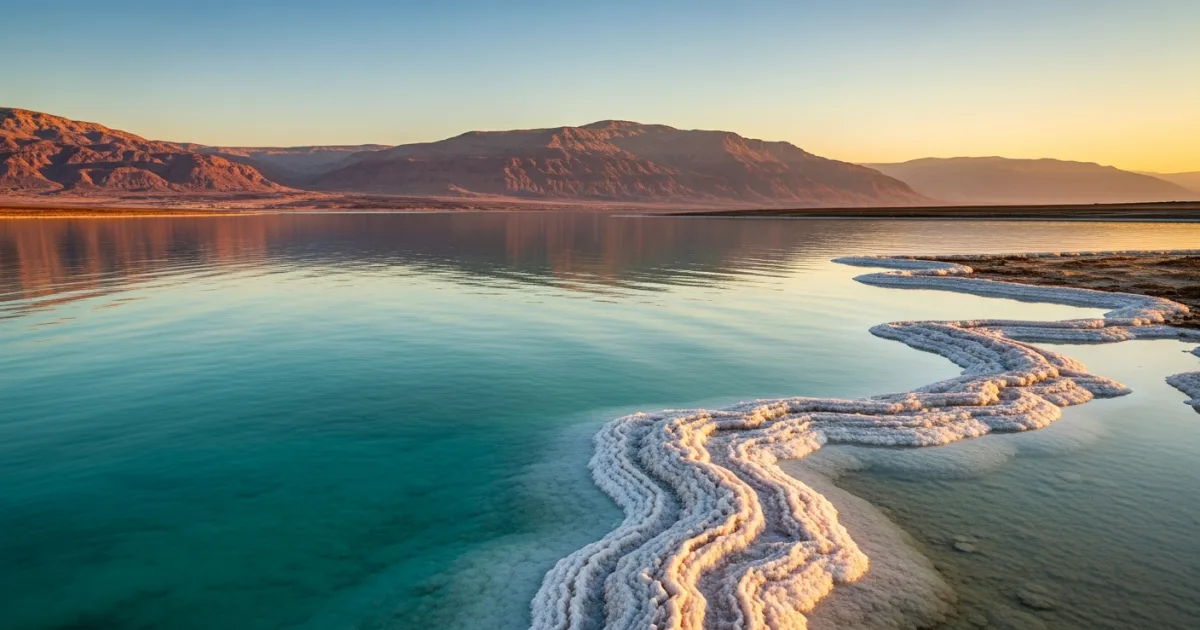
Panoramic view of the Dead Sea at sunrise with salt formations and desert mountains

Dead Sea Region Overview & Key Highlights

The Dead Sea Region, nestled in the heart of the Southern District of Israel, is a truly unique and awe-inspiring destination. Known as the lowest point on Earth, this hypersaline lake offers an unparalleled experience of floating effortlessly on its mineral-rich waters. Beyond its iconic buoyancy, the region is a treasure trove of ancient history, breathtaking desert landscapes, and world-renowned wellness opportunities. Visitors are drawn to the Dead Sea not only for its therapeutic properties but also for the dramatic beauty of the surrounding Judean Desert. From the ancient fortress of Masada perched atop a plateau to the lush oases and geological wonders, the area promises a journey of discovery, relaxation, and profound connection with nature and history. Prepare for an unforgettable adventure where ancient tales meet modern tranquility.

Essential Dead Sea Region Logistics & In-Depth Travel Tips

The Dead Sea Region, a geological marvel and a historical crossroads, offers an experience unlike any other. Situated at approximately 430 meters (1,410 feet) below sea level, it is the lowest land elevation on Earth. This unique geographical position, combined with its extreme salinity, creates a microclimate and ecosystem that have attracted visitors for millennia. Beyond the iconic floating experience, the region is steeped in biblical history, with sites like Masada standing as testaments to ancient civilizations and dramatic human stories. The therapeutic properties of its minerals, both in the water and the famed black mud, have made it a global hub for wellness and spa tourism. From adventurous hikes through desert wadis to serene moments of reflection by the tranquil, turquoise waters, the Dead Sea Region promises a journey that rejuvenates the body, stimulates the mind, and touches the soul.

Reasons to Visit

  • Unforgettable Floating Experience: Effortlessly float on the hypersaline waters, a sensation found nowhere else on Earth.
  • Therapeutic Benefits: Indulge in the mineral-rich mud and waters, known for their healing properties for skin and joints.
  • Historical Significance: Explore ancient sites like Masada, Qumran Caves, and Ein Gedi, offering deep insights into biblical and Roman history.
  • Stunning Desert Landscapes: Witness the dramatic beauty of the Judean Desert, with its unique geological formations and breathtaking vistas.
  • Wellness & Relaxation: Enjoy world-class spa resorts offering a range of treatments utilizing the Dead Sea's natural resources.
  • Nature & Hiking: Discover lush oases and challenging trails in nature reserves like Ein Gedi.
  • Unique Photography Opportunities: Capture surreal landscapes, vibrant sunsets, and the iconic salt formations.

Things to Avoid

  • Getting Water in Your Eyes/Mouth: The extreme salt content will cause severe stinging. Keep your head above water.
  • Shaving Before Swimming: Any small cuts will sting intensely.
  • Prolonged Immersion: Limit your time in the water to 15-20 minutes to avoid skin irritation and dehydration.
  • Visiting in Peak Summer: July and August can be unbearably hot, making outdoor activities challenging and potentially dangerous.
  • Ignoring Sun Protection: The sun is very strong; always use high SPF sunscreen, a hat, and sunglasses.
  • Drinking the Water: It is not potable and can be harmful if ingested.
  • Walking Barefoot on Salt Crystals: Wear water shoes to protect your feet from sharp salt formations.

Local Transportation Tips

While public buses connect the Dead Sea Region to major cities like Jerusalem and Tel Aviv, having a rental car offers the most flexibility for exploring the various attractions at your own pace. Roads are well-maintained, and signage is generally clear. Taxis are available but can be expensive for longer distances. Many visitors opt for organized tours from Jerusalem or Tel Aviv, which often include transportation to key sites like Masada and a Dead Sea beach.

Travel Etiquette

  • Dress Modestly: While resort areas are relaxed, when visiting religious or historical sites, it's respectful to dress modestly (shoulders and knees covered).
  • Bargaining: In traditional markets (souks), bargaining is expected and part of the experience. In shops with fixed prices, it's not.
  • Tipping: Tipping is customary in restaurants (10-15% if service isn't included) and for tour guides and drivers.
  • Photography: Always ask permission before photographing people, especially in religious communities. Be mindful of privacy.
  • Respect Religious Sites: If visiting synagogues or other religious sites, be respectful of customs and dress codes.
  • Environmental Awareness: Help preserve the fragile desert ecosystem by not littering and staying on marked trails.

Recommended Age Group

The Dead Sea Region offers a diverse range of activities suitable for almost all age groups, with some considerations for the very young and very old due to the climate and terrain.

  • Babies (0-2 years): Neutral. While the floating experience is not recommended for infants due to the high salt content and risk of ingestion/eye irritation, resorts are generally baby-friendly with pools and amenities. The extreme heat in summer can be challenging.
  • Kids (3-12 years): Recommended. Kids will be fascinated by the floating experience (under strict supervision) and enjoy playing with the mud. Nearby nature reserves like Ein Gedi offer gentle hikes. Masada might be engaging for older kids with its dramatic history.
  • Teens (13-19 years): Recommended. Teens will likely enjoy the unique floating, the historical intrigue of Masada, and the adventure of desert hikes. Photography opportunities are abundant.
  • Adults (20-64 years): Recommended. This region is ideal for adults seeking relaxation, wellness, historical exploration, and outdoor adventure. Spa treatments, hiking, and cultural sites are all highly appealing.
  • Seniors (65+ years): Recommended. Many resorts cater to seniors with accessible facilities and spa treatments. While strenuous hikes might be challenging, the floating experience and historical sites (accessible via cable car at Masada) are very enjoyable. Avoid extreme summer heat.

Accessibility Level: Medium

  • Dead Sea Beaches: Some public and private beaches offer accessible ramps and pathways to the water, as well as accessible changing rooms and showers. It's advisable to check with specific resorts or beaches beforehand.
  • Masada: The Masada cable car provides easy access to the top of the fortress, making it accessible for those with mobility challenges. The paths at the top are generally paved or well-maintained.
  • Resorts & Spas: Many modern resorts in the Dead Sea area are designed with accessibility in mind, offering ramps, elevators, and accessible rooms.
  • Transportation: While public buses may have limited accessibility, private tours and taxis can accommodate specific needs. Renting an accessible vehicle is an option for independent travel.
  • Ein Gedi Nature Reserve: Some parts of the reserve, particularly the main paths near the springs, may be accessible, but many hiking trails involve uneven terrain.

Did You Know?

The Dead Sea is not actually a sea, but a hypersaline lake. Its name comes from the fact that its high salinity prevents any macroscopic life (fish, plants) from thriving in it. However, microscopic life, such as certain types of bacteria and algae, do exist. The Dead Sea is shrinking at an alarming rate, primarily due to water diversion from its main tributary, the Jordan River, and mineral extraction industries. Efforts are underway to address this environmental challenge.

Cool Statistics

  • Lowest Point on Earth: Approximately 430 meters (1,410 feet) below sea level.
  • Salinity: Around 34.2% (342 grams of salt per liter of water), making it one of the saltiest bodies of water in the world.
  • Mineral Content: Rich in over 21 minerals, including magnesium, calcium, potassium, and bromide, many of which are not found in other seas.
  • Annual Evaporation: The Dead Sea loses about 1 meter (3.3 feet) of water depth per year due to evaporation and water diversion.
  • Historical Significance: Home to Masada, a UNESCO World Heritage Site, and the Qumran Caves, where the Dead Sea Scrolls were discovered.
  • UV Protection: The extra atmospheric layer at this low altitude filters out some harmful UV rays, allowing for longer sun exposure with less risk of sunburn (though sunscreen is still essential).

Address:

Dead Sea Region, Israel

Find Nearby Accommodations

Basic Info

address icon

COUNTRY & Region

Israel,
Middle East
Medium
Currency icon

LOCAL CURRENCY​

Israeli New Shekel (ILS)
Price level icon
High
Safety Level icon
Duration icon

Recommended Duration

• Full day
• Overnight
• 1-7 days

Electricity

electricity icon

Electricity

220-240V,
50Hz
Plug Socket icon

Plug Type

• Type H (Three pins: two flat, one round)
Plug types
Click To View Plug Types

Things To Do In Dead Sea Region

Total: 4

Activities To Do In Dead Sea Region

Best Time To Visit

The Dead Sea Region experiences extremely hot summers, making spring and autumn the most pleasant times to visit. Winter offers mild temperatures, ideal for hiking and exploring without the intense heat.

  • Spring (March-May): Ideal temperatures (25-35°C / 77-95°F) for floating, hiking, and sightseeing. Wildflowers may bloom in early spring.
  • Autumn (September-November): Pleasant temperatures (25-35°C / 77-95°F) similar to spring, with comfortable conditions for all activities.
  • Winter (December-February): Mild and sunny (18-25°C / 64-77°F), perfect for hiking and exploring historical sites without the crowds or extreme heat. Water is still warm enough for floating.
  • Summer (June-August): Extremely hot (38-45°C / 100-113°F), often too intense for extended outdoor activities. Floating is still possible, but caution is advised.

Remember to check the weather forecast a few days before the trip and before heading to the airport.

Safety Level icon

SAFETY Level

Use Caution: While Israel as a country may have travel advisories due to regional geopolitical situations, the Dead Sea Region itself is generally considered a safe and well-trafficked tourist destination, far from active conflict zones. Street crime is low. Visitors should remain aware of their surroundings, follow local guidance, and stay informed about regional news. Always exercise standard travel precautions, such as safeguarding valuables and being mindful in crowded areas.

The rating is based on multi-year peace, crime, and security indices. Before you go, always verify current conditions through official government travel advisories.

Emergency Numbers

No internet needed • Includes local translations • Free for TravelingWiz readers

Spoken Languages

Hebrew is the official language, but English is widely spoken, especially in tourist areas, hotels, and by younger generations. Arabic is also spoken by a significant portion of the population.

Learn The Language

  • Shalom (Hello / Peace)
  • Toda (Thank you)
  • Bevakasha (Please / You’re welcome)
  • Ken (Yes)
  • Lo (No)
  • Slicha (Excuse me / Sorry)
  • Ma shlomcha? (How are you? – to a male)
  • Kamah ze oleh? (How much does this cost?)

Trip Cost & Budgeting for Dead Sea Region, 2026

Everything you need to know about money while traveling
Is Dead Sea Region expensive for tourists in 2026? Yes, it is considered a high-cost destination. Expect to pay around 15 ILS for a cappuccino, 30 ILS for a pint of domestic beer, and 100 ILS for a standard main meal in a mid-range restaurant. These are Human Verified prices to help set realistic expectations for your trip. Use the data table below to calculate your specific daily budget based on your travel style.
Currency icon

LOCAL CURRENCY​:

Israeli New Shekel (ILS)
Price level icon
High
Major credit cards are widely accepted, but cash is useful for markets and small vendors.

Per person, per day – pocket cash for small purchases.

Local: 140
Israeli New Shekel (ILS)
≈ 45 USD

Full daily spend estimation (accommodation, food, transportation, attractions).

Travel Style
Israeli New Shekel (ILS)
≈ USD ($)
Budget
370
118
Mid-range
680
218
Comfort
1500
480

The Prices, Daily costs, and calculator results are estimates for planning purposes only. Actual costs may vary based on season, booking timing, personal spending habits, and currency fluctuations. TravelingWiz cannot be held responsible for discrepancies between these estimates and your final trip expenses.

  • Shop at discount supermarkets or local markets (shuks) for groceries.
  • Utilize public transport or carpool to save on transportation costs.
  • Pack lunches instead of eating out for every meal to save significantly.
  • Look for resort day passes that include meals and access to amenities.

Pre-Order Tickets

Avoid disappointment when tickets sell out — and skip the long lines by booking online in advance. You’ll often save up to 20% too.
Save up to 20%

Travel Discounts & Coupons

Save on hotels, attractions, transport, and gear — find verified discounts for smarter travel spending.
Verified Coupons

What To Pack

  • Lightweight, breathable clothing (cotton, linen)
  • Swimsuit and water shoes (the salt can be rough on bare feet)
  • Wide-brimmed hat and sunglasses
  • High SPF sunscreen (essential due to intense sun)
  • Moisturizer and lip balm (the dry air can be harsh)
  • Reusable water bottle
  • Comfortable walking shoes for hiking and exploring
  • Camera to capture the stunning landscapes
  • A good book for relaxing by the water
  • Basic first-aid kit, including antiseptic wipes for any cuts (salt stings!)

Recommended Itineraries for this Destination

Food & Drink Highlights

Local Food Overview

The Dead Sea Region, while primarily a natural and historical attraction, offers a taste of authentic Israeli cuisine. Expect fresh, vibrant flavors with a strong emphasis on Mediterranean and Middle Eastern influences. Dishes often feature fresh vegetables, herbs, olive oil, and a variety of spices. Many hotels and resorts offer diverse dining options, including international cuisine, alongside local specialties.
Shakshuka, a traditional Middle Eastern dish with eggs poached in tomato sauce

Must Try Dish

Shakshuka - This vibrant and flavorful dish features eggs poached in a rich, spiced tomato sauce, often with peppers and onions. It's a comforting and hearty meal, perfect for breakfast, brunch, or even a light dinner, offering a delightful blend of savory and slightly spicy notes.

Food Experiences

No food experience found

GetReady

Plan your trip seamlessly with our trusted partners and expert guidance. Follow these steps to book everything you need or connect with a local tour guide for personalized support

Step 1: Find the Perfect Accommodation

Explore a wide range of hotels, boutique stays, and vacation rentals to suit every traveler’s needs and budget. From luxury options to cozy family stays, find the best place for your trip.

Step 2: Book Your Flights

Secure the best flight deals for your destination. With our trusted partners, booking flights is quick and hassle-free.

Step 3: Let a Tour Guide Help

Not sure where to start? A professional local tour guide can create a customized itinerary or assist you in planning your trip. Make your journey seamless and stress-free.

Step 4: Rent a Car

Travel at your own pace by renting a car. Whether you’re exploring cities or embarking on a road trip, find reliable and convenient car rental options.

Step 5: Get Travel Insurance

Protect yourself and your loved ones with comprehensive travel insurance. Our partners offer plans to cover every aspect of your journey.

Step 6: Need a Visa?

Check visa requirements for your destination and apply quickly with trusted services. Simplify the process and ensure you’re ready to travel without delays.

FAQs

Yes, absolutely! The Dead Sea’s extremely high salt concentration (about 10 times saltier than ocean water) makes its water incredibly dense, allowing you to float effortlessly on the surface. It’s a unique and relaxing experience.
The Dead Sea mud is renowned for its therapeutic properties, rich in minerals like magnesium, calcium, and potassium. Many visitors apply it to their skin for its purported benefits, including exfoliation, detoxification, and relief for certain skin conditions. You can often find mud available at public beaches or spas.
Avoid getting the water in your eyes, mouth, or any open cuts, as the high salt content will cause a severe stinging sensation. Do not shave before swimming. It’s best to wear water shoes to protect your feet from salt crystals on the shore. Also, avoid prolonged immersion; 15-20 minutes is usually sufficient, followed by rinsing off with fresh water.
Yes, the region is rich in attractions! Don’t miss Masada National Park (a UNESCO World Heritage Site), the Qumran Caves (where the Dead Sea Scrolls were found), Ein Gedi Nature Reserve (with waterfalls and hiking trails), and various spa resorts offering mineral baths and treatments.
The Dead Sea Region is accessible by car, bus, or organized tours from major Israeli cities like Jerusalem and Tel Aviv. Renting a car offers the most flexibility for exploring the various sites at your own pace. Public buses run regularly, connecting the region to other parts of the country.

Help Us Improve

If you visited
Dead Sea Region
click here to share your tips and stories.

This will help us improve our guides for the entire travelers community.

Related Articles

Check out our related articles and blog posts to learn even more about the destination.

Don’t Travel Alone

Share with your friends and family

Where should we send your offline card?

We hate spam just as much as you do

newsletter_consent *