Disclosure: This site contains affiliate links. We may earn a commission if you make a purchase, at no extra cost to you.

Reykjavik

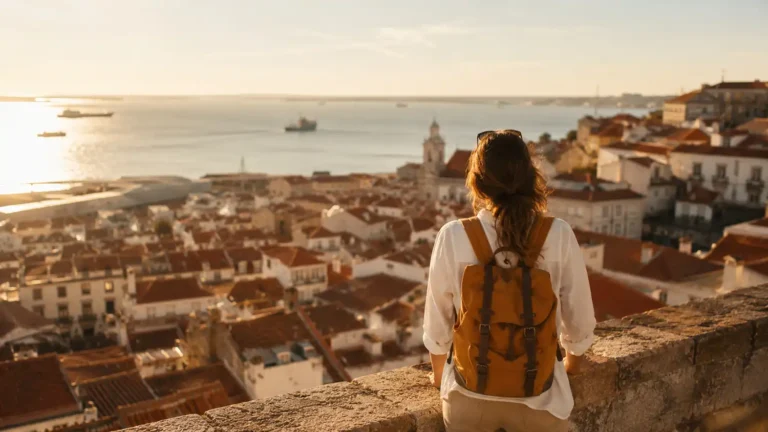
A wide-format, hyper-realistic photo of the iconic Hallgrímskirkja church in Reykjavik, with the colorful houses of the city stretching out before it under a dramatic Icelandic sky.

Basic Info

COUNTRY & Region

Iceland,
Europe

ACCESSIBILITY LEVEL​

  • High: Widely accessible with good facilities for disabilities.
  • Medium: Some accessible options, but limitations exist.
  • Low: Limited accessibility; many barriers for disabilities.
Medium

LOCAL CURRENCY​

Icelandic Króna (ISK)

Price Level

Low – budget‑friendly basics

Medium – moderate mid‑range costs

High – pricey lodging, dining & transport

High

SAFETY LEVEL

5 shields = Excellent – very low crime or conflict.

4 shields = Safe – low risk, routine care.

3 shields = Relatively safe – use normal street smarts.

2 shields = Use caution – higher crime or periodic unrest.

1 shields = Avoid – active conflict or extreme danger.

Scores are derived from multi-year peace, homicide and security indices blended into a single 1-to-5 scale.

Recommended Duration

1-7 days

Reykjavik Overview & Key Highlights

As the world's northernmost capital, Reykjavik is a city of captivating contrasts; this Reykjavik travel guide helps you plan your travel to Reykjavik and navigate its vibrant art, music, and culinary scenes. It serves as the perfect, energetic basecamp for exploring the raw, elemental nature of Iceland that lies just beyond its streets. The city is famed for its colorful houses, unique landmarks, and access to otherworldly landscapes.

Reykjavik Travel Guide: Logistics & In-Depth Tips

The Trip Overview offers just a glimpse into Reykjavik's unique character. As Iceland's cultural and economic hub, Reykjavik is a remarkably cosmopolitan city for its size, powered by clean geothermal energy. The downtown area is compact and highly walkable, centered around landmarks like the iconic Hallgrímskirkja church, whose design was inspired by basalt lava columns, and the stunning Harpa Concert Hall with its glass facade. Despite its small population, the city has a world-class creative scene, with numerous independent boutiques, design shops, and a legendary nightlife that goes late into the night, especially during the endless daylight of summer.

A key part of the Reykjavik experience is embracing the local bathing culture. Geothermal heat provides the city with numerous public swimming pools and the world-famous Blue Lagoon is just a short drive away, offering a unique opportunity to relax in mineral-rich waters. The city also serves as the main hub for all major day trips, including tours of the Golden Circle, expeditions to the South Coast, and Northern Lights chasing in the winter, making it the essential starting and ending point for any Icelandic adventure.

Reasons to Visit

  • Perfect Adventure Base: Use Reykjavik as your comfortable hub for iconic day trips like the Golden Circle, glacier hikes, and Northern Lights tours.
  • Vibrant Arts and Nightlife: Explore a world-class scene of live music, quirky art galleries, and energetic bars and clubs that punch well above the city's weight.
  • Unique Bathing Culture: Experience the local way of life by relaxing in geothermally heated public pools or indulging in the famous Blue Lagoon.
  • Stunning Architecture and Design: Admire unique Icelandic design, from the colorful houses of downtown to architectural marvels like Harpa Concert Hall and Hallgrímskirkja church.

Things to Avoid

  • Buying Bottled Water: The tap water in Reykjavik is among the purest and best-tasting in the world, and it's completely free. Buying bottled water is unnecessary and expensive.
  • Underestimating the Cost: Reykjavik is a very expensive city. Avoid sticker shock by planning your budget for food and drink carefully and looking for happy hour deals.
  • Tipping Excessively: Tipping is not customary or expected in Reykjavik, as service charges are typically included in the bill.
  • Expecting a Large Metropolis: While it's the capital, Reykjavik is a small and walkable city. Don't expect a sprawling urban jungle with a subway system.

Local Transportation Tips
The center of Reykjavik is very compact and best explored on foot. For destinations outside the downtown core, the Strætó public bus system is efficient and reliable; you can pay per ride or buy day passes using their app. There are no trains or metro services in the city. For trips to the airport and major attractions like the Blue Lagoon, dedicated coach services like Flybus are the most common option.

Travel Etiquette

  • Showering at Pools: It is mandatory and strict etiquette to shower thoroughly without a swimsuit before entering any public swimming pool or geothermal lagoon.
  • Punctuality: Icelanders are generally punctual, so on time for any tour bookings or reservations.
  • Respect Nature: When on tours outside the city, stay on marked paths and respect the fragile Icelandic nature. Do not walk on the delicate moss.
  • Quiet Hours: Be mindful of noise levels late at night, especially in residential areas, even when the summer sun is still up.

Did You Know?
Did you know? Reykjavik, which translates to "Smoky Bay," was named by the first settler, Ingólfur Arnarson, who reportedly saw steam rising from the area's geothermal hot springs and mistook it for smoke. It is also the only capital city in the world that is home to a major puffin breeding colony.

Cool Reykjavik Stats

  • Northernmost Capital: Reykjavik is the world's northernmost sovereign capital city, located at a latitude of 64.1466° N.
  • Daylight Extremes: In summer, Reykjavik enjoys nearly 21 hours of daylight around the solstice, while in winter, it receives only about 4 hours of daylight.
  • Feline Friendly: Cats are extremely popular in Reykjavik and have the unofficial status of "kings of the city," with many freely roaming the downtown neighborhoods.


Recommended Age Group

Reykjavik is most suitable for Adults and Teens due to its vibrant nightlife, sophisticated culinary scene, and cultural attractions that appeal to mature interests.

  • Babies (0-2 years): Not highly recommended. The often windy and cold weather can be harsh for babies, and navigating the city with a stroller can be challenging.
  • Kids (3-12 years): Recommended with planning. While the city itself has fewer kid-specific attractions, it serves as a good base for family-friendly nature tours, and kids may enjoy the local pools.
  • Teens (13-19 years): Highly Recommended. The unique music scene, quirky shops, and the sense of adventure make Reykjavik a cool and exciting destination for teenagers.
  • Adults (20-64 years): Highly Recommended. Reykjavik is an ideal destination for adults, offering world-class dining, a famous nightlife, fascinating museums, and easy access to Iceland's natural wonders.
  • Seniors (65+ years): Recommended. The city is safe and has excellent amenities, but seniors should be prepared for cold, windy conditions and a significant amount of walking.

Address:

Reykjavik, Iceland

Find Nearby Accommodations

Electricity

220-240V, 
50Hz

Plug Type

Type C (Round pin), Type F (Two round pins with earth clips)
Plug types
Click To View Plug Types
Reykjavik is part of our
Coolcation collection

Want a deeper experience in Reykjavik?

Explore private guides and find an experience that suits your interests.

Activities To Do In Reykjavik

Best Time To Visit Reykjavik

The best time to visit Reykjavik depends entirely on your goals: summer offers the Midnight Sun and access to all highlands, while winter brings the Northern Lights and fewer crowds.

  • Spring (April to May): A transitional season with rapidly increasing daylight. It's a good time to visit for lower prices and fewer crowds than summer, though the weather remains unpredictable.
  • Summer (June to August): The peak season with the Midnight Sun, offering nearly 24 hours of daylight. This is the best time for warm weather, outdoor festivals, and accessing all of Iceland's hiking trails and roads.
  • Autumn (September to October): A beautiful season as the landscape changes color. The Northern Lights begin to be visible again, and the summer crowds have thinned out, offering a good balance of activities and accessibility.
  • Winter (November to March): The darkest and coldest season, but also the best time to see the Northern Lights. The city feels very cozy with its Christmas lights and snow, offering a unique, magical atmosphere.

Average Temperatures Per Month

Average monthly temperaturesMonthly source values, with Celsius and Fahrenheit equivalents in the following data table.-10°14°-3°28°5°41°13°55°20°68°JanJan: 0°C / 32°FFebFeb: 0°C / 32°FMarMar: 1°C / 34°FAprApr: 4°C / 39°FMayMay: 6°C / 43°FJunJun: 9°C / 48°FJulJul: 11°C / 52°FAugAug: 11°C / 52°FSepSep: 8°C / 46°FOctOct: 5°C / 41°FNovNov: 3°C / 37°FDecDec: -1°C / 30°F
View temperature data
Average monthly temperatures
Month°C°F
Jan032
Feb032
Mar134
Apr439
May643
Jun948
Jul1152
Aug1152
Sep846
Oct541
Nov337
Dec-130
Click here for a detailed weather report for Reykjavik

Remember to check the weather forecast a few days before the trip and before heading to the airport.

Safety Level

5 shields = Excellent – very low crime or conflict.

4 shields = Safe – low risk, routine care.

3 shields = Relatively safe – use normal street smarts.

2 shields = Use caution – higher crime or periodic unrest.

1 shields = Avoid – active conflict or extreme danger.

Scores are derived from multi-year peace, homicide and security indices blended into a single 1-to-5 scale.

Reykjavik is one of the safest capitals in the world, with very low crime rates and normal precautions being standard for visitors. Keep a casual eye on personal belongings in busy tourist shopping areas and popular sights where occasional petty theft or distraction scams can occur. For any travel or excursions beyond the city, always check real-time weather and road updates via the official SafeTravel portal, as sudden atmospheric changes and natural terrain hazards pose the greatest risk.

The rating is based on multi-year peace, crime, and security indices. Before you go, always verify current conditions through official government travel advisories.

Emergency Numbers

Police: 112 (Universal)
Ambulance: 112 (Universal)

No internet needed • Includes local translations • Free for TravelingWiz readers

Spoken Languages

The official language is Icelandic, but English is spoken fluently by almost everyone.
Travel Booking Partner - TravelingWiz

Learn The Language

  • Góðan daginn (Goh-than dai-yin): Good day
  • Takk (Tahk): Thank you
  • Já (Yau): Yes
  • Nei (Nay): No
  • Skál! (Sk-owl): Cheers!
  • Hvað kostar þetta? (kvath kos-tar thet-ta): How much is this?
  • Góða nótt (Goh-tha noht): Good night
  • Einn bjór, takk (Ain byohr, tahk): One beer, please
  • Ég heiti… (Yeh hey-ti): My name is…
  • Bless (Bless): Goodbye

Trip Cost & Budgeting for Reykjavik, 2026

Everything you need to know about money while traveling
Is Reykjavik expensive for tourists in 2026? Yes, Reykjavik is notoriously high-cost, but planning ahead helps manage your daily expenses. Based on our Human Verified prices, expect to pay around 700 ISK for a cappuccino, 1,400 ISK for a domestic beer, and 4,000 ISK for a standard main meal at a mid-range restaurant. Use the data table below to calculate your specific daily budget based on your travel style.

LOCAL CURRENCY​:

Icelandic Króna (ISK)

Price Level:

Low – budget‑friendly basics

Medium – moderate mid‑range costs

High – pricey lodging, dining & transport

High

Cards Vs. Cash

Credit cards and contactless payments are accepted virtually everywhere in Reykjavik, making physical cash practically unnecessary.

How Much Cash to Carry (on you)

Per person, per day – pocket cash for small purchases.

Local: 3750
Icelandic Króna (ISK)
≈ 31 USD

Average Daily Costs (per person)

Full daily spend estimation (accommodation, food, transportation, attractions).

Travel Style
Icelandic Króna (ISK)
≈ USD ($)
Budget
20600
171
Mid-range
37450
311
Comfort
82400
684
Note

The Prices, Daily costs, and calculator results are estimates for planning purposes only. Actual costs may vary based on season, booking timing, personal spending habits, and currency fluctuations. TravelingWiz cannot be held responsible for discrepancies between these estimates and your final trip expenses.

Best Value Tips

  • • Drink pure tap water everywhere for free instead of spending money on commercial bottled water.
  • • Shop for food at discount grocery stores like Bónus or Krónan to avoid high restaurant costs.
  • • Take advantage of citywide happy hour specials between 16:00 and 19:00 for half-price drinks.
  • • Try local food halls like Hlemmur Mathöll or iconic street stalls like Bæjarins Beztu for budget-friendly meals.

Travel Offers & Coupons

Browse travel offers and coupons from our affiliate partners.
Affiliate partner offers

What To Pack

Waterproof and windproof jacket, Swimsuit for lagoons/pools, Warm layers (wool/fleece), Sturdy waterproof shoes, Sunglasses

Only the good stuff!
Browse recommended travel gear
Check out our free packing list tool

Recommended Itineraries for Traveling to Reykjavik

Take your itinerary with you

Choose a ready-made itinerary, plan your own trip, and keep TravelingWiz by your side while you travel.

Get the TravelingWiz app

Maya’s Final Checklist for Reykjavik

Logistics shouldn’t be the focus of your trip—the experience should. I’ve hand-vetted these essential partners to ensure your arrival, stay, and exploration are as smooth as an Athenian breeze.

Maya, the human travel expert at TravelingWiz, offering curated, non-AI expertise

Where to Stay

Compare accommodation options and choose a stay that suits your plans and budget.

Air Travel

Compare flight options and find a route that fits your plans.

Local Guides

Connect with local guides for personalized help planning and exploring.

Travel Protection

The “Engineer’s” rule: always have a backup. Secure your trip with a plan that covers every “what if” and unexpected change.

Car Rentals

Compare rental options and choose a car that suits your trip.

Visa Information

Don’t let paperwork slow you down. Get expert assistance with your application to ensure all your entry documents are in order.

FAQs

Yes, the downtown area of Reykjavik is very compact and easily walkable. Most major sights, restaurants, and shops are located within a small radius, making it easy to explore Reykjavik on foot.
While it is possible to see the Northern Lights from Reykjavik on a clear, dark night with strong solar activity, your chances are much better if you take a tour just outside the city to escape the light pollution.
To explore the city itself, 2 to 3 days in Reykjavik is sufficient. However, most visitors use Reykjavik as a base for day trips, so a stay of 5 to 7 days is recommended to experience both the city and the surrounding natural wonders.
The tap water in Reykjavik is not only perfectly safe to drink but is among the cleanest and purest in the world. There is no need to buy bottled water when visiting Reykjavik.
The best way to get from Keflavik Airport (KEF) to Reykjavik is by using one of the dedicated airport coach services, such as the Flybus. These buses are timed with flight arrivals and will take you to a central bus terminal or directly to your hotel.
No, you do not need to carry cash in Iceland. Credit and debit cards are accepted everywhere, even for small purchases like coffee or snacks. Since Reykjavik is an expensive city, you should prepare for significant daily spending, but electronic payments are the standard. Using a card is the most efficient way to manage your budget and avoid the hassle of local currency.
You should plan for a high cost of living, as Reykjavik is an expensive city for tourists. A standard mid-range meal for two costs around 14,000 ISK, while a beer is 1,600 ISK. To save money, shop at Bónus or Krónan grocery stores and take advantage of happy hour drink specials to help keep your total daily expenditures manageable during your stay.
No, you are not expected to tip in Reykjavik. Service charges are typically included in the final bill, and tipping culture is not customary in Iceland. You can simply pay the price listed on the menu. This helps you keep your budget predictable, as you do not need to factor in additional gratuities when calculating your daily dining costs.

Your Insights Matter

TravelingWiz grows through the stories of our community. If you’ve recently explored ,Reykjavik share your tips and stories to help us perfect our guides for the next traveler.

Where should we send your offline card?

We hate spam just as much as you do

newsletter_consent *