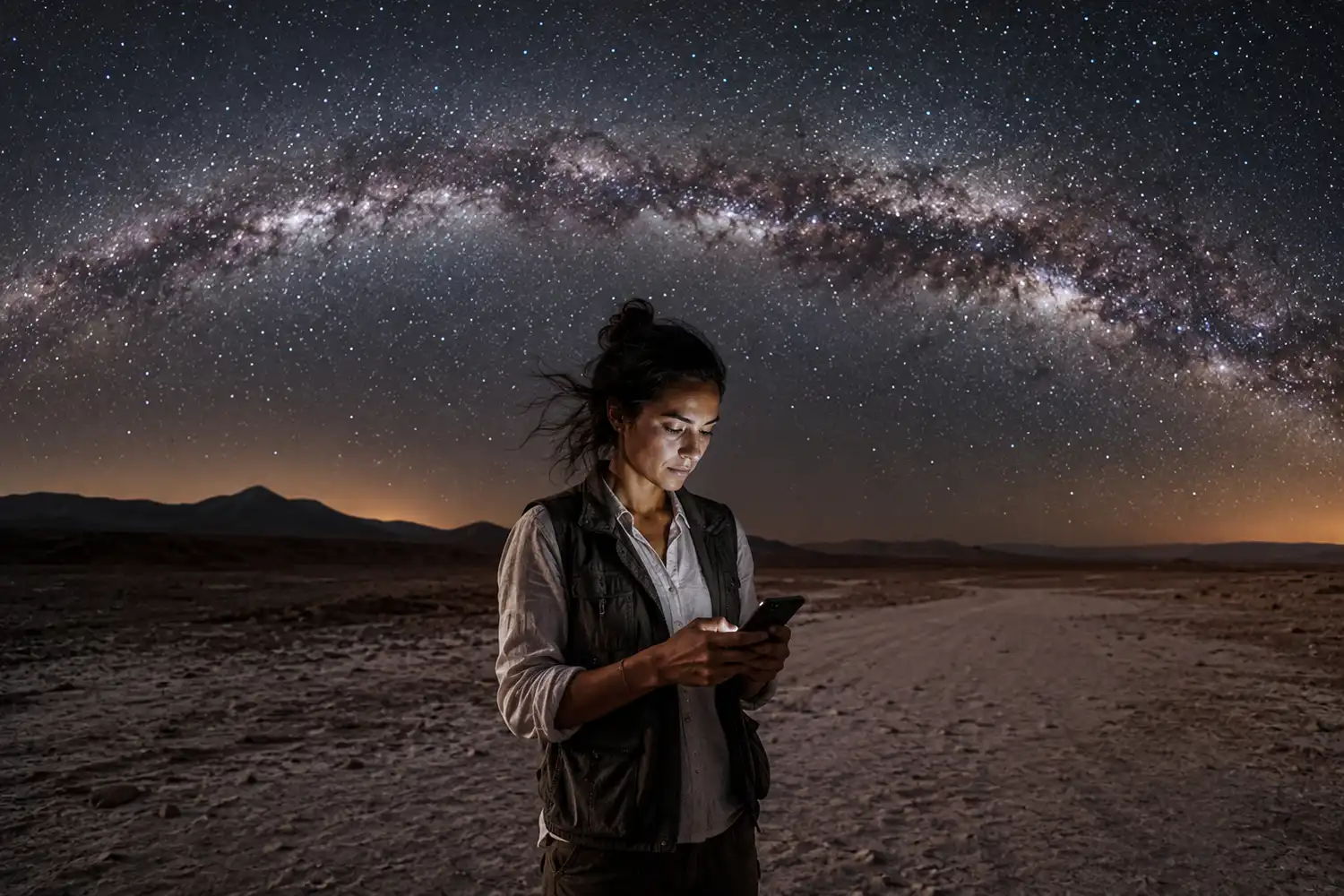
The ultimate cosmic escapes. Discover the growing world of astrotourism with certified dark sky reserves, remote observatories, and the best destinations on Earth for Northern Lights and deep space viewing.
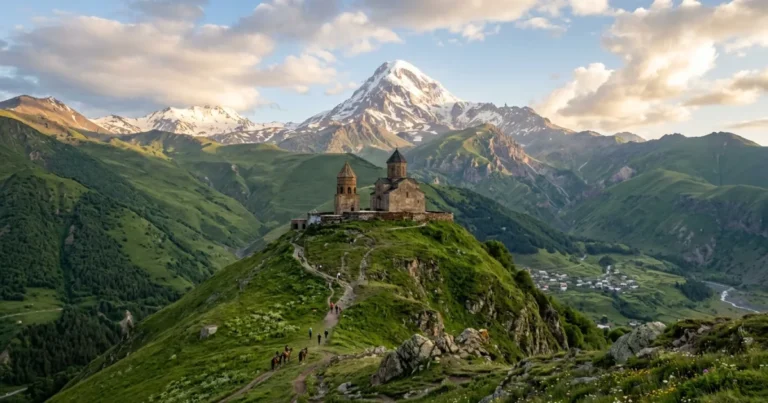
Stepantsminda, historically known as Kazbegi, is an alpine settlement located in northeastern Georgia along the historic Georgian Military Highway. Positioned...
Maya's Tip: Stargazing in remote dark-sky reserves requires specific gear. To stay warm and capture the cosmos perfectly, these are my absolute must-haves
Maya's insider tip: The heated glass roofs not only keep the alpine chill at bay but act as your own private, unobstructed observatory for the Southern Cross.
What truly sets this property apart is its dedicated astronomical observatory, allowing guests to explore the cosmos with expert astronomers right from the comfort of the lodge.
From the moment you slide directly from your villa's top floor into the crystal-clear lagoon, you realize Soneva Jani is a masterclass in playful yet unparalleled exclusivity.
What exactly makes a location a "Dark Sky Reserve"?
Certified Dark Sky Reserves are remote areas recognized internationally for their exceptional quality of starry nights. They enforce strict lighting regulations on nearby towns and properties to eliminate artificial light pollution, ensuring crystal-clear, naked-eye views of the cosmos.
Do I need to bring my own expensive telescope?
Not at all. Many of the best dark sky locations offer profound visibility of the Milky Way and constellations with just the naked eye. Furthermore, premium astrotourism lodges often provide high-end observation decks, glass-roofed rooms, and resident astronomers to guide your viewing.
When is the best time to see the Northern Lights?
The Aurora Borealis is best viewed between late September and late March in high-latitude regions (like Iceland, Norway, and Alaska) because the nights are at their longest and darkest. Keep in mind that a clear, cloudless sky is just as critical as solar activity.