

What Makes a Great Stargazing Destination?
Not every dark, remote place is a great stargazing destination. Here is what actually matters:
- Altitude: Higher ground means less atmosphere between you and the stars — the sky looks sharper and brighter
- Low humidity: Moisture in the air blurs the stars. Deserts and high plateaus are ideal
- Light pollution rules: The best destinations have local laws that limit outdoor lighting at night
- Access to guides: A knowledgeable local guide turns a dark field into an experience you will remember for years
The 7 Best Stargazing Destinations in the World
1. Atacama Desert, Chile
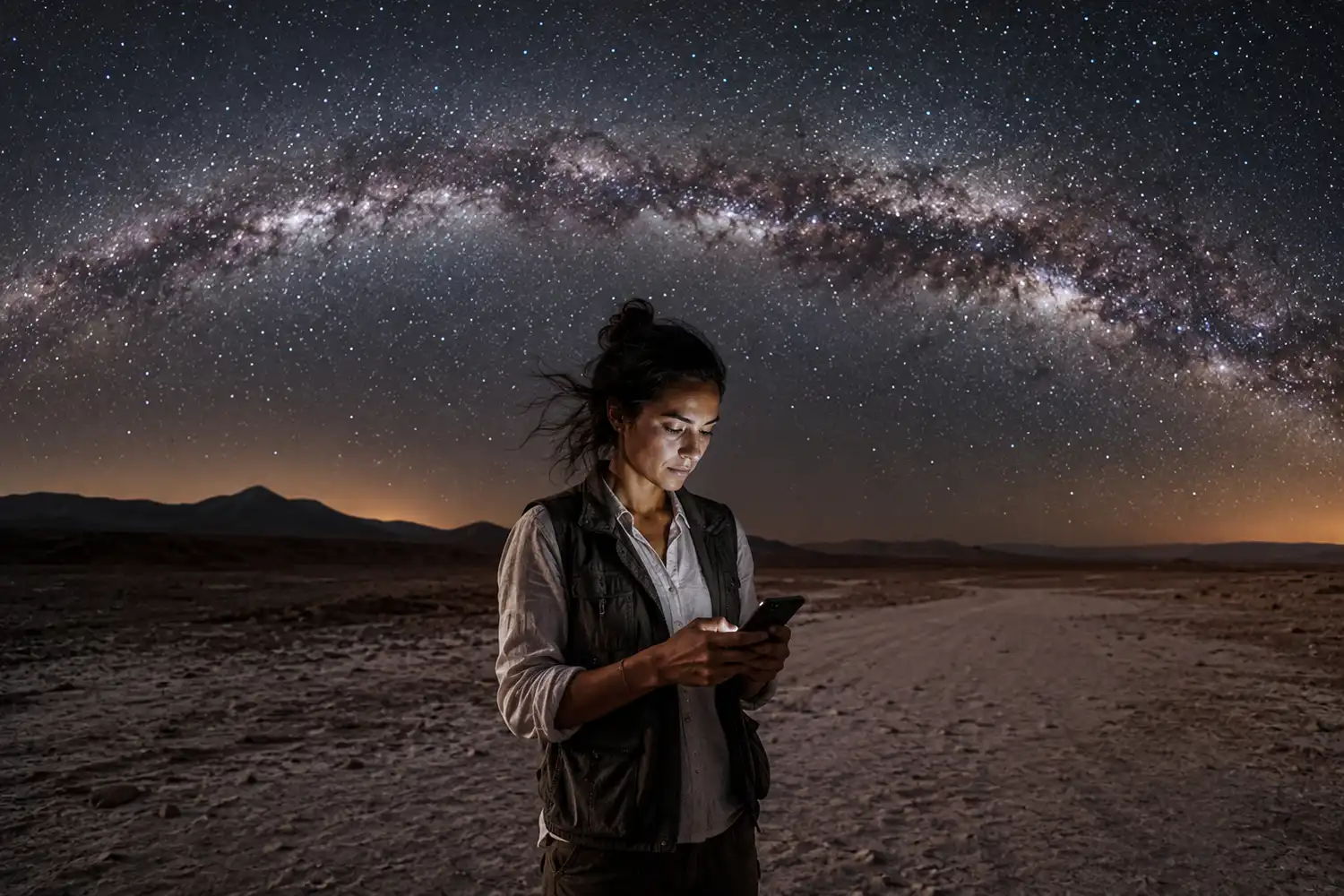
The Atacama is the world's number one stargazing destination. It sits 2,400 metres above sea level, has almost no rain (fewer than ten days per year), and almost no humidity. These conditions are so exceptional that the world's most powerful telescopes are built here.
Stargazing scorecard:
- Sky darkness: Among the darkest on Earth — Bortle Class 1–2
- Guided tours: Yes — multiple certified operators in San Pedro de Atacama
- Good for beginners: Yes — tours include telescopes and expert guides
- Budget level: $$ (mid-range guided tours, affordable town base)
What to do: Book a night session with a certified local astronomer from San Pedro de Atacama. SPACE and AstroAtacama both run excellent guided nights with telescopes provided. Note: the famous ALMA Observatory is a working scientific facility — it is closed to the public at night. Daytime weekend visits to their support centre are available, but you cannot stargaze there.
Best season: All year. Southern hemisphere winter (June–September) has the clearest skies and the best views of the Milky Way.
Tip: The altitude can cause headaches and dizziness. Rest for one full day in San Pedro before your first night out.
2. Aoraki Mackenzie Dark Sky Reserve, New Zealand
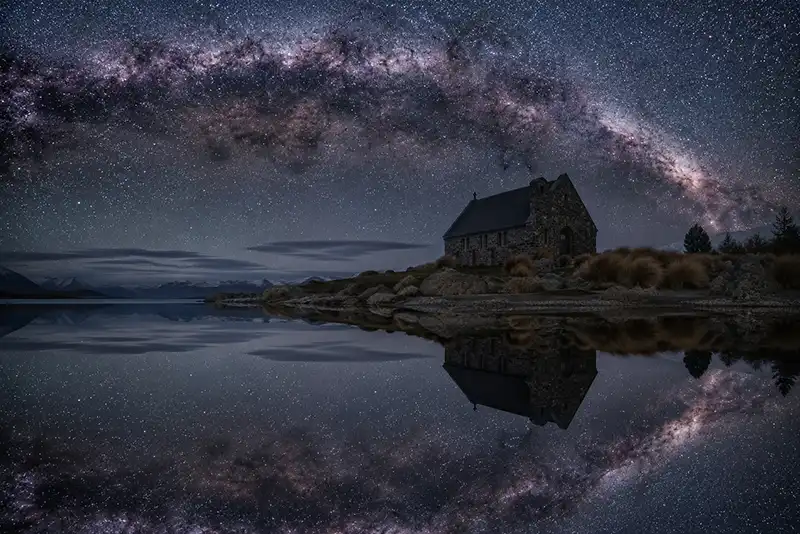
This reserve covers 4,300 square kilometers around Lake Tekapo on New Zealand's South Island. It is one of the largest dark sky reserves in the world. Because it is in the southern hemisphere, you can see the Magellanic Clouds here – two small galaxies that are neighbours to our own Milky Way, and completely invisible from Europe or North America.
Stargazing scorecard:
- Sky darkness: Bortle Class 2–3 – exceptionally dark
- Guided tours: Yes – Mt. John Observatory runs tours most clear nights
- Good for beginners: Yes – well-organized tours with explanations
- Budget level: $$ (guided tours $50–100 NZD; camping is affordable)
What to do: The Mt. John Observatory on the hill above Lake Tekapo runs guided tours every clear night. The Cowan's Observatory in the nearby town of Twizel is another good option.
Best season: June to August (New Zealand's winter) for the darkest skies. December to February is warmer but has shorter nights.
Tip: Book your observatory tour several weeks in advance in peak season – they sell out quickly.
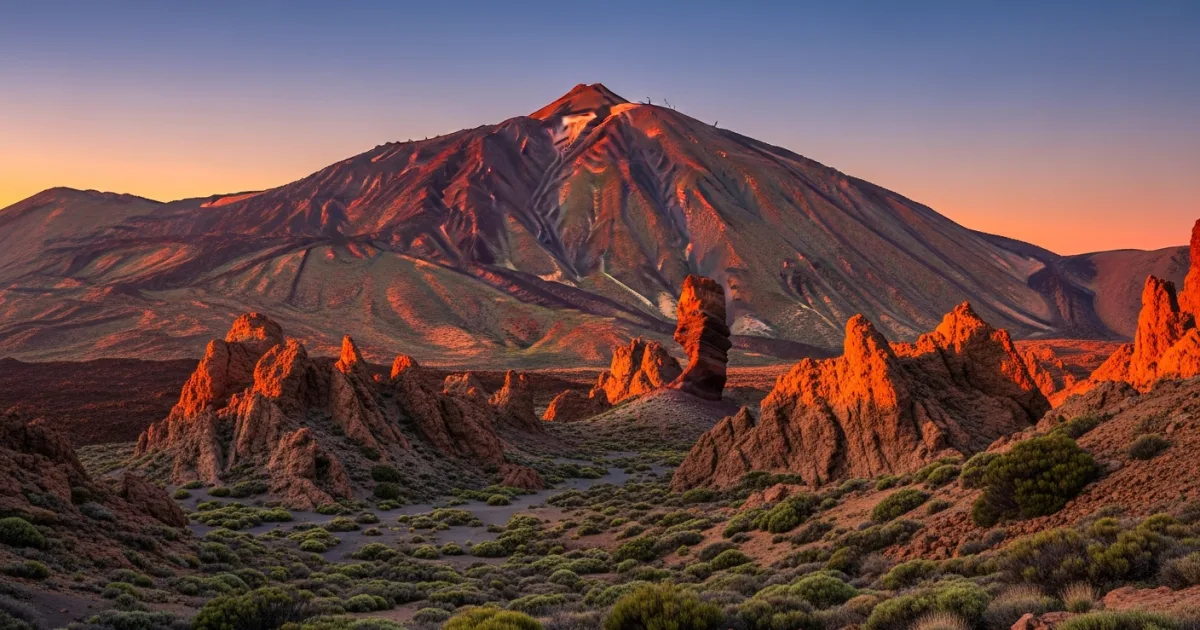
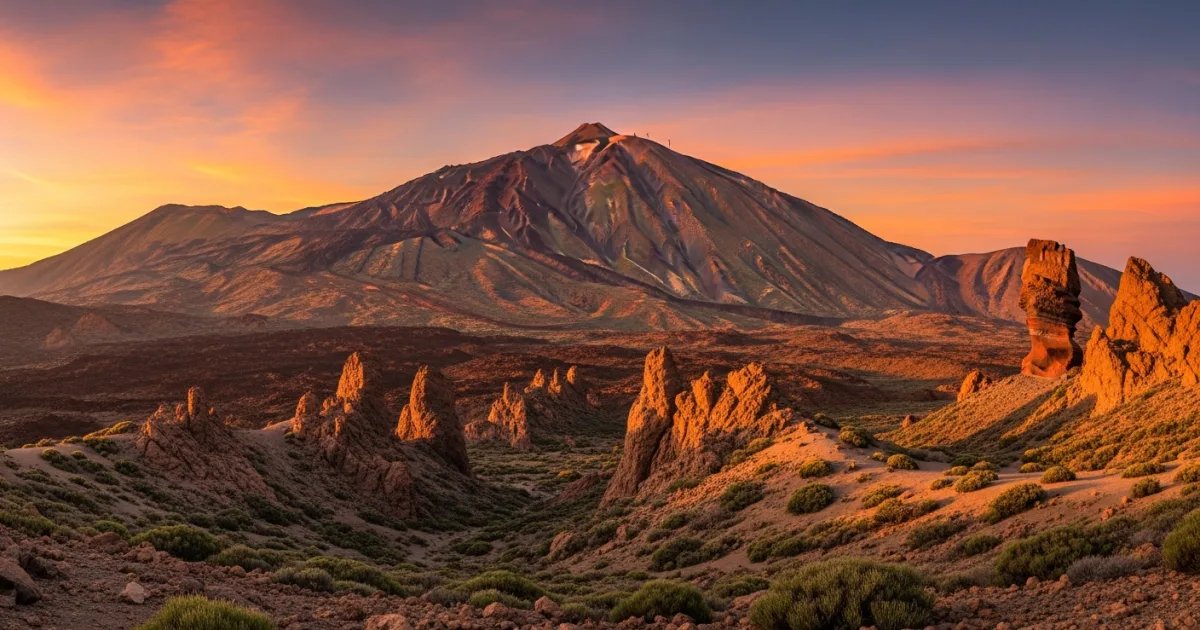
3. Canary Islands, Spain (La Palma & Tenerife)
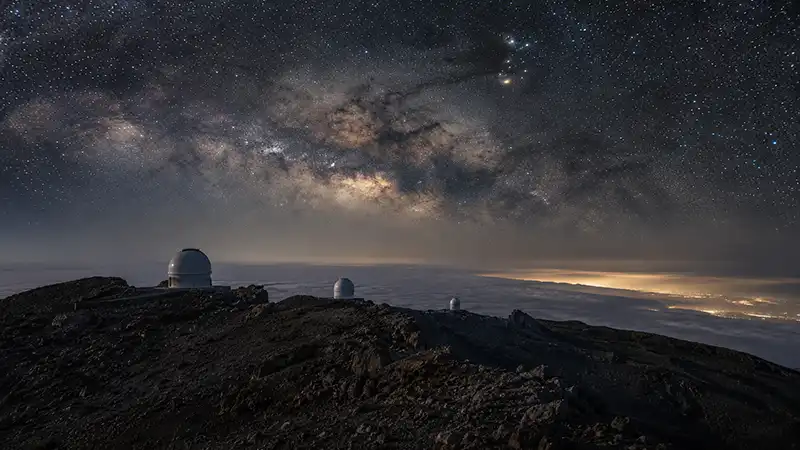
The best stargazing in Europe is on the Canary Islands, a group of Spanish islands off the coast of Africa. La Palma has been an official UNESCO Starlight Reserve since 2012. The island has strict laws about outdoor lighting, which keeps the sky dark. The Roque de los Muchachos Observatory sits at 2,400 metres — above most of the clouds.
Stargazing scorecard:
- Sky darkness: Bortle Class 2 on La Palma — among the darkest in Europe
- Guided tours: Yes — Starlight Foundation and private operators on both islands
- Good for beginners: Yes — many tour options for all levels
- Budget level: $ (tours from €30; Tenerife has more affordable options than La Palma)
What to do: The Starlight Foundation offers certified tours on La Palma. On Tenerife, Teide National Park – an IDA Dark Sky Park – gives you the Milky Way above a volcanic landscape. It is one of the most dramatic views in this guide.
Best season: Spring and autumn have the clearest skies. Summer is busier but still excellent above the clouds.
Tip: You need a car on La Palma – the best spots are only reachable by driving up to higher ground.
4. Jasper National Park, Canada
Jasper is the world's largest Dark Sky Preserve – 11,000 square kilometres of Canadian Rocky Mountains with almost no light pollution. Every October it hosts the Jasper Dark Sky Festival, which brings together astronomers, photographers, and first-time stargazers from around the world.
Stargazing scorecard:
- Sky darkness: Bortle Class 2–3 in remote areas
- Guided tours: Yes – Jasper Planetarium runs events all year
- Good for beginners: Yes – the festival especially is very welcoming to newcomers
- Budget level: $$ (national park fees apply; camping is affordable)
What to do: The annual Dark Sky Festival in October includes telescope nights, astrophotography workshops, and talks by professional astronomers. Outside festival season, the Jasper Planetarium runs regular public events.
Best season: August for the Perseid meteor shower. October for the Dark Sky Festival. Winter for Northern Lights as a bonus.
Tip: The town of Jasper itself keeps its street lights low by design. Even a short walk outside town gives you a remarkable view of the sky.
5. NamibRand Nature Reserve, Namibia
The NamibRand is Africa's first IDA Dark Sky Reserve. It is a large private nature reserve in southern Namibia – one of the least populated places on Earth. Almost no rain, almost no humidity, and almost no people. The result is one of the darkest, clearest skies anywhere on the continent.
Stargazing scorecard:
- Sky darkness: Bortle Class 1–2 – among the darkest in the world
- Guided tours: Yes – lodge-based stargazing sessions included at most properties
- Good for beginners: Yes – lodges handle everything for you
- Budget level: $$$ (premium safari lodges; not a budget destination)
What to do: Most visitors combine stargazing with a safari. Lodges like Wolwedans and Little Kulala include night sky sessions in their programs. On any clear night, the Milky Way is bright enough to see clearly without a telescope.
Best season: May to October (the dry season) for both clear skies and the best wildlife viewing.
Tip: This is a high-end destination. Plan to combine it with a road trip through Namibia to make the most of the long journey.
Combining this with a wildlife trip? Read our complete guide to planning a safari in Africa before you book.
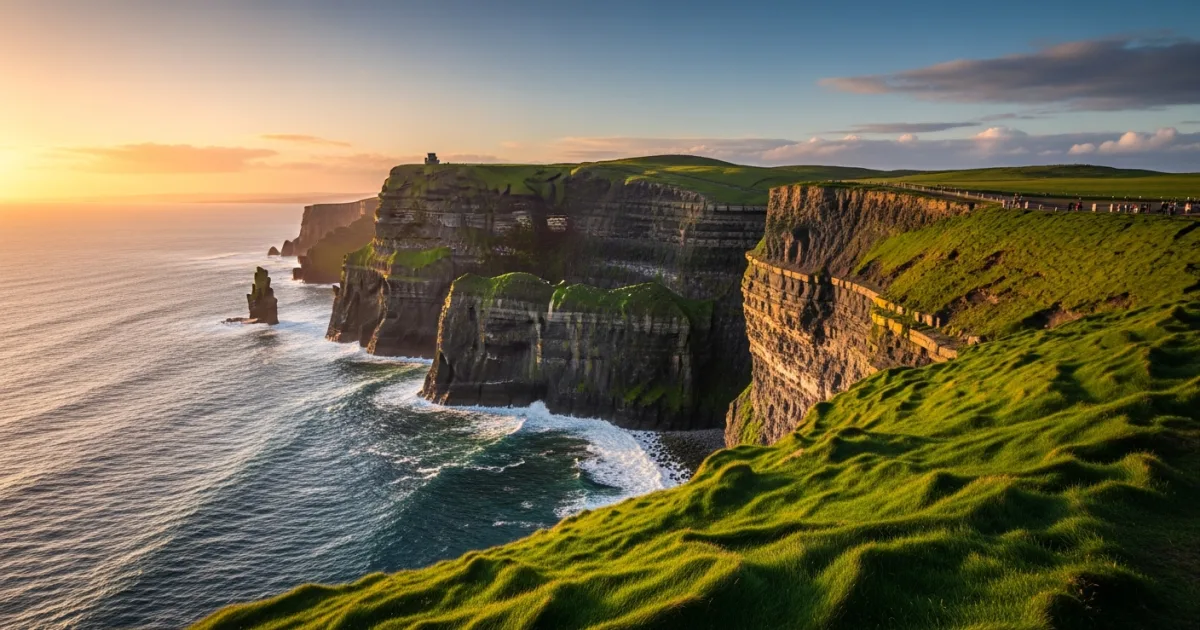
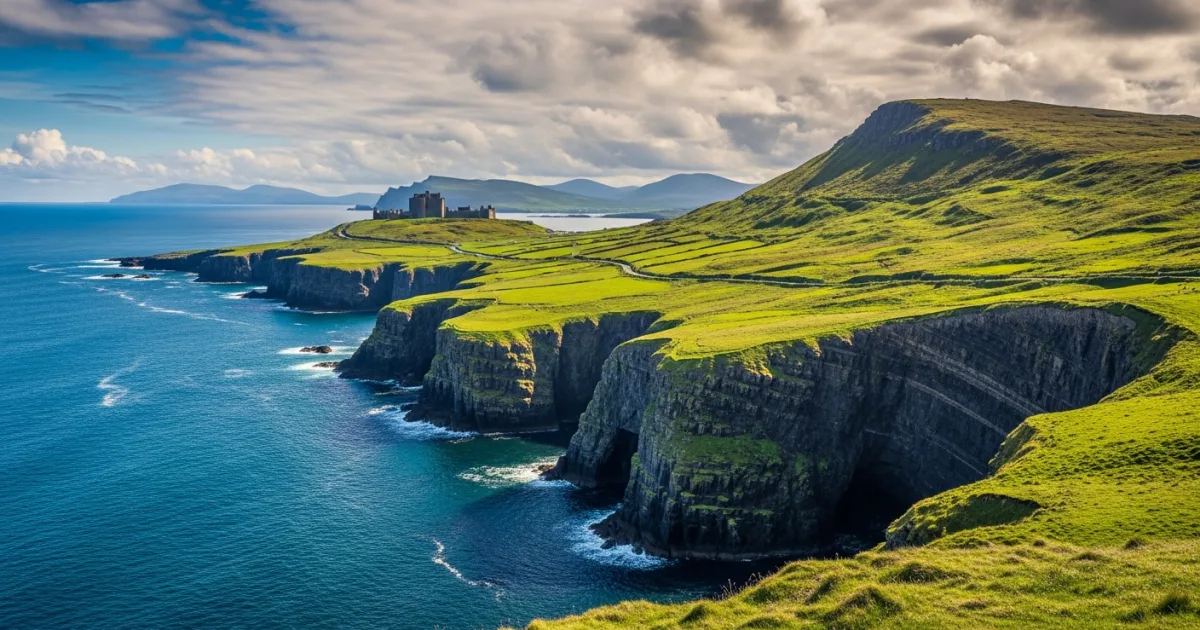
6. Kerry Dark Sky Reserve, Ireland
If you want world-class stargazing without leaving Europe, Kerry in southwest Ireland is the answer. The reserve covers the Iveragh and Beara peninsulas in County Kerry and holds Gold Tier status — the highest level of dark sky certification.
Stargazing scorecard:
- Sky darkness: Bortle Class 2–3 on clear nights – Gold Tier certified
- Guided tours: Yes – Kerry Dark Sky runs regular guided experiences
- Good for beginners: Yes – well-run tours with patient guides
- Budget level: $ (one of the most affordable destinations on this list)
What to do: Kerry Dark Sky runs guided sessions from their Cill Rialaig base. The Wild Atlantic Way coastal drive passes many pull-off points where you can stop and look up.
Best season: Autumn and winter have the longest nights. The Northern Lights occasionally appear this far south when solar activity is high.
Tip: Irish weather can change quickly. Always plan a backup night, and book accommodation with free cancellation.
7. Big Bend National Park, USA
Big Bend is one of the least-visited national parks in the United States – and one of the best for stargazing. It holds Gold Tier Dark Sky Park status and sits deep in southwest Texas, far from any major city.
Stargazing scorecard:
- Sky darkness: Bortle Class 2 – one of the darkest skies in the continental US
- Guided tours: Yes – McDonald Observatory runs public Star Parties nearby
- Good for beginners: Yes – Star Parties are designed for all experience levels
- Budget level: $ (national park entry fee; camping is very affordable)
What to do: The McDonald Observatory, about two hours north of the park, runs Star Parties several nights each week. These are among the best public stargazing events in the USA. Inside the park, the Chisos Basin Campground is a great base.
Best season: Spring (March–May) and autumn (September–November) for comfortable temperatures. Winter nights are cold but very clear.
Tip: Download a star map app – Sky Map or SkySafari – before you arrive. There is almost no phone signal inside the park.
How to Plan Your First Stargazing Trip
What Type of Experience Do You Want?
- Just watching: Choose a destination with guided tours – no equipment needed. Atacama, New Zealand, and Canary Islands are all excellent first choices
- Photography: Look for places with a dramatic landscape – desert dunes, volcanic peaks, mountain lakes – to include in the foreground of your photos
- Deep learning: Look for observatory access, astronomy festivals, or multi-night retreats (Jasper's Dark Sky Festival is ideal)
What to Pack
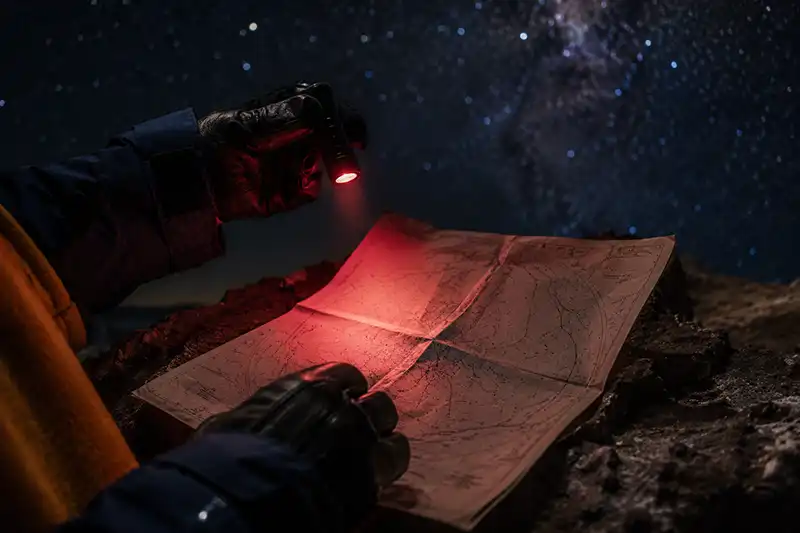
- Red-light torch: White light destroys your night vision for up to 30 minutes. A red torch lets you see your gear without ruining the experience for yourself or others
- Warm layers: The temperature drops sharply at night – even in warm countries like Chile and Namibia
- Binoculars: A pair of 10×50 astronomy binoculars shows you far more than your eyes alone – without the complexity of a telescope. This is the best first upgrade for a new astrotourist
- Camera: If you want to photograph the night sky, you need a camera with a manual mode and the ability to take long exposures (20–30 seconds minimum)
When to Go
- Plan around the new moon: A full moon is as bright as a streetlight – it washes out the stars. The best nights are in the 3–4 days before and after a new moon
- Meteor showers: The Perseids in August and the Leonids in November are the most reliable annual showers
- Milky Way season: In the northern hemisphere, the Milky Way is best seen from April to October