Disclosure: This site contains affiliate links. We may earn a commission if you make a purchase, at no extra cost to you.

Basic Info

COUNTRY & Region

Canada,
North America

ACCESSIBILITY LEVEL​

  • High: Widely accessible with good facilities for disabilities.
  • Medium: Some accessible options, but limitations exist.
  • Low: Limited accessibility; many barriers for disabilities.
High

LOCAL CURRENCY​

Canadian Dollar (CAD)

Price Level

Low – budget‑friendly basics

Medium – moderate mid‑range costs

High – pricey lodging, dining & transport

High

SAFETY LEVEL

5 shields = Excellent – very low crime or conflict.

4 shields = Safe – low risk, routine care.

3 shields = Relatively safe – use normal street smarts.

2 shields = Use caution – higher crime or periodic unrest.

1 shields = Avoid – active conflict or extreme danger.

Scores are derived from multi-year peace, homicide and security indices blended into a single 1-to-5 scale.

Recommended Duration

1-7 days, More than a week

Canada Overview & Key Highlights

Canada is known for its incredible natural beauty, from towering mountains and dense forests to crystal-clear lakes. It offers a mix of bustling cities, historic sites, and scenic landscapes that provide a wide range of activities for all types of travelers. With its rich cultural heritage, varied wildlife, and vibrant urban areas, Canada is a perfect destination for adventure seekers, nature lovers, and culture enthusiasts alike.

Canada Travel Guide: Logistics & In-Depth Tips

Canada offers a vast array of experiences, from cosmopolitan city centers brimming with arts, culture, and entertainment to the majestic wilderness landscapes that define its natural heritage. With its welcoming cities, famous hospitality, and endless outdoor activities, Canada is a country that leaves a lasting impression on travelers. Here's a deeper dive into what Canada has to offer:

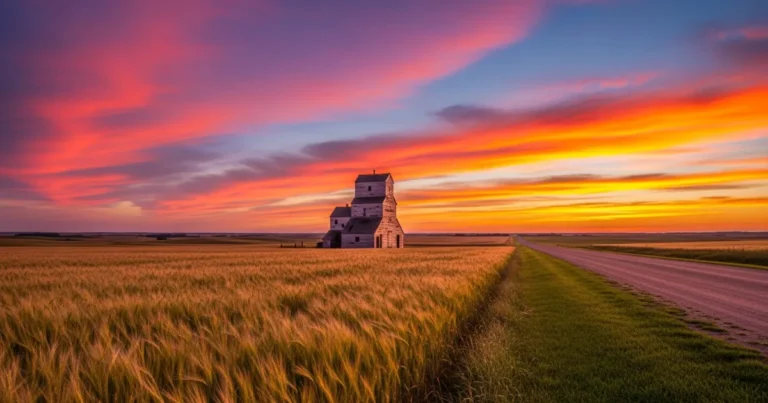
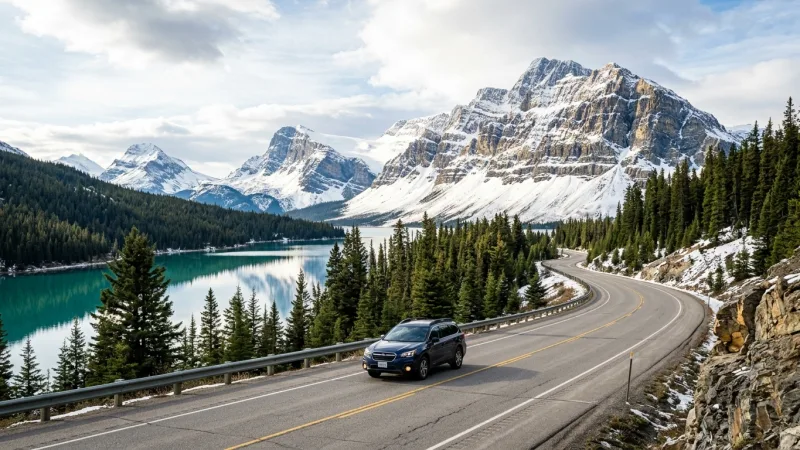
  • Natural Wonders: Canada is home to some of the world’s most beautiful national parks and wilderness areas, including Banff, Jasper, Yoho, and Gros Morne National Parks. The country’s diverse ecosystems offer everything from snow-capped peaks and alpine lakes to dense forests and open prairies. For those visiting the coasts, the Atlantic and Pacific oceans offer stunning shorelines and whale-watching opportunities.
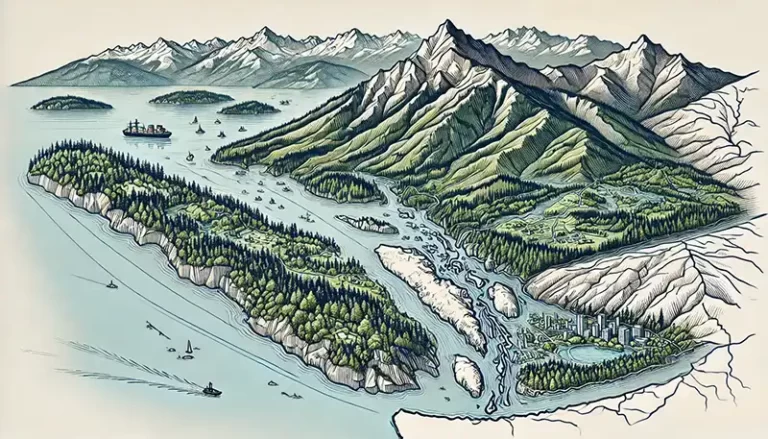
  • Vibrant Cities: Major Canadian cities each have unique identities. Toronto is known for its multicultural energy and iconic landmarks like the CN Tower; Vancouver is a bustling West Coast hub surrounded by mountains and water; Montreal and Quebec City offer European charm mixed with French-Canadian culture; and Ottawa, the capital city, combines historical attractions with a dynamic arts scene.
  • Rich Indigenous and Multicultural Heritage: Canada honors its Indigenous roots and multicultural society, with vibrant celebrations, art exhibits, and cultural centers across the country. Learn about Indigenous history and contemporary culture through festivals, museums, and sacred sites like Head-Smashed-In Buffalo Jump and the Haida Heritage Centre. The nation’s multiculturalism can also be experienced through culinary diversity, festivals, and neighborhoods celebrating different communities and traditions.
  • Unique Wildlife: Canada is known for its remarkable biodiversity. In various regions, you may encounter grizzly bears, polar bears, moose, wolves, caribou, and diverse bird species. British Columbia, Alberta, and Northern Canada offer some of the best wildlife-viewing opportunities, including guided tours to see polar bears in Churchill, Manitoba, or orcas off Vancouver Island’s coast.
  • Year-Round Outdoor Activities: Adventure-seekers will find endless activities in Canada. Summer months are ideal for hiking, kayaking, and camping, with numerous trails and routes offering options for all skill levels. In winter, Canada’s world-class ski resorts—such as Whistler Blackcomb and Lake Louise—are popular for skiing, snowboarding, and other winter sports. Ice skating, dog sledding, and ice fishing are also popular winter activities.
  • Celebrated Food Scene: From food trucks in Vancouver to fine dining in Montreal, Canada’s culinary landscape is rich and varied. Don’t miss out on local specialties like poutine (fries with cheese curds and gravy), tourtière (meat pie), butter tarts, and Indigenous cuisine, which is making a resurgence in cities like Winnipeg and Toronto. Canada is also known for fresh seafood on both coasts, including lobster, salmon, and oysters.


Reasons to Visit:

  • Explore Diverse Landscapes: Canada’s geography varies from rugged mountains and prairies to lush forests and vibrant coastlines, each offering unique sights and activities.
  • Experience Four Distinct Seasons: Each season in Canada provides different experiences, from vibrant fall foliage and winter wonderlands to blooming spring landscapes and sunny summer days.
  • Celebrate Local Festivals: Canada hosts some of the world’s best festivals, including the Calgary Stampede, Montreal Jazz Festival, and the Toronto International Film Festival, providing insight into Canadian culture and spirit.
  • Immerse in Art and History: Many Canadian cities are home to exceptional museums, galleries, and historical sites, including the Canadian Museum for Human Rights, Royal Ontario Museum, and Quebec City’s Old Town, a UNESCO World Heritage site.
  • Encounter Unique Wildlife: Canada’s extensive wilderness allows for incredible wildlife encounters, from polar bears in Churchill to whale watching on the coastlines.


Things to Avoid:

  • Overlooking Travel Distances: Canada is the second-largest country in the world, so distances between cities and sites can be vast. Plan your itinerary with travel time in mind, and consider flying between distant destinations for convenience.
  • Underestimating the Weather: Canadian weather can be unpredictable, especially in winter. Dress in layers and check local weather forecasts to ensure you’re prepared.
  • Skipping National Parks Due to Season: Even in winter, Canada’s national parks offer unique experiences, including winter sports, so they’re worth visiting year-round.
  • Wildlife Encounters Without Guidance: While it’s thrilling to see wildlife, it’s important to keep a respectful distance and not attempt close encounters. Guided tours provide a safer experience.
  • Relying Solely on Urban Transit Outside of Major Cities: Public transportation may be limited outside of large urban centers, so renting a car can be a more practical choice for exploring remote areas.


Accessibility Level: High

Major cities and attractions in Canada offer excellent accessibility, with public transportation, accessible accommodations, and many tourist sites equipped for wheelchair access.

Address:

Canada, North America

Find Nearby Accommodations

Electricity

110-120V, 
60Hz

Plug Type

Type A (Flat blade), Type B (Flat blade with grounding pin)
Plug types
Click To View Plug Types
Canada is part of our
Accessible Travel collection

Want a deeper experience in Canada?

Explore private guides and find an experience that suits your interests.

Activities To Do In Canada

Best Time To Visit Canada

The best time to visit Canada depends on the experience you’re looking for, but generally, June to September offers the most pleasant weather.

  • Spring (April to May): Mild temperatures and blooming landscapes, perfect for city exploration and nature hikes.
  • Summer (June to August): Ideal for outdoor activities, especially in national parks. Popular season for festivals and city events.
  • Autumn (September to October): Stunning fall foliage in areas like Ontario and Quebec; cooler temperatures and fewer crowds.
  • Winter (November to March): Great for winter sports like skiing and snowboarding, especially in places like Whistler, Banff, and Mont-Tremblant.

Average Temperatures Per Month

Average monthly temperaturesMonthly source values, with Celsius and Fahrenheit equivalents in the following data table.-25°-13°-13°10°0°32°13°55°25°77°JanJan: -17°C / 1°FFebFeb: -19°C / -2°FMarMar: -9°C / 16°FAprApr: -1°C / 30°FMayMay: 8°C / 46°FJunJun: 15°C / 59°FJulJul: 17°C / 63°FAugAug: 16°C / 61°FSepSep: 11°C / 52°FOctOct: 2°C / 36°FNovNov: -8°C / 18°FDecDec: -16°C / 3°F
View temperature data
Average monthly temperatures
Month°C°F
Jan-171
Feb-19-2
Mar-916
Apr-130
May846
Jun1559
Jul1763
Aug1661
Sep1152
Oct236
Nov-818
Dec-163

Remember to check the weather forecast a few days before the trip and before heading to the airport.

Safety Level

5 shields = Excellent – very low crime or conflict.

4 shields = Safe – low risk, routine care.

3 shields = Relatively safe – use normal street smarts.

2 shields = Use caution – higher crime or periodic unrest.

1 shields = Avoid – active conflict or extreme danger.

Scores are derived from multi-year peace, homicide and security indices blended into a single 1-to-5 scale.

Canada is generally an extremely safe destination for tourists, with routine safety precautions being sufficient for a smooth visit. Be mindful of opportunistic petty theft, such as pickpocketing or vehicle break-ins, in crowded tourist spots and major metropolitan areas. If outdoor activities or travel to wilderness regions are on your itinerary, stay updated on local weather forecasts and seasonal natural conditions like summer wildfires or severe winter storms.

The rating is based on multi-year peace, crime, and security indices. Before you go, always verify current conditions through official government travel advisories.

Emergency Numbers

Police: 911
Ambulance: 911

No internet needed • Includes local translations • Free for TravelingWiz readers

Spoken Languages

The official languages are English and French, though English is most widely spoken outside Quebec.
Travel Booking Partner - TravelingWiz

Learn The Language

  • Hello – Bonjour
  • Thank you – Merci
  • Yes – Oui
  • No – Non
  • How much? – Combien ça coûte?
  • Where is…? – Où est…?
  • Excuse me – Excusez-moi
  • Please – S’il vous plaît
  • Good morning – Bon matin
  • Goodbye – Au revoir

Trip Cost & Budgeting for Canada, 2026

Everything you need to know about money while traveling
Is Canada expensive for tourists in 2026? Yes, visiting Canada leans toward the higher side for travelers, but costs remain manageable with smart planning. Expect to pay around CAD 5.30 for a cappuccino, CAD 8.00 for a pint of domestic beer, and CAD 30.00 for a standard mid-range restaurant meal. Based on Human Verified prices, daily expenses add up quickly in major cities. Use the data table below to calculate your specific daily budget based on your travel style.

LOCAL CURRENCY​:

Canadian Dollar (CAD)

Price Level:

Low – budget‑friendly basics

Medium – moderate mid‑range costs

High – pricey lodging, dining & transport

High

Cards Vs. Cash

Credit cards and contactless payments are accepted almost everywhere across Canada, making cash rarely necessary for daily spending.

How Much Cash to Carry (on you)

Per person, per day – pocket cash for small purchases.

Local: 25
Canadian Dollar (CAD)
≈ 18 USD

Average Daily Costs (per person)

Full daily spend estimation (accommodation, food, transportation, attractions).

Travel Style
Canadian Dollar (CAD)
≈ USD ($)
Budget
150
108
Mid-range
270
194
Comfort
590
425
Note

The Prices, Daily costs, and calculator results are estimates for planning purposes only. Actual costs may vary based on season, booking timing, personal spending habits, and currency fluctuations. TravelingWiz cannot be held responsible for discrepancies between these estimates and your final trip expenses.

Best Value Tips

  • • Take advantage of public transit day passes in major cities like Toronto, Montreal, and Vancouver instead of relying on rideshares.
  • • Look for lunch specials or happy hour food deals to dine at top-tier restaurants for significantly lower prices.
  • • Purchase a Parks Canada Discovery Pass if visiting multiple national parks like Banff, Jasper, or Cape Breton.
  • • Travel during shoulder seasons like May or September to enjoy lower hotel rates and fewer crowds.

Travel Offers & Coupons

Browse travel offers and coupons from our affiliate partners.
Affiliate partner offers

What To Pack

Pack depending on the season and region. For summer, bring comfortable hiking attire, light layers, and rainproof gear. In winter, pack insulated jackets, gloves, and winter boots if you’re visiting colder regions or ski destinations. Regardless of the season, always bring layers, as temperatures can vary throughout the day

Only the good stuff!
Browse recommended travel gear
Check out our free packing list tool

Recommended Itineraries for Traveling to Canada

Take your itinerary with you

Choose a ready-made itinerary, plan your own trip, and keep TravelingWiz by your side while you travel.

Get the TravelingWiz app

Maya’s Final Checklist for Canada

Logistics shouldn’t be the focus of your trip—the experience should. I’ve hand-vetted these essential partners to ensure your arrival, stay, and exploration are as smooth as an Athenian breeze.

Maya, the human travel expert at TravelingWiz, offering curated, non-AI expertise

Where to Stay

Compare accommodation options and choose a stay that suits your plans and budget.

Air Travel

Compare flight options and find a route that fits your plans.

Local Guides

Connect with local guides for personalized help planning and exploring.

Travel Protection

The “Engineer’s” rule: always have a backup. Secure your trip with a plan that covers every “what if” and unexpected change.

Car Rentals

Compare rental options and choose a car that suits your trip.

Visa Information

Don’t let paperwork slow you down. Get expert assistance with your application to ensure all your entry documents are in order.

FAQs

The best time to visit Canada is during summer (June to September) for pleasant weather, although each season offers unique experiences.
Yes, Canada is generally very safe, with low crime rates, especially in major cities and tourist areas.
Most travelers from certain countries require an eTA (Electronic Travel Authorization) for entry; check requirements based on your nationality.
Yes, Canada is co-hosting the 2026 FIFA World Cup from June 11 to July 19, 2026, with matches taking place in Toronto and Vancouver. Travelers should expect larger crowds, higher accommodation prices, and should book flights and hotels well in advance.
Yes, especially in northern regions like Yukon, Northwest Territories, and parts of British Columbia during winter.
Yes, you can safely drink tap water across Canada, as municipal systems adhere to strict federal and provincial health standards. Bringing a reusable water bottle allows you to stay hydrated easily whether you are exploring urban centers or hiking through national parks.
Yes, renting a car is highly recommended if you plan to visit national parks or scenic rural regions. While major hubs like Toronto, Montreal, and Vancouver feature dependable public transit, Canada spans massive distances, and public transportation options become extremely limited once you leave major metropolitan areas.
No, you rarely need physical cash because contactless mobile payments, credit cards, and debit cards are accepted almost everywhere across Canada. Keeping a small reserve of cash is only necessary for emergencies or remote outposts. For detailed daily expense planning, refer to the Budget section on this page.
No, you do not need to speak French to travel comfortably in Canada. English is the primary language spoken in most provinces. Even when visiting Quebec, hospitality workers and businesses in popular destinations like Montreal and Quebec City readily communicate in English, though polite French greetings are always appreciated.

Your Insights Matter

TravelingWiz grows through the stories of our community. If you’ve recently explored ,Canada share your tips and stories to help us perfect our guides for the next traveler.

Where should we send your offline card?

We hate spam just as much as you do

newsletter_consent *