The Northwest Territories (NWT) is a land of extremes and unparalleled natural beauty, offering a profound sense of isolation and adventure. Covering a massive expanse of Northern Canada, it is home to deep lakes, rolling tundra, and the spectacular Mackenzie River. Yellowknife, the capital, sits on the northern shore of Great Slave Lake and acts as the hub for most expeditions. Beyond the city limits, the territory unfolds into vast wilderness areas like Nahanni National Park Reserve, a UNESCO World Heritage site famous for Virginia Falls, which drops twice the height of Niagara.
The region's cultural landscape is equally rich, shaped by the Dene, Inuvialuit, and Métis peoples who have thrived in this harsh environment for millennia. Visitors can engage with this heritage through community-led tours, traditional arts, and storytelling. Whether you are driving the famous ice roads in the dead of winter, paddling wild rivers under the midnight sun, or watching the sky dance with the aurora borealis from a remote wilderness lodge, the NWT provides a transformative travel experience that challenges and rewards the intrepid explorer.
Reasons to Visit
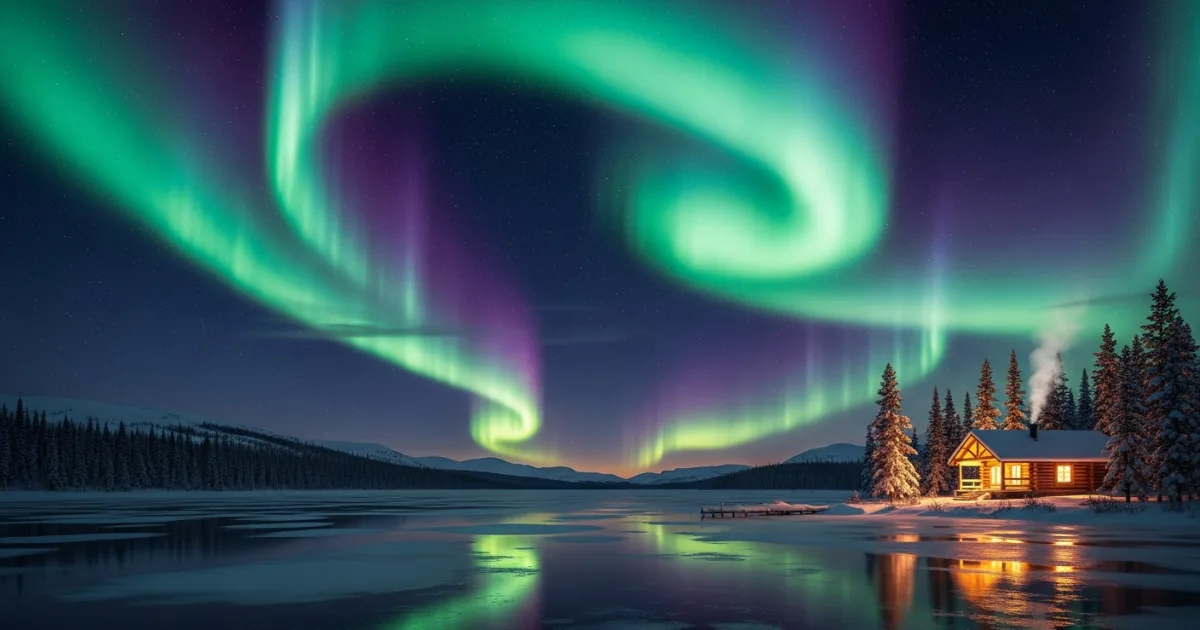
- World-Class Aurora Viewing: Yellowknife is widely considered the best place in the world to view the Northern Lights due to its location directly beneath the auroral oval.
- Untamed Wilderness: Explore the majestic canyons of Nahanni National Park Reserve and the vast expanses of Wood Buffalo National Park.
- Indigenous Culture: Authentic opportunities to learn from the Dene, Inuvialuit, and Métis communities through guided experiences and art.
- Midnight Sun: Experience 24 hours of daylight during the summer months for endless outdoor activities like fishing and hiking.
- Unique Winter Adventures: Drive on official ice roads, go dog sledding through the boreal forest, and try traditional ice fishing.
Things to Avoid
- Underestimating the Cold: Winter temperatures can drop below -40°C; inadequate clothing is dangerous and can lead to frostbite quickly.
- Ignoring Wildlife Safety: Never approach bears, bison, or other wild animals. Always carry bear spray in the summer and know how to use it.
- Relying Solely on Cell Service: Cellular coverage is virtually non-existent outside of major communities; carry a satellite phone or emergency beacon for remote trips.
- Disrespecting Local Customs: Always ask permission before photographing Indigenous locals, their property, or cultural ceremonies.
Local Transportation Tips
Transportation in the Northwest Territories requires careful planning. Yellowknife has a limited public transit system and taxis, but renting a car is highly recommended for exploring the immediate surrounding areas like the Ingraham Trail. For traveling between distant communities, flying is often the only option, with regional airlines like Canadian North providing essential links. During the winter, a network of ice roads connects remote towns, offering a unique driving experience, though a 4x4 vehicle is advised. In the summer, waterways become the highways, and chartering floatplanes or boats is common for reaching wilderness lodges and national parks.
Travel Etiquette
- Respect the Land: Follow Leave No Trace principles strictly, as the Arctic and sub-Arctic ecosystems are highly fragile and slow to recover.
- Cultural Sensitivity: Use the term 'Indigenous' rather than 'Indian', and respect the specific names of First Nations, Inuit, and Métis groups.
- Punctuality: While commercial tours run on schedule, embrace 'Northern Time'—a more relaxed, flexible approach to daily life in smaller communities.
- Tipping: Tipping 15-20% in restaurants and for tour guides is standard practice, similar to the rest of Canada.
Recommended Age Group
The Northwest Territories offers incredible experiences, but its extreme climate and remote nature make it better suited for certain age groups.
- Babies (0-2 years): Not Recommended. Extreme temperatures and remote locations make logistics and safety challenging for infants.
- Kids (3-12 years): Neutral. While older kids might enjoy the snow and nature, the extreme cold and long travel times can be demanding.
- Teens (13-19 years): Recommended. Teenagers will appreciate the adventurous activities like dog sledding, snowmobiling, and hiking.
- Adults (20-64 years): Recommended. Ideal for adults seeking off-grid adventures, cultural immersion, and astrotourism.
- Seniors (65+ years): Neutral. Accessible aurora viewing lodges exist, but the harsh climate and uneven terrain require careful planning.
Accessibility Level: Medium
- Wheelchair accessibility is generally limited outside of Yellowknife's main hotels, restaurants, and museums.
- Some premium Aurora viewing lodges offer accessible viewing decks and heated cabins, but it is essential to verify in advance.
- Winter conditions, including heavy snow and ice, make mobility challenging for several months of the year.
- Paratransit services are available in Yellowknife but require advance booking and registration.
- Remote wilderness lodges and national parks are largely inaccessible to travelers with severe mobility impairments due to rugged terrain and floatplane access.
Did You Know?
The Northwest Territories is home to Great Bear Lake, the largest lake entirely within Canada, and Great Slave Lake, the deepest lake in North America, reaching astonishing depths of over 614 meters (2,014 feet).
Cool Statistics
- Aurora Nights: The Northern Lights are visible an average of 240 nights a year in the NWT.
- Land Mass: The territory covers 1.14 million square kilometers, roughly the size of France, Spain, and Portugal combined.
- Population Density: With only about 45,000 residents, it has one of the lowest population densities in the world.
- Virginia Falls: Located in Nahanni National Park, it has a vertical drop of 90 meters (295 feet), twice the height of Niagara Falls.






Buy a compatible power adapter for your trip