Disclosure: This site contains affiliate links. We may earn a commission if you make a purchase, at no extra cost to you.

>
>
>
Nunavut
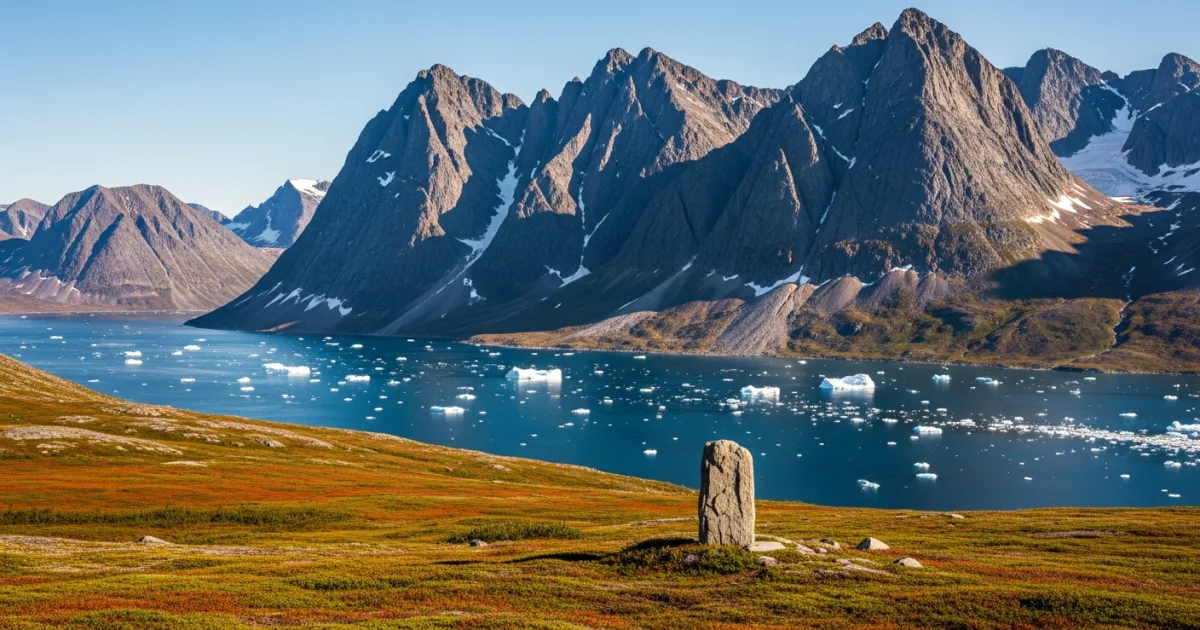
Dramatic fjord and tundra landscape in Nunavut, Canada

Nunavut Overview & Key Highlights

Nunavut is Canada's largest and northernmost territory, encompassing a vast expanse of the Canadian Arctic Archipelago. Known for its pristine, untouched wilderness, this remote region offers unparalleled opportunities to witness majestic wildlife such as polar bears, narwhals, and caribou in their natural habitats. Visitors are drawn to its dramatic landscapes, which feature towering glaciers, deep fjords, and expansive tundra that stretches as far as the eye can see. Traveling to Nunavut requires careful planning and a spirit of adventure, as there are no roads connecting its communities to the rest of Canada. Access is primarily by air or specialized expedition cruises, making it a true off-the-beaten-path destination. Immersing yourself in the rich Inuit culture, experiencing the mesmerizing Northern Lights, and exploring the rugged beauty of the Arctic make a journey to Nunavut an unforgettable, once-in-a-lifetime experience.

Nunavut Travel Guide: Logistics & In-Depth Tips

Nunavut, meaning 'Our Land' in Inuktitut, was officially separated from the Northwest Territories in 1999, making it Canada's newest and largest territory. Covering over two million square kilometers, it spans three time zones and encompasses a significant portion of the Canadian Arctic Archipelago. The landscape is a dramatic mix of rolling tundra, jagged mountains, and deep coastal fjords, largely untouched by modern infrastructure.

Visitors to Nunavut are treated to a profound cultural immersion. The Inuit, who make up the majority of the population, have thrived in this unforgiving environment for thousands of years. Their deep connection to the land is evident in their art, storytelling, and traditional hunting practices. Whether you are navigating the Northwest Passage on an icebreaker, watching a master carver at work in Cape Dorset (Kinngait), or standing under the dancing Aurora Borealis, Nunavut offers a raw, transformative travel experience.

Reasons to Visit

  • Unmatched Wildlife: Spot polar bears, narwhals, beluga whales, walruses, and massive herds of caribou in their natural, unfenced habitats.
  • Authentic Indigenous Culture: Engage directly with Inuit communities, learn about traditional survival skills, and purchase world-renowned Inuit soapstone carvings and prints.
  • Pristine Landscapes: Explore Auyuittuq National Park's towering granite peaks, including Mount Thor, which features the world's greatest purely vertical drop.
  • The Northern Lights: Experience some of the clearest, most vibrant displays of the Aurora Borealis on the planet, far from any light pollution.

Things to Avoid

  • Wandering Alone: Never hike or camp outside community boundaries without an armed local guide due to the high risk of polar bear encounters.
  • Disrespecting Local Customs: Always ask for permission before photographing local residents, their homes, or traditional hunting activities.
  • Underestimating the Weather: Avoid traveling without proper extreme-weather gear; conditions can deteriorate from sunny to a whiteout blizzard in minutes.
  • Assuming Connectivity: Do not rely on cell service or high-speed internet, as both are extremely limited or non-existent outside of Iqaluit.

Local Transportation Tips

Transportation within Nunavut is entirely dependent on air travel and, during the summer, boats. There are no roads connecting the 25 communities. Canadian North provides scheduled flights between major hamlets, while smaller charter planes and helicopters are used for remote camps and parks. In the winter, locals rely heavily on snowmobiles and traditional dog sleds to traverse the frozen landscape. During the brief summer, small boats and ATVs become the primary modes of local transit.

Travel Etiquette

  • Respect the Land: The Arctic ecosystem is incredibly fragile. Stick to established paths where possible and pack out all waste.
  • Support Local Artisans: When buying souvenirs, purchase directly from local artists or community co-ops to ensure the money stays within the community.
  • Understand 'Country Food': If offered traditional foods like raw seal or muktuk (whale skin and blubber), it is polite to try a small piece, as sharing food is a deeply ingrained cultural value.
  • Patience is Key: Weather delays are a normal part of Arctic life. Maintain a flexible itinerary and a positive attitude when flights or boat trips are postponed.

Recommended Age Group

Traveling to Nunavut requires physical endurance, flexibility, and a tolerance for extreme conditions, making it best suited for specific age groups.

  • Babies (0-2 years): Not Recommended. The extreme cold, lack of advanced medical facilities in remote areas, and long, complex travel logistics make it unsafe and impractical for infants.
  • Kids (3-12 years): Not Recommended. Harsh weather conditions, limited child-friendly infrastructure, and the necessity of strict safety protocols (e.g., polar bear risks) make it challenging for young children.
  • Teens (13-19 years): Neutral. Older, adventurous teens may deeply appreciate the wildlife and cultural experiences, provided they are mature enough to handle the harsh environment and follow strict safety instructions.
  • Adults (20-64 years): Recommended. This is the ideal demographic for Arctic exploration, capable of handling the physical demands of hiking, snowmobiling, and enduring extreme temperatures.
  • Seniors (65+ years): Neutral. Active seniors can enjoy Nunavut, particularly via luxury expedition cruises that offer comfortable viewing of wildlife and landscapes, though rugged land-based excursions may be physically taxing.

Accessibility Level: Medium

  • Limited Infrastructure: Accessibility in Nunavut is highly challenging. Many communities lack paved roads, and buildings may not have ramps or elevators.
  • Transportation Barriers: Small charter planes and boats used for inter-community travel are generally not equipped to handle wheelchairs or mobility devices.
  • Expedition Cruises: The most accessible way to experience Nunavut is via specialized Arctic cruise ships, some of which offer elevator access and modified cabins, though zodiac landings still require mobility.
  • Medical Facilities: Advanced medical care is limited to the hospital in Iqaluit; travelers with complex medical needs should consult their physician and secure comprehensive evacuation insurance before visiting.

Did You Know?

Nunavut encompasses one-fifth of Canada's total landmass, yet it has a population of fewer than 40,000 people, making it one of the most sparsely populated regions on Earth. Furthermore, Alert, located in the Qikiqtaaluk Region of Nunavut, is the northernmost continuously inhabited place in the world.

Cool Statistics

  • Total Area: 2,038,722 square kilometers (larger than Mexico).
  • Population Density: 0.02 people per square kilometer.
  • Capital City: Iqaluit (population approx. 8,000).
  • Midnight Sun: Communities north of the Arctic Circle experience 24 hours of daylight for several weeks in the summer.


Address:

Nunavut, Canada

Find Nearby Accommodations

Basic Info

address icon

COUNTRY & Region

Canada,
North America

ACCESSIBILITY LEVEL​

Medium
Currency icon

LOCAL CURRENCY​

Canadian Dollar (CAD)
Price level icon
High
Safety Level icon

SAFETY LEVEL

Duration icon

Recommended Duration

• 1-7 days
• More than a week

Electricity

electricity icon

Electricity

110-120V, 
60Hz
Plug Socket icon

Plug Type

• Type A (Flat blade)
• Type B (Flat blade with grounding pin)
Plug types
Click To View Plug Types
Nunavut is part of our
Off-Grid Glamping collection

Activities To Do In Nunavut

Best Time To Visit Nunavut

The best time to visit Nunavut depends entirely on the activities you wish to pursue.

  • July to September: Ideal for expedition cruising, hiking, and spotting marine wildlife like narwhals and belugas as the sea ice melts.
  • March to May: The prime season for classic winter activities, including dog sledding, snowmobiling, and witnessing the spectacular Northern Lights.
  • October to February: Generally avoided by casual tourists due to extreme cold, severe storms, and prolonged periods of darkness.

Average Temperatures Per Month

Remember to check the weather forecast a few days before the trip and before heading to the airport.

Safety Level icon

Safety Level

Crime rates against tourists are extremely low, making Nunavut very safe from a personal security standpoint. However, the environmental hazards are severe. Never venture outside community limits without an armed, experienced local guide due to the very real threat of polar bears. Weather can change rapidly, leading to hypothermia or disorientation. Always dress in layers, inform someone of your itinerary, and respect the unpredictable nature of the Arctic wilderness.

The rating is based on multi-year peace, crime, and security indices. Before you go, always verify current conditions through official government travel advisories.

Emergency Numbers

Police: 911
Ambulance: 911

No internet needed • Includes local translations • Free for TravelingWiz readers

Spoken Languages

Inuktitut, Inuinnaqtun, English, and French.

Learn The Language

  • Ulaakut: Good morning
  • Ainngai: Hello
  • Qujannamiik: Thank you
  • Ii: Yes
  • Aakka: No
  • Qanuippit?: How are you?
  • Qanuinngittunga: I am fine
  • Tavvauvutit: Goodbye
Travel Booking Partner - TravelingWiz

Trip Cost & Budgeting for Nunavut, 2026

Everything you need to know about money while traveling
Yes, Nunavut is very expensive for tourists in 2026 due to its remote Arctic location and high shipping costs. Based on our Human Verified prices, expect to pay around 9.37 CAD for a cappuccino, 9.41 CAD for a pint of beer, and 43.00 CAD for a standard main restaurant meal. Accommodations and local transit further elevate daily expenses, making thorough financial planning essential before visiting. Use the data table below to calculate your specific daily budget based on your travel style.
Currency icon

LOCAL CURRENCY​:

Canadian Dollar (CAD)
Price level icon
High
Major credit cards are widely accepted in Iqaluit hotels and shops, but cash is helpful in smaller communities.

Per person, per day – pocket cash for small purchases.

Local: 50
Canadian Dollar (CAD)
≈ 36 USD

Full daily spend estimation (accommodation, food, transportation, attractions).

Travel Style
Canadian Dollar (CAD)
≈ USD ($)
Budget
260
187
Mid-range
480
346
Comfort
1060
764

The Prices, Daily costs, and calculator results are estimates for planning purposes only. Actual costs may vary based on season, booking timing, personal spending habits, and currency fluctuations. TravelingWiz cannot be held responsible for discrepancies between these estimates and your final trip expenses.

  • Book flights early using Aeroplan points to significantly reduce the massive airfare costs to Iqaluit.
  • Buy groceries at local Northern Stores or Co-op markets to prepare simple meals instead of dining out every meal.
  • Travel in shoulder seasons like late spring or autumn to secure slightly lower accommodation rates.
  • Join group tours or hire local guides with fellow travelers to split expensive Arctic excursion costs.

Pre-Order Tickets

Avoid disappointment when tickets sell out — and skip the long lines by booking online in advance. You’ll often save up to 20% too.
Save up to 20%

Travel Discounts & Coupons

Save on hotels, attractions, transport, and gear — find verified discounts for smarter travel spending.
Verified Coupons

What To Pack

  • Extreme Cold Weather Gear: High-quality insulated parkas, thermal base layers, and waterproof outer shells are mandatory, even in summer months when wind chill can be severe.
  • Sturdy Footwear: Insulated, waterproof boots with excellent grip for navigating icy, rocky, or muddy tundra terrain.
  • Photography Equipment: Bring extra batteries (cold drains them quickly), a telephoto lens for wildlife, and a wide-angle lens for the Northern Lights.
  • Sun Protection: UV-blocking sunglasses and high-SPF sunscreen are essential to protect against the intense glare of the Arctic sun reflecting off snow and ice.
  • Medications and First Aid: Pack all necessary prescription medications and a comprehensive first-aid kit, as remote communities have limited medical supplies.
We couldn't find tips for Nunavut.
If you got any, please share

Recommended Itineraries for Traveling to Nunavut

We couldn't find itineraries for Nunavut.
you can contact us for custom trip plan

Food & Drink Highlights

Local Food Overview

Nunavut's culinary scene is deeply rooted in traditional Inuit 'country food' (Niqituqammiq), which relies on hunting and gathering. Staples include Arctic char, caribou, muskox, and seal, often consumed raw, frozen, or boiled to maximize nutritional value in the harsh climate.
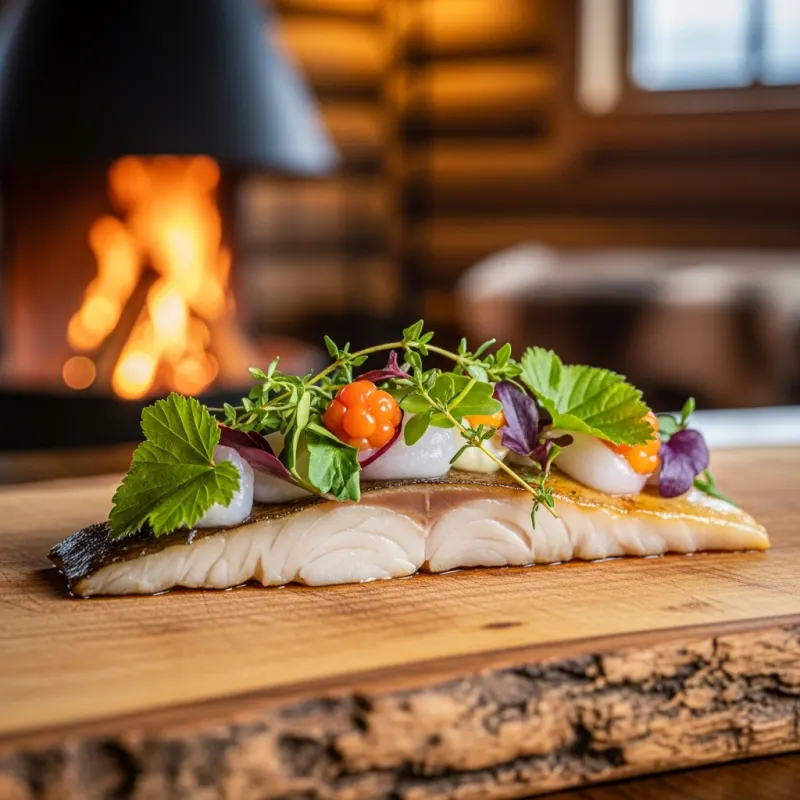
Smoked Arctic Char on a wooden board

Must Try Dish

Arctic Char (Iqaluk) - Arctic Char is a cold-water fish native to the region, prized for its rich, delicate flavor that falls between salmon and trout. It is traditionally enjoyed raw, frozen (muktuk style), or lightly smoked, offering a true taste of the pristine Arctic waters.
Food Experiences Title Icon

Food
Experiences

Discover cooking classes, tastings and local food tours

No food experience found
Maya, the human travel expert at TravelingWiz, offering curated, non-AI expertise

Maya’s Final Checklist for Nunavut

Logistics shouldn’t be the focus of your trip—the experience should. I’ve hand-vetted these essential partners to ensure your arrival, stay, and exploration are as smooth as an Athenian breeze.

Where to Stay

From boutique hotels to local apartments—compare thousands of options and find the perfect stay in the best neighborhood.

Air Travel

Getting there should be seamless. Compare the best routes and prices across top airlines to start your journey on the right note.

Local Guides

Connect with experts who know the destination best. Get personalized advice and insider tips to help you plan your perfect trip.

Travel Protection

The “Engineer’s” rule: always have a backup. Secure your trip with a plan that covers every “what if” and unexpected change.

Car Rentals

Explore at your own pace with total freedom. Compare reliable rental options and find the right vehicle for your adventure.

Visa Services

Don’t let paperwork slow you down. Get expert assistance with your application to ensure all your entry documents are in order.

FAQs

No, there are no roads connecting Nunavut to the rest of Canada, nor are there roads connecting its 25 communities. Access is strictly by air or sea.
The Aurora Borealis is best viewed from October to April when the skies are darkest, though March is often preferred for slightly milder winter temperatures.
Yes, it is highly recommended to hire a local guide when leaving any settlement due to the risk of polar bear encounters and extreme weather conditions.

Your Insights Matter

TravelingWiz grows through the stories of our community. If you’ve recently explored ,Nunavut share your tips and stories to help us perfect our guides for the next traveler.

Related Articles

Check out our related articles and blog posts to learn even more about the destination.

No related articles found

Don’t Travel Alone

Share with your friends and family

Where should we send your offline card?

We hate spam just as much as you do

newsletter_consent *