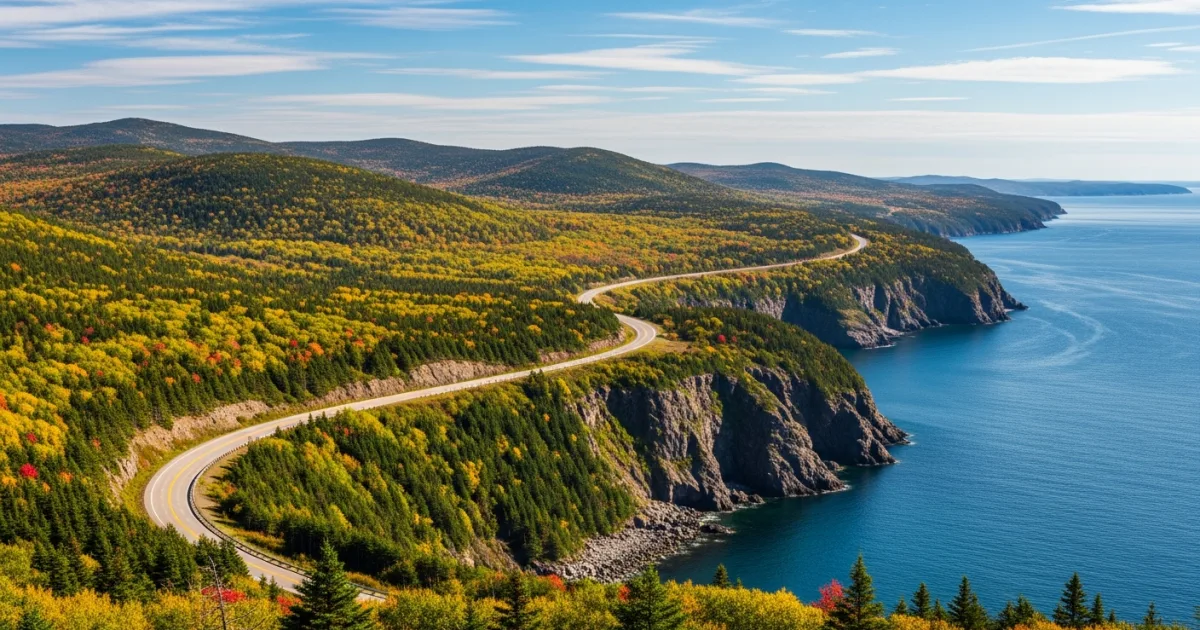
Nova Scotia is geographically diverse, divided into distinct regions that each offer a unique flavor. The South Shore is dotted with historic, postcard-perfect fishing villages like Lunenburg and Mahone Bay, characterized by colorful heritage homes and a deep seafaring history. To the north, Cape Breton Island presents a more rugged, dramatic landscape, heavily influenced by Scottish heritage, where the sounds of fiddles and Gaelic songs are still prevalent.
The Annapolis Valley, sheltered by the North and South Mountains, serves as the agricultural heartland of the province, renowned for its vineyards, apple orchards, and the historic Acadian site of Grand-Pré. Meanwhile, the Bay of Fundy coast offers an ever-changing landscape shaped by extreme tidal shifts, providing opportunities for tidal bore rafting and walking on the ocean floor at low tide. Together, these regions create a multifaceted destination that rewards slow travel and exploration.
Reasons to Visit
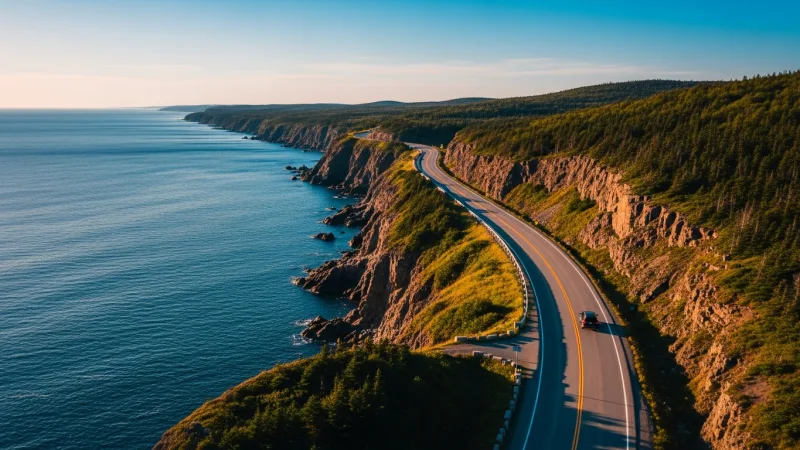
- Drive the Cabot Trail, consistently ranked as one of the world's most scenic coastal drives.
- Experience the phenomenal 16-meter tides at the Bay of Fundy.
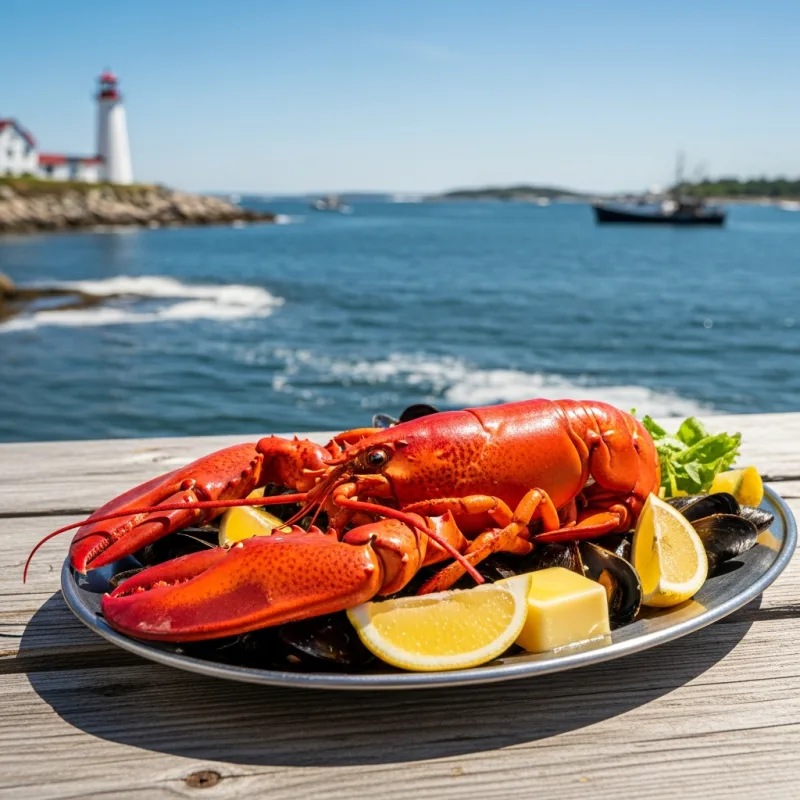
- Indulge in some of the freshest and most affordable lobster and seafood in North America.
- Immerse yourself in rich maritime history at the Maritime Museum of the Atlantic and the Halifax Citadel.
- Enjoy a vibrant local music scene, particularly traditional Celtic music in Cape Breton.
Things to Avoid
- Don't underestimate driving times; winding coastal roads take longer to navigate than highways.
- Avoid walking on the ocean floor at the Bay of Fundy without strictly checking the tide schedule.
- Don't limit your visit to just Halifax; the true charm of the province lies in its coastal villages and nature.
- Avoid getting too close to the black rocks at Peggy's Cove, as rogue waves are extremely dangerous.
Local Transportation Tips
While Halifax offers a reliable bus and ferry system (Halifax Transit), exploring the rest of Nova Scotia practically requires a rental car. Major highways connect key regions, but the most scenic routes are the two-lane coastal roads. There is a maritime bus service connecting larger towns, and a seasonal ferry service connects Nova Scotia to Prince Edward Island, New Brunswick, and Newfoundland, as well as an international ferry to Maine, USA.
Travel Etiquette
- Tipping is customary; leave 15-20% at restaurants, bars, and for taxi services.
- Canadians are generally polite and value personal space; a friendly 'hello' or 'good morning' to strangers on trails or in small towns is common.
- Respect the environment by adhering to 'Leave No Trace' principles in national and provincial parks.
- When driving, be courteous and allow faster vehicles to pass when safe, especially on winding roads like the Cabot Trail.
Recommended Age Group
Nova Scotia is a highly versatile destination that caters to travelers of all ages, offering a mix of accessible attractions and rugged outdoor adventures.
- Babies (0-2 years): Recommended. The relaxed pace, family-friendly accommodations, and easy coastal walks make it manageable for parents with infants.
- Kids (3-12 years): Recommended. Children will love the interactive museums, beachcombing, whale watching, and exploring historic forts.
- Teens (13-19 years): Recommended. Teens can enjoy outdoor activities like kayaking, tidal bore rafting, surfing at Lawrencetown Beach, and hiking.
- Adults (20-64 years): Recommended. Perfect for road trips, culinary tours, brewery hopping, and extensive hiking in the national parks.
- Seniors (65+ years): Recommended. The province offers excellent scenic drives, accessible historic sites, comfortable coastal resorts, and a welcoming, slow-paced environment.
Accessibility Level: Medium
- Halifax is generally wheelchair friendly, with accessible waterfront boardwalks, museums, and public transit options.
- Major tourist sites like Peggy's Cove have recently improved accessibility with paved viewing decks.
- Parks Canada sites, including Kejimkujik and Cape Breton Highlands, offer several accessible trails and facilities.
- However, many historic buildings in smaller villages and rugged coastal trails may present challenges for travelers with mobility issues.
Did You Know?
Halifax played a significant role in the aftermath of the Titanic disaster in 1912. Ships from Halifax were dispatched to recover victims, and today, 150 victims are buried in three cemeteries across the city. Additionally, in 1917, Halifax was the site of the largest man-made explosion prior to the atomic bomb, when two ships collided in the harbor.
Cool Statistics
- Nova Scotia has over 13,000 kilometers (8,000 miles) of coastline.
- The province is home to more than 160 historic lighthouses.
- The Bay of Fundy moves 160 billion tonnes of seawater in and out twice a day.
- No point in Nova Scotia is more than 67 kilometers (42 miles) from the ocean.








Buy a compatible power adapter for your trip