Beyond the famous Cabot Trail, Cape Breton Island offers a wealth of diverse experiences. The island is geographically dominated by the Bras d'Or Lake, a massive inland sea that provides excellent sailing, kayaking, and indigenous cultural tours with the Mi'kmaq community. To the east, the Fortress of Louisbourg stands as North America's largest historical reconstruction, transporting visitors back to 1744 with costumed animators and authentic period dining.
The island's cultural heartbeat is felt strongest in its music. Villages like Mabou and Judique host regular ceilidhs (traditional Celtic gatherings with music and dancing) where the sounds of fiddles and step-dancing fill the air. Baddeck, situated on the shores of the Bras d'Or Lake, serves as a popular basecamp and is home to the Alexander Graham Bell National Historic Site, detailing the inventor's life and his groundbreaking work in aviation and hydrofoils on the island.
Reasons to Visit
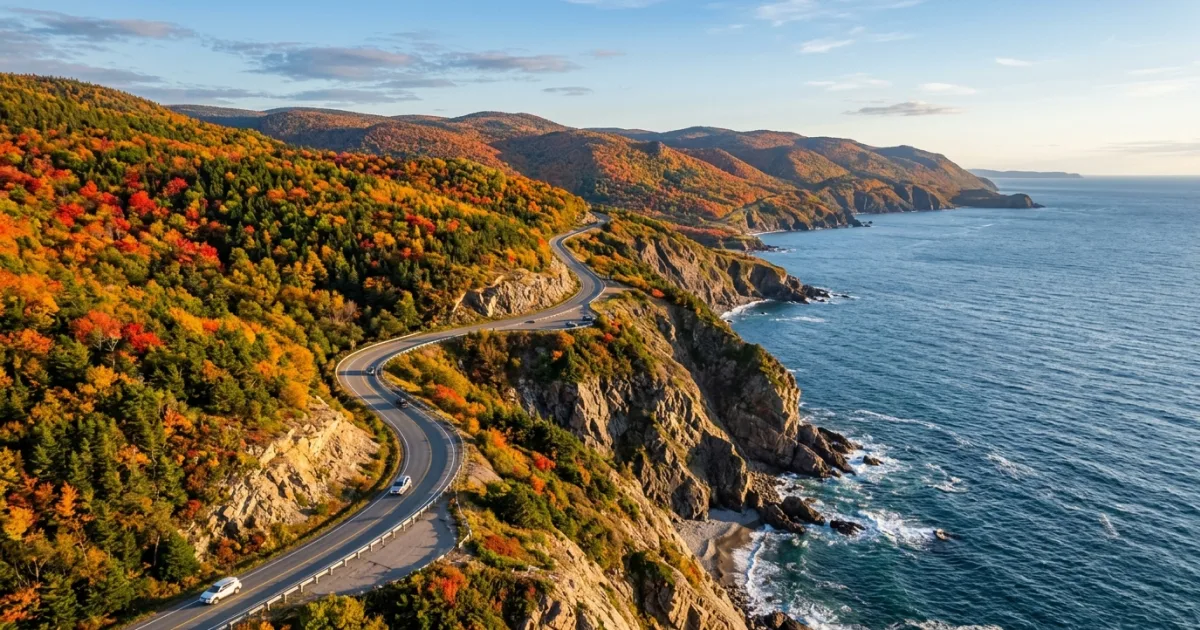
- The Cabot Trail: Consistently ranked as one of the world's most scenic coastal drives.
- Cape Breton Highlands National Park: Offers 26 hiking trails, including the famous Skyline Trail with its dramatic ocean cliffs.
- Celtic Culture: Experience authentic Gaelic music, ceilidhs, and the world-renowned Celtic Colours International Festival.
- Historical Immersion: Step back in time at the Fortress of Louisbourg National Historic Site.
- World-Class Golf: Home to Cabot Links and Cabot Cliffs, consistently ranked among the top golf courses globally.
Things to Avoid
- Rushing the Cabot Trail: Attempting to drive the entire trail in a single day leaves no time for hiking or exploring villages.
- Ignoring Weather Warnings: Coastal weather can bring sudden fog or high winds; always check conditions before hiking or boating.
- Driving at Dusk: Moose are highly active at dawn and dusk and pose a severe hazard on the highways.
- Underestimating Distances: Winding coastal roads mean travel times are often longer than GPS estimates.
Local Transportation Tips
Renting a car is an absolute necessity for exploring Cape Breton Island. While there is a small public transit system in the Cape Breton Regional Municipality (Sydney area), it does not extend to the major tourist destinations like the Cabot Trail or the national park. Shuttle services exist from Halifax to Sydney, but once on the island, having your own vehicle provides the freedom required to access trailheads, remote beaches, and coastal villages.
Travel Etiquette
- Tipping: A tip of 15-20% is standard in restaurants, for taxi drivers, and for tour guides.
- Trail Etiquette: Stay on marked paths to protect fragile coastal ecosystems and pack out all trash.
- Friendly Interactions: Locals are known for their hospitality; a friendly greeting or brief chat is customary and appreciated.
- Respecting Wildlife: Never feed or approach wild animals, particularly moose and bears in the national park.
Recommended Age Group
Cape Breton Island offers a diverse range of activities suitable for various age groups, though its focus on nature and road trips dictates the pace.
- Babies (0-2 years): Neutral. While the scenery is beautiful, long hours in the car on winding roads and rugged trail terrains can be challenging for infants.
- Kids (3-12 years): Recommended. Children will love the interactive history at the Fortress of Louisbourg, easy beach walks, and accessible trails in the national park.
- Teens (13-19 years): Recommended. Excellent opportunities for outdoor adventures, including kayaking, whale watching, and hiking the Skyline Trail.
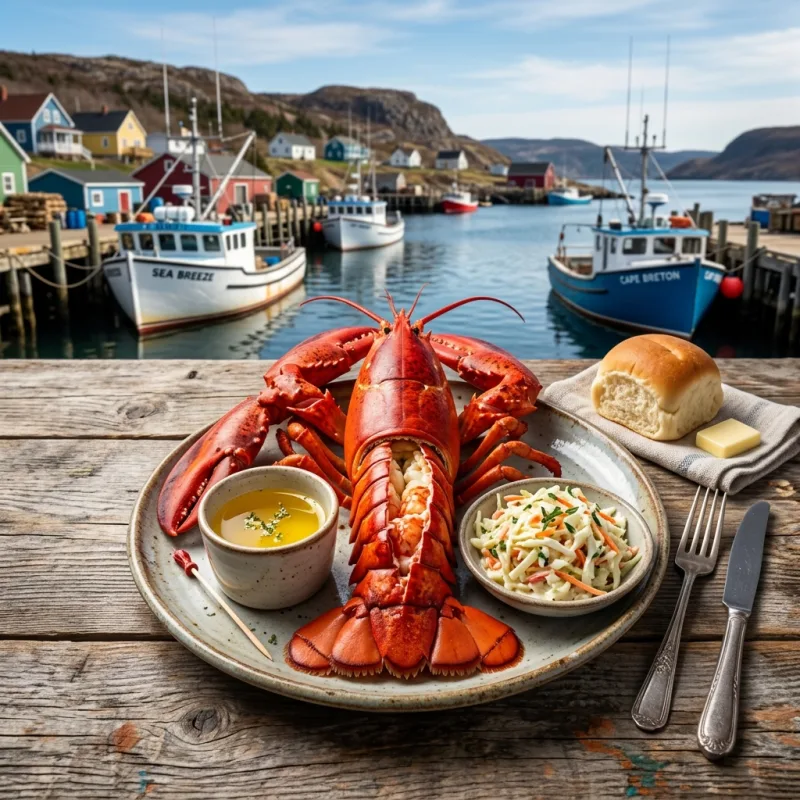
- Adults (20-64 years): Recommended. Perfect for scenic driving, enjoying fresh seafood, playing world-class golf, and experiencing the local Celtic music scene.
- Seniors (65+ years): Recommended. The island offers many accessible viewpoints along the Cabot Trail, comfortable lodges, and rich cultural and historical tours that require minimal physical exertion.
Accessibility Level: Medium
- National Parks: Cape Breton Highlands National Park offers several wheelchair-accessible facilities and trails, including the first portion of the Skyline Trail and the Freshwater Lake trail.
- Historical Sites: The Fortress of Louisbourg and the Alexander Graham Bell National Historic Site provide accessible pathways, ramps, and specialized transport options for visitors with mobility issues.
- Accommodation: Major hotels in Sydney and Baddeck offer accessible rooms, but older, boutique bed-and-breakfasts along the Cabot Trail may have stairs and limited accessibility.
- Transport: Accessible rental vehicles are limited and must be booked well in advance from major hubs like Halifax or Sydney.
Did You Know?
Alexander Graham Bell, the inventor of the telephone, chose Baddeck on Cape Breton Island as his summer estate, Beinn Bhreagh. It was here in 1909 that the Silver Dart took flight off the frozen Bras d'Or Lake, marking the first powered, heavier-than-air flight in Canada.
Cool Statistics
- Size: Cape Breton Island covers 10,311 square kilometers (3,981 square miles).
- Cabot Trail Length: The famous scenic roadway is 298 kilometers (185 miles) long.
- Inland Sea: The Bras d'Or Lake covers approximately 1,099 square kilometers in the center of the island.
- Highest Point: White Hill in the Cape Breton Highlands reaches an elevation of 533 meters (1,749 feet).






Buy a compatible power adapter for your trip