The Canary Islands are a Spanish archipelago located in the Atlantic Ocean, just off the coast of Morocco. Comprising seven main islands – Tenerife, Fuerteventura, Gran Canaria, Lanzarote, La Palma, La Gomera, and El Hierro – along with several smaller islets, each offers a distinct personality and a wealth of experiences. From the bustling resorts and vibrant nightlife of Tenerife and Gran Canaria to the tranquil, unspoiled nature of La Gomera and El Hierro, there's an island for every preference.
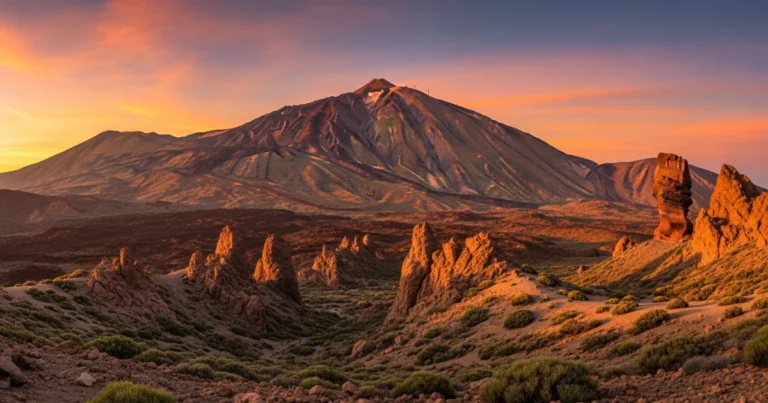
Beyond the sun-drenched beaches, the islands are a geological marvel, shaped by volcanic activity. This has resulted in dramatic landscapes, including Spain's highest peak, Mount Teide in Tenerife, and the unique lava fields of Timanfaya National Park in Lanzarote. The year-round mild climate, often referred to as 'eternal spring,' makes the Canaries a popular destination for outdoor enthusiasts, offering opportunities for hiking, cycling, surfing, diving, and whale watching throughout the year. The rich cultural heritage, delicious gastronomy, and warm hospitality further enhance the appeal of these 'Fortunate Isles.'
Reasons to Visit
- Year-Round Sunshine: Enjoy pleasant temperatures and sunshine any month of the year.
- Diverse Landscapes: From black sand beaches and lush forests to dramatic volcanic craters and sand dunes.
- Outdoor Activities: Excellent for hiking, surfing, diving, cycling, and paragliding.
- Unique Culture & Cuisine: A blend of Spanish and African influences, with delicious local dishes and vibrant festivals.
- Family-Friendly: Numerous attractions, theme parks, and safe beaches for all ages.
- Whale & Dolphin Watching: One of the best places in Europe to see marine life in their natural habitat.
- UNESCO World Heritage Sites: Explore national parks and historic towns recognized for their outstanding universal value.
Things to Avoid
- Underestimating the Sun: Even on cloudy days, the sun's UV index can be high. Always use high SPF sunscreen.
- Ignoring Local Regulations: Especially in protected natural areas, stick to marked trails and respect environmental rules.
- Over-scheduling: While there's much to see, allow time for relaxation and spontaneous exploration.
- Only Staying in Tourist Resorts: Venture out to local towns and villages to experience authentic Canarian life.
- Drinking Tap Water: While generally safe, bottled water is recommended for taste and to avoid potential stomach upset.
- Feeding Wild Animals: Especially monkeys or birds, as it can disrupt their natural behavior and diet.
Local Transportation Tips
Each island has its own public bus network (known as 'guaguas' in the Canaries) which is generally reliable and affordable, connecting major towns, resorts, and some natural attractions. Taxis are readily available in urban and tourist areas. For more flexibility, especially if you plan to explore remote areas or multiple sites, renting a car is highly recommended. Inter-island travel is facilitated by an extensive ferry network (Fred. Olsen Express, Naviera Armas) and short domestic flights (Binter Canarias, Canaryfly).
Travel Etiquette
- Greetings: A simple 'Hola' (hello) and 'Gracias' (thank you) are always appreciated.
- Dining: Tipping is customary but not obligatory; 5-10% is common for good service. Dinner is typically eaten later, often after 8 PM.
- Dress Code: Casual attire is generally acceptable, but modest dress is appreciated when visiting religious sites.
- Siesta: While less prevalent in major tourist areas, some smaller shops and businesses may close for a few hours in the afternoon.
- Respect Nature: The islands' unique ecosystems are fragile. Do not litter, stick to marked paths, and respect wildlife.
- Personal Space: Canarians are generally warm and friendly, but respect personal space in queues or public transport.
Recommended Age Group
The Canary Islands are a remarkably versatile destination, offering something for every age group, from the youngest travelers to seniors seeking relaxation or adventure.
- Babies (0-2 years): Recommended. The mild climate, calm beaches, and family-friendly resorts make it an excellent choice for parents with infants. Many accommodations offer cribs and amenities.
- Kids (3-12 years): Recommended. With numerous theme parks, water parks, safe beaches, and opportunities for gentle hikes and animal encounters, kids will find endless entertainment.
- Teens (13-19 years): Recommended. Teens can enjoy water sports like surfing and snorkeling, explore volcanic landscapes, engage in adventure activities, and experience vibrant local culture.
- Adults (20-64 years): Recommended. The islands cater to a wide range of adult interests, from nightlife and fine dining to hiking, cycling, diving, and cultural exploration.
- Seniors (65+ years): Recommended. The pleasant climate, accessible resorts, gentle walking paths, and opportunities for relaxation and cultural immersion make the Canary Islands a popular choice for seniors.
Accessibility Level: Medium
- Accessible Beaches: Many popular beaches, especially in larger resorts, offer accessible ramps, boardwalks, and sometimes even amphibious chairs.
- Public Transport: Newer buses are often equipped with ramps for wheelchairs, but older models may not be. Inter-island ferries generally offer good accessibility.
- Accommodation: A growing number of hotels and resorts offer accessible rooms and facilities. It's advisable to confirm specific needs when booking.
- Attractions: Major tourist attractions and national parks are increasingly improving accessibility, though some natural trails may remain challenging.
- Pavements & Walkways: While main towns have good pavements, older areas and smaller villages may have uneven surfaces.
Did You Know?
The Canary Islands are named after dogs, not canaries! The name derives from the Latin 'Canariae Insulae,' meaning 'Islands of the Dogs,' referring to the large wild dogs found there by ancient explorers. The bird 'canary' was later named after the islands.
Cool Statistics
- Highest Peak: Teide (Tenerife) is Spain's highest mountain and the third-tallest volcano in the world, measured from its base on the ocean floor.
- UNESCO Sites: The Canary Islands boast four UNESCO World Heritage Sites: Garajonay National Park (La Gomera), Teide National Park (Tenerife), San Cristóbal de La Laguna (Tenerife), and the Risco Caído and the Sacred Mountains of Gran Canaria.
- Climate: Often cited as having one of the best climates in the world, with average temperatures ranging from 18°C (64°F) in winter to 25°C (77°F) in summer.
- Endemic Species: The islands are a biodiversity hotspot, home to numerous plant and animal species found nowhere else on Earth.
- Carnival: The Carnival of Santa Cruz de Tenerife is considered the second-largest carnival in the world, after Rio de Janeiro.










Buy a compatible power adapter for your trip