>
>
Namibia
Namibia, Africa

Intro

A vast and sparsely populated country in southwest Africa, Namibia is a land of epic, surreal landscapes and stark beauty. It is defined by the ancient Namib Desert and is famous for the towering red dunes of Sossusvlei, the abundant wildlife of Etosha National Park, and the hauntingly beautiful Skeleton Coast. It is a premier destination for adventurous road trips.

Additional Information

Namibia's landscapes are the star of the show. The country offers some of the most breathtaking and otherworldly scenery on the planet. Visitors can climb the iconic Dune 45 at sunrise, walk among the skeletal trees of the Deadvlei clay pan, and explore the rugged Fish River Canyon, one of the largest canyons in the world. The country is also a fantastic wildlife destination. Etosha National Park is unique for its massive salt pan and floodlit waterholes, which provide incredible opportunities for game viewing.

Due to its excellent infrastructure, well-maintained gravel roads, and political stability, Namibia is one of the safest and easiest countries in Africa for a self-drive safari. The sense of space and solitude is immense, offering a truly unique African experience that is less about lush jungles and more about the stark, dramatic beauty of the desert.


Reasons to Visit

  • Sossusvlei Dunes: Witness and climb the iconic, towering red sand dunes of the Namib Desert, some of the highest in the world.
  • Etosha National Park: Experience unique wildlife viewing at the floodlit waterholes surrounding a massive salt pan.
  • Self-Drive Adventure: Embark on an epic road trip through a safe, accessible, and well-equipped country with excellent infrastructure.
  • Surreal Landscapes: Photograph the haunting beauty of the Deadvlei, the Skeleton Coast, and the massive Fish River Canyon.


Things to Avoid

  • Driving at Night: This is extremely dangerous due to the lack of streetlights and the high risk of wildlife on the roads. It is strictly not recommended.
  • Underestimating Distances: Namibia is a huge country. Plan your driving times conservatively and ensure you have a full tank of gas and extra water between towns.
  • Speeding on Gravel Roads: The gravel roads are generally good but can be treacherous. The most common accidents are single-vehicle rollovers caused by excessive speed.
  • Ignoring Park Gate Times: The gates to national parks like Etosha close at sunset. You must be inside your camp by this time.


Local Transportation Tips

The best, and most common, way to explore Namibia is by renting a vehicle, typically a 4x4 or a 2WD with high clearance. The country is perfectly set up for self-drive tours. There is no viable public transportation network for tourists looking to visit the national parks and main sights.


Travel Etiquette

  • Greetings: A friendly greeting is always appreciated. English is an official language and widely understood.
  • Environmental Respect: Namibia's desert ecosystem is extremely fragile. Never drive off-road and practice Leave No Trace principles.
  • Water Conservation: As a desert country, water is a precious resource. Be mindful of your water usage.
  • Punctuality: Being on time for any pre-booked tours or activities is expected.


Did You Know?

The Namib Desert, from which Namibia gets its name, is considered to be the oldest desert in the world, having experienced arid or semi-arid conditions for at least 55 million years.


Cool Namibia Stats

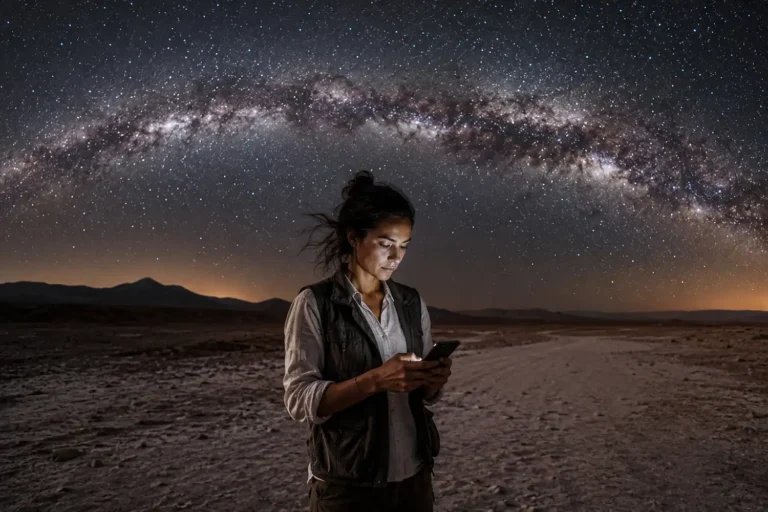
  • Dark Sky Reserve: The NamibRand Nature Reserve is Africa's first International Dark Sky Reserve, offering some of the best stargazing in the world.
  • Cheetah Capital: Namibia is home to the world's largest free-roaming population of cheetahs.
  • Second Least Densely Populated: After Mongolia, Namibia is the second least densely populated sovereign country in the world.


Recommended Age Group

Namibia is most suitable for adventurous Adults and Teens who enjoy road trips and spectacular, remote landscapes.

  • Babies (0-2 years): Not recommended. The extremely long drives on dusty roads, the heat, and the remote nature of the country are not suitable for infants.
  • Kids (3-12 years): Not generally recommended. The vast distances and long hours in the car can be very challenging for most young children.
  • Teens (13-19 years): Highly Recommended for adventurous teens. The epic landscapes, wildlife, and sense of a real road trip adventure are very appealing.
  • Adults (20-64 years): Highly Recommended. Namibia is a world-class destination for adults who love photography, nature, wildlife, and the freedom of a self-drive adventure.
  • Seniors (65+ years): Not generally recommended. The physical demands of the long drives on bumpy roads and the often rustic accommodation can be very strenuous.

Accessibility Level: Low

  • While some lodges are accessible, the country as a whole is an adventurous destination.
  • A self-drive trip, which is the main way to see the country, can be very challenging for those with mobility issues.
  • Some of the main government-run camps in Etosha have accessible rooms and paved pathways.
  • Specialized safari operators can arrange accessible tours, but this requires significant advance planning.


 

Address:

Namibia, Africa

Find Nearby Accommodations

Basic Info

address icon

COUNTRY & Region

Namibia,
Africa
Low
Currency icon

LOCAL CURRENCY​

Namibian Dollar (NAD)
Price level icon
Medium
Safety Level icon
Duration icon

Recommended Duration

• More than a week

Electricity

electricity icon

Electricity

220-240V,
50Hz
Plug Socket icon

Plug Type

• Type D (Three round pins in a triangular pattern)
• Type M (Three round pins, larger)
Plug types
Click To View Plug Types

Activities To Do In Namibia

Best Time To Visit

The best time to visit Namibia is during the dry winter season for optimal wildlife viewing.

  • Dry Season (May to October): This is the best time to visit. The weather is dry and pleasant, and wildlife in Etosha National Park congregates around the waterholes, making for fantastic viewing. The skies are also clear for stargazing.
  • Wet Season (November to April): This is the summer, and it can be extremely hot. Rains can make some gravel roads challenging. However, this "green season" brings new life, baby animals, and excellent birdwatching, offering a different and beautiful perspective of the country.

Remember to check the weather forecast a few days before the trip and before heading to the airport.

Safety Level icon

SAFETY Level

Namibia is one of the safest countries in Africa for tourists, particularly for those on a self-drive trip. The primary risks are not from crime, but from the challenges of remote travel and driving. It is crucial to carry extra water and fuel, avoid speeding on gravel roads, and never drive at night due to the high risk of wildlife on the roads. In cities like Windhoek, take standard precautions against petty crime by securing your vehicle and not leaving valuables in sight.

The rating is based on multi-year peace, crime, and security indices. Before you go, always verify current conditions through official government travel advisories.

Spoken Languages

The official language is English.

Trip Cost & Budgeting for Namibia, 2026

Everything you need to know about money while traveling
Is Namibia expensive for tourists in 2026? Namibia generally offers a medium price level for travelers. Expect to pay around 30 NAD for a cappuccino, 25 NAD for a pint of domestic beer, and about 250 NAD for a standard main meal in a mid-range restaurant. These are Human Verified prices to help set realistic expectations for your trip. Use the data table below to calculate your specific daily budget based on your travel style.
Currency icon

LOCAL CURRENCY​:

Namibian Dollar (NAD)
Price level icon
Medium
Major cards are accepted in urban areas, but cash is essential for smaller vendors and rural travel.

Per person, per day – pocket cash for small purchases.

Local: 350
Namibian Dollar (NAD)
≈ 21 USD

Full daily spend estimation (accomodation, food, transportation, attractions).

Travel Style
Namibian Dollar (NAD)
≈ USD ($)
Budget
1000
60
Mid-range
1800
107
Comfort
4000
239

The Prices, Daily costs, and calculator results are estimates for planning purposes only. Actual costs may vary based on season, booking timing, personal spending habits, and currency fluctuations. TravelingWiz cannot be held responsible for discrepancies between these estimates and your final trip expenses.

  • Shop at local supermarkets for groceries to save on meals.
  • Travel during the off-peak season for lower accommodation and flight prices.
  • Book accommodations in advance to secure better deals.
  • Utilize public buses or shared taxis for more affordable transport.

Pre-Order Tickets

Avoid disappointment when tickets sell out — and skip the long lines by booking online in advance. You’ll often save up to 20% too.
Save up to 20%

Travel Discounts & Coupons

Save on hotels, attractions, transport, and gear — find verified discounts for smarter travel spending.
Verified Coupons
We couldn't find tips for Namibia.
If you got any, please share

Recommended Itineraries for this Destination

We couldn't find itineraries for Namibia.
you can contact us for custom trip plan

Food & Drink Highlights

Local Food Overview

Namibian cuisine is shaped by its arid environment and diverse cultural influences, primarily from indigenous groups and German and Afrikaans settlers. It is a very meat-centric cuisine, famous for its high-quality game meats like oryx, kudu, and springbok, which are often grilled over an open fire ('braai').
A grilled and sliced oryx steak from Namibia.

Must Try Dish

Oryx Steak: A true taste of Namibia, oryx steak is a popular and delicious game meat. The oryx antelope thrives in the arid environment, resulting in a very lean, tender, and flavorful red meat with a mild taste. It is typically grilled or pan-seared and served in restaurants and at game lodges throughout the country, offering a unique and sustainable local delicacy.

Food Experiences

No food experience found

GetReady

Plan your trip seamlessly with our trusted partners and expert guidance. Follow these steps to book everything you need or connect with a local tour guide for personalized support

Step 1: Find the Perfect Accommodation

Explore a wide range of hotels, boutique stays, and vacation rentals to suit every traveler’s needs and budget. From luxury options to cozy family stays, find the best place for your trip.

Step 2: Book Your Flights

Secure the best flight deals for your destination. With our trusted partners, booking flights is quick and hassle-free.

Step 3: Let a Tour Guide Help

Not sure where to start? A professional local tour guide can create a customized itinerary or assist you in planning your trip. Make your journey seamless and stress-free.

Step 4: Rent a Car

Travel at your own pace by renting a car. Whether you’re exploring cities or embarking on a road trip, find reliable and convenient car rental options.

Step 5: Get Travel Insurance

Protect yourself and your loved ones with comprehensive travel insurance. Our partners offer plans to cover every aspect of your journey.

Step 6: Need a Visa?

Check visa requirements for your destination and apply quickly with trusted services. Simplify the process and ensure you’re ready to travel without delays.

FAQs

Yes, Namibia is considered one of the safest and easiest countries in Africa for a self-drive trip. The main risks are related to driving, such as speeding on gravel roads and avoiding driving at night. Standard precautions against petty crime in cities are sufficient.
Sossusvlei is a large salt and clay pan located in the Namib-Naukluft National Park in Namibia. It is famous for being surrounded by some of the highest red sand dunes in the world, including Dune 45 and Big Daddy, and is next to the iconic Deadvlei.
Etosha National Park in Namibia is a unique safari destination centered on a massive salt pan. The park is famous for its floodlit waterholes at the main camps, where visitors can sit at night and watch a spectacular variety of wildlife come to drink.
While many of the main gravel roads in Namibia can be driven in a 2WD vehicle with high clearance, a 4×4 is highly recommended. It provides better handling, safety, and comfort on the gravel roads and is essential for reaching some of the more remote areas.
The official currency of Namibia is the Namibian Dollar (NAD). However, the South African Rand (ZAR) is also legal tender and is accepted everywhere on a 1:1 basis. You may receive change in either currency.

Help Us Improve

If you visited
Namibia
click here to share your tips and stories.

This will help us improve our guides for the entire travelers community.

Related Articles

Check out our related articles and blog posts to learn even more about the destination.
No related articles found

Don’t Travel Alone

Share with your friends and family

Join travel lovers and get exclusive travel tips, coupons and more!

Register

Now!