Rwanda, known as the "Land of a Thousand Hills," is a stunningly beautiful country in East Africa. Rwanda has many beautiful rolling green landscapes, tall mountains, and rich wildlife. It is famous for its conservation efforts, particularly with mountain gorillas in Volcanoes National Park. But Rwanda is more than nature, it has an interesting past and strong culture that makes it a must-visit destination for travelers seeking both adventure and meaningful experiences.
Rwanda Travel Guide: Logistics & In-Depth Tips
Rwanda offers a mix of nature, wildlife, culture, and history. With its clean cities, friendly people, and secure environment, Rwanda has become a prime destination for tourists traveling to Africa.
Reasons to Visit:
Trekking with mountain gorillas in Volcanoes National Park.
Explore Kigali, one of Africa’s cleanest and safest cities.
Experience the breathtaking beauty of Lake Kivu and its beaches.
Learn about Rwanda's history at the Kigali Genocide Memorial.
Discover the rich biodiversity of Nyungwe Forest National Park.
Things to Avoid:
Avoid plastic bags; they are banned in Rwanda.
Do not engage in unapproved wildlife interactions; always follow guidelines.
Avoid photographing military or government facilities.
Rwanda's culture is rich and diverse, deeply rooted in traditional music, dance, and art. Visitors can experience the traditional Intore dance, known for its dynamic and acrobatic performances, which are a testament to Rwanda’s warrior heritage. Rwandan crafts, such as imigongo (geometric art made from cow dung) and woven baskets, are popular souvenirs that reflect the country’s artistic traditions. Engaging with local communities through cultural tours offers a deeper understanding of Rwanda’s resilience and vibrant heritage.
Accommodation Options: Where to Stay in Rwanda
Rwanda offers a wide range of accommodation options, suitable for to different budgets and preferences. In Kigali, you’ll find everything from luxury hotels to budget-friendly guesthouses. Near national parks, you can find eco-lodges and tented camps provide immersive nature experiences with varying levels of luxury. Around Lake Kivu, there are charming lakeside resorts perfect for relaxation. Rwanda's hospitality emphasizes sustainability, with many establishments focusing on eco-friendly practices and community engagement.
Taste the Flavors of Rwanda: Local Food and Dining Experiences
Rwandan food blends tradition with local, fresh ingredients. Staple foods include plantains, sweet potatoes, and beans. They are often eaten with grilled meat or fish. One must-try dish is the Rwandan buffet. It has many foods like isombe (cassava leaves and groundnuts) and ibirayi (potatoes). For modern dining, Kigali has restaurants serving food from other countries, like Italian and Asian fusion cuisine. Street food vendors sell brochettes (grilled meat skewers). These are tasty, affordable ways to try local flavors.
Local Transportation Tips
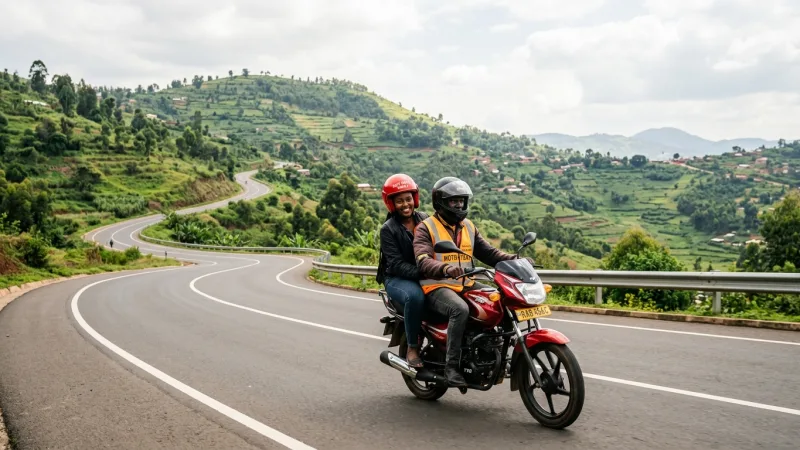
For tourists, the most common way to travel is by hiring a private 4x4 with a driver-guide. This is the most efficient way to get between the national parks. For longer distances, there are modern and reliable public bus services. Motorcycle taxis ('motos') are a very common and cheap way to get around Kigali, and drivers are required to provide a helmet.
Travel Etiquette
Greetings: A polite handshake and greeting are customary.
Punctuality: Being on time is appreciated in Rwanda's modern, business-like culture.
Asking to Take Photos: Always ask for permission before taking a picture of someone.
Community Work ('Umuganda'):On the last Saturday of every month, all citizens are required to participate in community work. Most things are closed in the morning, which is something to be aware of if you are visiting.
Did You Know?
Rwanda has the highest representation of women in parliament of any country in the world, with women consistently holding over 60% of the seats.
Cool Rwanda Stats
Land of a Thousand Hills: The nickname is an accurate description of the country's landscape, which is a series of rolling, verdant hills.
Cleanest City: Kigali is widely regarded as one of the cleanest and safest capital cities in Africa.
A Ban on Plastic: Rwanda was one of the first countries in the world to ban the use of plastic bags, back in 2008.
Recommended Age Group
Rwanda is most suitable for Adults and older Teens due to the age restrictions and high cost of primate trekking.
Babies (0-2 years): Not recommended.
Kids (3-12 years): Not recommended, as they cannot participate in the main wildlife activities.
Teens (13-19 years): Highly Recommended for teens aged 15 and over. Gorilla trekking is an incredible, life-changing experience.
Adults (20-64 years): Highly Recommended. Rwanda offers a unique, safe, and deeply meaningful travel experience, combining profound wildlife encounters with inspiring human history.
Seniors (65+ years): Recommended with considerations. Only very fit and active seniors should attempt gorilla trekking. However, the country is safe and comfortable for a more relaxed cultural trip.
Accessibility Level: Low
This is a very hilly country focused on trekking, making it largely inaccessible.
The capital, Kigali, has modern infrastructure with some accessible hotels, but it is very hilly.
Gorilla and chimp trekking involve strenuous hikes on steep, muddy terrain.
While specialized arrangements (like sedan chairs) can sometimes be made for trekking, this is very expensive and requires significant advance planning.
Address:
Rwanda, Africa
Find Nearby Accommodations
Basic Info
COUNTRY & Region
Rwanda,
Africa
High: Widely accessible with good facilities for disabilities.
Medium: Some accessible options, but limitations exist.
Low: Limited accessibility; many barriers for disabilities.
ACCESSIBILITY LEVEL
LOCAL CURRENCY
Rwandan Franc (RWF)
This is Tooltip!
Price Level
Medium
SAFETY LEVEL
Recommended Duration
• Full day • Overnight • 1-7 days • More than a week
Rwanda's Volcanoes National Park for unforgettable gorilla trekking, stunning landscapes, and cultural immersion. A bucket-list adventure awaits!
Activities To Do In Rwanda
Best Time To Visit Rwanda
The best time to visit Rwanda is during the dry seasons from mid-December to early February and from June to September. These periods are ideal for gorilla trekking and wildlife viewing, as the paths are less muddy and animals are easier to spot.
Remember to check the weather forecast a few days before the trip and before heading to the airport.
Safety Level
5 shields = Excellent – very low crime or conflict.
4 shields = Safe – low risk, routine care.
3 shields = Relatively safe – use normal street smarts.
2 shields = Use caution – higher crime or periodic unrest.
1 shields = Avoid – active conflict or extreme danger.
Scores are derived from multi-year peace, homicide and security indices blended into a single 1-to-5 scale.
Rwanda is generally very safe for tourists, with low violent crime rates and well-regulated travel in Kigali and major national parks. However, travelers should exercise increased caution and avoid areas within 10 kilometers of the border with the Democratic Republic of the Congo due to regional security concerns. Keep personal belongings secure in busy urban areas and always follow instructions from official guides when visiting gorilla or wildlife reserves.
The rating is based on multi-year peace, crime, and security indices. Before you go, always verify current conditions through official government travel advisories.
No internet needed • Includes local translations • Free for TravelingWiz readers
Spoken Languages
Kinyarwanda is the official language, but English and French are also widely spoken, especially in Kigali and among the younger population.
Learn The Language
Hello: Muraho
Thank you: Murakoze
Please: Nyabuna
Excuse me: Mbabarira
Goodbye: Murabeho
How much does this cost?: Iyi ifite amafaranga angahe?
Trip Cost & Budgeting for Rwanda, 2026
Everything you need to know about money while traveling
Is Rwanda expensive for tourists in 2026? While luxury safaris and gorilla trekking are costly, independent daily travel remains moderately priced. Thanks to our Human Verified prices, expect to pay around 3,500 RWF for a cappuccino, 1,500 RWF for a domestic beer, and 15,000 RWF for a mid-range restaurant meal. Outside major wildlife permits, everyday accommodation and transport are surprisingly accessible. Use the data table below to calculate your specific daily budget based on your travel style.
LOCAL CURRENCY:
Rwandan Franc (RWF)
Low – budget‑friendly basics
Medium – moderate mid‑range costs
High – pricey lodging, dining & transport
Price Level:
Medium
Low – budget‑friendly basics
Medium – moderate mid‑range costs
High – pricey lodging, dining & transport
Low – budget‑friendly basics
Medium – moderate mid‑range costs
High – pricey lodging, dining & transport
Cards Vs. Cash
Cards are widely accepted in Kigali hotels and upscale venues, but cash is essential for markets, taxis, and rural travel.
Low – budget‑friendly basics
Medium – moderate mid‑range costs
High – pricey lodging, dining & transport
How Much Cash to Carry (on you)
Per person, per day – pocket cash for small purchases.
Local: 11500
Rwandan Franc (RWF)
≈ 8 USD
Low – budget‑friendly basics
Medium – moderate mid‑range costs
High – pricey lodging, dining & transport
Average Daily Costs (per person)
Full daily spend estimation (accommodation, food, transportation, attractions).
The Prices, Daily costs, and calculator results are estimates for planning purposes only. Actual costs may vary based on season, booking timing, personal spending habits, and currency fluctuations. TravelingWiz cannot be held responsible for discrepancies between these estimates and your final trip expenses.
Low – budget‑friendly basics
Medium – moderate mid‑range costs
High – pricey lodging, dining & transport
Best Value Tips
• Use Yego Moto or Move ride-hailing apps for cheap and transparent urban transport around Kigali instead of unmetered street taxis.
• Eat at local buffet restaurants known as Melange during lunchtime for hearty, traditional Rwandan meals at very low prices.
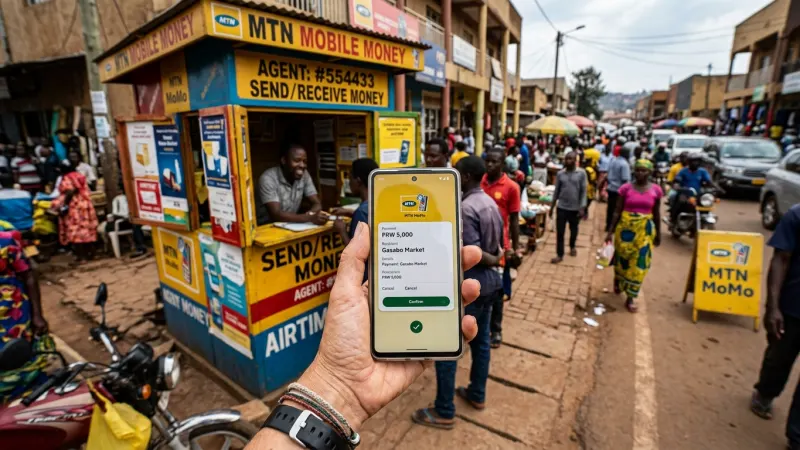
• Purchase local SIM cards from MTN or Airtel upon arrival for affordable mobile data and easy Mobile Money payments.
• Book national park entry and gorilla permits directly through the official Irembo portal to avoid third-party agency markup fees.
Travel Discounts & Coupons
Save on hotels, attractions, transport, and gear — find verified discounts for smarter travel spending.
Pack lightweight, breathable clothing suitable for a warm climate, sturdy hiking boots for trekking, a waterproof jacket for rainforest excursions, sunscreen, insect repellent, and a good camera for capturing wildlife and landscapes. For gorilla trekking, bring gloves, long sleeves, and garden gaiters to protect against thorny bushes.
The Rwanda Film Festival, affectionately known as Hillywood, is an annual cinematic celebration showcasing both Rwandan and international films. Established to promote the local film industry and provide a platform for storytelling, cultural exchange, and artistic expression, the festival features screenings, workshops, and discussions. A unique aspect is its 'Hillywood' outdoor screenings, which take films to rural communities across Rwanda, making cinema accessible to a wider audience. The festival typically takes place in July, though specific dates can vary.
Categories: Festivals | Theater and Performing Arts | Historical and Cultural | Educational
Date & Time: Usually July (dates vary annually)
Address: Various venues in Kigali and other major towns
Location: Kigali and other regions of Rwanda
Kwibuka (Genocide Memorial Week)
Kwibuka, meaning 'to remember,' is Rwanda's annual commemoration of the 1994 Genocide against the Tutsi. Beginning on April 7th and lasting for a week, this profoundly important period is dedicated to national mourning, remembrance, and education. Ceremonies, vigils, and discussions are held across the country, particularly at memorial sites like the Kigali Genocide Memorial. It is a time for Rwandans and the international community to reflect on the past, honor the victims, support survivors, and reaffirm the commitment to 'Never Again.'
Categories: Community Events | Historical and Cultural | Educational
Date & Time: April 7th for one week
Address: Various memorial sites and public venues, notably Kigali Genocide Memorial
Location: Across Rwanda, with key events at memorial sites like Kigali Genocide Memorial
Liberation Day (Kwibohora)
Liberation Day, known locally as Kwibohora, is a significant national holiday celebrated annually on July 4th. This day commemorates the end of the 1994 Genocide against the Tutsi and the liberation of Rwanda by the Rwandan Patriotic Front (RPF). It is a day of profound national pride, reflection, and celebration of the country's remarkable journey of recovery, unity, and progress. Festivities include official ceremonies, speeches, cultural performances, and community gatherings across the nation, with major events held in Kigali.
Categories: Holidays | Historical and Cultural | Political
Date & Time: July 4th
Address: Various locations across Rwanda, main events in Kigali
Location: Across Rwanda, with central ceremonies in Kigali
Umuganda National Community Service Day
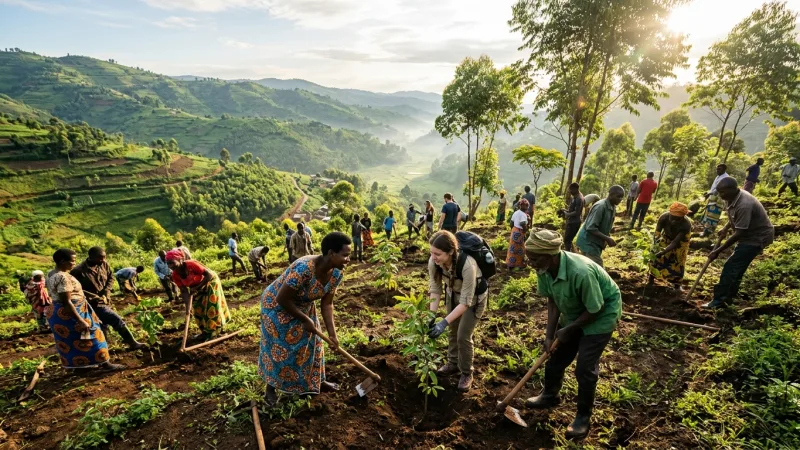
Umuganda is a unique and mandatory national day of community service held on the last Saturday of every month across Rwanda. Citizens, from all walks of life, come together to work on public projects such as cleaning streets, building schools, planting trees, or constructing homes for vulnerable members of the community. This initiative fosters national unity, collective responsibility, and contributes significantly to the country's development and cleanliness. Tourists are welcome and encouraged to participate, offering a profound insight into Rwandan culture and values.
Categories: Community Events | Historical and Cultural
Date & Time: Last Saturday of every month, 8:00 AM - 11:00 AM
Address: Various locations across Rwanda
Location: Across all cities and villages in Rwanda
Kwita Izina (Gorilla Naming Ceremony)
Kwita Izina is Rwanda's annual gorilla naming ceremony, a unique and globally recognized conservation event. Held traditionally on the first Friday of September, this ceremony celebrates the birth of new baby mountain gorillas in Volcanoes National Park. It brings together local communities, conservationists, tourists, and international dignitaries to give names to the infant gorillas, highlighting Rwanda's commitment to wildlife protection and sustainable tourism. It's a vibrant cultural celebration intertwined with critical conservation efforts.
We couldn't find itineraries for Rwanda. you can contact us for custom trip plan
Maya’s Final Checklist for Rwanda
Logistics shouldn’t be the focus of your trip—the experience should. I’ve hand-vetted these essential partners to ensure your arrival, stay, and exploration are as smooth as an Athenian breeze.
Where to Stay
From boutique hotels to local apartments—compare thousands of options and find the perfect stay in the best neighborhood.
Yes, Rwanda is one of the safest countries in Africa, with low crime rates and a welcoming atmosphere for tourists.
Do I need a visa to visit Rwanda?
As of 2026, Rwanda offers a visa on arrival to citizens of all countries. Many nationalities also enjoy visa-free entry for varying periods (e.g., 30 or 90 days). It is still recommended to check the specific visa policy for your country before traveling, or apply for an e-Visa online in advance.
What is the main language spoken in Rwanda?
Kinyarwanda is the official language, but English and French are also widely spoken.
What is the main attraction in Rwanda?
Gorilla trekking in Volcanoes National Park is the top attraction.
Is it easy to travel around Rwanda?
Rwanda is generally safe for tourists, particularly in its cities and main tourist destinations. However, both the US State Department and the UK FCDO advise exercising increased caution, especially in areas near the borders with the Democratic Republic of Congo and Burundi, where there is a potential for armed violence. Specific border areas are advised against travel. Kigali is considered one of Africa’s safest cities with low crime rates.
How much does a gorilla trekking permit cost in Rwanda for 2026-2027?
As of 2026-2027, a gorilla trekking permit in Rwanda costs $1,500 USD per person for international visitors. This permit allows for an hour-long visit with a gorilla family in Volcanoes National Park and includes park entry fees and the services of a park guide. It is essential to book well in advance due to high demand.
Are there any specific travel restrictions for Rwanda in 2026?
As of early 2026, general travel to Rwanda is open. However, travelers should be aware of specific advisories regarding border areas with the Democratic Republic of Congo and Burundi, where some regions are advised against travel due to potential armed violence. The border between Rwanda and Burundi has been closed since January 2024 and remains closed until further notice. It is always recommended to check the latest government travel advisories and entry requirements before your trip.
Your Insights Matter
TravelingWiz grows through the stories of our community. If you’ve recently explored ,Rwanda share your tips and stories to help us perfect our guides for the next traveler.



 Don't forget to check out our





Buy a compatible power adapter for your trip