Disclosure: This site contains affiliate links. We may earn a commission if you make a purchase, at no extra cost to you.

New Zealand

New Zealand

Basic Info

COUNTRY & Region

New Zealand,
Asia & Pacific

ACCESSIBILITY LEVEL​

  • High: Widely accessible with good facilities for disabilities.
  • Medium: Some accessible options, but limitations exist.
  • Low: Limited accessibility; many barriers for disabilities.
High

LOCAL CURRENCY​

New Zealand Dollar (NZD)

Price Level

Low – budget‑friendly basics

Medium – moderate mid‑range costs

High – pricey lodging, dining & transport

High

SAFETY LEVEL

5 shields = Excellent – very low crime or conflict.

4 shields = Safe – low risk, routine care.

3 shields = Relatively safe – use normal street smarts.

2 shields = Use caution – higher crime or periodic unrest.

1 shields = Avoid – active conflict or extreme danger.

Scores are derived from multi-year peace, homicide and security indices blended into a single 1-to-5 scale.

Recommended Duration

Overnight, 1-7 days, More than a week

New Zealand Overview & Key Highlights

New Zealand, a breathtaking island nation in the South Pacific, offers a world of stunning natural landscapes, from snow-capped mountains and lush forests to pristine beaches and geothermal wonders. Home to Queenstown, the “Adventure Capital of the World,” New Zealand combines adrenaline-pumping activities with serene escapes and a rich Maori cultural heritage.

New Zealand Travel Guide: Logistics & In-Depth Tips

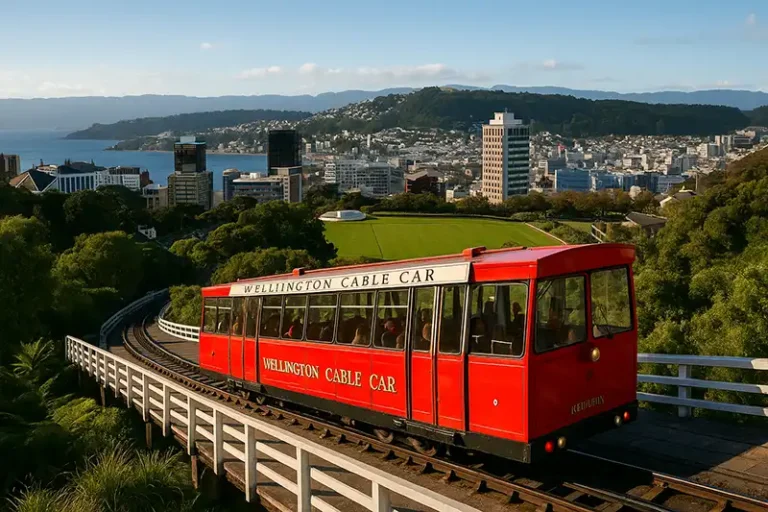
New Zealand is a dream destination that captivates travelers with its unparalleled natural beauty, thrilling adventures, and serene environments perfect for relaxation. As an island nation in the South Pacific, it offers a diverse range of landscapes, from the dramatic fjords of Milford Sound to the pristine beaches of the Coromandel Peninsula, and from the geothermal wonders of Rotorua to the snow-capped peaks of Aoraki/Mount Cook. This country seamlessly combines breathtaking outdoor experiences with vibrant urban centers like Auckland and Wellington, where art, culture, and culinary delights abound. Whether you’re trekking through lush rainforests, exploring the otherworldly glowworm caves in Waitomo, or immersing yourself in the rich traditions of Maori culture, New Zealand provides a perfect balance of adventure, discovery, and tranquility. It’s an ideal destination for anyone seeking to connect with nature, embrace unique cultural experiences, or simply escape the everyday hustle for a world of extraordinary wonder.

Reasons to Visit

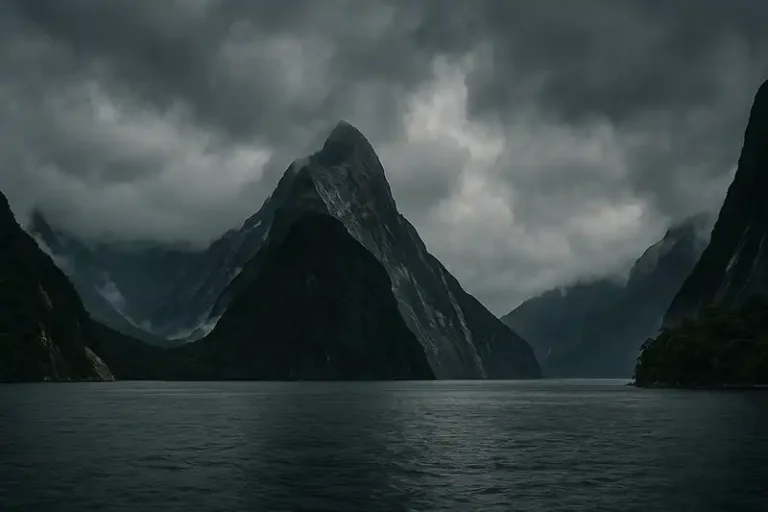
  • Explore Fiordland National Park, home to the majestic Milford Sound and Doubtful Sound.
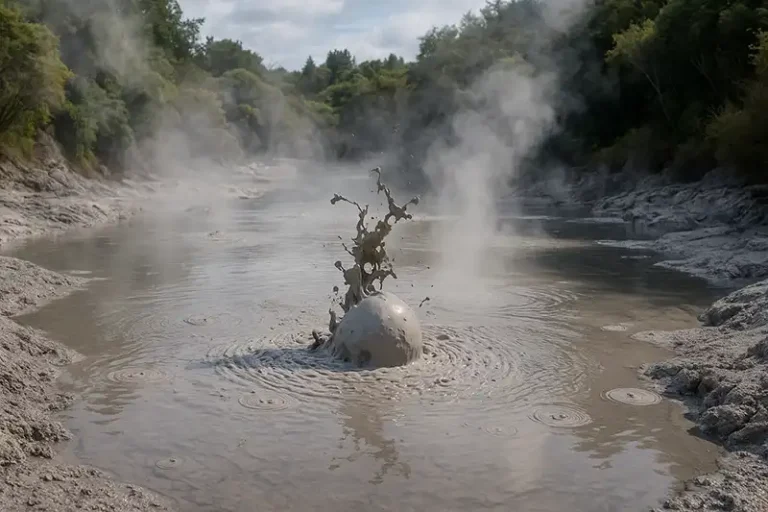
  • Experience geothermal marvels like the Wai-O-Tapu Thermal Wonderland and Rotorua.
  • Visit Aoraki/Mount Cook, the highest peak in New Zealand, offering breathtaking views and hiking trails.
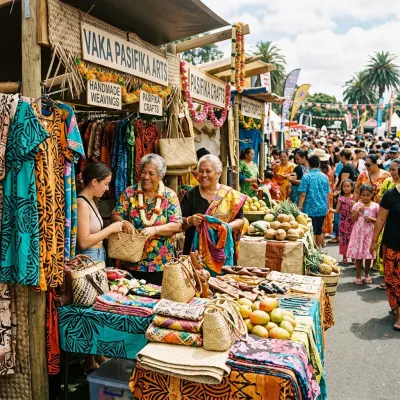
  • Immerse yourself in Maori culture in Rotorua and learn about the traditional Haka dance.
  • Enjoy adventure activities like bungee jumping, skydiving, and jet boating in Queenstown.

Things to Avoid

  • Underestimating driving times; New Zealand’s winding roads can take longer than expected.
  • Forgetting sun protection, as the UV index can be very high, even on cooler days.


Accessibility Level: High

Cities and major attractions are well-equipped with accessible facilities.

Certain remote trails and natural landmarks may pose challenges for those with mobility issues.


Recommended Age Group

  • Babies (0-2 years): Suitable with family-friendly resorts and stroller-accessible urban areas.
  • Kids (3-12 years): Perfect for outdoor activities, interactive museums, and wildlife parks.
  • Teens (13-19 years): Ideal for adventure sports, hiking, and exploring diverse landscapes.
  • Adults (20-64 years): Offers a mix of adventure, cultural experiences, and relaxation.
  • Seniors (65+ years): Accessible tours and serene attractions are ideal for seniors, though some trails may require caution.

Address:

New Zealand

Find Nearby Accommodations

Electricity

220-240V, 
50Hz

Plug Type

Type I (Two flat pins in V-shape, grounding pin)
Plug types
Click To View Plug Types
New Zealand is part of our
Accessible Travel collection

Want a deeper experience in New Zealand?

Explore private guides and find an experience that suits your interests.

Activities To Do In New Zealand

Best Time To Visit New Zealand

The best time to visit New Zealand is October to April, covering the spring, summer, and early autumn months.

  • Spring (September to November): Blooming flowers, lambing season, and mild weather.
  • Summer (December to February): Warm and sunny, ideal for beaches, hiking, and outdoor activities.
  • Autumn (March to May): Cooler temperatures with stunning fall foliage.
  • Winter (June to August): Perfect for skiing and snowboarding in the South Island.

Average Temperatures Per Month

Average monthly temperaturesMonthly source values, with Celsius and Fahrenheit equivalents in the following data table.0°32°6°43°13°55°19°66°25°77°JanJan: 19°C / 66°FFebFeb: 18°C / 64°FMarMar: 16°C / 61°FAprApr: 14°C / 57°FMayMay: 13°C / 55°FJunJun: 10°C / 50°FJulJul: 9°C / 48°FAugAug: 9°C / 48°FSepSep: 11°C / 52°FOctOct: 13°C / 55°FNovNov: 15°C / 59°FDecDec: 17°C / 63°F
View temperature data
Average monthly temperatures
Month°C°F
Jan1966
Feb1864
Mar1661
Apr1457
May1355
Jun1050
Jul948
Aug948
Sep1152
Oct1355
Nov1559
Dec1763

Remember to check the weather forecast a few days before the trip and before heading to the airport.

Safety Level

5 shields = Excellent – very low crime or conflict.

4 shields = Safe – low risk, routine care.

3 shields = Relatively safe – use normal street smarts.

2 shields = Use caution – higher crime or periodic unrest.

1 shields = Avoid – active conflict or extreme danger.

Scores are derived from multi-year peace, homicide and security indices blended into a single 1-to-5 scale.

New Zealand is exceptionally safe, with standard travel precautions sufficient for most visitors. The most significant risks involve road safety on narrow, winding rural routes and rapidly changing weather conditions during outdoor activities. Always check local weather and trail forecasts before hiking, and avoid leaving valuables visible inside unattended rental vehicles.

The rating is based on multi-year peace, crime, and security indices. Before you go, always verify current conditions through official government travel advisories.

Emergency Numbers

Police: 111
Ambulance: 111

No internet needed • Includes local translations • Free for TravelingWiz readers

Spoken Languages

The official languages are English and Maori, with English being widely used across the country.
Travel Booking Partner - TravelingWiz

Learn The Language

  • Hello: Kia Ora (Maori)
  • Thank you: Ngā mihi (Maori), Thank you (English)
  • Please: Tēnā koa (Maori)
  • Where is…?: Kei hea…? (Maori)
  • How much?: E hia…? (Maori)
  • Goodbye: Haere rā (Maori)

Trip Cost & Budgeting for New Zealand, 2026

Everything you need to know about money while traveling
Is New Zealand expensive for tourists in 2026? Yes, New Zealand is a relatively high-cost destination due to its remote location and high standard of living. Visitors can expect to pay around NZ$5.90 for a cappuccino, NZ$12 for a domestic pint of beer, and NZ$30 for a main meal at a casual restaurant. Featuring Human Verified prices, budgeting ahead helps keep travel costs manageable. Use the data table below to calculate your specific daily budget based on your travel style.

LOCAL CURRENCY​:

New Zealand Dollar (NZD)

Price Level:

Low – budget‑friendly basics

Medium – moderate mid‑range costs

High – pricey lodging, dining & transport

High

Cards Vs. Cash

Credit cards and contactless EFTPOS are universally accepted across New Zealand, with cash rarely needed even in small towns.

How Much Cash to Carry (on you)

Per person, per day – pocket cash for small purchases.

Local: 25
New Zealand Dollar (NZD)
≈ 15 USD

Average Daily Costs (per person)

Full daily spend estimation (accommodation, food, transportation, attractions).

Travel Style
New Zealand Dollar (NZD)
≈ USD ($)
Budget
150
87
Mid-range
270
157
Comfort
590
343
Note

The Prices, Daily costs, and calculator results are estimates for planning purposes only. Actual costs may vary based on season, booking timing, personal spending habits, and currency fluctuations. TravelingWiz cannot be held responsible for discrepancies between these estimates and your final trip expenses.

Best Value Tips

  • • Rent campervan relocation deals via Transfercar or Imoova for cheap road trips across both islands.
  • • Shop for groceries and self-catering supplies at discount supermarkets like Pak'nSave.
  • • Use Bookme and GrabOne websites to find heavily discounted local tours, activities, and dining vouchers.
  • • Be mindful of 10-15% public holiday restaurant surcharges by self-catering on statutory holidays.

Travel Offers & Coupons

Browse travel offers and coupons from our affiliate partners.
Affiliate partner offers

What To Pack

  • Layered clothing for variable weather conditions.
  • Comfortable hiking boots for outdoor exploration.
  • Sunscreen, insect repellent, and a reusable water bottle.
  • Swimwear for thermal pools, beaches, or water sports.
  • A waterproof jacket for sudden rain showers.
Only the good stuff!
Browse recommended travel gear
Check out our free packing list tool

Recommended Itineraries for Traveling to New Zealand

Take your itinerary with you

Choose a ready-made itinerary, plan your own trip, and keep TravelingWiz by your side while you travel.

Get the TravelingWiz app

Maya’s Final Checklist for New Zealand

Logistics shouldn’t be the focus of your trip—the experience should. I’ve hand-vetted these essential partners to ensure your arrival, stay, and exploration are as smooth as an Athenian breeze.

Maya, the human travel expert at TravelingWiz, offering curated, non-AI expertise

Where to Stay

Compare accommodation options and choose a stay that suits your plans and budget.

Air Travel

Compare flight options and find a route that fits your plans.

Local Guides

Connect with local guides for personalized help planning and exploring.

Travel Protection

The “Engineer’s” rule: always have a backup. Secure your trip with a plan that covers every “what if” and unexpected change.

Car Rentals

Compare rental options and choose a car that suits your trip.

Visa Information

Don’t let paperwork slow you down. Get expert assistance with your application to ensure all your entry documents are in order.

FAQs

New Zealand is renowned for its stunning landscapes, adventure sports, and Maori culture.
Milford Sound, Queenstown, Rotorua, and Hobbiton are iconic destinations.
Absolutely! With safe environments, interactive museums, and outdoor activities, it’s perfect for families.
October to April is ideal for exploring both islands and enjoying outdoor adventures.
Renting a car or campervan is the best way to explore New Zealand’s scenic routes and remote areas.
Most visitors need either a visa or an NZeTA (New Zealand Electronic Travel Authority). You must also pay the International Visitor Conservation and Tourism Levy (IVL); check official immigration channels or the Budget section on this page for current fee amounts.
Yes, you can safely drink tap water throughout New Zealand. Municipal water supplies undergo rigorous testing and meet high safety standards in all major cities and towns. However, if you are hiking on remote backcountry trails or camping in wilderness areas, you should always boil, filter, or chemically treat water taken from rivers, streams, and lakes before drinking.
No, you rarely need to carry physical cash in New Zealand. Credit cards, debit cards, and contactless payments are universally accepted at accommodations, restaurants, supermarkets, and activity providers across the country. It is still wise to carry a minimal backup amount for rural roadside honesty boxes. For day-to-day cost estimates, please refer to the Budget section on this page.
You should pack versatile layers to handle rapid weather shifts throughout the country. Bring breathable base layers, a warm fleece or mid-layer, and a reliable waterproof and windproof jacket. Sturdy hiking shoes, swimwear for natural hot springs, and strong sun protection like high-SPF sunscreen and sunglasses are also essential for outdoor exploration across both the North and South islands.

Your Insights Matter

TravelingWiz grows through the stories of our community. If you’ve recently explored ,New Zealand share your tips and stories to help us perfect our guides for the next traveler.

Where should we send your offline card?

We hate spam just as much as you do

newsletter_consent *