Disclosure: This site contains affiliate links. We may earn a commission if you make a purchase, at no extra cost to you.

Pacific

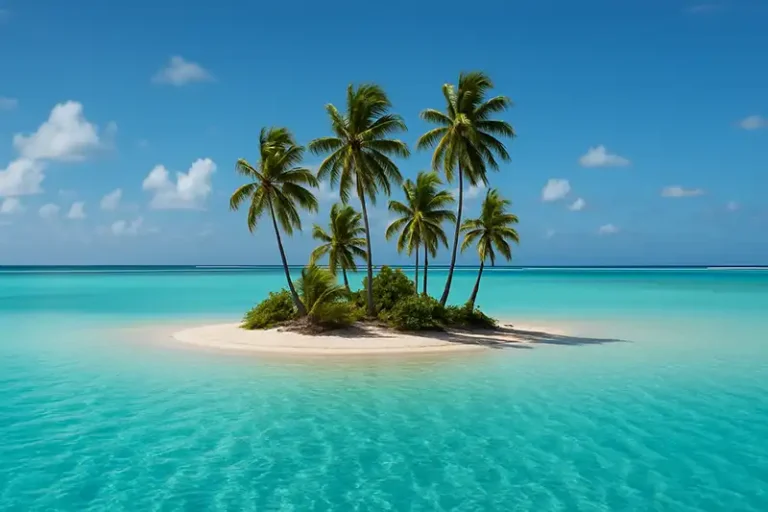
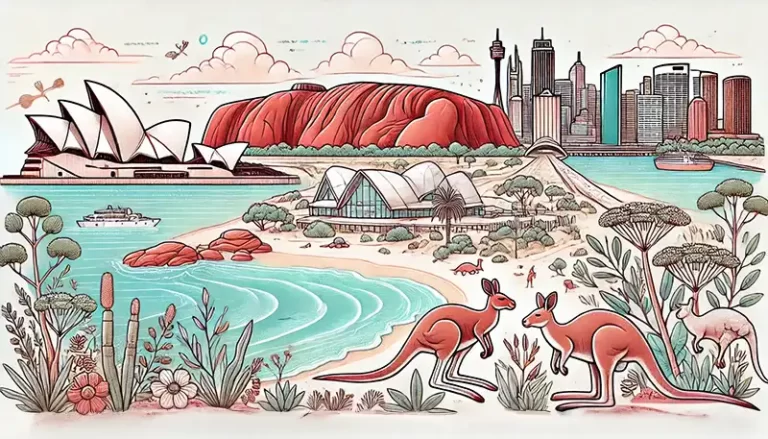
Pacific travel guide overview map and iconic island destination view

Basic Info

COUNTRY & Region

Asia & Pacific

ACCESSIBILITY LEVEL​

  • High: Widely accessible with good facilities for disabilities.
  • Medium: Some accessible options, but limitations exist.
  • Low: Limited accessibility; many barriers for disabilities.
Medium

LOCAL CURRENCY​

Fijian Dollar (FJD)

Price Level

Low – budget‑friendly basics

Medium – moderate mid‑range costs

High – pricey lodging, dining & transport

High

SAFETY LEVEL

5 shields = Excellent – very low crime or conflict.

4 shields = Safe – low risk, routine care.

3 shields = Relatively safe – use normal street smarts.

2 shields = Use caution – higher crime or periodic unrest.

1 shields = Avoid – active conflict or extreme danger.

Scores are derived from multi-year peace, homicide and security indices blended into a single 1-to-5 scale.

Recommended Duration

Overnight, 1-7 days, More than a week

Pacific Overview & Key Highlights

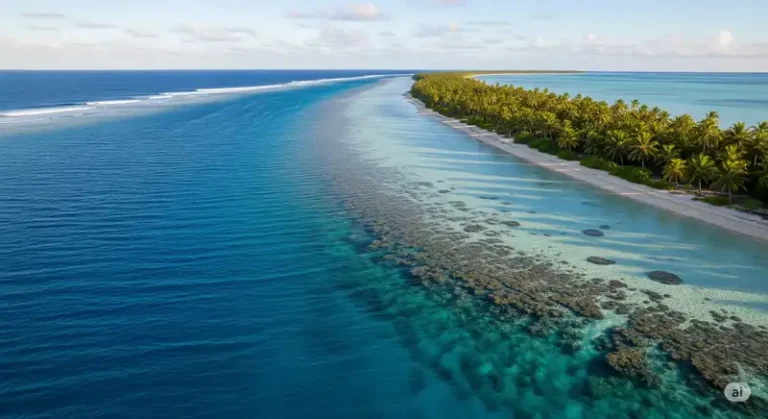
The Pacific is a diverse and breathtaking region characterized by turquoise waters, pristine beaches, and vibrant cultures. From the cosmopolitan cities of Australia and New Zealand to the serene beauty of Fiji, Tahiti, and Samoa, the Pacific offers a perfect mix of relaxation and adventure.

Pacific Travel Guide: Logistics & In-Depth Tips

The Pacific is a paradise for nature lovers, cultural enthusiasts, and those seeking unique island experiences.


Reasons to Visit

  • Discover world-famous landmarks like the Great Barrier Reef in Australia and Milford Sound in New Zealand.
  • Relax on pristine beaches in Fiji, Tahiti, and Samoa.
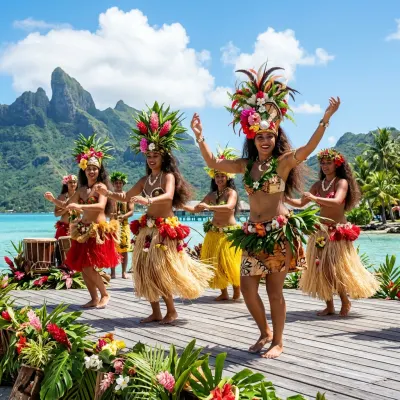
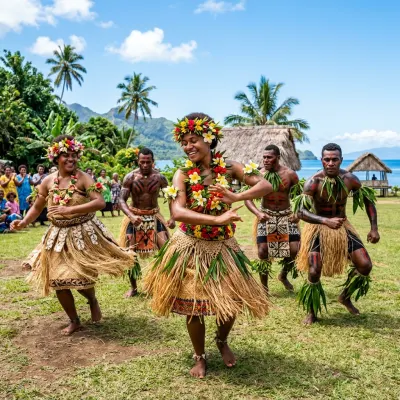
  • Dive into Polynesian culture in places like French Polynesia and Tonga.
  • Explore natural wonders like the Blue Mountains in Australia or the Waitomo Glowworm Caves in New Zealand.
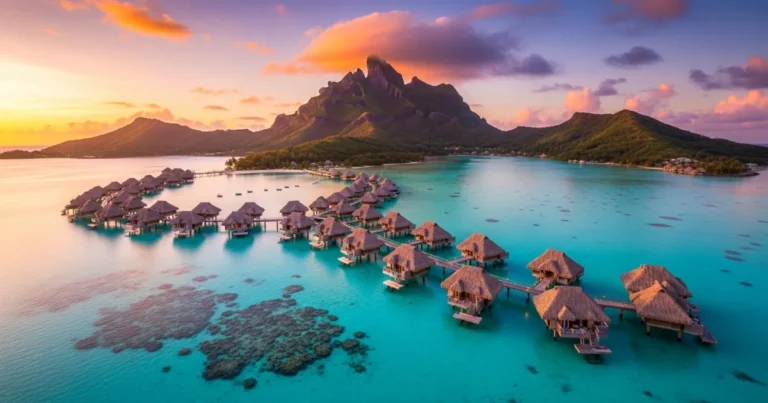
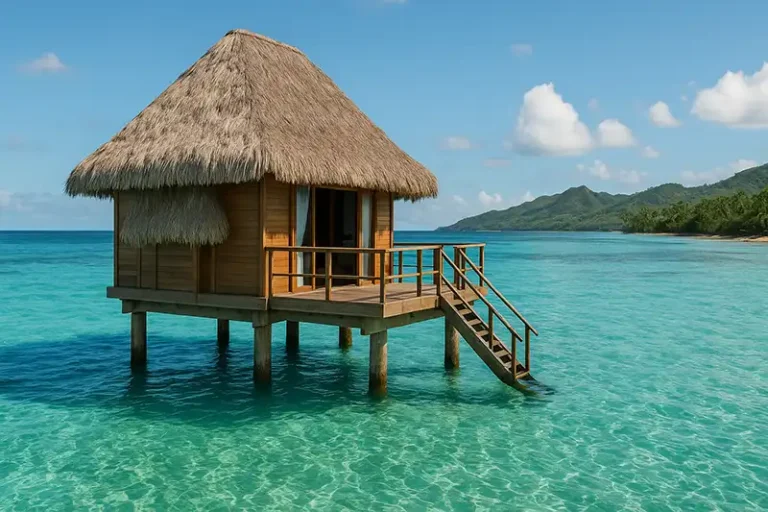
  • Indulge in luxury with overwater bungalows and private island stays.

Things to Avoid

  • Overlooking travel insurance; some remote islands have limited medical facilities.
  • Ignoring weather forecasts; typhoon and cyclone seasons can impact travel plans.


Accessibility Level: Medium

  • Urban areas in Australia and New Zealand have excellent accessibility.
  • Remote islands may have limited facilities for travelers with mobility challenges.


Recommended Age Group

  • Babies (0-2 years): Suitable for resorts and urban areas with family-friendly amenities.
  • Kids (3-12 years): Fun-filled activities like snorkeling, wildlife parks, and cultural shows make it perfect for children.
  • Teens (13-19 years): Teens can enjoy outdoor adventures, water sports, and unique cultural experiences.
  • Adults (20-64 years): Ideal for nature exploration, luxury getaways, and adventure sports.
  • Seniors (65+ years): Accessible resorts and guided tours cater to seniors, though some trails or activities may be challenging.

Address:

Pacific Region

Find Nearby Accommodations

Electricity

220-240V, 
50Hz

Plug Type

Type G (Three rectangular pins in a triangular pattern), Type I (Two flat pins in V-shape, grounding pin)
Plug types
Click To View Plug Types

Activities To Do In Pacific

Best Time To Visit Pacific

The best time to visit the Pacific region depends on your destination:

  • Dry Season (May to October): Ideal for most islands, offering pleasant weather and fewer rains.
  • Wet Season (November to April): Warmer but prone to occasional tropical storms.

Regional Highlights:

  • Australia and New Zealand: Year-round, with summer (December to February) being the most popular.
  • Fiji, Samoa, and French Polynesia: Best during the dry season for sunny skies and calm seas.

Safety Level

5 shields = Excellent – very low crime or conflict.

4 shields = Safe – low risk, routine care.

3 shields = Relatively safe – use normal street smarts.

2 shields = Use caution – higher crime or periodic unrest.

1 shields = Avoid – active conflict or extreme danger.

Scores are derived from multi-year peace, homicide and security indices blended into a single 1-to-5 scale.

Exercise normal travel safety precautions during your visit, as the destination maintains low overall crime rates. Keep personal belongings and valuables secured and out of plain sight when leaving vehicles parked in public areas. If exploring regional waterways or outdoor parks, monitor local weather conditions and observe posted safety guidelines.

The rating is based on multi-year peace, crime, and security indices. Before you go, always verify current conditions through official government travel advisories.

Emergency Numbers

Police: 911
Ambulance: 911

No internet needed • Includes local translations • Free for TravelingWiz readers

Spoken Languages

Varies by Region: Common languages include English (Australia, New Zealand, Pacific territories), French (French Polynesia, New Caledonia), and local Indigenous languages.
Travel Booking Partner - TravelingWiz

Learn The Language

  • Hello: Bula (Fijian), Kia Ora (Maori), Ia Orana (Tahitian)
  • Thank you: Vinaka (Fijian), Merci (French), Fa’afetai (Samoan)
  • Where is…?: Où est…? (French), Kei hea…? (Maori)
  • Goodbye: Tofa (Samoan), Adieu (French), Moce (Fijian)

Trip Cost & Budgeting for Pacific, 2026

Everything you need to know about money while traveling
Is Pacific expensive for tourists in 2026? Yes, travelling across the Pacific is generally costly due to isolated island logistics and resort pricing. Based on Human Verified prices, expect to pay around 5.50 AUD for a cappuccino, 10 AUD for a pint of domestic beer, and 35 AUD for a standard main meal at a mid-range restaurant. Use the data table below to calculate your specific daily budget based on your travel style.

LOCAL CURRENCY​:

Fijian Dollar (FJD)

Price Level:

Low – budget‑friendly basics

Medium – moderate mid‑range costs

High – pricey lodging, dining & transport

High

Cards Vs. Cash

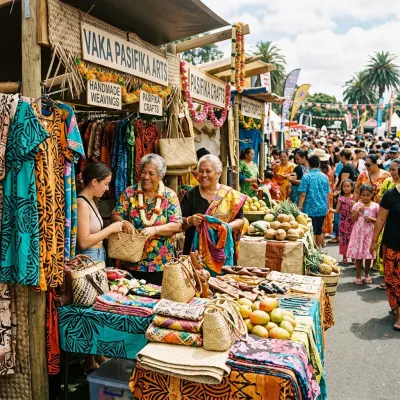
Major resorts accept cards, but cash is essential for local markets, small taxis, and outer island transfers.

How Much Cash to Carry (on you)

Per person, per day – pocket cash for small purchases.

Local: 40
Fijian Dollar (FJD)
≈ 29 USD

Average Daily Costs (per person)

Full daily spend estimation (accommodation, food, transportation, attractions).

Travel Style
Australian Dollar (AUD)
≈ USD ($)
Budget
220
158
Mid-range
400
287
Comfort
880
631
Note

The Prices, Daily costs, and calculator results are estimates for planning purposes only. Actual costs may vary based on season, booking timing, personal spending habits, and currency fluctuations. TravelingWiz cannot be held responsible for discrepancies between these estimates and your final trip expenses.
Best Value Tips

  • • Look for resort packages that include daily breakfast or half-board meals to offset high island dining costs.
  • • Travel during the shoulder seasons like April to May or September to October for lower room rates.
  • • Use public ferries or local transport instead of private charters when traveling between nearby islands.
  • • Stock up on essentials and snacks at mainland supermarkets before transferring to outer island resorts.

Travel Offers & Coupons

Browse travel offers and coupons from our affiliate partners.
Affiliate partner offers

What To Pack

  • Lightweight clothing and swimwear for tropical destinations.
  • Layers for cooler regions like New Zealand or Australian highlands.
  • Reef-safe sunscreen and insect repellent for eco-friendly travel.
  • Snorkeling gear (optional, as rentals are available).
  • A waterproof bag for valuables during water activities.
Only the good stuff!
Browse recommended travel gear
Check out our free packing list tool

Recommended Itineraries for Traveling to Pacific

Take your itinerary with you

Choose a ready-made itinerary, plan your own trip, and keep TravelingWiz by your side while you travel.

Get the TravelingWiz app

Maya’s Final Checklist for Pacific

Logistics shouldn’t be the focus of your trip—the experience should. I’ve hand-vetted these essential partners to ensure your arrival, stay, and exploration are as smooth as an Athenian breeze.

Maya, the human travel expert at TravelingWiz, offering curated, non-AI expertise

Where to Stay

Compare accommodation options and choose a stay that suits your plans and budget.

Air Travel

Compare flight options and find a route that fits your plans.

Local Guides

Connect with local guides for personalized help planning and exploring.

Travel Protection

The “Engineer’s” rule: always have a backup. Secure your trip with a plan that covers every “what if” and unexpected change.

Car Rentals

Compare rental options and choose a car that suits your trip.

Visa Information

Don’t let paperwork slow you down. Get expert assistance with your application to ensure all your entry documents are in order.

FAQs

Visa requirements vary widely by country. Australia and New Zealand require an ETA or eVisitor visa for many nationalities, while nations like Fiji and French Polynesia often grant visa-free entry for short tourist stays. Always check specific entry requirements for each island before booking.
Popular spots include Australia’s Great Barrier Reef, New Zealand’s Milford Sound, and Fiji’s Mamanuca Islands.
Certain destinations, like Fiji and Samoa, offer affordable options, while luxury islands like Bora Bora are premium.
Domestic flights and ferries are the most efficient ways to travel between islands.
The dry season (May to October) offers the best weather for most destinations.
No, you should generally avoid drinking tap water across most Pacific island nations because water quality varies considerably. To prevent waterborne illnesses, you should stick to bottled, boiled, or properly filtered water. While tap water is safe in major urban areas across Australia and New Zealand, smaller and more remote islands require bottled or treated water.
Yes, travel health insurance is essential for any trip to the Pacific. Many outer islands have limited medical facilities and cannot handle critical emergencies. If you require emergency medical evacuation by air to regional hubs in Australia or New Zealand, costs can be extraordinarily high. Make sure your insurance policy covers medical evacuation and water activity accidents.
No, you will need to carry local cash alongside your cards. Major hotels, resorts, and tour operators readily accept credit cards, but cash is essential for paying market vendors, small local taxis, and outer island boat transfers. For detailed spending estimates and currency planning, refer to the Budget section on this page.
You should pack lightweight, breathable clothing, swimwear, and reef-safe sunscreen to protect delicate coral reefs. Bring a reliable insect repellent and a waterproof dry bag to keep your electronics and valuables safe during boat rides. If you plan to visit cooler areas like New Zealand or highland regions, be sure to pack warm layers as well.

Your Insights Matter

TravelingWiz grows through the stories of our community. If you’ve recently explored ,Pacific share your tips and stories to help us perfect our guides for the next traveler.

Where should we send your offline card?

We hate spam just as much as you do

newsletter_consent *