Disclosure: This site contains affiliate links. We may earn a commission if you make a purchase, at no extra cost to you.

Australia

Australia

Basic Info

COUNTRY & Region

Australia,
Asia & Pacific

ACCESSIBILITY LEVEL​

  • High: Widely accessible with good facilities for disabilities.
  • Medium: Some accessible options, but limitations exist.
  • Low: Limited accessibility; many barriers for disabilities.
High

LOCAL CURRENCY​

Australian Dollar (AUD)

Price Level

Low – budget‑friendly basics

Medium – moderate mid‑range costs

High – pricey lodging, dining & transport

High

SAFETY LEVEL

5 shields = Excellent – very low crime or conflict.

4 shields = Safe – low risk, routine care.

3 shields = Relatively safe – use normal street smarts.

2 shields = Use caution – higher crime or periodic unrest.

1 shields = Avoid – active conflict or extreme danger.

Scores are derived from multi-year peace, homicide and security indices blended into a single 1-to-5 scale.

Recommended Duration

1-7 days, More than a week

Australia Overview & Key Highlights

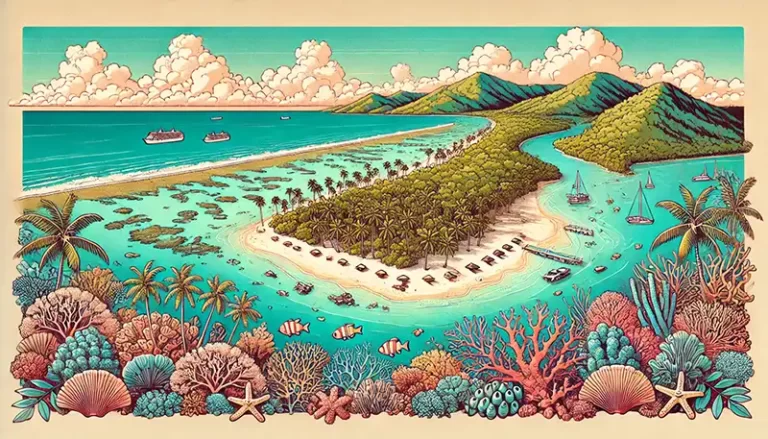
Australia is a vast and diverse country offering everything from vibrant cities like Sydney and Melbourne to the natural wonders of the Great Barrier Reef and Uluru. With unique wildlife, world-class beaches, and rich indigenous heritage, it’s a dream destination for all types of travelers.

Australia Travel Guide: Logistics & In-Depth Tips

Australia’s size means the experiences vary greatly depending on the region. Coastal areas like Queensland are perfect for diving and snorkeling, while the Outback offers rugged landscapes and Aboriginal cultural tours. The cities boast modern attractions, cultural hubs, and gourmet dining.


Things to Do:

  • Snorkel or dive at the Great Barrier Reef.
  • Explore Sydney’s iconic landmarks like the Opera House and Harbour Bridge.
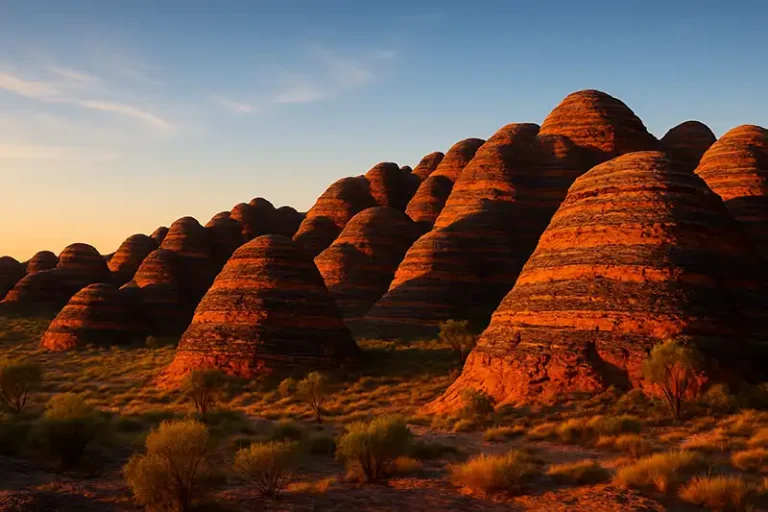
  • Visit Uluru and learn about Aboriginal culture.
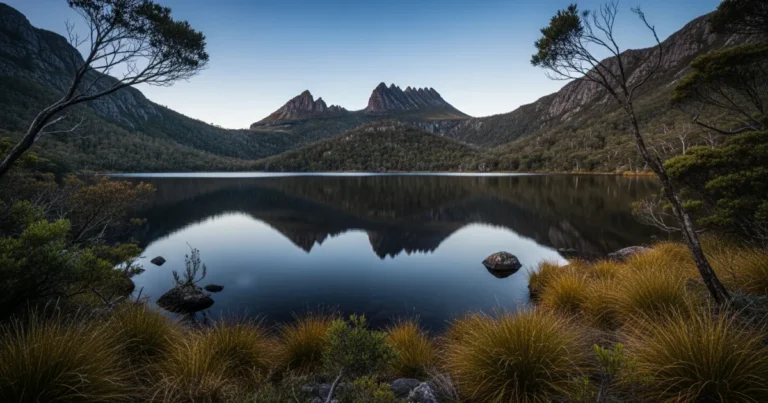
  • Discover unique wildlife in Kangaroo Island or Tasmania.
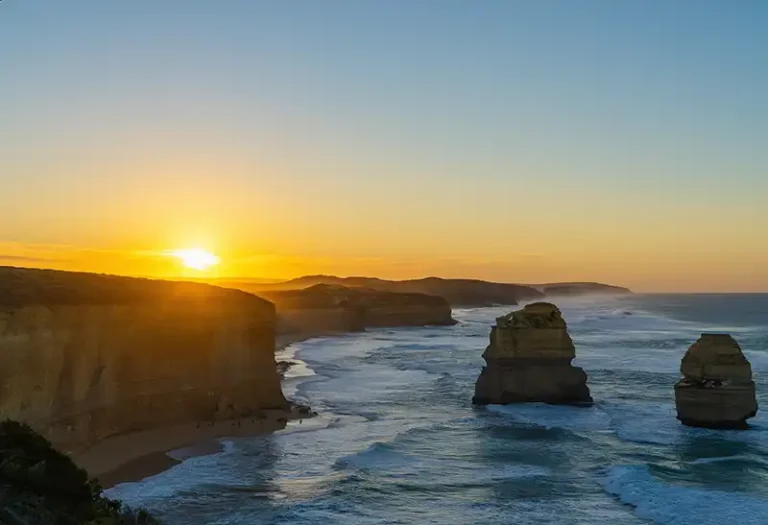
  • Road trip along the Great Ocean Road.


Things to Avoid:

  • Don’t underestimate travel distances; Australia is huge!
  • Avoid swimming in northern waters during jellyfish season (October to May).
  • Skip exploring remote areas without proper preparation or guidance.


Did You Know?

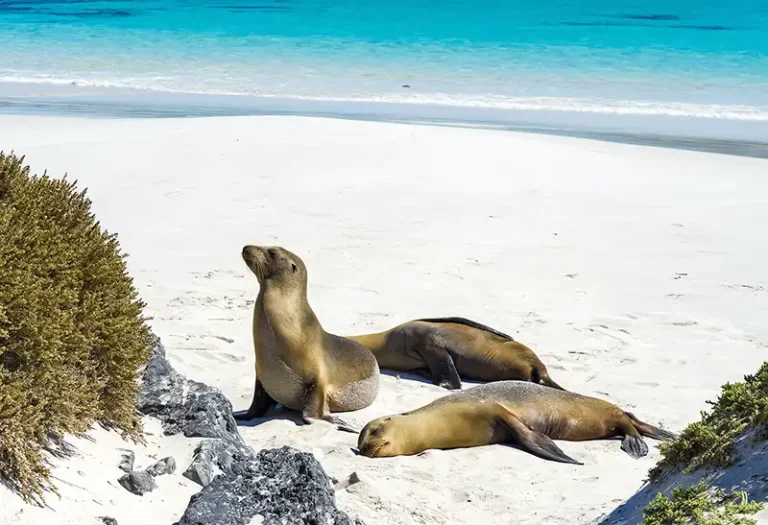
Australia is home to over 10,000 beaches—more than any other country in the world!


Accessibility Level: High

Major cities and tourist attractions offer excellent accessibility, including wheelchair-friendly facilities and public transport. However, remote areas may have limited options.


Recommended Age Group

  • Australia is most suitable for Adults and Teens due to its adventurous, diverse, and recreational opportunities.
    • Babies (0-2 years): Suitable for family trips in urban areas with stroller-friendly attractions.
    • Kids (3-12 years): Recommended for family fun, especially at beaches, zoos, and theme parks.
    • Teens (13-19 years): Ideal for outdoor adventures, sports, and cultural experiences.
    • Adults (20-64 years): Perfect for exploring the country's vast diversity, from cities to wilderness.
    • Seniors (65+ years): Highly recommended for scenic tours, cruises, and relaxed exploration.

Find Nearby Accommodations

Electricity

220-240V, 
50Hz

Plug Type

Type I (Two flat pins in V-shape, grounding pin)
Plug types
Click To View Plug Types
Australia is part of our
Accessible Travel collection

Want a deeper experience in Australia?

Explore private guides and find an experience that suits your interests.

Activities To Do In Australia

Best Time To Visit Australia

  • Best Months: March to May (Autumn) and September to November (Spring).
  • Summer (December-February): Hot and humid in northern areas; ideal for beaches and outdoor festivals in southern regions.
  • Autumn (March-May): Mild weather, fewer crowds, and vibrant foliage in temperate areas.
  • Winter (June-August): Cool weather in the south, with snow in alpine regions; warm and dry in the north.
  • Spring (September-November): Blooming flowers and wildlife activity, with comfortable temperatures nationwide.

Average Temperatures Per Month

Average monthly temperaturesMonthly source values, with Celsius and Fahrenheit equivalents in the following data table.5°41°14°57°23°73°31°88°40°104°JanJan: 32°C / 90°FFebFeb: 30°C / 86°FMarMar: 28°C / 82°FAprApr: 23°C / 73°FMayMay: 16°C / 61°FJunJun: 13°C / 55°FJulJul: 14°C / 57°FAugAug: 17°C / 63°FSepSep: 21°C / 70°FOctOct: 25°C / 77°FNovNov: 27°C / 81°FDecDec: 31°C / 88°F
View temperature data
Average monthly temperatures
Month°C°F
Jan3290
Feb3086
Mar2882
Apr2373
May1661
Jun1355
Jul1457
Aug1763
Sep2170
Oct2577
Nov2781
Dec3188

Remember to check the weather forecast a few days before the trip and before heading to the airport.

Safety Level

5 shields = Excellent – very low crime or conflict.

4 shields = Safe – low risk, routine care.

3 shields = Relatively safe – use normal street smarts.

2 shields = Use caution – higher crime or periodic unrest.

1 shields = Avoid – active conflict or extreme danger.

Scores are derived from multi-year peace, homicide and security indices blended into a single 1-to-5 scale.

Australia is generally very safe for travelers, requiring only routine personal precautions. When visiting beaches, always swim between the red and yellow flags to avoid dangerous rip currents and heed warnings about marine life. If driving through remote Outback areas or bushland, carry extra water, ensure reliable navigation, and stay updated on local weather and seasonal bushfire conditions.

The rating is based on multi-year peace, crime, and security indices. Before you go, always verify current conditions through official government travel advisories.

Emergency Numbers

Police: 000
Ambulance: 000

No internet needed • Includes local translations • Free for TravelingWiz readers

Spoken Languages

The official language is English, with many indigenous languages spoken by Aboriginal communities.
Travel Booking Partner - TravelingWiz

Learn The Language

  • Hello: G’day
  • Thank you: Cheers
  • Where is the nearest beach?: Where’s the nearest beach, mate?
  • Can I have a coffee?: Can I grab a flat white?
  • I need help: I need a hand.
  • Goodbye: Catch ya later

Trip Cost & Budgeting for Australia, 2026

Everything you need to know about money while traveling
Is Australia expensive for tourists in 2026? Yes, Australia remains a high-cost destination, but smart spending makes it manageable. Expect to pay around 5.60 AUD for a cappuccino, 11 AUD for a domestic beer, and 30 AUD for a standard restaurant meal. Based on Human Verified prices, accommodation and dining drive up daily expenses quickly. Use the data table below to calculate your specific daily budget based on your travel style.

LOCAL CURRENCY​:

Australian Dollar (AUD)

Price Level:

Low – budget‑friendly basics

Medium – moderate mid‑range costs

High – pricey lodging, dining & transport

High

Cards Vs. Cash

Australia is almost entirely cashless, with tap-to-pay accepted everywhere from public transport to market stalls.

How Much Cash to Carry (on you)

Per person, per day – pocket cash for small purchases.

Local: 25
Australian Dollar (AUD)
≈ 18 USD

Average Daily Costs (per person)

Full daily spend estimation (accommodation, food, transportation, attractions).

Travel Style
Australian Dollar (AUD)
≈ USD ($)
Budget
140
100
Mid-range
250
179
Comfort
550
394
Note

The Prices, Daily costs, and calculator results are estimates for planning purposes only. Actual costs may vary based on season, booking timing, personal spending habits, and currency fluctuations. TravelingWiz cannot be held responsible for discrepancies between these estimates and your final trip expenses.

Best Value Tips

  • • Cook some meals using local supermarkets like Coles or Woolworths to cut daily food expenses.
  • • Get a transit card like Opal or Myki to benefit from daily and weekend fare caps.
  • • Seek out weekday pub specials for affordable meals like steak nights or chicken parmigiana deals.
  • • Take advantage of Australia's endless free attractions, including public parks, beaches, and national galleries.

Travel Offers & Coupons

Browse travel offers and coupons from our affiliate partners.
Affiliate partner offers

What To Pack

  • Comfortable clothing suitable for the season and region.
  • Sunscreen, hat, and sunglasses for UV protection.
  • Insect repellent for outdoor adventures.
  • Swimwear and reef-safe sunscreen for marine activities.
  • Sturdy walking shoes for hikes and tours.
Only the good stuff!
Browse recommended travel gear
Check out our free packing list tool

Recommended Itineraries for Traveling to Australia

Take your itinerary with you

Choose a ready-made itinerary, plan your own trip, and keep TravelingWiz by your side while you travel.

Get the TravelingWiz app

Maya’s Final Checklist for Australia

Logistics shouldn’t be the focus of your trip—the experience should. I’ve hand-vetted these essential partners to ensure your arrival, stay, and exploration are as smooth as an Athenian breeze.

Maya, the human travel expert at TravelingWiz, offering curated, non-AI expertise

Where to Stay

Compare accommodation options and choose a stay that suits your plans and budget.

Air Travel

Compare flight options and find a route that fits your plans.

Local Guides

Connect with local guides for personalized help planning and exploring.

Travel Protection

The “Engineer’s” rule: always have a backup. Secure your trip with a plan that covers every “what if” and unexpected change.

Car Rentals

Compare rental options and choose a car that suits your trip.

Visa Information

Don’t let paperwork slow you down. Get expert assistance with your application to ensure all your entry documents are in order.

FAQs

Domestic flights are best for long distances, while road trips or trains are ideal for regional travel.
Expect kangaroos, koalas, platypuses, and an array of unique marine life like reef fish and turtles.
Yes, most international visitors need a valid visa or an Electronic Travel Authority (ETA) prior to arrival.
Yes, with proper planning, supplies, and guidance, the Outback is an incredible adventure.
Australia is famous for barbecues, seafood, meat pies, and unique treats like Vegemite and Tim Tams.
Yes, tap water across Australia is safe to drink and adheres to strict national quality standards. You can confidently refill your reusable water bottle from taps, public refill stations, and hotel sinks throughout the country. If you are traveling through remote Outback locations or off-grid camping areas, however, you should always carry your own treated or bottled water supplies.
The best times for you to visit Australia are generally during autumn (March to May) and spring (September to November), when weather conditions are pleasant and moderate nationwide. Keep in mind that seasons in the Southern Hemisphere are reversed, meaning northern regions experience warm, dry winters, while southern cities enjoy lively summer beach weather between December and February.
No, you will rarely need cash because Australia operates almost entirely as a cashless society. Digital payments, contactless credit cards, and mobile tap-to-pay services are accepted virtually everywhere, including public transit, cafes, taxis, and outdoor market stalls. To see specific estimates for daily spending and budgeting advice, check out the Budget section on this page.
Yes, swimming at Australian beaches is safe as long as you stay between the designated red and yellow patrol flags, where professional lifeguards monitor dangerous rip currents. In tropical northern waters, you must take extra precautions between October and May during marine stinger season by swimming inside protective enclosures or wearing a full-body stinger suit.

Your Insights Matter

TravelingWiz grows through the stories of our community. If you’ve recently explored ,Australia share your tips and stories to help us perfect our guides for the next traveler.

Where should we send your offline card?

We hate spam just as much as you do

newsletter_consent *