Disclosure: This site contains affiliate links. We may earn a commission if you make a purchase, at no extra cost to you.

New South Wales

New South Wales, Australia

Basic Info

COUNTRY & Region

Australia,
Asia & Pacific

ACCESSIBILITY LEVEL​

  • High: Widely accessible with good facilities for disabilities.
  • Medium: Some accessible options, but limitations exist.
  • Low: Limited accessibility; many barriers for disabilities.
High

LOCAL CURRENCY​

Australian Dollar (AUD)

Price Level

Low – budget‑friendly basics

Medium – moderate mid‑range costs

High – pricey lodging, dining & transport

High

SAFETY LEVEL

5 shields = Excellent – very low crime or conflict.

4 shields = Safe – low risk, routine care.

3 shields = Relatively safe – use normal street smarts.

2 shields = Use caution – higher crime or periodic unrest.

1 shields = Avoid – active conflict or extreme danger.

Scores are derived from multi-year peace, homicide and security indices blended into a single 1-to-5 scale.

Recommended Duration

1-7 days, More than a week

New South Wales Overview & Key Highlights

New South Wales (or NSW, as locals call it) is a state rich in diverse landscapes, bustling cities, and stunning coastlines. From the vibrant city of Sydney to the serene beauty of the Blue Mountains, NSW offers something for every type of traveler. Adventure lovers can explore the coastal trails, wine enthusiasts can tour the Hunter Valley, and history buffs can visit colonial towns like Bathurst and Goulburn.

New South Wales Travel Guide: Logistics & In-Depth Tips

New South Wales is Australia’s most populous state, home to the world-famous Sydney Opera House, Bondi Beach, and the picturesque South Coast. Visitors can immerse themselves in Indigenous culture, enjoy gourmet dining, and explore national parks filled with unique wildlife. The region is well-connected by road and public transport. From October 2026, the state's accessibility expands significantly with the opening of Western Sydney International (Nancy-Bird Walton) Airport, providing a 24/7 gateway to the region.

Reasons to Visit

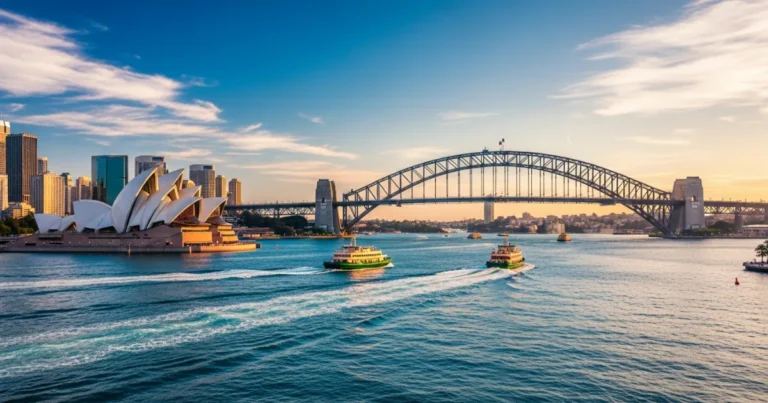
  • Discover world-famous landmarks like the Sydney Opera House and Harbour Bridge.
  • Relax on pristine beaches such as Bondi, Byron Bay, and Jervis Bay.
  • Explore the breathtaking landscapes of the Blue Mountains and Snowy Mountains.
  • Indulge in the renowned food and wine scene, including the Hunter Valley wine region.
  • Experience Indigenous cultural sites and heritage experiences.
  • Enjoy exciting festivals and events, including Vivid Sydney and the Sydney Festival.


Things to Avoid

  • Avoid swimming at unpatrolled beaches due to strong currents.
  • Do not approach or feed wildlife in national parks.
  • Be mindful of sun exposure; wear sunscreen and protective clothing.
  • Avoid underestimating long travel distances when exploring the state.


Did You Know?

  • New South Wales is home to the world’s oldest open cave system, the Jenolan Caves, which are over 340 million years old! Note: The cave precinct is currently closed for major infrastructure and road repairs, with a planned phased reopening starting late 2026!

Cool New South Wales Stats

  • Population: Over 8.7 million residents.
  • Beaches: More than 800 beaches stretch along the coastline.
  • National Parks: Over 870 national parks and reserves covering 7 million hectares.


Accessibility Level: High

New South Wales (NSW) offers extensive accessibility features, including wheelchair-friendly public transportation, accessible public spaces, and accommodations designed to cater to travelers with disabilities.


Recommended Age Group

New South Wales is most suitable for all age groups due to its diverse range of attractions and activities.

  • Babies (0-2 years): Recommended. Family-friendly parks and facilities are widely available.
  • Kids (3-12 years): Recommended. Interactive museums, zoos, and beaches cater to children.
  • Teens (13-19 years): Recommended. Adventure activities, shopping districts, and cultural events appeal to this age group.
  • Adults (20-64 years): Recommended. A wide array of dining, entertainment, and cultural experiences are available.
  • Seniors (65+ years): Recommended. Accessible attractions and leisurely activities are plentiful.

Address:

New South Wales, Australia

Find Nearby Accommodations

Electricity

220-240V, 
50Hz

Plug Type

Type I (Two flat pins in V-shape, grounding pin)
Plug types
Click To View Plug Types
New South Wales is part of our
Accessible Travel collection

Want a deeper experience in New South Wales?

Explore private guides and find an experience that suits your interests.

Activities To Do In New South Wales

Best Time To Visit New South Wales

The best time to visit NSW is from September to November and March to May.

  • Spring (September to November): Mild temperatures and blooming gardens make it ideal for outdoor activities.
  • Summer (December to February): Warm to hot weather, perfect for beach outings and festivals.
  • Autumn (March to May): Comfortable climate with fewer tourists, great for sightseeing.
  • Winter (June to August): Cooler temperatures, suitable for exploring indoor attractions and attending cultural events.

Average Temperatures Per Month

Average monthly temperaturesMonthly source values, with Celsius and Fahrenheit equivalents in the following data table.5°41°14°57°23°73°31°88°40°104°JanJan: 32°C / 90°FFebFeb: 30°C / 86°FMarMar: 28°C / 82°FAprApr: 23°C / 73°FMayMay: 16°C / 61°FJunJun: 13°C / 55°FJulJul: 14°C / 57°FAugAug: 17°C / 63°FSepSep: 21°C / 70°FOctOct: 25°C / 77°FNovNov: 27°C / 81°FDecDec: 31°C / 88°F
View temperature data
Average monthly temperatures
Month°C°F
Jan3290
Feb3086
Mar2882
Apr2373
May1661
Jun1355
Jul1457
Aug1763
Sep2170
Oct2577
Nov2781
Dec3188

Remember to check the weather forecast a few days before the trip and before heading to the airport.

Safety Level

5 shields = Excellent – very low crime or conflict.

4 shields = Safe – low risk, routine care.

3 shields = Relatively safe – use normal street smarts.

2 shields = Use caution – higher crime or periodic unrest.

1 shields = Avoid – active conflict or extreme danger.

Scores are derived from multi-year peace, homicide and security indices blended into a single 1-to-5 scale.

New South Wales is exceptionally safe for travelers, with authorities recommending standard safety precautions throughout the state. When visiting beaches, always swim between the red and yellow flags where lifeguards are stationed to avoid powerful rip currents. If venturing into regional outback or national park areas, monitor bushfire and weather alerts using local emergency apps and carry ample water.

The rating is based on multi-year peace, crime, and security indices. Before you go, always verify current conditions through official government travel advisories.

Emergency Numbers

Police: 000
Ambulance: 000

No internet needed • Includes local translations • Free for TravelingWiz readers

Spoken Languages

The official language is English, and many tourism operators speak multiple languages.
Travel Booking Partner - TravelingWiz

Learn The Language

  • Hello = G’day
  • Thank you = Cheers
  • Where is the nearest beach? = Where’s the nearest beach, mate?
  • How much does this cost? = How much is this?
  • Goodbye = See ya later!
  • Can I get directions? = Could you point me in the right direction?

Trip Cost & Budgeting for New South Wales, 2026

Everything you need to know about money while traveling
Is New South Wales expensive for tourists in 2026? Yes, New South Wales ranks high on travel costs. Based on Human Verified prices, expect to pay around 5.60 AUD for a cappuccino, 11 AUD for a pint of domestic beer, and 25 AUD for a standard main meal at a casual restaurant. Lodging and dining can quickly add up across Sydney and regional hot spots. Use the data table below to calculate your specific daily budget based on your travel style.

LOCAL CURRENCY​:

Australian Dollar (AUD)

Price Level:

Low – budget‑friendly basics

Medium – moderate mid‑range costs

High – pricey lodging, dining & transport

High

Cards Vs. Cash

Credit cards and contactless digital payments are accepted almost everywhere in New South Wales, making cash rarely necessary.

How Much Cash to Carry (on you)

Per person, per day – pocket cash for small purchases.

Local: 30
Australian Dollar (AUD)
≈ 22 USD

Average Daily Costs (per person)

Full daily spend estimation (accommodation, food, transportation, attractions).

Travel Style
Australian Dollar (AUD)
≈ USD ($)
Budget
175
125
Mid-range
320
229
Comfort
700
502
Note

The Prices, Daily costs, and calculator results are estimates for planning purposes only. Actual costs may vary based on season, booking timing, personal spending habits, and currency fluctuations. TravelingWiz cannot be held responsible for discrepancies between these estimates and your final trip expenses.

Best Value Tips

  • Use Opal card off-peak discounts and daily fare caps for public transport across Sydney and regional rail trips.
  • Look for pub meal specials like steak or chicken parmi nights, as well as affordable eats in Chinatown.
  • Enjoy top free attractions including the Bondi to Coogee coastal walk and the Art Gallery of New South Wales.
  • Purchase snacks and breakfast supplies at major supermarkets like Coles or Woolworths to trim daily food expenses.

Travel Offers & Coupons

Browse travel offers and coupons from our affiliate partners.
Affiliate partner offers

What To Pack

  • Comfortable hiking shoes for outdoor exploration.
  • Swimwear and sun protection for beach visits.
  • Warm clothing for winter months in the Blue Mountains and Snowy Mountains.
  • Camera for capturing stunning landscapes and cityscapes.
Only the good stuff!
Browse recommended travel gear
Check out our free packing list tool

Recommended Itineraries for Traveling to New South Wales

Take your itinerary with you

Choose a ready-made itinerary, plan your own trip, and keep TravelingWiz by your side while you travel.

Get the TravelingWiz app

Maya’s Final Checklist for New South Wales

Logistics shouldn’t be the focus of your trip—the experience should. I’ve hand-vetted these essential partners to ensure your arrival, stay, and exploration are as smooth as an Athenian breeze.

Maya, the human travel expert at TravelingWiz, offering curated, non-AI expertise

Where to Stay

Compare accommodation options and choose a stay that suits your plans and budget.

Air Travel

Compare flight options and find a route that fits your plans.

Local Guides

Connect with local guides for personalized help planning and exploring.

Travel Protection

The “Engineer’s” rule: always have a backup. Secure your trip with a plan that covers every “what if” and unexpected change.

Car Rentals

Compare rental options and choose a car that suits your trip.

Visa Information

Don’t let paperwork slow you down. Get expert assistance with your application to ensure all your entry documents are in order.

FAQs

NSW is famous for Sydney, the Blue Mountains, wine regions, and its stunning beaches.
Costs vary, but budget-friendly options are available alongside luxury experiences.
NSW has an excellent transport network, including trains, buses, ferries, and car rentals.
Bondi Beach, Byron Bay, Jervis Bay, and Manly Beach are some of the top picks.
International travelers typically require a visa. Check the Australian government website for details.
The best times to visit are during spring (September to November) and autumn (March to May). During these shoulder seasons, you will enjoy pleasant weather, blooming scenery, and manageable crowds for outdoor activities. Summer offers great beach weather despite warmer temperatures, while winter is ideal for snow sports in the mountains and cultural city events.
Yes, you can safely drink tap water throughout New South Wales and across Australia. Tap water is strictly regulated to high health and quality standards, making it safe and readily available in hotels, restaurants, and public water fountains. Bringing a reusable water bottle will help you stay hydrated while traveling across cities and national parks.
You should always swim between the red and yellow flags where professional lifeguards actively monitor conditions and water safety. Strong ocean currents and dangerous rips are common along the coastline, so avoid swimming at unpatrolled beaches. Additionally, protect yourself from intense sun exposure by applying high-SPF sunscreen, wearing protective swimwear, and staying hydrated throughout the day.
No, you rarely need physical cash because credit cards and contactless digital payments are accepted almost everywhere across the state. Having a small amount of cash can still be handy for remote rural areas or occasional market stalls. For a detailed breakdown of estimated daily expenses and spending styles, refer to the Budget section on this page.

Your Insights Matter

TravelingWiz grows through the stories of our community. If you’ve recently explored ,New South Wales share your tips and stories to help us perfect our guides for the next traveler.

Where should we send your offline card?

We hate spam just as much as you do

newsletter_consent *