>
>
Tuvalu
The airport runway in Funafuti, Tuvalu, used as a park.

Intro

One of the smallest and least-visited sovereign nations in the world, Tuvalu is a tiny, remote archipelago of low-lying coral atolls in the South Pacific. It is a destination for the ultimate travel enthusiast, offering a unique glimpse into a peaceful Polynesian culture and the stark reality of a nation on the front lines of climate change.

Additional Information

A trip to Tuvalu is a journey to a place where life is simple and community is everything. The country is comprised of nine tiny atolls, with the capital, Funafuti, being the most populated. The most unique feature of the capital is its airport runway, which is unfenced and serves as the nation's main public park, playground, and social hub in the evenings when flights are not operating. There are very few cars, and life moves at an incredibly slow pace. The main activities are swimming in the beautiful Funafuti Conservation Area, experiencing the local culture, and simply relaxing.

Like its neighbor Kiribati, Tuvalu's existence is threatened by rising sea levels. A visit here is a chance to experience a unique and gentle culture that may not be here forever. With only a handful of guesthouses and virtually no tourist infrastructure, Tuvalu offers a truly authentic and unforgettable off-the-grid experience.


Reasons to Visit

  • Visit One of the World's Least-Visited Countries: Experience a destination that is truly untouched by commercial tourism.
  • Unique Airport Culture: Witness the unique daily life of a capital city that revolves around its airport runway.
  • Authentic Polynesian Culture: Immerse yourself in the friendly, peaceful, and traditional culture of the Tuvaluan people.
  • A Nation on the Brink: Gain a profound, firsthand understanding of the human impact of climate change and rising sea levels.


Things to Avoid

  • Expecting Any Luxuries: Infrastructure is extremely basic. Be prepared for simple accommodation, limited food options, and potential power outages.
  • Disrespecting the Sunday Sabbath: Sunday is a day of rest and church. Behave quietly and respectfully.
  • Wasting Water: Fresh water is a very precious and limited resource on the atolls. Be extremely conservative with your water usage.
  • Wearing Revealing Clothing: Tuvalu is a conservative Christian society. It is very important to dress modestly at all times.


Local Transportation Tips

On the main atoll of Funafuti, the main way to get around is by renting a scooter. There are a few taxis available. Travel between the atolls is by an infrequent government-run ferry service, which is a long and basic journey.


Travel Etiquette

  • Greetings: A friendly "Talofa" (Hello) is the standard greeting.
  • Modest Dress: Women should wear dresses or skirts that cover the knees, and both men and women should cover their shoulders. Swimming in a bikini is only acceptable at designated tourist spots.
  • Community-Oriented Culture: The community is very important. Be friendly, smile, and engage with the incredibly welcoming local people.
  • Asking Permission: Always ask before taking photos of people.


Did You Know?

Did you know? Tuvalu's primary source of national income comes from leasing its highly desirable internet domain name, ".tv," to media companies around the world.


Cool Tuvalu Stats

  • A Tiny Nation: Tuvalu is the fourth-smallest country in the world by land area.
  • Highest Point: The highest elevation in the entire country is just 4.6 meters (15 feet) above sea level.
  • Least Visited: Tuvalu is often cited as the least-visited country in the world, with only a few thousand visitors per year.


Recommended Age Group

Tuvalu is suitable only for the most intrepid, self-sufficient, and culturally sensitive Adults who are interested in experiencing one of the world's most remote cultures.

  • Babies (0-2 years): Not recommended.
  • Kids (3-12 years): Not recommended.
  • Teens (13-19 years): Not recommended.
  • Adults (20-64 years): Recommended only for experienced travelers seeking a unique cultural experience and who are prepared for extremely basic conditions.
  • Seniors (65+ years): Not recommended.


Accessibility Level: Low

  • There is no accessibility infrastructure in Tuvalu.
  • The terrain is flat, but consists of unpaved, sandy, or gravel paths.
  • There is no accessible public transport or accommodation.
  • The infrastructure is extremely basic.


Address:

Tuvalu, Pacific

Find Nearby Accommodations

Basic Info

address icon

COUNTRY & Region

Tuvalu,
Pacific
Low
Currency icon

LOCAL CURRENCY​

Australian Dollar (AUD)
Price level icon
High
Safety Level icon
Duration icon

Recommended Duration

• 1-7 days

Electricity

electricity icon

Electricity

220-240V,
50Hz
Plug Socket icon

Plug Type

• Type I (Two flat pins in V-shape, grounding pin)
Plug types
Click To View Plug Types

Activities To Do In Tuvalu

Best Time To Visit

The best time to visit Tuvalu is during the drier part of the year to avoid the worst of the rains.

  • Dry Season (March to November): This is the best time to visit, with a lower chance of rainfall and tropical storms. The weather is hot and humid year-round.
  • Wet Season (December to February): This period sees a higher chance of heavy rainfall and is the main cyclone season.

Remember to check the weather forecast a few days before the trip and before heading to the airport.

Safety Level icon

SAFETY Level

Tuvalu is an exceptionally safe country with virtually no crime. The community is small, tight-knit, and very welcoming to the few visitors it receives. The biggest safety concerns are environmental, such as being careful with water conservation and protecting yourself from the strong equatorial sun. There are no significant crime-related risks for travelers in this peaceful and remote island nation.

The rating is based on multi-year peace, crime, and security indices. Before you go, always verify current conditions through official government travel advisories.

Spoken Languages

The official languages are Tuvaluan and English.

Learn The Language

  • Talofa (tah-loh-fah): Hello
  • Fafetai (fah-feh-ta-i): Thank you
  • Ao / Ikai (ow / ee-ka-i): Yes / No
  • Tofa (toh-fah): Goodbye
  • Fakamolemole (fah-kah-moh-leh-moh-leh): Please

Trip Cost & Budgeting for Tuvalu, 2026

Everything you need to know about money while traveling
Is Tuvalu expensive for tourists in 2026? Yes, Tuvalu is generally considered a high-cost destination for tourists, largely due to its remote location and limited infrastructure. Expect to pay around AUD 3.00 for a cappuccino, AUD 17.00 for a pint of domestic beer, and AUD 18.00 for a standard main meal in a mid-range restaurant. These Human Verified prices reflect the unique challenges and limited options available. Use the data table below to calculate your specific daily budget based on your travel style.
Currency icon

LOCAL CURRENCY​:

Australian Dollar (AUD)
Price level icon
High
Tuvalu is a cash-based society; ATMs are limited, and credit cards are not widely accepted.

Per person, per day – pocket cash for small purchases.

Local: 40
Australian Dollar (AUD)
≈ 26 USD

Full daily spend estimation (accomodation, food, transportation, attractions).

Travel Style
Australian Dollar (AUD)
≈ USD ($)
Budget
100
66
Mid-range
190
126
Comfort
410
271

The Prices, Daily costs, and calculator results are estimates for planning purposes only. Actual costs may vary based on season, booking timing, personal spending habits, and currency fluctuations. TravelingWiz cannot be held responsible for discrepancies between these estimates and your final trip expenses.

  • Stay in guesthouses or homestays for more affordable accommodation options.
  • Purchase food from local markets and prepare your own meals to save on dining costs.
  • Utilize walking or bicycle rentals for local transport on Funafuti.
  • Consider traveling during shoulder seasons when accommodation rates may be lower.

Pre-Order Tickets

Avoid disappointment when tickets sell out — and skip the long lines by booking online in advance. You’ll often save up to 20% too.
Save up to 20%

Travel Discounts & Coupons

Save on hotels, attractions, transport, and gear — find verified discounts for smarter travel spending.
Verified Coupons

What To Pack

Light, modest clothing, A water filter or purification tablets, A good book, A headlamp, Cash (Australian Dollars)

We couldn't find tips for Tuvalu.
If you got any, please share

Recommended Itineraries for this Destination

We couldn't find itineraries for Tuvalu.
you can contact us for custom trip plan

Food & Drink Highlights

Local Food Overview

The cuisine of Tuvalu is a traditional Polynesian fare based on the limited but rich resources of its nine atolls. The diet is centered on coconut, taro, breadfruit, and pandanus, with a heavy reliance on seafood. The food is simple, fresh, and often cooked in an earth oven ('umu').
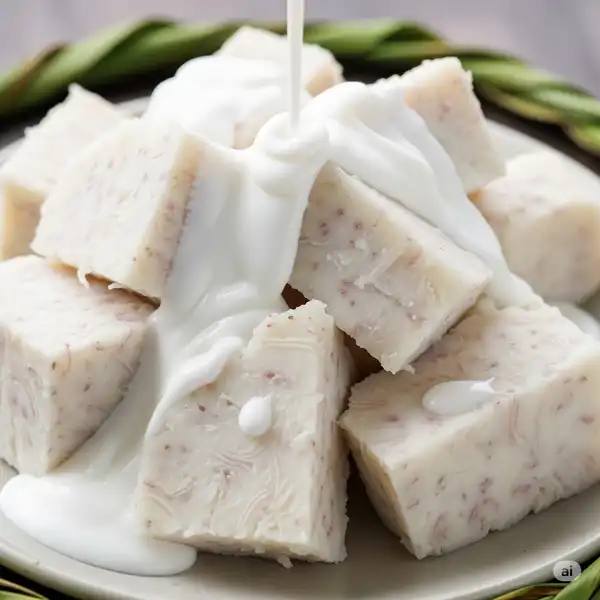
Slices of cooked Pulaka (swamp taro) from Tuvalu.

Must Try Dish

Pulaka: This is a key staple food in Tuvalu, a variety of giant swamp taro that is a crucial and resilient food source. A simple and authentic vegetarian preparation is boiled pulaka, where the dense, starchy root is cooked until tender and then often served with fresh coconut cream. It is the foundation of the Tuvaluan diet and a true taste of the islands.

Food Experiences

No food experience found

GetReady

Plan your trip seamlessly with our trusted partners and expert guidance. Follow these steps to book everything you need or connect with a local tour guide for personalized support

Step 1: Find the Perfect Accommodation

Explore a wide range of hotels, boutique stays, and vacation rentals to suit every traveler’s needs and budget. From luxury options to cozy family stays, find the best place for your trip.

Step 2: Book Your Flights

Secure the best flight deals for your destination. With our trusted partners, booking flights is quick and hassle-free.

Step 3: Let a Tour Guide Help

Not sure where to start? A professional local tour guide can create a customized itinerary or assist you in planning your trip. Make your journey seamless and stress-free.

Step 4: Rent a Car

Travel at your own pace by renting a car. Whether you’re exploring cities or embarking on a road trip, find reliable and convenient car rental options.

Step 5: Get Travel Insurance

Protect yourself and your loved ones with comprehensive travel insurance. Our partners offer plans to cover every aspect of your journey.

Step 6: Need a Visa?

Check visa requirements for your destination and apply quickly with trusted services. Simplify the process and ensure you’re ready to travel without delays.

FAQs

Tuvalu is a remote island nation located in the Polynesian subregion of Oceania in the Pacific Ocean, situated about midway between Hawaii and Australia.
While local life is not expensive, travel to Tuvalu can be costly due to the very expensive flights required to get there. Once on the island, accommodation and food are moderately priced.
Getting to Tuvalu is very difficult. There are only a few flights per week to the capital, Funafuti, primarily from Fiji. Flights are often canceled or delayed, so a flexible schedule is essential.
Tuvalu is famous for being one of the smallest and least-visited countries in the world. The country of Tuvalu is also famous for its vulnerability to rising sea levels, which threatens its existence, and for its unique airport runway that doubles as a public park.
Yes, Tuvalu is an extremely safe country with virtually no crime. The main safety concerns are health-related and being prepared for the remote location and basic infrastructure.

Help Us Improve

If you visited
Tuvalu
click here to share your tips and stories.

This will help us improve our guides for the entire travelers community.

Related Articles

Check out our related articles and blog posts to learn even more about the destination.
No related articles found

Don’t Travel Alone

Share with your friends and family

Join travel lovers and get exclusive travel tips, coupons and more!

Register

Now!