Disclosure: This site contains affiliate links. We may earn a commission if you make a purchase, at no extra cost to you.

>
>
Chile
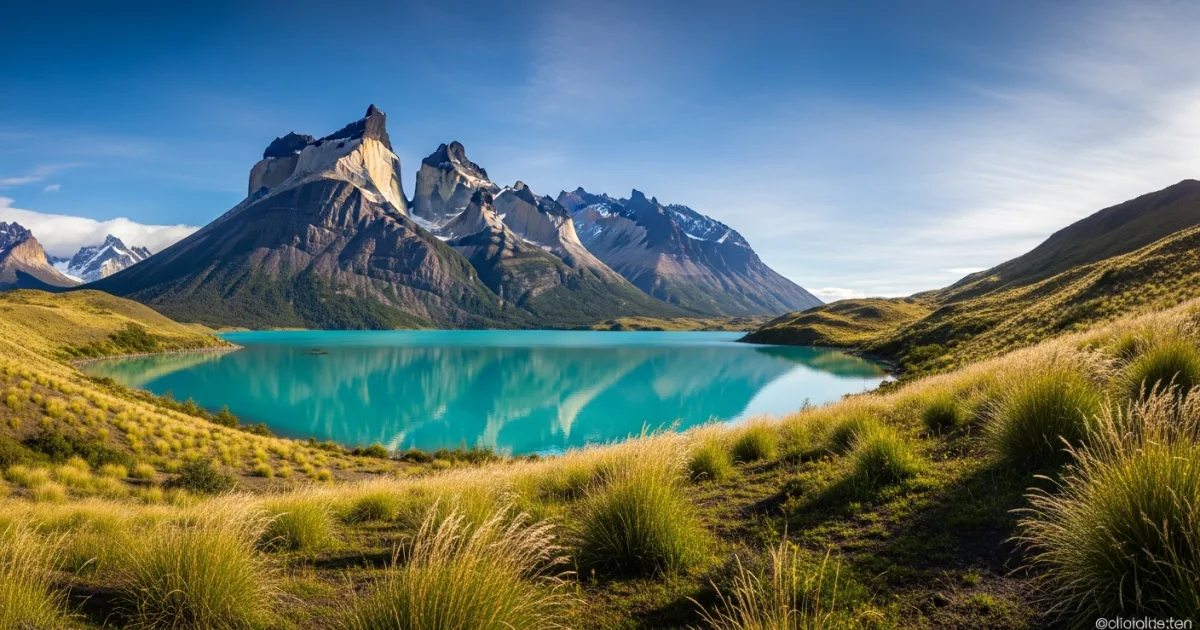
Panoramic view of the granite peaks of Torres del Paine National Park in Chile

Chile Overview & Key Highlights

Chile is a land of extreme geographical contrasts, stretching over 4,300 kilometers along the western edge of South America. Bordered by the towering Andes Mountains to the east and the vast Pacific Ocean to the west, this slender nation offers an unparalleled diversity of landscapes. Visitors can explore the hyper-arid Atacama Desert in the north, wander through the lush vineyards of the Central Valley, and marvel at the jagged granite peaks and ancient glaciers of Patagonia in the deep south. The country's unique topography creates a natural playground for outdoor enthusiasts, astrotourism aficionados, and wine lovers alike. Traveling through Chile requires careful planning due to its immense length and varying climates, but the rewards are extraordinary. The capital city, Santiago, serves as a vibrant cultural hub and a strategic starting point for most itineraries. From there, well-connected domestic flights and scenic highways make it possible to transition from stargazing under the world's clearest skies to trekking the legendary W Circuit in Torres del Paine National Park. Whether you are seeking high-altitude adventures, world-class culinary experiences, or serene moments in untouched wilderness, Chile delivers a deeply enriching and unforgettable journey.

Chile Travel Guide: Logistics & In-Depth Tips

Chile's geography is its defining feature, creating a destination where you can experience the driest desert in the world, lush temperate rainforests, and massive glacial ice fields all within one country. The Andes mountain range forms a continuous eastern border, offering world-class skiing in the winter and spectacular hiking in the summer. Meanwhile, the Pacific coastline provides endless beaches, rugged cliffs, and a bounty of fresh seafood that defines much of the local culinary scene.

Beyond its natural wonders, Chile boasts a rich cultural heritage. The bohemian port city of Valparaíso enchants visitors with its colorful hillside homes and vibrant street art, while the mystical Easter Island (Rapa Nui) offers a glimpse into ancient Polynesian history. Chilean hospitality is warm and welcoming, and the country's infrastructure is among the best in South America, making it an accessible yet deeply adventurous destination for all types of travelers.

Reasons to Visit

  • Unmatched Landscapes: From the lunar valleys of the Atacama to the granite spires of Torres del Paine.
  • World-Class Wine: Tour the historic vineyards of the Maipo, Colchagua, and Casablanca valleys.
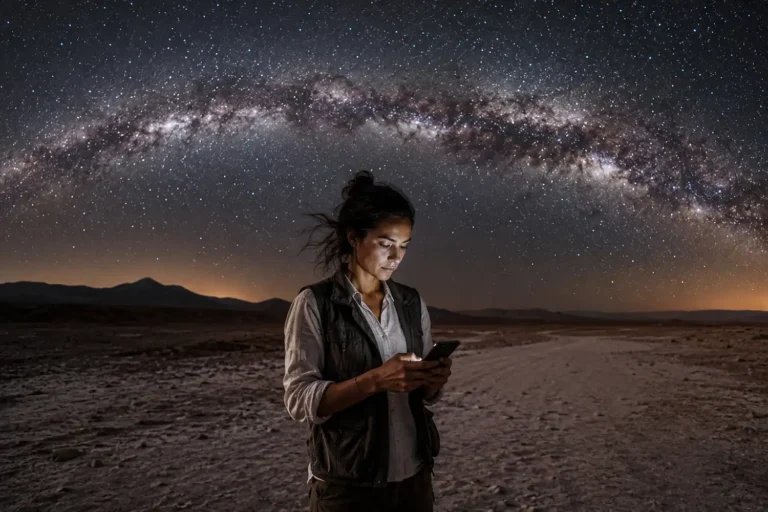
  • Astrotourism: Experience the clearest night skies on Earth in the Elqui Valley and Atacama Desert.
  • Outdoor Adventure: Trekking, mountaineering, white-water rafting, and skiing are all top-tier.
  • Unique Wildlife: Spot pumas, guanacos, penguins, and flamingos in their natural habitats.

Things to Avoid

  • Bringing agricultural products: Chile's SAG (Agricultural and Livestock Service) is incredibly strict; declare everything or face massive fines.
  • Underestimating travel times: Chile is over 4,000 km long. Don't try to cram the north and south into a short trip without booking flights.
  • Ignoring altitude: If visiting the Atacama or the Andes, take time to acclimatize to avoid altitude sickness.
  • Walking alone at night in big cities: Exercise standard urban caution in Santiago and Valparaíso.

Local Transportation Tips

Chile has an excellent transportation network. Domestic flights via LATAM, SKY, and JetSmart are the most practical way to cover the country's massive distances. For shorter regional trips, the long-distance bus system is luxurious, affordable, and highly reliable, with options ranging from standard seats to fully reclining 'cama' (bed) seats. In Santiago, the Metro is clean, safe, and efficient for navigating the city. Renting a car is a fantastic option for exploring the Lake District or driving the famous Carretera Austral, though roads in remote areas can be unpaved and challenging.

Travel Etiquette

  • Greetings: A single kiss on the right cheek is the standard greeting among friends and acquaintances, even upon first meeting (though a handshake is fine in formal business settings).
  • Tipping: A 10% tip (propina) is standard in restaurants and is usually added to the bill automatically; you simply confirm if you want to include it.
  • Punctuality: Social events often start later than the stated time (the 'Chilean hour'), but tours and flights operate strictly on time.
  • Respecting Nature: When hiking in national parks, strictly adhere to marked trails and never light unauthorized fires, as wildfires are a severe threat.

Recommended Age Group

Chile offers diverse experiences that cater to various age groups, though its extreme geography requires some consideration.

  • Babies (0-2 years): Neutral. While Chile is safe and has good medical facilities, the extreme altitudes in the north and harsh weather in the deep south can be challenging for infants.
  • Kids (3-12 years): Recommended. Children will love the wildlife, beaches, and accessible nature parks, though long travel distances require patience.
  • Teens (13-19 years): Recommended. An incredible destination for active teens interested in hiking, sandboarding, surfing, and outdoor adventures.
  • Adults (20-64 years): Recommended. Perfect for wine tasting, challenging multi-day treks, and exploring diverse cultural and natural landscapes.
  • Seniors (65+ years): Recommended. Excellent infrastructure, comfortable luxury lodges, and accessible scenic tours make it highly enjoyable, provided high-altitude areas are approached with care.

Accessibility Level: Medium

  • Santiago offers decent accessibility with ramps, elevators in Metro stations, and paved sidewalks, though some older neighborhoods can be uneven.
  • Major tourist attractions and national parks, such as Torres del Paine, are increasingly offering wheelchair-accessible trails and viewpoints.
  • High-end hotels and modern infrastructure generally comply with accessibility standards, but budget accommodations and rural areas may present significant barriers.
  • Domestic airlines and major bus companies provide assistance for travelers with mobility issues, but it is highly recommended to arrange this in advance.

Did You Know?

Chile is home to the oldest mummies in the world. The Chinchorro mummies, found in the northern part of the country, predate the Egyptian mummies by over two thousand years. Additionally, Chile is the longest country in the world from north to south, yet it averages only 177 kilometers in width.

Cool Statistics

  • Length: 4,270 kilometers (2,653 miles) from north to south.
  • Volcanoes: Home to over 2,000 volcanoes, with around 500 considered potentially active.
  • World Heritage Sites: 7 UNESCO World Heritage sites, including Rapa Nui National Park and the Historic Quarter of Valparaíso.
  • Wine Production: The 6th largest wine producer in the world.

Address:

Chile

Find Nearby Accommodations

Basic Info

address icon

COUNTRY & Region

Chile,
South America

ACCESSIBILITY LEVEL​

Medium
Currency icon

LOCAL CURRENCY​

Chilean Peso (CLP)
Price level icon
Medium
Safety Level icon

SAFETY LEVEL

Duration icon

Recommended Duration

• 1-7 days
• More than a week

Electricity

electricity icon

Electricity

220-240V, 
50Hz
Plug Socket icon

Plug Type

• Type C (Round pin)
• Type L (Three round pins in line)
Plug types
Click To View Plug Types
Chile is part of our
Off-Grid Glamping collection

Things To Do In Chile

Total: 5

Sunset over the rugged rock formations of Valle de la Luna in the Atacama Desert
Atacama Desert is Earth's driest non-polar desert. Plan stargazing and Valle de la Luna tours with this 2026 travel guide.
Chilean Patagonia
Explore the epic wilderness of Chilean Patagonia, home to the iconic granite towers of Torres del Paine, vast glaciers, and pristine fjords.

Activities To Do In Chile

Best Time To Visit Chile

The best time to visit Chile depends entirely on the region you plan to explore.

  • Patagonia (South): November to March offers the warmest weather and longest daylight hours for hiking, though winds can be fierce.
  • Atacama Desert (North): Year-round destination, but spring (September to November) and autumn (March to May) provide the most comfortable daytime temperatures.
  • Santiago & Central Valleys: September to November (Spring) and February to May (Autumn) are ideal for wine tasting and pleasant city exploration.

Average Temperatures Per Month

Remember to check the weather forecast a few days before the trip and before heading to the airport.

Safety Level icon

Safety Level

Chile is generally one of the safest countries in South America. However, petty theft and pickpocketing are common in crowded areas of Santiago, Valparaíso, and bus terminals. Keep valuables out of sight and avoid walking alone at night in unlit areas. Be aware that Chile is highly seismically active; familiarize yourself with earthquake protocols. When hiking in Patagonia or the Andes, always check weather conditions and register with park rangers.

The rating is based on multi-year peace, crime, and security indices. Before you go, always verify current conditions through official government travel advisories.

Emergency Numbers

Police: 133
Ambulance: 131

No internet needed • Includes local translations • Free for TravelingWiz readers

Spoken Languages

Spanish is the official language. Chilean Spanish is known for being spoken rapidly and heavily utilizing local slang (chilenismos). English is commonly understood in major tourist hubs, hotels, and by tour operators, but less so in rural areas. Indigenous languages like Mapudungun and Rapa Nui are spoken in specific regions.

Learn The Language

  • Hola (Hello)
  • Gracias (Thank you)
  • Por favor (Please)
  • ¿Cuánto cuesta? (How much does it cost?)
  • ¿Dónde está el baño? (Where is the bathroom?)
  • La cuenta, por favor (The bill, please)
  • Sí / No (Yes / No)
  • ¿Cachai? (Do you understand? – Common Chilean slang)
Travel Booking Partner - TravelingWiz

Trip Cost & Budgeting for Chile, 2026

Everything you need to know about money while traveling
Is Chile expensive for tourists in 2026? While it is one of South America's pricier destinations, it remains highly accessible for mid-range travelers. Based on our Human Verified prices, you can expect to pay around 2,800 CLP for a cappuccino, 3,500 CLP for a domestic beer, and 15,000 CLP for a standard mid-range meal. Use the data table below to calculate your specific daily budget based on your travel style. With TravelingWiz's Human Verified data, a typical traveler should expect to spend around $135 USD per day for a mid-range trip in Chile. Click the Trip Cost Calculator button below the table to work out your personal budget for this trip.
Currency icon

LOCAL CURRENCY​:

Chilean Peso (CLP)
Price level icon
Medium
Credit cards are widely accepted in Chilean cities, but carrying cash is essential for rural areas and small vendors.

Per person, per day – pocket cash for small purchases.

Local: 25000
Chilean Peso (CLP)
≈ 27 USD

Full daily spend estimation (accommodation, food, transportation, attractions).

Travel Style
Chilean Peso (CLP)
≈ USD ($)
Budget
68750
74
Mid-range
125000
135
Comfort
275000
297

The Prices, Daily costs, and calculator results are estimates for planning purposes only. Actual costs may vary based on season, booking timing, personal spending habits, and currency fluctuations. TravelingWiz cannot be held responsible for discrepancies between these estimates and your final trip expenses.

  • Foreign tourists paying in foreign currency or credit cards are exempt from the 19% IVA tax on hotel stays.
  • Opt for a lunchtime colación or menú del día at local eateries for a cheap, filling meal.
  • Use comfortable long-distance buses like Turbus instead of flights to save significantly on regional travel.
  • Buy fresh fruits, vegetables, and snacks at local markets like La Vega Central rather than supermarkets.

Pre-Order Tickets

Avoid disappointment when tickets sell out — and skip the long lines by booking online in advance. You’ll often save up to 20% too.
Save up to 20%

Travel Discounts & Coupons

Save on hotels, attractions, transport, and gear — find verified discounts for smarter travel spending.
Verified Coupons

What To Pack

  • Sturdy, waterproof hiking boots for Patagonia and the Andes.
  • Layered clothing, including thermal base layers and a windproof/waterproof jacket.
  • High-SPF sunscreen, sunglasses, and a wide-brimmed hat (the sun is intense, especially in the Atacama and at high altitudes).
  • A universal power adapter suitable for Type C and Type L outlets.
  • A reusable water bottle to stay hydrated during outdoor excursions.
We couldn't find tips for Chile.
If you got any, please share

Recommended Itineraries for Traveling to Chile

We couldn't find itineraries for Chile.
you can contact us for custom trip plan

Food & Drink Highlights

Local Food Overview

Chilean cuisine is a hearty reflection of its diverse geography, blending indigenous Mapuche traditions with Spanish influences. With an extensive coastline, seafood is a major staple, alongside rich stews, grilled meats, and world-renowned wines.
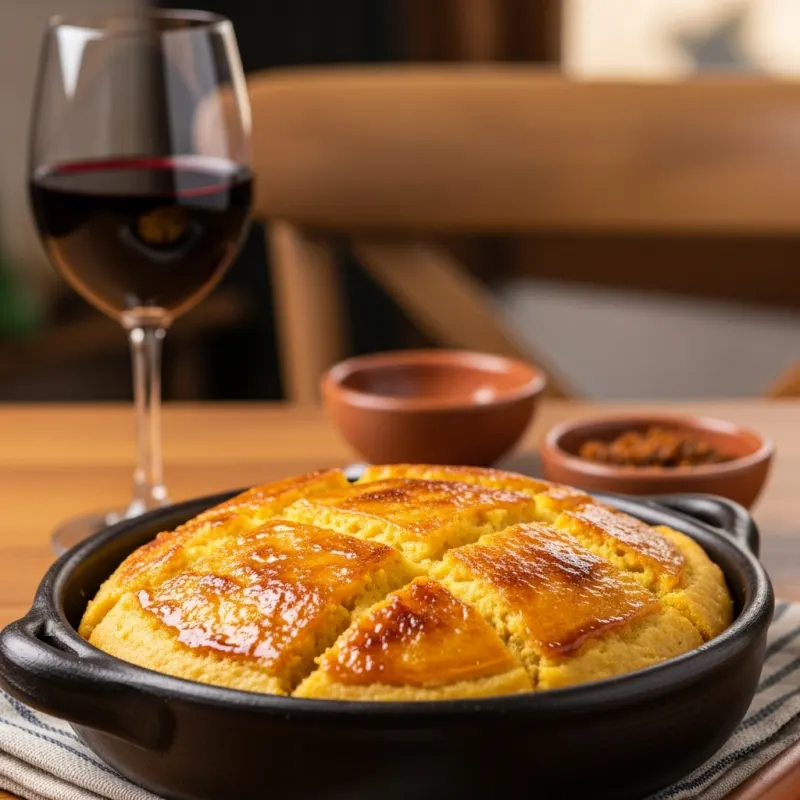
A traditional clay pot serving of Pastel de Choclo, a Chilean sweet corn and meat pie

Must Try Dish

Pastel de Choclo - A comforting, savory-sweet Chilean pie made with a base of ground beef, onions, olives, and hard-boiled eggs. It is topped with a thick layer of pureed sweet corn and baked in a traditional clay pot until golden and caramelized.
Food Experiences Title Icon

Food
Experiences

Discover cooking classes, tastings and local food tours

No food experience found
Maya, the human travel expert at TravelingWiz, offering curated, non-AI expertise

Maya’s Final Checklist for Chile

Logistics shouldn’t be the focus of your trip—the experience should. I’ve hand-vetted these essential partners to ensure your arrival, stay, and exploration are as smooth as an Athenian breeze.

Where to Stay

From boutique hotels to local apartments—compare thousands of options and find the perfect stay in the best neighborhood.

Air Travel

Getting there should be seamless. Compare the best routes and prices across top airlines to start your journey on the right note.

Local Guides

Connect with experts who know the destination best. Get personalized advice and insider tips to help you plan your perfect trip.

Travel Protection

The “Engineer’s” rule: always have a backup. Secure your trip with a plan that covers every “what if” and unexpected change.

Car Rentals

Explore at your own pace with total freedom. Compare reliable rental options and find the right vehicle for your adventure.

Visa Services

Don’t let paperwork slow you down. Get expert assistance with your application to ensure all your entry documents are in order.

FAQs

Citizens of many countries, including the US, Canada, EU, and Australia, do not need a visa for tourist stays of up to 90 days. However, always check current entry requirements before traveling.
Tap water is generally safe to drink in Santiago and most major cities, though it has a high mineral content that some travelers dislike. In rural areas or the northern desert, bottled water is recommended.
The most efficient way is to fly from Santiago to Punta Arenas or Puerto Natales (for Torres del Paine) or to Balmaceda (for the Aysén region). Flights take about 3 to 4 hours.
The currency is the Chilean Peso (CLP). It is advisable to carry some cash for small purchases, though credit cards are widely accepted.
Yes, but it requires at least two weeks to do both comfortably, as they are at opposite ends of the country and require domestic flights connecting through Santiago.
The best time to visit depends on your destination. For Patagonia, travel between November and March for the warmest weather and longest daylight. The Atacama Desert is a year-round destination with ideal conditions in spring and autumn. If you want to explore Santiago and tour central vineyards, visit between September and May for pleasant weather.
No, you should avoid bringing fresh food, fruits, vegetables, seeds, or animal products into Chile. The Agricultural and Livestock Service (SAG) enforces strict biosecurity regulations to protect local ecosystems. You must declare all organic items on your customs form upon arrival; failing to declare items can lead to confiscation and steep fines.
You will need an adapter compatible with Type C and Type L electrical outlets, which operate on a 220V supply voltage at 50Hz. While some modern hotels feature universal sockets, standard round two-prong and three-prong plugs are the norm across the country. Bringing a universal travel adapter ensures you can charge all your devices.
A standard tip of 10% (propina) is customary at sit-down restaurants across Chile. Waitstaff will typically ask if you want to include the 10% tip before finalizing your bill or card payment. Tipping is not required at casual food stands or for taxi drivers, though rounding up the fare is appreciated.

Your Insights Matter

TravelingWiz grows through the stories of our community. If you’ve recently explored ,Chile share your tips and stories to help us perfect our guides for the next traveler.

Related Articles

Check out our related articles and blog posts to learn even more about the destination.

Don’t Travel Alone

Share with your friends and family

Where should we send your offline card?

We hate spam just as much as you do

newsletter_consent *