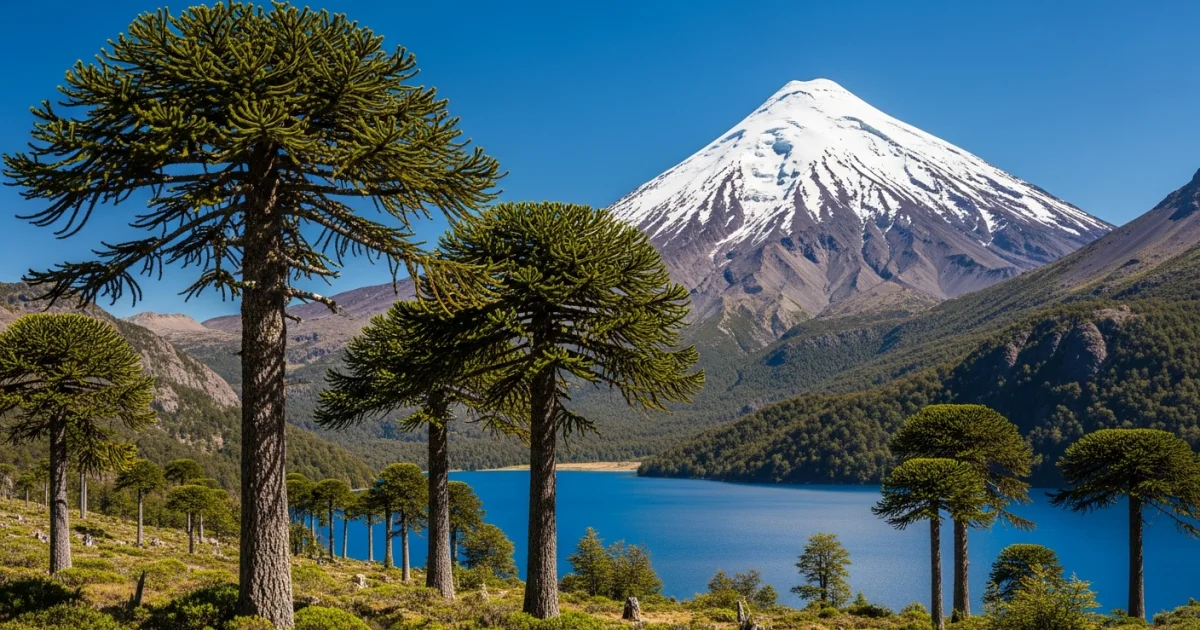
Araucania is a region of striking contrasts and profound natural beauty, located in the heart of southern Chile. It is named after the Araucaria araucana, or monkey puzzle tree, a living fossil that dominates the high-altitude landscapes and holds sacred significance for the indigenous Mapuche people. The region is geographically diverse, stretching from the Pacific coast across fertile central valleys to the towering, snow-capped peaks of the Andes. Visitors are drawn to its pristine national parks, such as Conguillío and Huerquehue, which offer some of the most spectacular hiking trails in South America, winding past alpine lakes, ancient forests, and solidified lava flows.
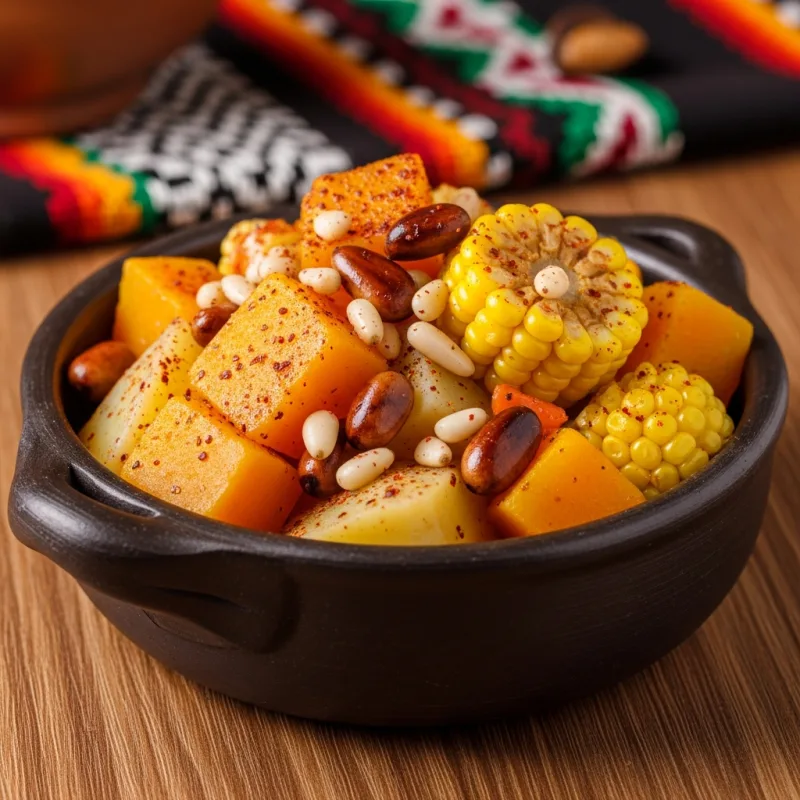
Beyond its geological wonders, Araucania is the cultural epicenter of the Mapuche, Chile's largest indigenous group. This heritage is woven into the fabric of the region, visible in the bustling markets of Temuco, the traditional ruka (thatched houses) dotting the countryside, and the unique local cuisine flavored with merkén. The towns of Villarrica and Pucón serve as the primary tourist hubs, offering a perfect blend of adrenaline-pumping activities—like white-water rafting and volcano ascents—and luxurious relaxation in the numerous geothermal hot springs hidden within the temperate rainforests.
Reasons to Visit
- Volcanic Landscapes: Hike the active Villarrica volcano or marvel at the dramatic, lava-scarred scenery of Conguillío National Park.
- Mapuche Culture: Immerse yourself in the traditions, crafts, and cuisine of Chile's most prominent indigenous community.
- Geothermal Hot Springs: Relax in world-class thermal baths like Termas Geométricas, nestled deep within lush ravines.
- Ancient Forests: Walk among the towering, prehistoric Araucaria (monkey puzzle) trees that define the region's skyline.
- Adventure Sports: Enjoy top-tier white-water rafting, kayaking, skiing, and mountain biking around Pucón and Villarrica.
Things to Avoid
- Unregistered Guides: Never attempt high-risk activities like summiting Villarrica without a certified, reputable guide.
- Ignoring Weather Warnings: Mountain weather changes rapidly; avoid hiking if heavy rain or snow is forecasted.
- Disrespecting Indigenous Lands: Always ask permission before photographing Mapuche people or entering private community lands.
- Underestimating Distances: Roads in rural areas and national parks can be unpaved and slow to navigate; plan travel times accordingly.
Local Transportation Tips
The most convenient way to explore the depths of Araucania, particularly its national parks and remote hot springs, is by renting a car. Roads connecting major hubs like Temuco, Villarrica, and Pucón are well-paved, though access to parks often involves gravel roads (a 4x4 is recommended in winter). For those without a vehicle, a robust network of intercity buses (such as Turbus and Pullman) connects the main towns efficiently and affordably. Local minibuses (micros) and shared taxis (colectivos) are excellent for short distances within and between neighboring towns.
Travel Etiquette
- Greetings: A handshake or a single kiss on the right cheek is the standard greeting among locals.
- Cultural Sensitivity: Show deep respect when visiting Mapuche communities; listen to their stories and support local artisans by purchasing authentic crafts.
- Tipping: A 10% tip (propina) is customary in restaurants and is usually added to the bill automatically; you can choose to accept or decline it.
- Environmental Care: Practice 'Leave No Trace' principles strictly in national parks; take all trash with you and stay on marked trails to protect fragile ecosystems.
Recommended Age Group
Araucania offers diverse experiences that cater to various age groups, from relaxing thermal baths to intense alpine adventures.
- Babies (0-2 years): Neutral. While towns and resorts are comfortable, the rugged nature of the national parks and long travel times can be challenging for infants.
- Kids (3-12 years): Recommended. Children will love the easy nature walks, boat rides on the lakes, and the novelty of the hot springs.
- Teens (13-19 years): Recommended. Perfect for adventurous teens who can participate in rafting, zip-lining, and beginner hiking trails.
- Adults (20-64 years): Recommended. The ideal demographic for the region's full spectrum of offerings, including strenuous volcano hikes, cultural tours, and culinary exploration.
- Seniors (65+ years): Recommended. Seniors can enjoy scenic drives, accessible viewpoints, cultural museums in Temuco, and the therapeutic benefits of the region's luxury thermal spas.
Accessibility Level: Medium
- Major towns like Temuco and Pucón have paved sidewalks and accessible hotels, though curb cuts can be inconsistent.
- Some high-end thermal spring resorts, such as Termas Geométricas, feature wooden boardwalks that are partially wheelchair accessible, but steep inclines exist.
- National parks are largely rugged and lack paved trails, making deep exploration difficult for travelers with mobility impairments.
- It is highly recommended to book specialized tour operators who can arrange accessible transportation and tailored itineraries.
Did You Know?
The Araucaria tree, native to this region, can live for over 1,000 years and is considered a 'living fossil' because it dates back to the Mesozoic era. Its seeds, called piñones, have been a crucial food source for the Mapuche people for centuries and are still a staple in local diets today.
Cool Statistics
- Highest Peak: Lanín Volcano, standing at 3,747 meters (12,293 feet) on the border with Argentina.
- National Parks: The region is home to 5 national parks, including the famous Conguillío and Villarrica.
- Indigenous Population: Approximately 34% of Araucania's population identifies as Mapuche, the highest concentration in Chile.
- Hot Springs: There are over 15 developed geothermal hot spring complexes in the area surrounding Pucón.






Buy a compatible power adapter for your trip