Disclosure: This site contains affiliate links. We may earn a commission if you make a purchase, at no extra cost to you.

>
>
>
Easter Island

Easter Island

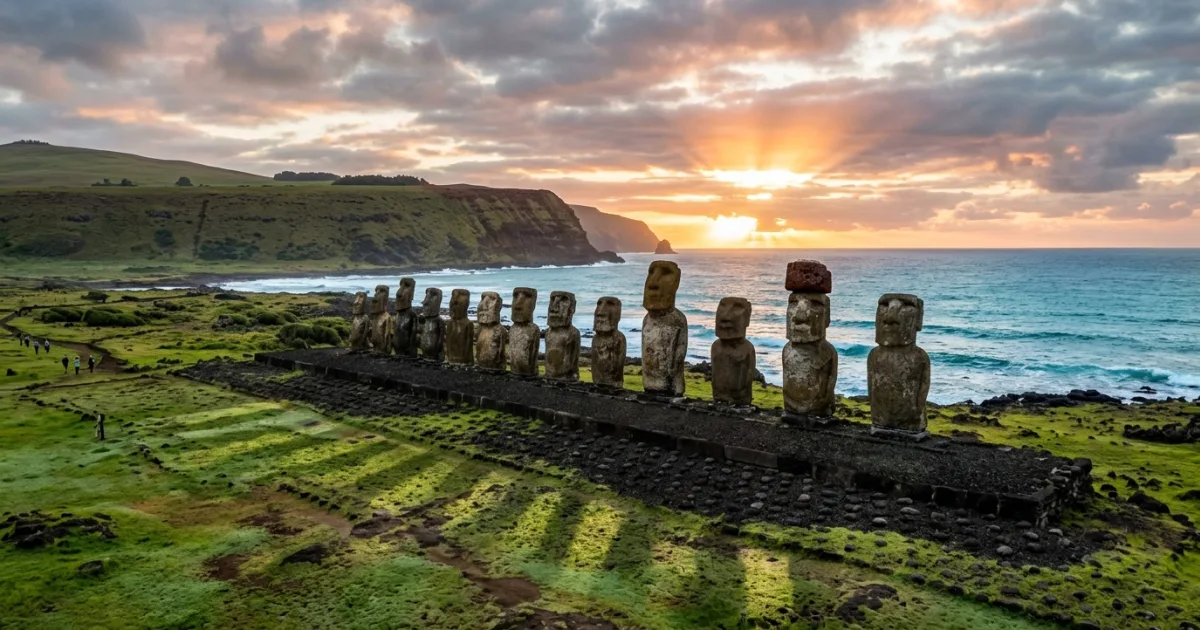
Fifteen moai statues of Ahu Tongariki on Easter Island standing at sunrise against the Pacific Ocean

Easter Island Overview & Key Highlights

Easter Island lies roughly 3,700 kilometers west of continental Chile, making it one of the most secluded inhabited places on the planet. Most travelers arrive via Mataveri International Airport to explore Rapa Nui National Park, a UNESCO World Heritage site preserving monumental ceremonial platforms, volcanic calderas, and the stone-carving quarry of Rano Raraku. The island's capital and lone town, Hanga Roa, serves as the logistical center where visitors arrange certified local guides, savor fresh Pacific seafood, and rent vehicles to tour the perimeter road. Beyond the enigmatic moai monoliths, Rapa Nui presents dramatic ocean cliffs, pristine pink-sand beaches at Anakena, and premier dark-sky conditions for stargazing. Preserving fragile cultural heritage is paramount, requiring all non-local visitors to pay a national park fee and explore archaeological sectors accompanied by certified local indigenous guides. Whether trekking along the rim of the massive Rano Kau crater or witnessing the sunrise over the fifteen aligned moai of Ahu Tongariki, the island delivers an unmatched contemplative voyage into ancestral Polynesian lore.

Easter Island Travel Guide: Logistics & In-Depth Tips

Easter Island, known to its native inhabitants as Rapa Nui, stands as one of the most culturally evocative and geographically isolated destinations on Earth. Situated in the South Pacific Ocean over 2,000 miles from the nearest continental landmass, this volcanic triangle was settled by Polynesian navigators between 800 and 1200 CE. Over generations, the Rapa Nui civilization developed a remarkably complex society characterized by monumental megalithic architecture, astronomy, and the construction of nearly 1,000 colossal stone effigies known as moai.

Today, Rapa Nui National Park covers roughly 40 percent of the island and is recognized as a UNESCO World Heritage site under the co-management of the indigenous Ma'u Henua community. The single municipality of Hanga Roa houses nearly the entire population of approximately 7,500 residents. The island strikes a balance between ancient open-air archaeological wonders, pristine sub-tropical coastline, and living Polynesian cultural heritage that remains deeply tied to the land.

Reasons to Visit

  • Unrivaled Megalithic Archaeology: Marvel at hundreds of colossal moai statues carved from volcanic tuff, resting on ancestral stone ahu platforms throughout the island.
  • Rano Raraku Quarry: Walk through the historic volcanic quarry where hundreds of partially carved statues remain frozen in time across lush grassy hillsides.
  • Dramatic Volcanic Calderas: Peer into the vast wetlands filling the Rano Kau crater and discover the cliffside ceremonial village of Orongo.
  • Enchanting Sunrises: Experience dawn breaking behind the iconic fifteen standing moai at Ahu Tongariki along the island's eastern coast.
  • Living Polynesian Culture: Enjoy traditional song, dance, body painting, and authentic feasts shared generously by native Rapa Nui residents.

Things to Avoid

  • Never step on an ahu platform: The raised stone platforms are sacred ancestral burial grounds; stepping onto them is both a severe cultural offense and illegal.
  • Do not touch the moai: Even light human touch transfers oils that accelerate the erosion of fragile volcanic tuff stone.
  • Avoid speeding on rural roads: Hundreds of wild horses, cows, and dogs wander unpaved roads freely, particularly past dusk.
  • Don't arrive without certified lodging: You will not be allowed to board your flight from Santiago without proof of accommodation registered with Chile's national tourism board (SERNATUR).
  • Don't bring single-use plastics: Island waste management is extremely limited, so refrain from leaving disposable plastics on the island.

Local Transportation Tips

Hanga Roa is compact enough to explore comfortably on foot, but discovering the broader national park requires motorized transport. Renting a compact 4WD vehicle or small SUV from reputable agencies along Atamu Tekena (the main thoroughfare) is the most flexible way to tour the perimeter loop. Motor scooters and bicycles are also available for hire, though rough gravel roads and sudden wind gusts make cars the safer option. Taxis operate readily within Hanga Roa at reasonable fixed prices, and hiring accredited local driver-guides ensures compliance with national park accompaniment regulations.

Travel Etiquette

  • Acknowledge with Iorana: Greeting shopkeepers, guides, and locals with 'Iorana' is standard respectful courtesy everywhere on Rapa Nui.
  • Respect sacred sites: Maintain quiet, respectful decorum at all archaeological sectors, treating platforms as open-air cemeteries.
  • Ask permission before photographing residents: Always seek consent before photographing locals, especially during traditional cultural ceremonies or dance performances.
  • Support indigenous artisans: Buy wood carvings, shell jewelry, and basalt moai replicas directly from local carvers rather than imported souvenir shops.

Recommended Age Group

Easter Island is best suited for independent travelers, active adults, and older youths capable of appreciating ancient history and outdoor walking trails.

  • Babies (0-2 years): Not Recommended. The six-hour flight from mainland Chile, isolated healthcare amenities, uneven volcanic trails, and unpredictable oceanic weather make travel with infants challenging.
  • Kids (3-12 years): Neutral. Children fascinated by mythology, open spaces, and horses will enjoy the island, though long guided walking visits without typical resort playgrounds require patient young travelers.
  • Teens (13-19 years): Recommended. Teenagers will be captivated by the towering moai, horseback rides along coastal paths, surfing breaks, and crater rim hikes.
  • Adults (20-64 years): Recommended. Perfect demographic for self-paced road trips, deep archaeological exploration, cultural immersion, scuba diving, and landscape photography.
  • Seniors (65+ years): Recommended. Mature travelers who book private chauffeured tours with certified guides can comfortably admire primary viewpoints, though sturdy footwear is needed for uneven turf.

Accessibility Level: Medium

  • Archaeological Pathways: Most major ruins, including Ahu Tongariki and Anakena beach, feature relatively flat grass or dirt trails, though uneven volcanic stones can impede standard wheelchairs.
  • Visitor Centers: The modern Father Sebastian Englert Anthropological Museum in Hanga Roa provides flat ramps and accessible exhibition halls.
  • Transportation Logistics: Specialized accessible transport vans are scarce; visitors with mobility limitations should arrange private, assisted vehicle charters in advance through specialized tour operators.
  • Town Infrastructure: Central Hanga Roa has paved walkways along main avenues, but rural archaeological trailheads consist of rough gravel tracks and grassy inclines.

Did You Know?

Almost all the moai statues on Easter Island were carved from the compressed volcanic ash (tuff) of a single dormant volcano, Rano Raraku. The tallest completed moai ever erected, named Paro, stood almost 10 meters (33 feet) tall and weighed over 80 metric tons, demonstrating the astonishing navigational and engineering prowess of early Polynesian settlers.

Cool Statistics

  • 887: Number of inventoried monolithic moai statues cataloged across the island.
  • 3,700 km: Approximate distance from Easter Island to the coast of mainland Chile.
  • 163.6 sq km: Total surface area of the triangular volcanic island.
  • 15: Number of colossal moai standing proudly on the restored platform of Ahu Tongariki.

Address:

Easter Island, Chile

Find Nearby Accommodations

Basic Info

address icon

COUNTRY & Region

Chile,
South America, Pacific

ACCESSIBILITY LEVEL​

Medium
Currency icon

LOCAL CURRENCY​

Chilean Peso (CLP)
Price level icon
High
Safety Level icon

SAFETY LEVEL

Duration icon

Recommended Duration

• 1-7 days

Electricity

electricity icon

Electricity

220-240V, 
50Hz
Plug Socket icon

Plug Type

• Type C (Round pin)
• Type L (Three round pins in line)
Plug types
Click To View Plug Types
Easter Island is part of our
Astrotourism collection

Activities To Do In Easter Island

Best Time To Visit Easter Island

Easter Island enjoys a subtropical maritime climate with warm temperatures throughout the year. The optimal visitation window balances pleasant outdoor trekking conditions and major cultural gatherings.

  • December to March (Summer): Warmest period with temperatures around 23°C to 28°C, ideal for swimming at Anakena and attending the vibrant Tapati Rapa Nui festival in February; advanced booking is mandatory.
  • April to June (Autumn): Cooler, quieter months with moderate rainfall and fewer crowds, excellent for hiking and archaeological photography.
  • July to September (Winter): The coolest and windiest stretch with temperatures between 15°C and 20°C, offering lower accommodation rates and solitary ruin encounters.
  • October to November (Spring): Pleasant shoulder season with blooming island flora, comfortable temperatures, and dry hiking trails.

Average Temperatures Per Month

Remember to check the weather forecast a few days before the trip and before heading to the airport.

Safety Level icon

Safety Level

Violent crime is practically nonexistent on Easter Island, making it an exceptionally secure destination even at night. The greatest hazards involve environmental elements: intense UV radiation, sudden oceanic rogue waves near rocky shorelines, and loose volcanic scree along crater paths. Free-roaming island horses and stray dogs are abundant across rural roads, requiring cautious vehicle speeds after dark. Never touch, climb, or walk across the ceremonial stone platforms (ahu) or moai, as doing so violates strict Chilean indigenous antiquities laws resulting in heavy fines or deportation.

The rating is based on multi-year peace, crime, and security indices. Before you go, always verify current conditions through official government travel advisories.

Emergency Numbers

Police: 133
Ambulance: 131

No internet needed • Includes local translations • Free for TravelingWiz readers

Spoken Languages

Spanish (official), Rapa Nui (indigenous Polynesian language). Basic English is spoken across tourism hospitality venues in Hanga Roa.

Learn The Language

  • Iorana: Hello / Goodbye (Rapa Nui)
  • Maururu: Thank you (Rapa Nui)
  • Pehe koe?: How are you? (Rapa Nui)
  • Riva riva: Very good / Excellent (Rapa Nui)
  • Por favor: Please (Spanish)
  • ¿Cuánto cuesta?: How much does it cost? (Spanish)
  • ¿Dónde está…?: Where is…? (Spanish)
  • La cuenta, por favor: The check, please (Spanish)
Travel Booking Partner - TravelingWiz

Trip Cost & Budgeting for Easter Island, 2026

Everything you need to know about money while traveling
Is Easter Island expensive for tourists in 2026? Yes, due to its extreme isolation in the Pacific Ocean, costs on Rapa Nui are high. Based on Human Verified prices, expect to pay around 3,800 CLP for a cappuccino, 5,500 CLP for a domestic beer, and 18,000 CLP for a mid-range restaurant main course. Accommodation and food prices reflect heavy import costs. Use the data table below to calculate your specific daily budget based on your travel style.
Currency icon

LOCAL CURRENCY​:

Chilean Peso (CLP)
Price level icon
High
Major hotels and restaurants accept cards, but Chilean peso cash is essential for small vendors, taxis, and remote spots.

Per person, per day – pocket cash for small purchases.

Local: 18000
Chilean Peso (CLP)
≈ 19 USD

Full daily spend estimation (accommodation, food, transportation, attractions).

Travel Style
Chilean Peso (CLP)
≈ USD ($)
Budget
99000
103
Mid-range
180000
187
Comfort
396000
411

The Prices, Daily costs, and calculator results are estimates for planning purposes only. Actual costs may vary based on season, booking timing, personal spending habits, and currency fluctuations. TravelingWiz cannot be held responsible for discrepancies between these estimates and your final trip expenses.

  • • Book LATAM flights early on the local Chilean website version for significantly lower airfares.
  • • Pack non-perishable snacks and dry groceries from Santiago to offset high island food prices.
  • • Rent a car or bicycle for a day to explore moai sites at your own pace instead of taking costly tours.
  • • Grab empanadas and bakery items in Hanga Roa for delicious and cheap lunches.

Pre-Order Tickets

Avoid disappointment when tickets sell out — and skip the long lines by booking online in advance. You’ll often save up to 20% too.
Save up to 20%

Travel Discounts & Coupons

Save on hotels, attractions, transport, and gear — find verified discounts for smarter travel spending.
Verified Coupons

What To Pack

  • Windproof lightweight rain jacket for abrupt sub-tropical squalls
  • Sturdy, broken-in trail walking shoes for rocky volcanic terrain
  • Reef-safe sunscreen, broad-brim sun hat, and UV sunglasses
  • High-capacity portable power bank for long full-day island excursions
  • Reusable insulated water bottle to minimize plastic island waste
  • Physical Chilean Peso banknotes for smaller local craft stalls and rural vendors
  • Insect repellent for evening mosquitoes around forested coastal tracts
We couldn't find tips for Easter Island.
If you got any, please share

Recommended Itineraries for Traveling to Easter Island

We couldn't find itineraries for Easter Island.
you can contact us for custom trip plan

Food & Drink Highlights

Local Food Overview

Rapa Nui cuisine combines Polynesian coastal traditions with mainland Chilean culinary influences, placing pristine marine ingredients at the center of every meal. Fresh yellowfin tuna, swordfish, kana-kana, and lobster are caught daily by artisanal fishermen using traditional line methods. Root staples like sweet potato (kumara), taro, and plantains complement coastal dishes, while sweet fruit desserts like po'e reflect island baking heritage.
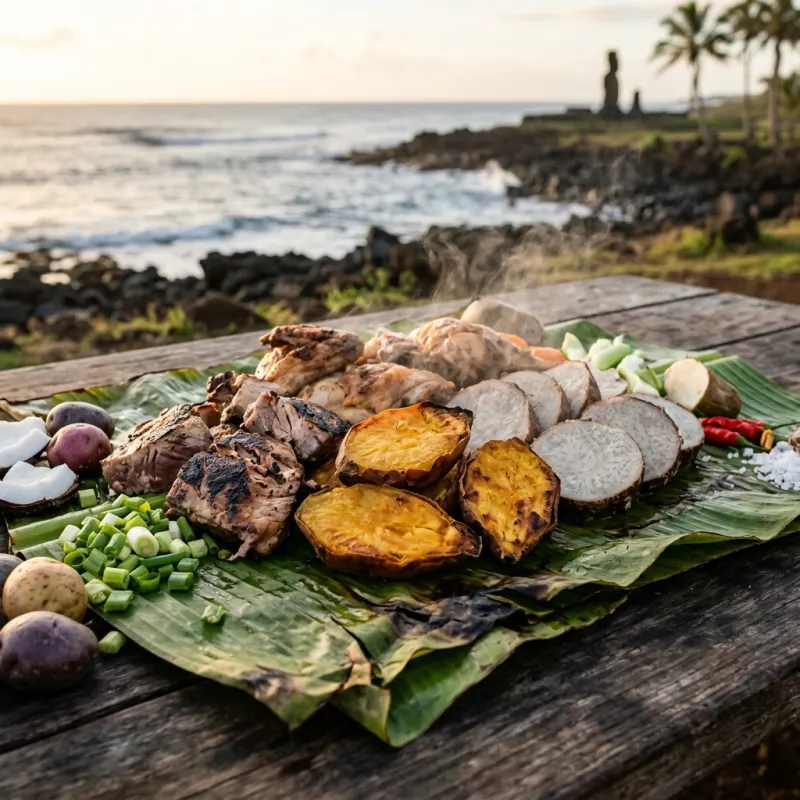
Umu Rapa Nui traditional earth oven feast served on banana leaves with fish and root vegetables

Must Try Dish

Umu Rapa Nui - A ceremonial underground earth-oven banquet featuring volcanic stones layered with banana leaves, chicken, fish, sweet potatoes, and taro slowly steamed to savory perfection.
Food Experiences Title Icon

Food
Experiences

Discover cooking classes, tastings and local food tours

No food experience found
Maya, the human travel expert at TravelingWiz, offering curated, non-AI expertise

Maya’s Final Checklist for Easter Island

Logistics shouldn’t be the focus of your trip—the experience should. I’ve hand-vetted these essential partners to ensure your arrival, stay, and exploration are as smooth as an Athenian breeze.

Where to Stay

From boutique hotels to local apartments—compare thousands of options and find the perfect stay in the best neighborhood.

Air Travel

Getting there should be seamless. Compare the best routes and prices across top airlines to start your journey on the right note.

Local Guides

Connect with experts who know the destination best. Get personalized advice and insider tips to help you plan your perfect trip.

Travel Protection

The “Engineer’s” rule: always have a backup. Secure your trip with a plan that covers every “what if” and unexpected change.

Car Rentals

Explore at your own pace with total freedom. Compare reliable rental options and find the right vehicle for your adventure.

Visa Services

Don’t let paperwork slow you down. Get expert assistance with your application to ensure all your entry documents are in order.

FAQs

Yes. Under regulations enacted by the Ma’u Henua indigenous park authority, all tourists must be accompanied by an accredited local Rapa Nui guide or a local host to enter archaeological sectors within Rapa Nui National Park.
A stay of 4 to 5 days is ideal. This timeframe allows you to explore major sites like Ahu Tongariki, Rano Raraku, and Orongo without rushing, while leaving room for weather fluctuations.
No. Touching, climbing, or stepping onto any moai or ceremonial ahu platform is strictly illegal and subject to severe penalties, heavy fines, or immediate expulsion from the island.
In addition to standard Chilean immigration requirements, travelers must complete the Single Entry Form (FUI), present a round-trip flight ticket, provide proof of a certified accommodation booking (SERNATUR-registered), and limit visits to a maximum of 30 days.
Yes. Anakena is the premier white-and-pink coral sand beach, featuring calm turquoise waters and backdrop views of Ahu Nau Nau moai. Ovahe is another scenic, secluded cove nearby.

Your Insights Matter

TravelingWiz grows through the stories of our community. If you’ve recently explored ,Easter Island share your tips and stories to help us perfect our guides for the next traveler.

Related Articles

Check out our related articles and blog posts to learn even more about the destination.

No related articles found

Don’t Travel Alone

Share with your friends and family

Where should we send your offline card?

We hate spam just as much as you do

newsletter_consent *