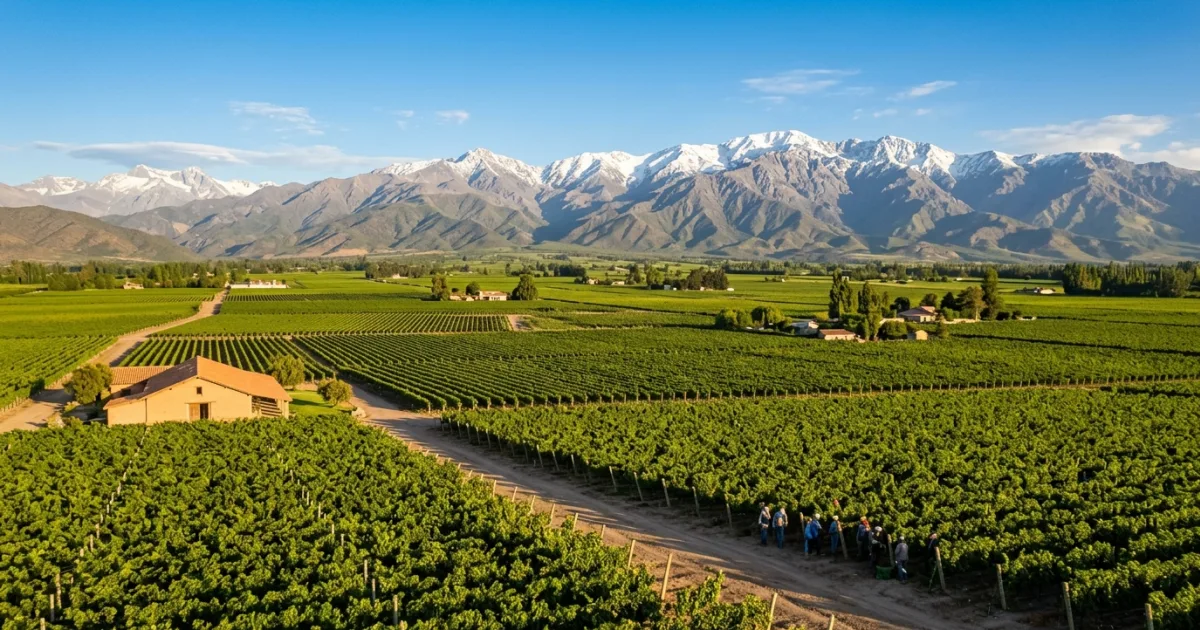
Central Chile encompasses the economic, political, and historical foundation of the nation. Bound by the Pacific Ocean to the west and the towering peaks of the Andes Mountains to the east, the region features a Mediterranean ecosystem that ranks among the most fertile agricultural zones on earth. Within its boundaries lie the Metropolitan Region of Santiago, the coastal cultural jewel of Valparaíso, and the verdant expanses of the O'Higgins and Maule regions.
The landscape shifts dramatically across short distances: visitors can start their morning exploring cutting-edge art galleries in Santiago, spend the afternoon sampling estate-bottled Carmenère in the Casablanca or Colchagua valleys, and conclude the day watching the sunset over the Pacific from a clifftop terrace. Its well-developed road networks, diverse lodging choices, and thriving culinary landscape establish Central Chile as the quintessential South American travel destination.
Reasons to Visit
- World-Renowned Wine Valleys: Tour historic estates and innovative boutique wineries in Maipo, Colchagua, and Casablanca.
- Dynamic Urban Hubs: Explore Santiago's sophisticated gastronomy, historic plazas, and world-class museums.
- Bohemian Maritime Charm: Wander through the colorful funiculars, open-air murals, and maritime hills of UNESCO-listed Valparaíso.
- Outdoor Mountain Pursuits: Access alpine climbing, river rafting, and premier ski resorts in the nearby Andes within two hours of the capital.
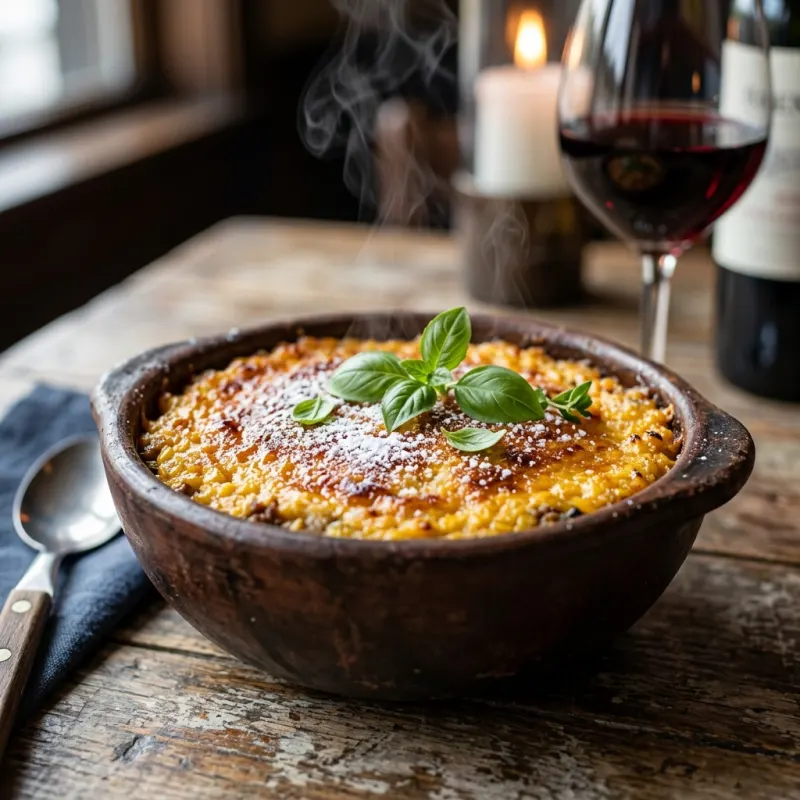
- Rich Culinary Heritage: Savor exceptional farm-to-table dining, coastal seafood markets, and traditional Chilean comfort classics.
Things to Avoid
- Do not accept unofficial transport offers at Santiago International Airport; arrange authorized taxis or transfer counters inside the arrival hall.
- Avoid wearing flashy jewelry or handling loose smartphones carelessly on crowded downtown avenues and public buses.
- Do not bring undeclared fresh produce, dairy, or plant material into Chile due to stringent border quarantine enforcement.
- Avoid hiking high-altitude Andean trails alone without informing park rangers or monitoring sudden mountain weather changes.
Local Transportation Tips
Public transportation in Central Chile is reliable and efficient. Santiago's Metro network is one of the cleanest and most expansive in South America, operating via the reloadable 'Bip!' card, which also functions on city buses. Intercity travel between Santiago, Valparaíso, and regional wine hubs is serviced by frequent coach buses from terminals like Alameda and Pajaritos. For exploring remote rural vineyards and Andean nature reserves, renting an automobile provides the greatest independence and flexibility.
Travel Etiquette
- A standard 10% gratuity (propina) is customary in sit-down restaurants and is frequently added as a suggested item on the bill.
- Greetings typically involve a warm handshake or a light kiss on the right cheek among social acquaintances.
- Punctuality for casual social invitations is relaxed; arriving 15 to 30 minutes past the stated time is common practice for dinners.
- Politeness is valued; always greet shopkeepers and service staff with a friendly 'Buenos días' or 'Buenas tardes'.
Recommended Age Group
Central Chile provides varied experiences tailored to all demographics, with urban, coastal, and agricultural attractions easily adapted to different mobility levels.
- Babies (0-2 years): Recommended. Major cities offer modern medical care, well-paved shopping zones, and baby-friendly accommodations, though navigating steep hills in Valparaíso requires a baby carrier rather than a stroller.
- Kids (3-12 years): Recommended. Children will enjoy interactive science museums, coastal funiculars, zoo facilities, and mountain cable cars in Santiago.
- Teens (13-19 years): Recommended. Great for outdoor recreation such as whitewater rafting in Cajón del Maipo, surfing the Pacific coast, and exploring street art.
- Adults (20-64 years): Recommended. Excellent access to fine dining, vineyard tours, historic architecture, and challenging alpine trekking.
- Seniors (65+ years): Recommended. Modern infrastructure, private chauffeured winery excursions, and high-standard medical facilities ensure comfortable travel, provided steep cobblestone streets are approached with care.
Accessibility Level: Medium
- Santiago's Metro system offers widespread accessibility, featuring elevators, tactile paving, and wide turnstiles at most major stations.
- Modern wineries and wine estate tasting rooms across Casablanca and Colchagua typically offer ground-level access and barrier-free facilities.
- Historic hillside areas in Valparaíso present severe physical barriers, including steep stairs and uneven cobblestones, requiring pre-planned accessible tour routes.
- Paved pathways are common in central urban parks like Parque Bicentenario and Parque Metropolitano in Santiago.
Did You Know?
Central Chile is home to the rare Carmenère grape variety, an ancient Bordeaux cultivar that was believed to be extinct worldwide after the phylloxera epidemic of the 19th century, until it was rediscovered thriving in the vineyards of the Maipo Valley in 1994.
Cool Statistics
- 500+ Kilometers: The approximate north-to-south span encompassing the primary agricultural and wine valleys of Central Chile.
- 3,000+ Meters: The average elevation of the Andean peaks rising directly behind the Santiago metropolitan basin.
- 16 Funiculars: The historic hill elevators built across Valparaíso's steep cerros between 1883 and 1915.






Buy a compatible power adapter for your trip