Browse:
>
>
>
Greater Antilles
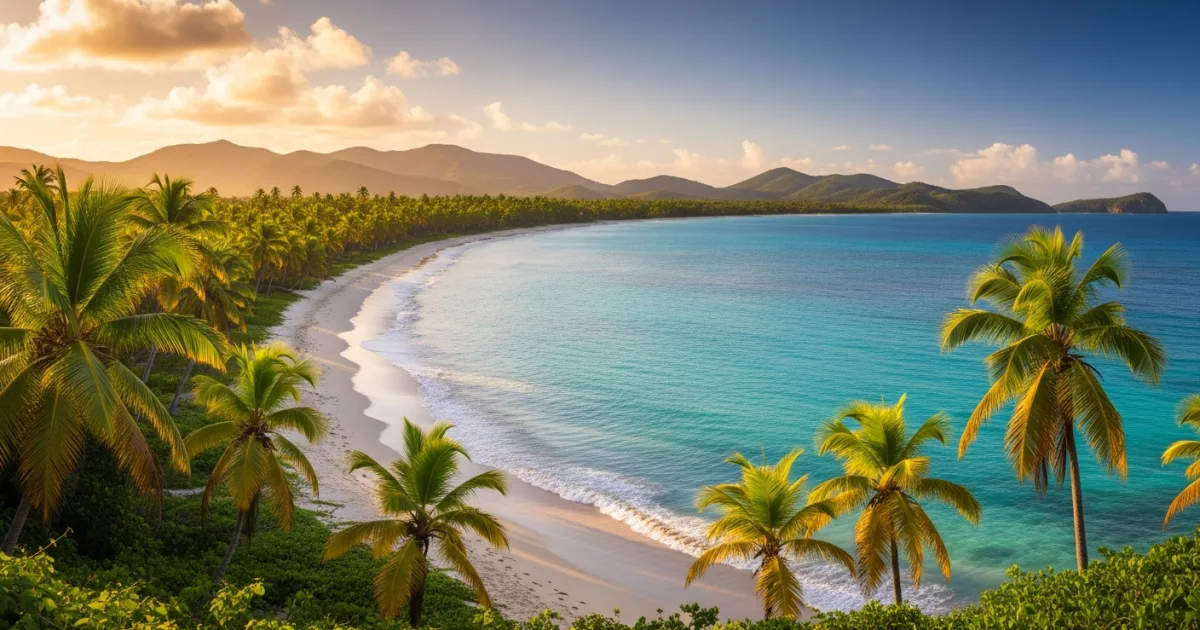
A stunning tropical beach in the Greater Antilles with turquoise water and lush mountains

Greater Antilles Overview & Key Highlights

The Greater Antilles, comprising the major islands of Cuba, Hispaniola (Haiti and the Dominican Republic), Jamaica, and Puerto Rico, form the vibrant heart of the Caribbean. This expansive archipelago offers an unparalleled blend of lush rainforests, towering mountain ranges, and pristine, sun-drenched coastlines. Visitors are drawn to the region's rich tapestry of indigenous, African, and European histories, which have shaped its unique cultural identity. Whether you are exploring the colonial architecture of Old San Juan, hiking the majestic Blue Mountains of Jamaica, or relaxing on the white-sand beaches of Punta Cana, the Greater Antilles provide endless opportunities for adventure and relaxation. The region boasts a dynamic culinary scene, pulsating musical rhythms like reggae and salsa, and warm, welcoming locals. A journey through these islands promises a deeply immersive experience that caters to history buffs, nature enthusiasts, and beach lovers alike.

Essential Greater Antilles Logistics & In-Depth Travel Tips

The Greater Antilles account for nearly 90% of the landmass of the entire West Indies, making it a region of immense geographical and cultural diversity. From the limestone karsts of Cuba's Viñales Valley to the bioluminescent bays of Puerto Rico, the natural wonders here are staggering. The islands share a complex history of colonization, sugar plantations, and resilience, which is reflected in their shared yet distinct culinary, musical, and architectural traditions.

Beyond the famous all-inclusive resorts, the Greater Antilles offer deep cultural immersion. You can wander through the cobblestone streets of Santo Domingo's Zona Colonial, the oldest permanent European settlement in the Americas, or trace the roots of reggae in Kingston, Jamaica. The region's diverse topography also makes it a premier destination for eco-tourism, offering world-class scuba diving, challenging mountain treks, and serene botanical gardens.

Reasons to Visit

  • World-class beaches with crystal-clear turquoise waters.
  • Rich historical sites, including UNESCO-listed colonial cities.
  • Incredible biodiversity in rainforests and coral reefs.
  • Vibrant music scenes featuring reggae, salsa, son, and reggaeton.
  • Delicious and diverse Caribbean cuisine.

Things to Avoid

  • Drinking tap water in certain countries (stick to bottled water).
  • Walking alone at night in unlit or unfamiliar urban areas.
  • Ignoring local weather advisories during hurricane season (June to November).
  • Overpacking heavy clothing; stick to lightweight, breathable fabrics.
  • Relying solely on credit cards, as smaller vendors often require cash.

Local Transportation Tips

Inter-island travel is primarily done via short flights, as ferry services between the major islands are limited. On the individual islands, transportation options range from modern rental cars and reliable taxis to local minibuses (like guaguas in the DR or route taxis in Jamaica). Renting a car is highly recommended for exploring beyond the resort areas, though driving styles and road conditions can vary significantly from island to island.

Travel Etiquette

  • Dress modestly when visiting churches or religious sites.
  • Always greet locals with a polite 'Good morning' or 'Buenos días' before asking for directions or service.
  • Tipping is customary; leave 10-15% in restaurants if a service charge isn't already included.
  • Ask for permission before taking photographs of local residents.
  • Embrace 'island time' and be patient, as service can sometimes be slower than in Western cities.

Recommended Age Group

The Greater Antilles offer diverse experiences that cater to almost every age group, though the tropical climate and travel logistics require some consideration.

  • Babies (0-2 years): Neutral. While many resorts cater to families, the heat and travel between islands can be exhausting for infants.
  • Kids (3-12 years): Recommended. The region offers fantastic beaches, calm waters, and family-friendly resorts with dedicated kids' activities.
  • Teens (13-19 years): Recommended. Teenagers will love the water sports, zip-lining through rainforests, and vibrant local culture.
  • Adults (20-64 years): Recommended. Adults can fully appreciate the diverse nightlife, historical tours, rum tastings, and adventurous excursions.
  • Seniors (65+ years): Recommended. Many areas offer accessible luxury resorts, leisurely cultural tours, and relaxing scenic cruises.

Accessibility Level: Medium

  • Major resorts and international airports generally offer good wheelchair accessibility.
  • Historic colonial districts often have cobblestone streets and narrow sidewalks, which can be challenging to navigate.
  • Accessible transportation options vary by island, so it is best to arrange specialized transfers in advance.
  • Many popular beaches offer beach wheelchairs for rent.

Did You Know?

The Greater Antilles are home to the smallest bird in the world, the Bee Hummingbird, which is endemic to Cuba and measures only about 2.2 inches in length.

Cool Statistics

  • Pico Duarte in the Dominican Republic is the highest peak in the Caribbean at 3,098 meters (10,164 feet).
  • The region contains over 60 endemic species of mammals.
  • Cuba is the largest island in the Caribbean, roughly the size of the US state of Pennsylvania.
  • Puerto Rico's El Yunque is the only tropical rainforest in the US National Forest System.

Address:

Greater Antilles, Caribbean

Find Nearby Accommodations

Basic Info

address icon

COUNTRY & Region

Caribbean,
Caribbean
Medium
Currency icon

LOCAL CURRENCY​

Jamaican Dollar (JMD)
Price level icon
Medium
Safety Level icon
Duration icon

Recommended Duration

• 1-7 days
• More than a week

Electricity

electricity icon

Electricity

110-120V,
60Hz
Plug Socket icon

Plug Type

• Type A (Flat blade)
• Type B (Flat blade with grounding pin)
Plug types
Click To View Plug Types

Things To Do In Greater Antilles

Total: 3

Activities To Do In Greater Antilles

Best Time To Visit

The best time to visit the Greater Antilles is during the dry season, which runs from December to April. During these months, the weather is pleasantly warm with lower humidity, making it ideal for beach lounging and outdoor exploration.

  • Peak Season (December - April): Perfect weather, but expect higher prices and larger crowds.
  • Shoulder Season (May - June): A great balance of good weather and fewer tourists, though humidity begins to rise.
  • Hurricane Season (July - November): Higher chances of rain and tropical storms. Travel is cheaper, but trip insurance is highly recommended.

Remember to check the weather forecast a few days before the trip and before heading to the airport.

Safety Level icon

SAFETY Level

Use Caution. Safety varies significantly across the Greater Antilles. While tourist hubs in Puerto Rico, the Dominican Republic, and Jamaica are generally well-policed and safe for visitors, petty theft can occur. Always stay in well-lit areas at night, avoid flashing valuables, and research specific advisories for individual islands, particularly if planning to visit Haiti, which currently faces severe security challenges.

The rating is based on multi-year peace, crime, and security indices. Before you go, always verify current conditions through official government travel advisories.

Emergency Numbers

Police: 911
Ambulance: 911

No internet needed • Includes local translations • Free for TravelingWiz readers

Spoken Languages

Spanish is the dominant language in Cuba, the Dominican Republic, and Puerto Rico. English is the primary language in Jamaica, while French and Haitian Creole are spoken in Haiti.

Learn The Language

  • ¡Hola! (Hello!)
  • ¿Cómo estás? (How are you?)
  • Por favor (Please)
  • Gracias (Thank you)
  • ¿Cuánto cuesta? (How much does it cost?)
  • ¿Dónde está el baño? (Where is the bathroom?)
  • La cuenta, por favor (The bill, please)
  • Adiós (Goodbye)

Trip Cost & Budgeting for Greater Antilles, 2026

Everything you need to know about money while traveling

Traveling through the Greater Antilles can accommodate a wide range of budgets, from affordable backpacking in local guesthouses to lavish stays in all-inclusive luxury resorts. Costs vary significantly between islands, with Puerto Rico generally being more expensive than the Dominican Republic or Jamaica.

Currency icon

LOCAL CURRENCY​:

Jamaican Dollar (JMD)
Price level icon
Medium
While major hotels, resorts, and large restaurants accept credit cards, cash is essential for small vendors, local markets, and rural areas. US Dollars are widely accepted in many tourist spots, but having local currency is best for everyday purchases.

Per person, per day – pocket cash for small purchases.

Local: 2500
Jamaican Dollar (JMD)
≈ 50 USD

Full daily spend estimation (accommodation, food, transportation, attractions).

Travel Style
Cuban Peso (CUP)
≈ USD ($)
Budget
4000
80
Mid-range
10000
200
Comfort
25000
500

The Prices, Daily costs, and calculator results are estimates for planning purposes only. Actual costs may vary based on season, booking timing, personal spending habits, and currency fluctuations. TravelingWiz cannot be held responsible for discrepancies between these estimates and your final trip expenses.

  • Eat at local 'comedores' or street food stalls for authentic and inexpensive meals.
  • Utilize local public transportation like route taxis or guaguas instead of private cabs.
  • Travel during the shoulder season (May to June) to secure lower rates on accommodations.
  • Book excursions directly with local operators rather than through large hotel concierges.
  • Consider all-inclusive resorts in the Dominican Republic or Jamaica if you plan to consume a lot of food and drinks, as they often provide the best overall value.

Pre-Order Tickets

Avoid disappointment when tickets sell out — and skip the long lines by booking online in advance. You’ll often save up to 20% too.
Save up to 20%

Travel Discounts & Coupons

Save on hotels, attractions, transport, and gear — find verified discounts for smarter travel spending.
Verified Coupons

What To Pack

  • Lightweight, breathable cotton or linen clothing for the tropical climate.
  • Reef-safe sunscreen to protect the delicate marine ecosystems.
  • A sturdy pair of hiking shoes for exploring rainforests and mountains.
  • A universal power adapter, though US-style plugs are standard in most areas.
  • Insect repellent to ward off mosquitoes, especially in the evenings.
  • A light rain jacket or umbrella for sudden tropical showers.
  • Swimwear and a quick-dry towel for beach days and water activities.

Recommended Itineraries for this Destination

Food & Drink Highlights

Local Food Overview

The culinary landscape of the Greater Antilles is a mouthwatering fusion of Taino, African, and Spanish influences. Staples include plantains, rice, beans, slow-roasted pork, and an abundance of fresh seafood, all seasoned with vibrant local spices.
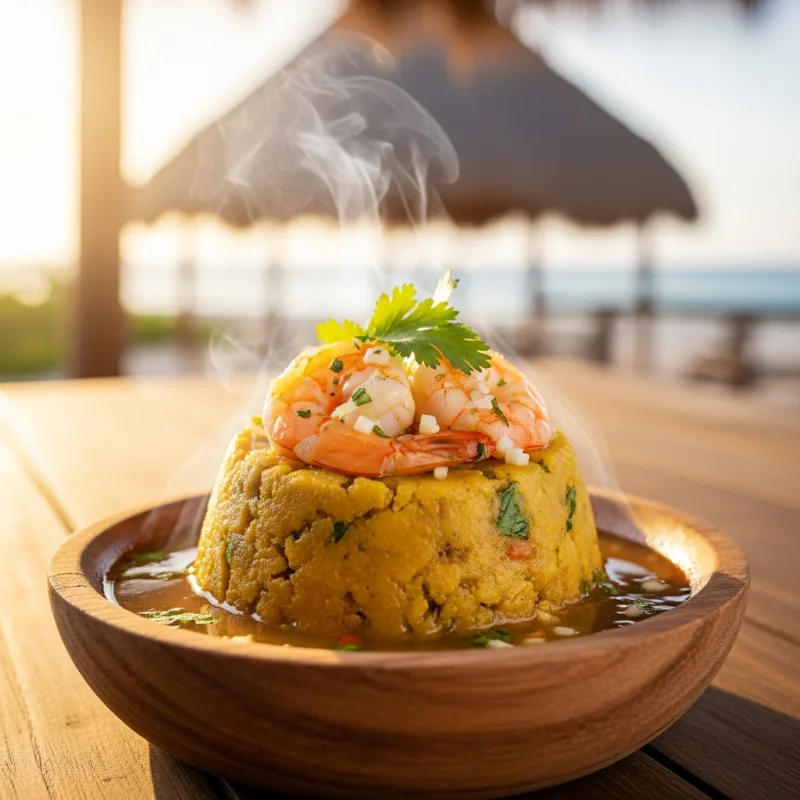
A traditional wooden mortar filled with Mofongo topped with garlic shrimp

Must Try Dish

Mofongo - Mofongo is a deeply flavorful dish made from fried green plantains mashed with garlic, olive oil, and crispy pork cracklings. It is typically shaped into a dome and served with a rich broth or topped with succulent shrimp, chicken, or fried meat.

Food Experiences

No food experience found

GetReady

Plan your trip seamlessly with our trusted partners and expert guidance. Follow these steps to book everything you need or connect with a local tour guide for personalized support

Step 1: Find the Perfect Accommodation

Explore a wide range of hotels, boutique stays, and vacation rentals to suit every traveler’s needs and budget. From luxury options to cozy family stays, find the best place for your trip.

Step 2: Book Your Flights

Secure the best flight deals for your destination. With our trusted partners, booking flights is quick and hassle-free.

Step 3: Let a Tour Guide Help

Not sure where to start? A professional local tour guide can create a customized itinerary or assist you in planning your trip. Make your journey seamless and stress-free.

Step 4: Rent a Car

Travel at your own pace by renting a car. Whether you’re exploring cities or embarking on a road trip, find reliable and convenient car rental options.

Step 5: Get Travel Insurance

Protect yourself and your loved ones with comprehensive travel insurance. Our partners offer plans to cover every aspect of your journey.

Step 6: Need a Visa?

Check visa requirements for your destination and apply quickly with trusted services. Simplify the process and ensure you’re ready to travel without delays.

FAQs

Visa requirements depend on your nationality and the specific island you are visiting. US citizens do not need a passport for Puerto Rico, but require one for Jamaica and the Dominican Republic. Cuba has specific entry requirements and tourist card rules.
Inter-island travel is mostly done by air, as ferry services are limited. Regional airlines offer short flights between major hubs like San Juan, Kingston, and Santo Domingo.
It is generally recommended to drink bottled or filtered water across most of the Greater Antilles to avoid stomach issues, though tap water in Puerto Rico is treated to US standards.
US Dollars are widely accepted in tourist areas across the region. However, it is advisable to carry some local currency (Dominican Peso, Jamaican Dollar, etc.) for smaller purchases.
Hurricane season officially runs from June 1st to November 30th, with the highest risk of storms typically occurring in August and September.

Help Us Improve

If you visited
Greater Antilles
click here to share your tips and stories.

This will help us improve our guides for the entire travelers community.

Related Articles

Check out our related articles and blog posts to learn even more about the destination.

Don’t Travel Alone

Share with your friends and family

Where should we send your offline card?

We hate spam just as much as you do

newsletter_consent *