>
>
>
Lesser Antilles
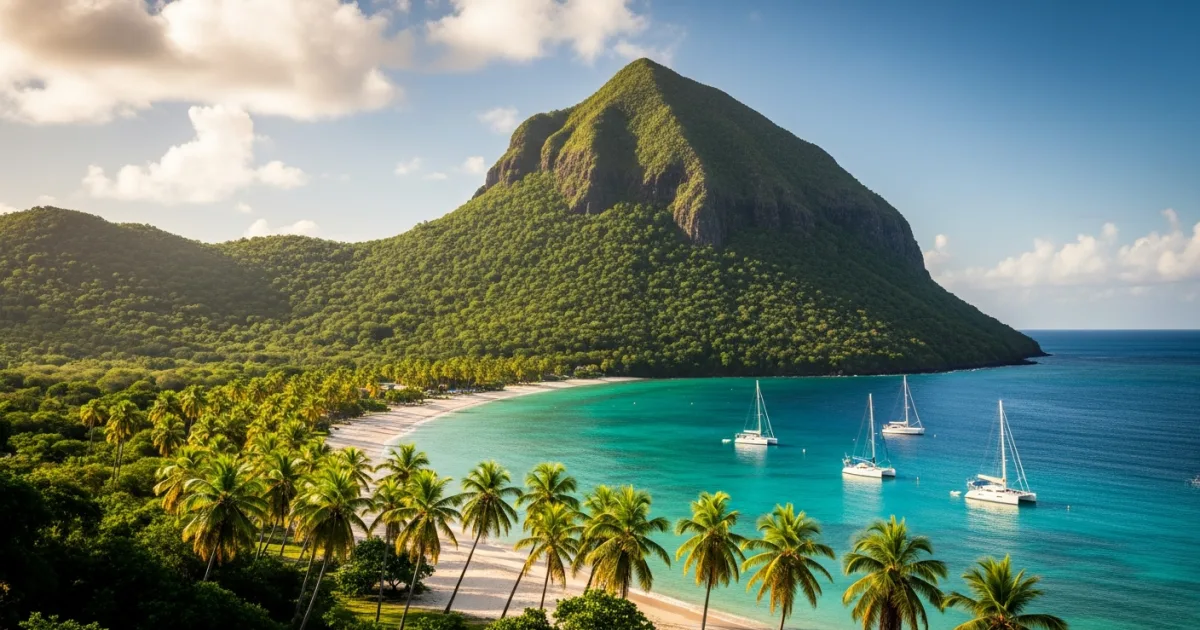
Lush volcanic mountains and a pristine white-sand beach in the Lesser Antilles

Intro

The Lesser Antilles form a stunning arc of islands in the Caribbean Sea, stretching from the Virgin Islands in the north down to Grenada in the south. This diverse archipelago is divided into the Leeward Islands, the Windward Islands, and the Leeward Antilles, offering a captivating blend of lush rainforests, volcanic peaks, and pristine white-sand beaches. Travelers to the Lesser Antilles can experience a rich tapestry of cultures, reflecting indigenous, African, European, and Caribbean influences. Whether you are seeking the luxurious resorts of St. Barts, the vibrant spice markets of Grenada, or the untouched natural beauty of Dominica, this region provides an unforgettable tropical escape tailored to every type of adventurer.

Additional Information

The Lesser Antilles are geographically divided into three main groups: the Leeward Islands in the north, the Windward Islands in the south, and the Leeward Antilles just north of the South American coast. This geographical diversity means travelers can experience everything from the arid, cactus-studded landscapes of Aruba to the dense, waterfall-laden rainforests of Dominica. The region's complex colonial history has left a fascinating cultural imprint, resulting in a unique blend of languages, architecture, and culinary traditions across the islands.

Beyond the stunning beaches, the Lesser Antilles are a haven for outdoor enthusiasts. The volcanic origins of many islands provide dramatic peaks perfect for hiking, such as the Pitons in St. Lucia or Mount Pelée in Martinique. Beneath the waves, the coral reefs offer world-class scuba diving and snorkeling, teeming with colorful marine life, sea turtles, and historic shipwrecks. Whether you are chartering a yacht to sail the Grenadines or dancing to calypso music at a local carnival, the Lesser Antilles promise a deeply enriching travel experience.

Reasons to Visit

  • World-class beaches ranging from powdery white sand to dramatic volcanic black sand.
  • Exceptional sailing and yachting opportunities, particularly in the British Virgin Islands and the Grenadines.
  • Rich biodiversity offering excellent hiking, birdwatching, and eco-tourism in lush rainforests.
  • Vibrant local cultures with spectacular annual carnivals, music festivals, and historic colonial architecture.
  • Outstanding marine environments perfect for scuba diving, snorkeling, and swimming with sea turtles.

Things to Avoid

  • Avoid traveling during the peak of hurricane season (August to October) unless visiting the ABC islands.
  • Do not touch or stand on coral reefs while snorkeling or diving, as they are fragile living ecosystems.
  • Avoid walking alone on isolated beaches or poorly lit areas at night to ensure personal safety.
  • Refrain from wearing camouflage clothing, as it is illegal for civilians to wear it on several Caribbean islands.
  • Avoid relying solely on credit cards; always carry some local currency for small purchases and tips.

Local Transportation Tips

Getting around the Lesser Antilles requires a mix of transportation methods. For inter-island travel, regional airlines provide quick connections, while ferry networks are excellent for shorter distances between neighboring islands. On the islands themselves, renting a car is often the best way to explore at your own pace, though be prepared for driving on the left side of the road in British-influenced territories. Taxis are widely available but are usually unmetered, so it is crucial to agree on the fare before starting your journey. Public minibuses are a cheap and authentic way to travel locally, though they can be crowded and operate on flexible schedules.

Travel Etiquette

  • Dress modestly when away from the beach; wearing swimwear in towns, shops, or restaurants is generally frowned upon.
  • Always greet locals with a polite 'Good morning' or 'Good afternoon' before asking a question or starting a transaction.
  • Tipping is customary; leave 10-15% at restaurants if a service charge hasn't already been added to the bill.
  • Ask for permission before taking photographs of local residents, market vendors, or their property.
  • Embrace 'island time'—service may be slower than you are used to, so practice patience and enjoy the relaxed pace.

Recommended Age Group

The Lesser Antilles offer a diverse range of activities suitable for almost all ages, from relaxing beach days to thrilling water sports.

  • Babies (0-2 years): Neutral. While resorts are accommodating, the intense tropical sun and limited advanced medical facilities on smaller islands require careful planning.
  • Kids (3-12 years): Recommended. Calm, shallow waters on the leeward coasts and family-friendly resorts make it an excellent destination for children.
  • Teens (13-19 years): Recommended. Abundant opportunities for snorkeling, zip-lining, and sailing keep teenagers highly engaged.
  • Adults (20-64 years): Recommended. Perfect for adults seeking a mix of adventure, scuba diving, vibrant nightlife, and romantic escapes.
  • Seniors (65+ years): Recommended. Luxury cruises, accessible beachfront resorts, and relaxing boat tours provide a comfortable and enjoyable experience.

Accessibility Level: Medium

  • Accessibility varies significantly across the islands; major resorts and cruise ports generally offer good facilities for wheelchair users.
  • Many older colonial towns have uneven cobblestone streets and lack curb cuts, making navigation challenging.
  • High-end hotels often provide accessible rooms, but it is essential to confirm specific requirements directly with the property before booking.
  • Natural attractions like rainforest trails and volcanic beaches are largely inaccessible to those with mobility impairments.
  • Some tour operators offer specialized accessible transport and boat tours, but these must be arranged well in advance.

Did You Know?

Did you know that the Lesser Antilles are home to the world's oldest protected rainforest? The Main Ridge Forest Reserve on the island of Tobago was established in 1776 specifically for the purpose of conservation, making it a pioneering site for environmental protection.

Cool Statistics

  • The Lesser Antilles stretch for approximately 500 miles (800 km) from the Virgin Islands to the coast of South America.
  • The region comprises over 20 distinct political entities, including independent nations and overseas territories of France, the UK, and the Netherlands.
  • Dominica, known as the 'Nature Island', boasts 365 rivers—one for every day of the year.
  • Saba, a tiny Dutch Caribbean island, is home to Mount Scenery, which is the highest point in the entire Kingdom of the Netherlands at 887 meters (2,910 feet).

Address:

Lesser Antilles, Caribbean

Find Nearby Accommodations

Basic Info

address icon

COUNTRY & Region

Caribbean,
Caribbean
Medium
Currency icon

LOCAL CURRENCY​

Euro (EUR)
Price level icon
Medium
Safety Level icon
Duration icon

Recommended Duration

• 1-7 days
• More than a week

Electricity

electricity icon

Electricity

110-120V,
60Hz
Plug Socket icon

Plug Type

• Type A (Flat blade)
• Type B (Flat blade with grounding pin)
Plug types
Click To View Plug Types

Things To Do In Lesser Antilles

Total: 5

Activities To Do In Lesser Antilles

Best Time To Visit

The ideal time to visit the Lesser Antilles is during the dry season, which runs from December to May. During these months, the weather is consistently sunny with lower humidity, making it perfect for beach activities and sailing.

  • Peak Season (December - April): Expect perfect weather, vibrant festivals, but higher prices and larger crowds.
  • Shoulder Season (May - June): A great sweet spot offering pleasant weather, fewer tourists, and better accommodation rates before the heavy rains begin.
  • Hurricane Season (July - November): Travel is riskier due to potential tropical storms, though you can find significant discounts. Southern islands like Aruba, Bonaire, and Curaçao (the ABC islands) are generally outside the hurricane belt.

Remember to check the weather forecast a few days before the trip and before heading to the airport.

Safety Level icon

SAFETY Level

Use Caution. The Lesser Antilles are generally safe for tourists, especially within resort areas and popular cruise ports. However, petty crime such as pickpocketing and bag snatching can occur, particularly in crowded markets or isolated beaches at night. Always secure your valuables, use hotel safes, and avoid walking alone in unlit areas after dark. Be aware of hurricane season from June to November and monitor local weather advisories.

The rating is based on multi-year peace, crime, and security indices. Before you go, always verify current conditions through official government travel advisories.

No internet needed • Includes local translations • Free for TravelingWiz readers

Emergency Numbers

Police: 911
Ambulance: 911

Spoken Languages

English, French, Dutch, Spanish, and various local Creoles.

Learn The Language

  • Bonjour (Hello)
  • Merci beaucoup (Thank you very much)
  • S’il vous plaît (Please)
  • Où est la plage? (Where is the beach?)
  • L’addition, s’il vous plaît (The bill, please)
  • Parlez-vous anglais? (Do you speak English?)
  • Combien ça coûte? (How much does this cost?)
  • Au revoir (Goodbye)

Trip Cost & Budgeting for Lesser Antilles, 2026

Everything you need to know about money while traveling

Traveling in the Lesser Antilles can range from budget-friendly guesthouses on less developed islands to ultra-luxurious resorts on exclusive islands like St. Barts or Mustique. Costs vary significantly depending on your specific destination and travel style.

Currency icon

LOCAL CURRENCY​:

Euro (EUR)
Price level icon
Medium
Major credit cards are widely accepted at hotels, large restaurants, and tour operators. However, carrying local currency (or US Dollars, which are widely accepted) is essential for small vendors, local markets, and tipping.

Per person, per day – pocket cash for small purchases.

Local: 270
Euro (EUR)
≈ 100 USD

Full daily spend estimation (accommodation, food, transportation, attractions).

Travel Style
East Caribbean Dollar (XCD)
≈ USD ($)
Budget
400
150
Mid-range
945
350
Comfort
1620
600

The Prices, Daily costs, and calculator results are estimates for planning purposes only. Actual costs may vary based on season, booking timing, personal spending habits, and currency fluctuations. TravelingWiz cannot be held responsible for discrepancies between these estimates and your final trip expenses.

  • Travel during the shoulder season (May and June) to secure lower rates on flights and accommodations.
  • Utilize local ferries for island hopping instead of expensive regional flights where possible.
  • Eat at local 'lolos' (open-air food stands) or street markets for authentic and affordable Caribbean cuisine.
  • Book excursions and rental cars in advance, especially if traveling during the peak winter months.
  • Consider all-inclusive packages if you plan to consume a lot of food and drinks at your resort, as a la carte dining can add up quickly.

Pre-Order Tickets

Avoid disappointment when tickets sell out — and skip the long lines by booking online in advance. You’ll often save up to 20% too.
Save up to 20%

Travel Discounts & Coupons

Save on hotels, attractions, transport, and gear — find verified discounts for smarter travel spending.
Verified Coupons

What To Pack

  • Lightweight, breathable cotton and linen clothing for the tropical climate.
  • Reef-safe sunscreen to protect the delicate marine ecosystems.
  • A sturdy pair of water shoes for rocky shores and coral beaches.
  • Insect repellent for evening outings and rainforest hikes.
  • A light rain jacket or poncho for sudden tropical showers.
  • A universal power adapter, as plug types and voltages can vary between the French, Dutch, and British-influenced islands.
We couldn't find tips for Lesser Antilles.
If you got any, please share

Recommended Itineraries for this Destination

We couldn't find itineraries for Lesser Antilles.
you can contact us for custom trip plan

Food & Drink Highlights

Local Food Overview

The culinary landscape of the Lesser Antilles is a vibrant fusion of African, European, East Indian, and indigenous Taíno influences. Expect an abundance of fresh seafood, tropical fruits, and hearty stews heavily seasoned with local spices, scotch bonnet peppers, and fresh herbs.
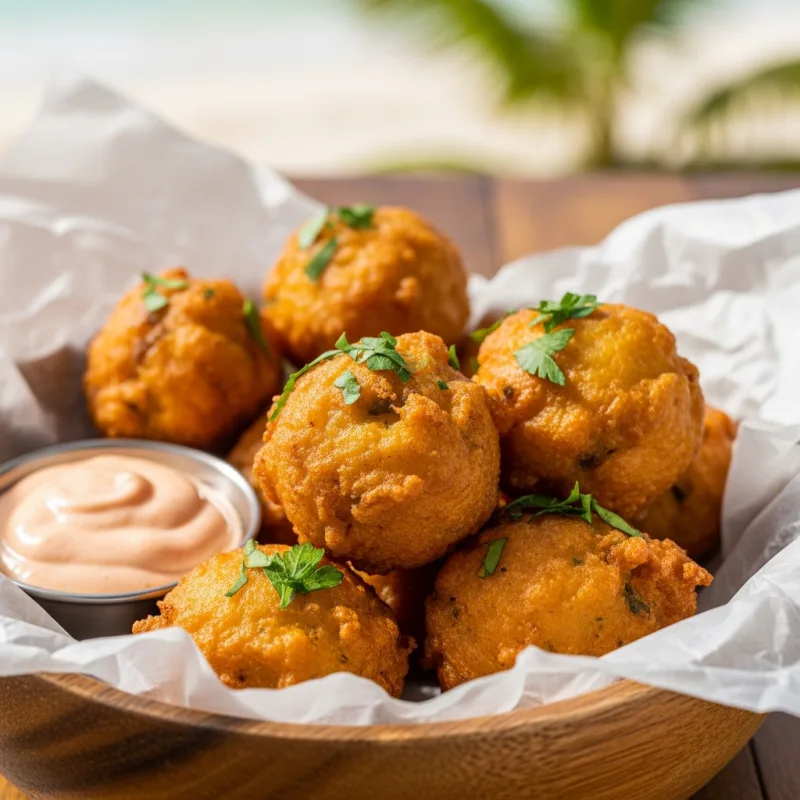
Crispy golden conch fritters in a wooden bowl with dipping sauce

Must Try Dish

Conch Fritters - Conch fritters are a beloved Caribbean delicacy made from tenderized sea snail meat mixed with a savory batter of peppers, onions, and local spices. Deep-fried to a perfect golden brown, they are crispy on the outside, soft on the inside, and typically served with a tangy dipping sauce.

Food Experiences

No food experience found

GetReady

Plan your trip seamlessly with our trusted partners and expert guidance. Follow these steps to book everything you need or connect with a local tour guide for personalized support

Step 1: Find the Perfect Accommodation

Explore a wide range of hotels, boutique stays, and vacation rentals to suit every traveler’s needs and budget. From luxury options to cozy family stays, find the best place for your trip.

Step 2: Book Your Flights

Secure the best flight deals for your destination. With our trusted partners, booking flights is quick and hassle-free.

Step 3: Let a Tour Guide Help

Not sure where to start? A professional local tour guide can create a customized itinerary or assist you in planning your trip. Make your journey seamless and stress-free.

Step 4: Rent a Car

Travel at your own pace by renting a car. Whether you’re exploring cities or embarking on a road trip, find reliable and convenient car rental options.

Step 5: Get Travel Insurance

Protect yourself and your loved ones with comprehensive travel insurance. Our partners offer plans to cover every aspect of your journey.

Step 6: Need a Visa?

Check visa requirements for your destination and apply quickly with trusted services. Simplify the process and ensure you’re ready to travel without delays.

FAQs

Visa requirements vary depending on your nationality and the specific island you are visiting. US, Canadian, and EU citizens generally do not need visas for short tourist stays, but always check the specific entry requirements for each island territory.
Tap water is generally safe to drink on the more developed islands like Barbados, Martinique, and Aruba. However, on smaller or less developed islands, it is recommended to stick to bottled or filtered water.
Island hopping is best done via regional airlines like interCaribbean Airways or LIAT. For islands that are close together (like St. Maarten, Anguilla, and St. Barts, or Guadeloupe and Dominica), ferry services are a scenic and cost-effective option.
Yes, the US Dollar is widely accepted across most of the Lesser Antilles, even on islands with their own currency like the East Caribbean Dollar. However, you will often receive change in the local currency.
Yes, the official Atlantic hurricane season runs from June 1 to November 30. The Leeward and Windward islands are in the hurricane belt, while the ABC islands (Aruba, Bonaire, Curaçao) in the Leeward Antilles are generally outside of it.

Help Us Improve

If you visited
Lesser Antilles
click here to share your tips and stories.

This will help us improve our guides for the entire travelers community.

Related Articles

Check out our related articles and blog posts to learn even more about the destination.
No related articles found

Don’t Travel Alone

Share with your friends and family

Where should we send your offline card?

We hate spam just as much as you do

newsletter_consent *

Join travel lovers and get exclusive travel tips, coupons and more!

Register

Now!