Disclosure: This site contains affiliate links. We may earn a commission if you make a purchase, at no extra cost to you.

>
>
>
Littoral Region, Cameroon

Littoral Region, Cameroon

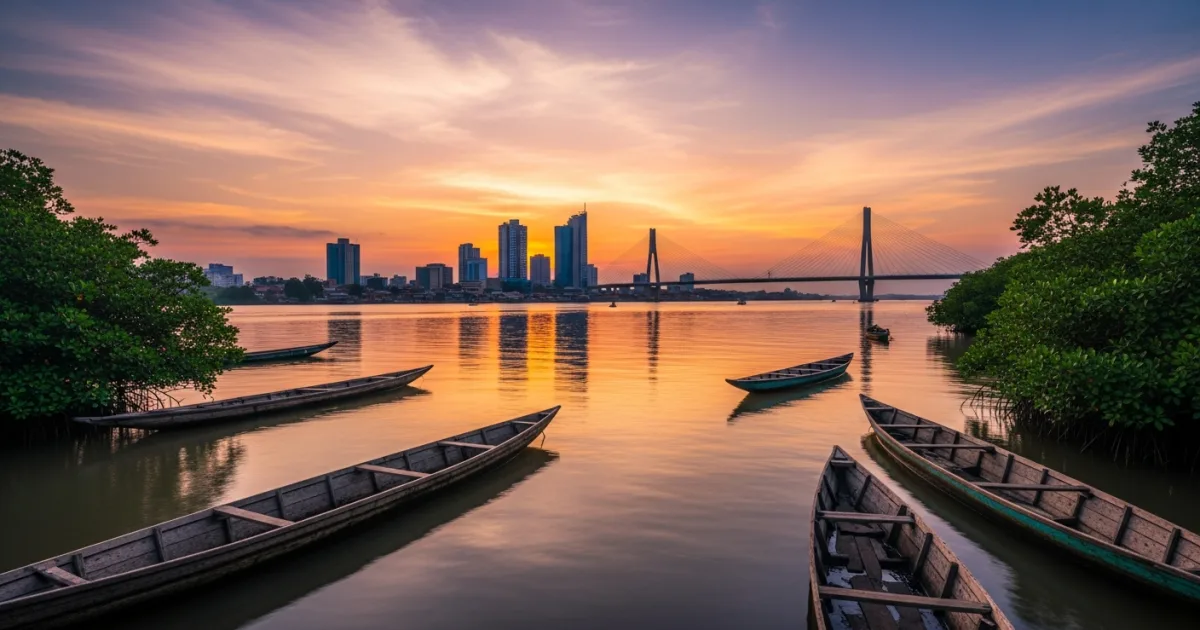
Traditional canoes on the Wouri River with the Douala skyline in the background at sunset.

Littoral Region, Cameroon Overview & Key Highlights

The Littoral Region of Cameroon, encompassing the economic capital Douala, serves as the primary commercial and industrial hub of the country. Situated on the Gulf of Guinea, this region covers an area of 20,248 square kilometers and features a dense network of rivers, including the Wouri River, which plays a critical role in local trade and transportation. Douala International Airport and the Port of Douala handle the vast majority of Cameroon's international cargo and passenger traffic, making the region the most accessible entry point for international visitors. The climate is equatorial, characterized by high humidity and significant rainfall, particularly between June and October, which sustains the lush mangrove forests and coastal ecosystems. Cultural diversity defines the Littoral Region, with the indigenous Sawa people hosting the annual Ngondo festival on the banks of the Wouri River to honor water spirits and traditional heritage. Historical landmarks such as the Palace of the Kings Bell and the Maritime Museum of Douala provide documented insights into the area's colonial past and maritime evolution. Beyond the urban density of Douala, the region offers ecological reserves like the Douala-Edéa National Park, which protects manatees, elephants, and various primate species. Infrastructure development is ongoing, and while urban navigation requires reliance on local taxis or ride-hailing services, the region remains a vital center for experiencing Central African economic dynamism and coastal traditions.

Littoral Region, Cameroon Travel Guide: Logistics & In-Depth Tips

The Littoral Region operates as the economic engine of Cameroon, contributing significantly to the national GDP through its port, manufacturing, and commercial sectors. Douala, the regional capital, houses over 2.7 million residents and serves as the headquarters for numerous multinational corporations operating in Central Africa. The region's geography is dominated by the coastal plain, which transitions into dense equatorial rainforests inland. Key geographical features include the Wouri estuary, which provides a natural harbor that has historically facilitated both the transatlantic slave trade and modern international commerce.

Beyond its industrial facade, the Littoral Region holds deep cultural significance for the indigenous Sawa people, who maintain strong connections to the coastal waters. The region's architecture is a mosaic of pre-colonial structures, German colonial buildings, and modern high-rises, reflecting its complex historical evolution. While Douala is characterized by its fast-paced urban environment and vibrant nightlife, the surrounding areas offer stark contrasts with tranquil mangrove ecosystems and protected wildlife reserves, making the region a multifaceted destination for business and eco-tourism alike.

Reasons to Visit

  • Economic Hub: Douala offers unparalleled access to Central African business networks and commercial markets.
  • Cultural Heritage: The annual Ngondo Festival showcases the traditions of the Sawa people, featuring canoe races and traditional rituals.
  • Historical Architecture: Landmarks like the Cathedral of St. Peter and Paul and the Pagode (Palace of the Kings Bell) reflect German and French colonial influences.
  • Biodiversity: The Douala-Edéa National Park spans 160,000 hectares, providing habitat for African forest elephants, chimpanzees, and West African manatees.
  • Culinary Scene: The region is the birthplace of Ndolé, offering authentic culinary experiences in both street food stalls and upscale restaurants.

Things to Avoid

  • Unregistered Taxis: Avoid using unmarked or shared taxis (clandos) due to safety and security risks; opt for recommended private drivers or hotel-arranged transport.
  • Nighttime Walking: Refrain from walking in poorly lit or unfamiliar neighborhoods after dark to minimize the risk of muggings.
  • Tap Water: Do not consume tap water; rely exclusively on bottled or properly purified water to prevent waterborne illnesses.
  • Flashy Valuables: Avoid displaying expensive jewelry, cameras, or large amounts of cash in public spaces like the Marché Central.
  • Rainy Season Travel: Minimize rural travel during the peak rainy season (July to September) as unpaved roads frequently become impassable.

Local Transportation Tips

Transportation within the Littoral Region relies heavily on road networks, with the N3 highway connecting Douala to the national capital, Yaoundé. Urban transit in Douala is dominated by yellow taxis, which operate on a shared basis unless chartered specifically (known locally as "dépôt"). Motorcycle taxis (benskins) navigate traffic congestion effectively but pose significant safety risks due to erratic driving and lack of helmets. For intercity travel, VIP bus services such as Touristique Express offer air-conditioned, scheduled routes between major urban centers. The regional rail network, operated by Camrail, provides passenger services linking Douala to Yaoundé and northern destinations, offering a scenic alternative to road travel. Ride-hailing applications like Yango have recently entered the Douala market, providing a safer and more predictable alternative to traditional street-hailed taxis.

Travel Etiquette

  • Greetings: Handshakes are the standard greeting; it is customary to greet elders first and use titles such as "Monsieur" or "Madame."
  • Photography: Always request explicit permission before photographing local residents, military installations, or government buildings to avoid confiscation of equipment.
  • Dress Code: Dress conservatively, particularly outside of major hotels; lightweight, modest clothing is recommended to respect local norms and manage the heat.
  • Dining: When eating traditional meals with hands, strictly use the right hand, as the left is considered unclean in many local cultures.
  • Bargaining: Negotiating prices is expected in open-air markets, but should be conducted politely and with a friendly demeanor.

Recommended Age Group

The Littoral Region presents a dynamic but challenging environment, best suited for travelers who can navigate its bustling urban centers and tropical climate.

  • Babies (0-2 years): Not Recommended. The extreme heat, high humidity, risk of malaria, and limited access to specialized pediatric emergency care make travel difficult for infants.
  • Kids (3-12 years): Neutral. While older children might enjoy specific wildlife excursions, the intense urban environment of Douala and health precautions require meticulous planning.
  • Teens (13-19 years): Recommended. Teenagers can appreciate the vibrant culture, historical sites, and nature reserves, provided they adhere to safety and health guidelines.
  • Adults (20-64 years): Recommended. This demographic is ideally suited to navigate the business hubs, enjoy the nightlife, and undertake eco-tourism activities in the region.
  • Seniors (65+ years): Neutral. The heat, humidity, and uneven urban infrastructure can pose mobility challenges, though organized, private tours can mitigate these issues.

Accessibility Level: Medium

  • Urban Infrastructure: Sidewalks in Douala are often uneven, crowded, or non-existent, making wheelchair navigation highly challenging.
  • Public Transport: Standard public transportation and yellow taxis are not equipped with wheelchair ramps or accessibility features.
  • Accommodation: Only top-tier international hotels in Douala offer reliable accessible rooms and elevator access.
  • Attractions: Many historical sites and natural reserves lack paved pathways or ramps, limiting access for visitors with mobility impairments.
  • Assistance: Travelers requiring mobility assistance should arrange private, specialized transport and guided tours well in advance of their arrival.

Did You Know?

The name "Cameroon" originates from the Littoral Region's Wouri River. In 1472, Portuguese explorer Fernão do Pó navigated the estuary and, noting an abundance of ghost mud shrimp (Lepidophthalmus turneranus), named it "Rio dos Camarões" (River of Prawns). This localized geographical observation eventually evolved into the national designation for the entire country. Furthermore, the region's capital, Douala, was previously known as Kamerunstadt during the German colonial period before being renamed in 1907 to reflect the indigenous Duala people.

Cool Statistics

  • Population: Douala, the regional capital, has an estimated population exceeding 2.7 million, making it the largest city in Cameroon.
  • Port Traffic: The Port of Douala handles approximately 95% of Cameroon's international maritime traffic.
  • Area: The Littoral Region covers a total land area of 20,248 square kilometers.
  • Rainfall: Douala receives an average annual rainfall of over 3,600 millimeters, classifying it among the wettest cities globally.
  • Protected Land: The Douala-Edéa National Park encompasses 1,600 square kilometers of protected coastal and forest ecosystems.


Address:

Littoral Region, Cameroon

Find Nearby Accommodations

Basic Info

address icon

COUNTRY & Region

Cameroon,
Africa

ACCESSIBILITY LEVEL​

Medium
Currency icon

LOCAL CURRENCY​

Central African CFA Franc (XAF)
Price level icon
Medium
Safety Level icon

SAFETY LEVEL

Duration icon

Recommended Duration

• Full day
• 1-7 days

Electricity

electricity icon

Electricity

220-240V, 
50Hz
Plug Socket icon

Plug Type

• Type C (Round pin)
• Type E (Two round pins with earth pin)
Plug types
Click To View Plug Types

Things To Do In Littoral Region, Cameroon

Total: 1

Douala, Cameroon
Explore Douala, the economic hub of Cameroon. Discover vibrant markets, art, delicious cuisine, and cultural festivals in this bustling port city.

Activities To Do In Littoral Region, Cameroon

Best Time To Visit Littoral Region, Cameroon

The optimal time to visit the Littoral Region is during the dry season, which runs from November to February. During these months, average temperatures range from 25°C to 30°C, and precipitation is minimal, facilitating easier road travel and outdoor exploration.

  • November to February: Dry season; ideal for wildlife viewing in Douala-Edéa National Park and attending the Ngondo Festival in December.
  • March to May: Transition period with increasing humidity and occasional thunderstorms; suitable for urban activities.
  • June to October: Heavy rainy season; expect frequent downpours, potential flooding in Douala, and difficult travel conditions on unpaved rural roads.

Average Temperatures Per Month

Remember to check the weather forecast a few days before the trip and before heading to the airport.

Safety Level icon

Safety Level

Use Caution. The Littoral Region, particularly Douala, experiences high levels of petty crime, including pickpocketing and bag snatching, especially in crowded markets and transport hubs. While it is geographically removed from the conflict zones in the Far North and Anglophone regions, visitors should avoid walking alone at night, use trusted transportation, and remain vigilant regarding personal security and local health advisories.

The rating is based on multi-year peace, crime, and security indices. Before you go, always verify current conditions through official government travel advisories.

Emergency Numbers

Police: 117
Ambulance: 119

No internet needed • Includes local translations • Free for TravelingWiz readers

Spoken Languages

French is the dominant official language in the Littoral Region, widely used in business, government, and daily life. English is also spoken, particularly in business circles and by the expatriate community. Indigenous languages, notably Duala and Bassa, are frequently spoken among the local populations.

Learn The Language

  • Bonjour (Hello)
  • Merci beaucoup (Thank you very much)
  • Combien ça coûte? (How much does this cost?)
  • Où sont les toilettes? (Where is the bathroom?)
  • Je ne comprends pas (I do not understand)
  • Pouvez-vous m’aider? (Can you help me?)
  • L’addition, s’il vous plaît (The bill, please)
  • Parlez-vous anglais? (Do you speak English?)
Travel Booking Partner - TravelingWiz

Trip Cost & Budgeting for Littoral Region, Cameroon, 2026

Everything you need to know about money while traveling
Is Littoral Region, Cameroon expensive for tourists in 2026? While costs are moderate compared to Western destinations, budget expectations vary across the region. Based on our Human Verified prices, expect to pay around 1,200 XAF for a coffee, 800 XAF for a domestic beer, and 6,000 XAF for a mid-range meal in Douala. Transport and mid-scale lodging remain reasonably priced for most travelers. Use the data table below to calculate your specific daily budget based on your travel style.
Currency icon

LOCAL CURRENCY​:

Central African CFA Franc (XAF)
Price level icon
Medium
Cameroon is predominantly a cash economy, though major upscale hotels and restaurants in Douala accept Visa cards.

Per person, per day – pocket cash for small purchases.

Local: 5200
Central African CFA Franc (XAF)
≈ 9 USD

Full daily spend estimation (accommodation, food, transportation, attractions).

Travel Style
Central African CFA Franc (XAF)
≈ USD ($)
Budget
28600
50
Mid-range
52000
92
Comfort
114400
202

The Prices, Daily costs, and calculator results are estimates for planning purposes only. Actual costs may vary based on season, booking timing, personal spending habits, and currency fluctuations. TravelingWiz cannot be held responsible for discrepancies between these estimates and your final trip expenses.

  • • Use shared yellow taxis for short urban trips in Douala instead of hiring private drivers for the entire day.
  • • Sample local specialties like Ndolé or Poulet DG at authentic neighborhood eateries rather than dining exclusively at hotel restaurants.
  • • Withdraw XAF cash from major bank ATMs like Ecobank, SGBC, or UBA in central Douala before traveling to smaller towns.
  • • Negotiate taxi fares and market purchases politely before starting your journey, as prices are rarely fixed.

Pre-Order Tickets

Avoid disappointment when tickets sell out — and skip the long lines by booking online in advance. You’ll often save up to 20% too.
Save up to 20%

Travel Discounts & Coupons

Save on hotels, attractions, transport, and gear — find verified discounts for smarter travel spending.
Verified Coupons

What To Pack

  • Lightweight Clothing: Pack breathable cotton or linen garments to manage the equatorial heat and high humidity.
  • Rain Gear: Bring a durable umbrella and a lightweight waterproof jacket, especially if traveling between June and October.
  • Mosquito Repellent: Carry DEET-based repellents and antimalarial medication, as the region is a high-risk malaria zone.
  • Sturdy Footwear: Include comfortable walking shoes for urban exploration and waterproof boots for nature reserves.
  • Universal Adapter: Pack a Type C or Type E plug adapter to ensure compatibility with local 220V outlets.
We couldn't find tips for Littoral Region, Cameroon.
If you got any, please share

Recommended Itineraries for Traveling to Littoral Region, Cameroon

We couldn't find itineraries for Littoral Region, Cameroon.
you can contact us for custom trip plan

Food & Drink Highlights

Local Food Overview

The culinary landscape of the Littoral Region is heavily influenced by its coastal geography and the traditions of the Sawa people. Seafood, plantains, cassava, and rich peanut-based sauces form the foundation of the local diet, offering robust and savory flavor profiles.
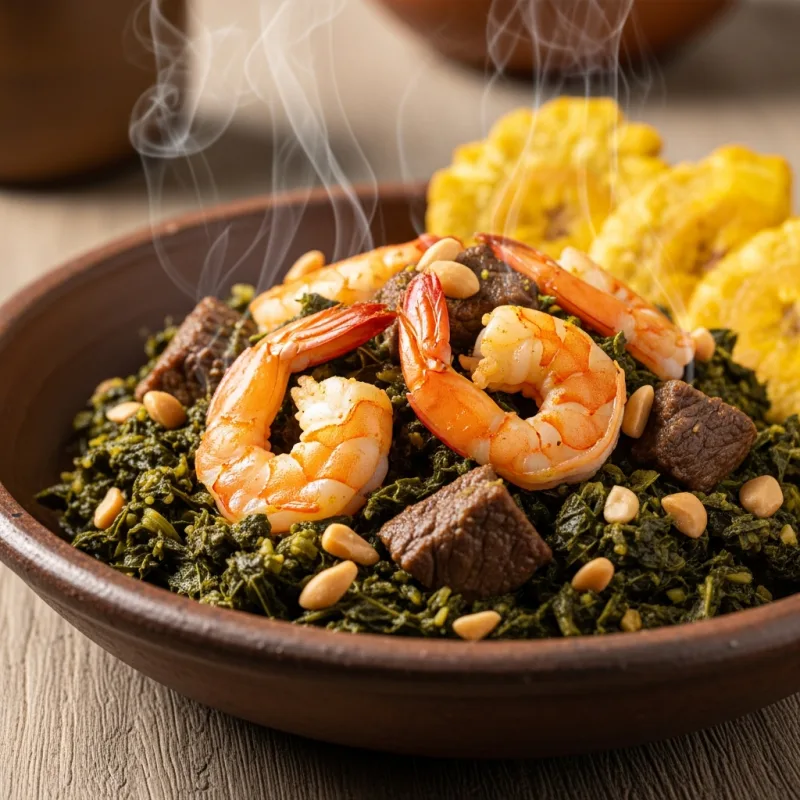
A bowl of traditional Cameroonian Ndolé stew with shrimp and beef, served with fried plantains.

Must Try Dish

Ndolé is a rich, savory stew made from finely chopped bitter leaves, crushed peanuts, and typically includes dried fish, beef, or shrimp. Originating from the Sawa people of the Littoral Region, this dish is traditionally served with fried plantains or bobolo (fermented cassava wrapped in leaves) and is considered the culinary centerpiece of Cameroonian celebrations.
Food Experiences Title Icon

Food
Experiences

Discover cooking classes, tastings and local food tours

No food experience found
Maya, the human travel expert at TravelingWiz, offering curated, non-AI expertise

Maya’s Final Checklist for Littoral Region, Cameroon

Logistics shouldn’t be the focus of your trip—the experience should. I’ve hand-vetted these essential partners to ensure your arrival, stay, and exploration are as smooth as an Athenian breeze.

Where to Stay

From boutique hotels to local apartments—compare thousands of options and find the perfect stay in the best neighborhood.

Air Travel

Getting there should be seamless. Compare the best routes and prices across top airlines to start your journey on the right note.

Local Guides

Connect with experts who know the destination best. Get personalized advice and insider tips to help you plan your perfect trip.

Travel Protection

The “Engineer’s” rule: always have a backup. Secure your trip with a plan that covers every “what if” and unexpected change.

Car Rentals

Explore at your own pace with total freedom. Compare reliable rental options and find the right vehicle for your adventure.

Visa Services

Don’t let paperwork slow you down. Get expert assistance with your application to ensure all your entry documents are in order.

FAQs

Yes, most foreign nationals require a visa to enter Cameroon. Visas must typically be obtained in advance from a Cameroonian embassy or consulate, and proof of yellow fever vaccination is mandatory for entry.
No, tap water in the Littoral Region is not safe for consumption. Visitors should strictly drink bottled water and use it for brushing teeth to avoid waterborne diseases.
Ride-hailing apps like Yango are the safest and most reliable way to navigate Douala. Alternatively, you can charter a yellow taxi (dépôt), but ensure you negotiate the fare before starting the journey.
Credit cards are accepted at major international hotels, high-end restaurants, and large supermarkets in Douala. However, cash is essential for daily transactions, markets, and smaller establishments.
A Yellow Fever vaccination certificate is mandatory for entry into Cameroon. Additionally, antimalarial medication and vaccinations for Typhoid, Hepatitis A, and Tetanus are highly recommended.

Your Insights Matter

TravelingWiz grows through the stories of our community. If you’ve recently explored ,Littoral Region, Cameroon share your tips and stories to help us perfect our guides for the next traveler.

Related Articles

Check out our related articles and blog posts to learn even more about the destination.

No related articles found

Don’t Travel Alone

Share with your friends and family

Where should we send your offline card?

We hate spam just as much as you do

newsletter_consent *