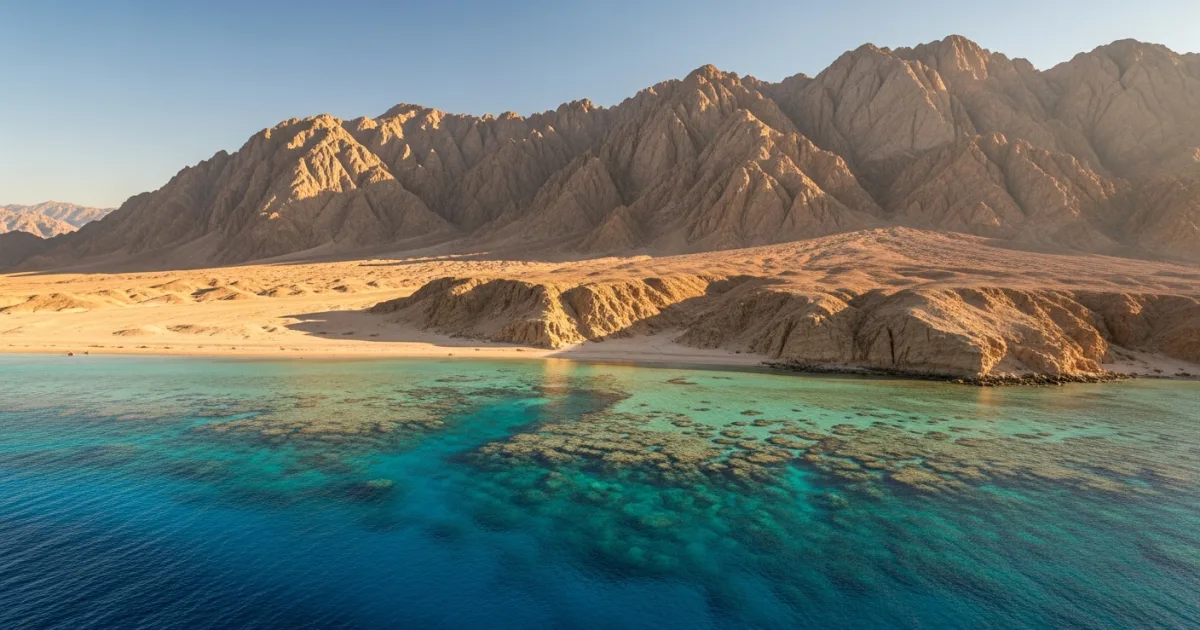
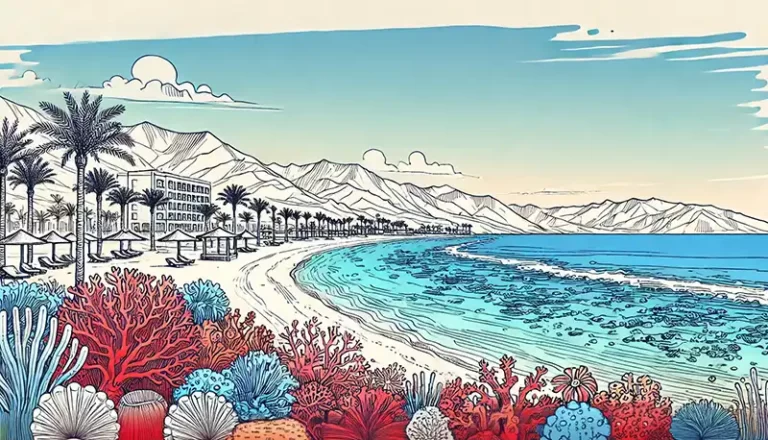
South Sinai Governorate is geographically isolated from mainland Egypt by the Gulf of Suez, creating a distinct cultural and ecological zone. The region's economy transitioned from traditional Bedouin pastoralism and mining to international tourism beginning in the 1980s. Today, the governorate features a dual-tourism model: high-end, all-inclusive resorts dominate the southern tip at Sharm El-Sheikh, while the eastern coast along the Gulf of Aqaba (Dahab, Nuweiba, Taba) caters to independent travelers and water sports enthusiasts.
Ecologically, the region is highly sensitive. The Red Sea's high salinity and isolation have resulted in a 20% endemism rate among its marine life. Inland, the Saint Catherine Protectorate covers 4,350 square kilometers of high-altitude desert, preserving unique flora and serving as the historical homeland of the Jabalya Bedouin tribe. Infrastructure development is strictly regulated to balance the influx of over 3 million annual visitors with the preservation of these fragile desert and marine ecosystems.
Reasons to Visit
- World-Class Diving: The SS Thistlegorm wreck and the Blue Hole in Dahab rank among the top 10 dive sites globally, offering unparalleled underwater visibility often exceeding 30 meters.
- Historical Significance: Saint Catherine's Monastery houses the world's oldest continuously operating library and the purported site of the Burning Bush.
- Wind Sports: Dahab's unique coastal topography creates a natural wind tunnel, providing 300+ days of wind per year for kiteboarding and windsurfing.
- Desert Trekking: The Sinai Trail, Egypt's first long-distance hiking trail, spans 550 kilometers through the governorate's rugged interior.
- Biodiversity: Ras Mohammed National Park protects critical mangrove ecosystems and serves as a major stopover for migratory birds traveling between Europe and Africa.
Things to Avoid
- Touching Coral: Physical contact with coral reefs causes immediate damage and introduces fatal bacteria to the polyps; it is strictly illegal and heavily fined.
- Off-Route Desert Travel: Venturing into the desert without a registered Bedouin guide is prohibited due to security protocols and the risk of getting lost in extreme conditions.
- Public Displays of Affection: Outside of private resort boundaries, overt physical affection violates local conservative norms and can attract unwanted attention.
- Photographing Military/Police: Capturing images of checkpoints, military installations, or security personnel is a severe offense that can result in equipment confiscation or detention.
- Drinking Tap Water: The local municipal water supply is not potable; consuming it frequently leads to severe gastrointestinal distress.
Local Transportation Tips
Transportation within South Sinai relies entirely on road networks, as there are no domestic rail services. The East Delta Bus Company operates scheduled, air-conditioned coaches connecting major hubs like Sharm El-Sheikh, Dahab, and Cairo. For shorter distances, shared microbuses are the primary mode of transit for locals and budget travelers, operating without fixed schedules and departing only when full. Private taxis are abundant but require aggressive fare negotiation prior to departure. Tourist police strictly monitor all intercity travel, requiring drivers to submit passenger manifests at checkpoints.
Travel Etiquette
- Dress Modestly: When leaving beach resorts, ensure shoulders and knees are covered to respect Islamic cultural norms.
- Tipping (Baksheesh): A 10-15% tip is expected in restaurants, while small notes (10-20 EGP) should be given to baggage handlers and housekeeping staff.
- Haggling: Negotiating prices is standard practice in bazaars and for taxi rides; aim for 40-50% of the initial asking price.
- Right Hand Usage: Always use your right hand for eating, passing items, and greeting, as the left hand is traditionally considered unclean.
- Ramadan Awareness: During the holy month, avoid eating, drinking, or smoking in public during daylight hours out of respect for fasting locals.
Recommended Age Group
South Sinai offers diverse experiences, but its extreme climate and rugged terrain dictate suitability for different age demographics.
- Babies (0-2 years): Neutral. While high-end resorts in Sharm El-Sheikh provide excellent facilities, the intense heat and limited pediatric care in remote areas like Dahab or the desert interior pose challenges.
- Kids (3-12 years): Recommended. The calm, shallow waters of resort beaches are ideal for swimming, and glass-bottom boat tours provide accessible marine education.
- Teens (13-19 years): Recommended. The region offers high-adrenaline activities including windsurfing, introductory scuba diving, and guided quad-bike desert safaris.
- Adults (20-64 years): Recommended. Adults can fully engage in the governorate's primary attractions, from advanced technical diving at the Blue Hole to multi-day treks on the Sinai Trail.
- Seniors (65+ years): Recommended. Accessible historical sites, luxury wellness resorts, and comfortable boat cruises cater well to older travelers, though steep hikes like Mount Sinai may require caution.
Accessibility Level: Medium
- Resort Accessibility: Major 5-star resorts in Sharm El-Sheikh feature ramp access, paved pathways, and ground-floor accommodations suitable for wheelchair users.
- Historical Sites: Saint Catherine's Monastery has uneven, ancient stone paving and steps, making wheelchair access highly restricted.
- Marine Activities: Several specialized dive centers in Sharm El-Sheikh offer adaptive scuba diving programs for individuals with physical disabilities.
- Transport: Public buses and microbuses lack wheelchair lifts; travelers requiring mobility assistance must hire private, pre-arranged transport.
- Sidewalk Infrastructure: Outside of main resort promenades, sidewalks in towns like Dahab are often unpaved, uneven, or non-existent, complicating mobility.
Did You Know?
Saint Catherine's Monastery in South Sinai contains the second-largest collection of early codices and manuscripts in the world, outnumbered only by the Vatican Library. The collection includes texts in Greek, Arabic, Armenian, Coptic, Hebrew, and Syriac, preserved for centuries due to the region's extremely dry climate and the monastery's isolated, fortified location.
Cool Statistics
- Highest Peak: Mount Catherine stands at 2,629 meters (8,625 feet) above sea level.
- Coastline Length: The governorate features approximately 600 kilometers of coastline along the Red Sea and Gulf of Aqaba.
- Marine Life: The surrounding waters host over 1,000 species of fish and 250 species of coral.
- Protected Area: Ras Mohammed National Park covers 480 square kilometers of marine and terrestrial ecosystems.
- Monastery Age: Saint Catherine's Monastery was constructed between 548 and 565 AD by order of Emperor Justinian I.







Buy a compatible power adapter for your trip