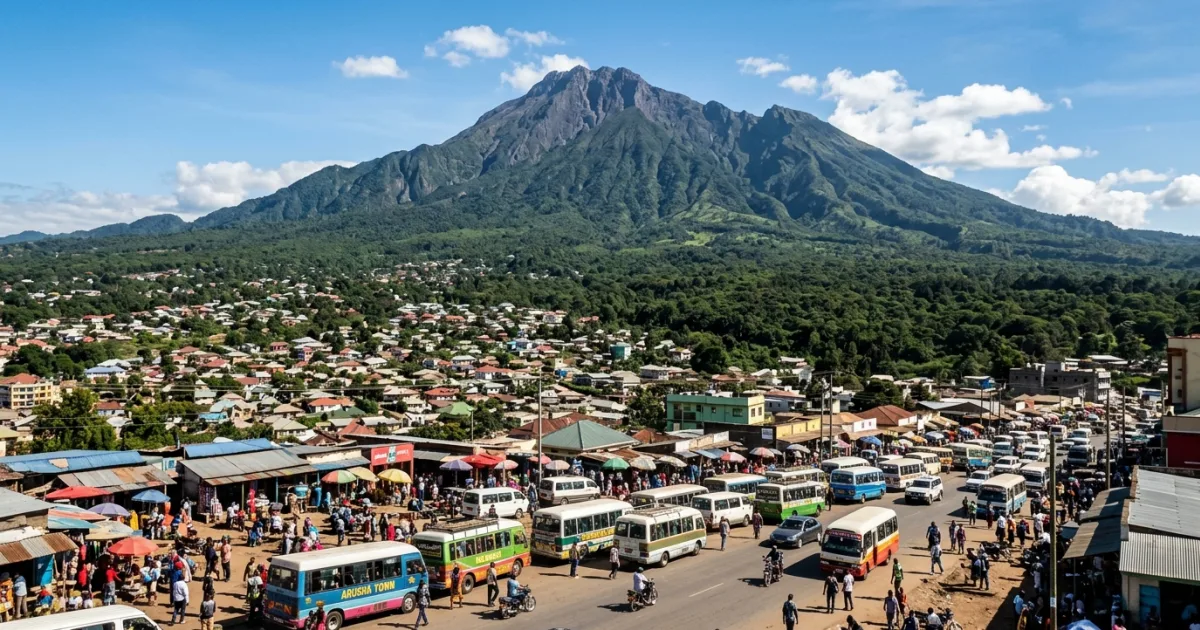
Situated at an elevation of 1,400 meters, Arusha enjoys a temperate climate that provides a refreshing contrast to the coastal heat of Dar es Salaam. The city is geographically dominated by the imposing presence of Mount Meru, Africa's fifth-highest peak, which offers a spectacular backdrop and excellent trekking opportunities. Historically a minor garrison town, Arusha has exploded in growth to become the diplomatic and tourism hub of East Africa, hosting the East African Community headquarters and serving as the launchpad for the Northern Safari Circuit.
While many tourists simply pass through, spending a few days in Arusha reveals a vibrant, multifaceted city. The Central Market is a sensory overload of colorful produce, aromatic spices, and bustling commerce. Coffee enthusiasts can tour historic plantations on the city's outskirts, learning about the bean-to-cup process while supporting local farmers. From the intricate carvings at the Cultural Heritage Centre to the lively nightlife venues where locals dance to Bongo Flava, Arusha offers a rich cultural immersion before you head out into the wilderness.
Reasons to Visit
- Safari Gateway: The absolute best starting point for exploring the Serengeti, Ngorongoro Crater, and Tarangire.
- Mount Meru: Offers a challenging and less crowded trekking alternative to Mount Kilimanjaro, complete with wildlife sightings on the lower slopes.
- Coffee Culture: Surrounded by lush plantations producing some of the world's finest Arabica coffee.
- Cultural Heritage: Home to diverse tribes including the Maasai and Meru, offering authentic cultural tours and vibrant local markets.
- Arusha National Park: A highly accessible park featuring diverse landscapes, from the Momella Lakes to the Ngurdoto Crater, perfect for day trips and walking safaris.
Things to Avoid
- Unlicensed Tour Operators: Avoid booking safaris with street touts ('flycatchers'); always use registered, reputable companies.
- Walking at Night: The streets are poorly lit and petty crime increases after dark. Always take a taxi.
- Drinking Tap Water: Stick to bottled or purified water to prevent stomach issues.
- Flashy Valuables: Do not wear expensive jewelry or openly display large cameras and smartphones in crowded areas.
- Photographing Locals Without Permission: Always ask before taking photos of people, especially the Maasai, as they may expect a small tip or find it offensive.
Local Transportation Tips
Navigating Arusha can be an adventure in itself. The most common and cheapest way to get around is by 'daladala', the local minibuses that run along set routes. They are incredibly cheap but often cramped and chaotic. For a more comfortable and direct journey, taxis are widely available; however, they are unmetered, so you must negotiate and agree on the fare before getting in. Ride-hailing apps like Bolt are becoming increasingly popular and offer a safer, price-transparent alternative. For short distances, 'boda-bodas' (motorcycle taxis) are quick but carry a higher safety risk due to erratic traffic.
Travel Etiquette
- Dress Modestly: While Arusha is used to tourists, Tanzania is a conservative country. Avoid overly revealing clothing; knees and shoulders should generally be covered when walking in town.
- Greetings Matter: Always take the time to greet people properly with a 'Jambo' or 'Habari' before asking a question or starting a transaction.
- Use Your Right Hand: Always use your right hand for eating, shaking hands, and giving or receiving items, as the left hand is considered unclean.
- Tipping: Tipping is expected in the tourism industry. Tip safari guides, drivers, and hotel staff generously if the service is good.
- Respect Elders: Show deference to older individuals, a cornerstone of Tanzanian social etiquette.
Recommended Age Group
Arusha and its surrounding attractions cater to a wide range of ages, though the rugged nature of safaris requires some consideration.
- Babies (0-2 years): Not Recommended. The risk of malaria, long bumpy car rides, and lack of specialized medical facilities make it unsuitable for infants.
- Kids (3-12 years): Recommended. Many lodges offer family-friendly safari programs, though parents should ensure children can handle long drives and adhere to safety rules around wildlife.
- Teens (13-19 years): Recommended. An incredible educational experience with opportunities for active adventures like hiking and cultural interactions.
- Adults (20-64 years): Recommended. The prime demographic for trekking Mount Meru, enduring long safari days, and exploring the bustling city.
- Seniors (65+ years): Recommended. Safaris can be tailored for comfort with fly-in options and luxury lodges, though those with mobility issues should plan carefully.
Accessibility Level: Low
- Wheelchair accessibility in Arusha is generally poor, with uneven sidewalks, lack of ramps, and unpaved roads being common.
- High-end safari lodges and international hotels are more likely to have accessible rooms and flat pathways.
- Specialized tour operators can arrange accessible safari vehicles with ramps or lifts, but these must be booked well in advance.
- Travelers with mobility issues should opt for private transfers rather than attempting to use local public transport like daladalas.
Did You Know?
Arusha is geographically located at the exact midpoint between Cape Town, South Africa, and Cairo, Egypt. A monument marking this halfway point of the British Empire's vision for a Cape-to-Cairo railway stands near the city's iconic clock tower.
Cool Statistics
- Elevation: 1,400 meters (4,600 feet) above sea level, giving it a mild climate year-round.
- Population: Approximately 416,000 residents in the urban area.
- Mount Meru Height: 4,562 meters (14,968 feet), making it the second-highest mountain in Tanzania.
- Distance to Kilimanjaro Airport: About 50 kilometers (31 miles), the main international gateway to the region.







Buy a compatible power adapter for your trip