Disclosure: This site contains affiliate links. We may earn a commission if you make a purchase, at no extra cost to you.

>
>
Bhutan
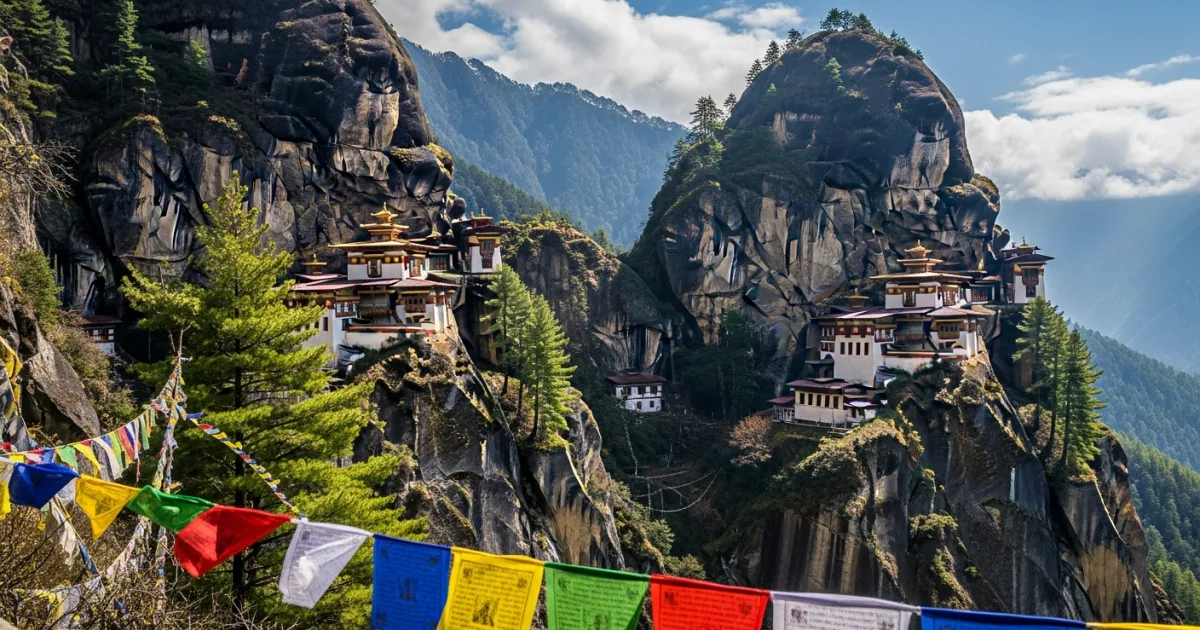
Tiger's Nest Monastery perched on a cliff in Bhutan

Bhutan Overview & Key Highlights

Bhutan is a deeply spiritual and culturally preserved kingdom nestled in the eastern Himalayas, famously known as the Land of the Thunder Dragon. The country measures its success by Gross National Happiness rather than GDP, ensuring that tourism remains sustainable, eco-friendly, and deeply respectful of local traditions. Visitors are required to pay a daily Sustainable Development Fee (SDF), which directly funds free healthcare, education, and environmental conservation for Bhutanese citizens. This high-value, low-volume approach to tourism guarantees uncrowded access to ancient dzongs, pristine alpine valleys, and iconic sites like the cliffside Paro Taktsang (Tiger's Nest) monastery. Travelers can expect breathtaking mountain passes draped in colorful prayer flags, deeply immersive Buddhist culture, and a profound sense of peace. Whether trekking through the Himalayas, attending a vibrant local Tshechu festival, or simply enjoying the serene landscapes, Bhutan offers a transformative journey unlike any other.

Bhutan Travel Guide: Logistics & In-Depth Tips

Bhutan is a pioneer in sustainable tourism, proudly holding the title of the world's first carbon-negative country. Its constitution mandates that at least 60% of the country must remain forested for all time. This deep respect for nature is intertwined with the nation's Vajrayana Buddhist beliefs, which permeate every aspect of daily life. From the majestic, fortress-like Dzongs that serve as both religious and administrative centers to the ubiquitous prayer wheels and colorful flags fluttering in the mountain breeze, Bhutan offers a profound sense of spiritual tranquility.

Traveling through Bhutan is a journey back in time, yet the country is thoughtfully modernizing. Thimphu, the capital, is famous for being the only capital city in the world without traffic lights, relying instead on elegantly choreographed traffic police. Beyond the cities, the dramatic landscapes of the Himalayas unfold, offering world-class trekking routes like the Snowman Trek and the Jomolhari Trek. Whether you are seeking a challenging alpine adventure, a deep dive into ancient Buddhist philosophy, or simply a peaceful retreat from the modern world, Bhutan delivers an unforgettable experience.

Reasons to Visit

  • Experience the world's only carbon-negative country with pristine, untouched natural landscapes.
  • Hike to the iconic Paro Taktsang (Tiger's Nest) monastery, clinging to a cliff 900 meters above the Paro Valley.
  • Immerse yourself in authentic Vajrayana Buddhist culture, largely untouched by mass tourism.
  • Witness vibrant, colorful Tshechu festivals featuring traditional masked dances.
  • Support a tourism model that directly funds free healthcare and education for local citizens.

Things to Avoid

  • Do not wear shorts, hats, or sleeveless shirts when visiting Dzongs, temples, or monasteries.
  • Avoid pointing your finger at people or religious objects; use an open hand instead.
  • Do not disrespect the royal family, who are deeply revered by the Bhutanese people.
  • Avoid buying antiques; the export of religious artifacts and antiques is strictly prohibited.
  • Do not smoke in public places; the sale of tobacco is heavily restricted and public smoking is illegal.

Local Transportation Tips

Public transportation in Bhutan is limited, and there are no domestic railways. The standard way for tourists to travel is via private vehicles driven by licensed local guides, which is typically arranged as part of your tour package. The roads, particularly the lateral highway connecting west to east, are winding, narrow, and prone to landslides during the monsoon, making experienced local drivers essential. Domestic flights are available between Paro, Bumthang, Yonphula, and Gelephu, offering a quicker alternative to long drives.

Travel Etiquette

  • Always walk clockwise around Chortens (stupas) and Mani (prayer) walls.
  • Remove your shoes before entering the inner sanctum of any temple or monastery.
  • Ask for permission before taking photographs of people, and note that photography is strictly forbidden inside the main shrines of temples.
  • Leave a small donation (a few Ngultrum) on the altar when visiting temples as a sign of respect.
  • Use both hands when giving or receiving something, especially money or gifts.

Recommended Age Group

Bhutan offers a deeply enriching experience, but its mountainous terrain and high altitudes require consideration for certain age groups.

  • Babies (0-2 years): Not Recommended. The high altitude, winding roads, and lack of specialized pediatric facilities in remote areas make it challenging for infants.
  • Kids (3-12 years): Neutral. While culturally enriching, the long drives and steep hikes to major monasteries can be exhausting for young children.
  • Teens (13-19 years): Recommended. Great for active teens who enjoy hiking, archery, and experiencing a completely different culture and way of life.
  • Adults (20-64 years): Recommended. Perfect for cultural immersion, trekking, wellness retreats, and appreciating the slow pace of life.
  • Seniors (65+ years): Recommended. Accessible cultural tours and comfortable lodges make it highly enjoyable, though steep hikes like Tiger's Nest may require a pony ride or skipping altogether.

Accessibility Level: Low

  • Wheelchair accessibility is very limited in Bhutan due to the mountainous terrain, steep steps in ancient Dzongs, and uneven pathways.
  • High-end hotels in Paro and Thimphu offer accessible rooms, but getting around tourist sites requires assistance.
  • Travelers with mobility issues can still enjoy scenic drives, cultural performances, and ground-level temple visits, provided they communicate their needs to their tour operator in advance.

Did You Know?

Bhutan is the only country in the world that measures its progress by Gross National Happiness (GNH) rather than Gross Domestic Product (GDP). The four pillars of GNH are sustainable development, environmental protection, cultural preservation, and good governance.

Cool Statistics

  • Over 70% of Bhutan is covered in forest, making it a carbon-negative country.
  • Thimphu is the only capital city in the world without a single traffic light.
  • The highest unclimbed mountain in the world, Gangkhar Puensum (7,570m), is in Bhutan, as mountaineering is banned to respect local deities.
  • Bhutan was the last country in the world to introduce television and the internet, doing so in 1999.


Address:

Bhutan, Bhutan

Find Nearby Accommodations

Basic Info

address icon

COUNTRY & Region

Bhutan,
Asia

ACCESSIBILITY LEVEL​

Low
Currency icon

LOCAL CURRENCY​

Bhutanese Ngultrum (BTN)
Price level icon
High
Safety Level icon

SAFETY LEVEL

Duration icon

Recommended Duration

• 1-7 days
• More than a week

Electricity

electricity icon

Electricity

220-240V, 
50Hz
Plug Socket icon

Plug Type

• Type D (Three round pins in a triangular pattern)
• Type F (Two round pins with earth clips)
• Type G (Three rectangular pins in a triangular pattern)
Plug types
Click To View Plug Types
Bhutan is part of our
Solo Female Friendly collection

Activities To Do In Bhutan

Best Time To Visit Bhutan

The best times to visit Bhutan are during the spring and autumn months when the weather is clear and the mountain views are spectacular.

  • Spring (March to May): Ideal for witnessing the spectacular blooming of rhododendrons and pleasant trekking conditions.
  • Autumn (September to November): Offers the clearest skies for Himalayan views and coincides with major cultural festivals (Tshechus) in Thimphu and Paro.
  • Winter (December to February): Colder, especially at night, but offers crisp, clear days and fewer tourists.

Average Temperatures Per Month

Remember to check the weather forecast a few days before the trip and before heading to the airport.

Safety Level icon

Safety Level

Bhutan is exceptionally safe with very low crime rates. The main hazards are altitude sickness and winding, steep mountain roads. Acclimatize properly, stay hydrated, and rely on your experienced local driver. Stray dogs are common; avoid petting them to prevent bites.

The rating is based on multi-year peace, crime, and security indices. Before you go, always verify current conditions through official government travel advisories.

Emergency Numbers

Police: 113
Ambulance: 112 (Universal)

No internet needed • Includes local translations • Free for TravelingWiz readers

Spoken Languages

Dzongkha is the national language, but English is widely spoken, especially by guides, hotel staff, and younger generations.

Learn The Language

  • Kuzoozangpo La (Hello)
  • Kadrin Chhey (Thank you)
  • Chhoe gi ming ga chi mo? (What is your name?)
  • Nga gi ming … in (My name is …)
  • Gaday bay zhui? (How are you?)
  • Legshom (Good/Fine)
  • Tashi Delek (Good luck/Blessings)
  • Niy dhey bay dho (I am happy)
Travel Booking Partner - TravelingWiz

Trip Cost & Budgeting for Bhutan, 2026

Everything you need to know about money while traveling
Is Bhutan expensive for tourists in 2026? Yes, Bhutan is a relatively high-cost destination due to government tourism fees, though everyday items are reasonable. Expect to pay around 130 BTN for a cappuccino, 200 BTN for a domestic beer, and 800 BTN for a mid-range main meal. Based on Human Verified prices, local daily costs remain modest compared to fixed visitor fees. Use the data table below to calculate your specific daily budget based on your travel style.
Currency icon

LOCAL CURRENCY​:

Bhutanese Ngultrum (BTN)
Price level icon
High
Credit cards are accepted in high-end hotels, but cash is essential for local markets, tipping, and smaller vendors.

Per person, per day – pocket cash for small purchases.

Local: 920
Bhutanese Ngultrum (BTN)
≈ 10 USD

Full daily spend estimation (accommodation, food, transportation, attractions).

Travel Style
Bhutanese Ngultrum (BTN)
≈ USD ($)
Budget
5050
53
Mid-range
9200
96
Comfort
20250
212

The Prices, Daily costs, and calculator results are estimates for planning purposes only. Actual costs may vary based on season, booking timing, personal spending habits, and currency fluctuations. TravelingWiz cannot be held responsible for discrepancies between these estimates and your final trip expenses.

  • • Travel during shoulder seasons like winter or summer when hotel rates and airfares are often discounted.
  • • Indian Rupees in denominations up to 500 are accepted at a 1:1 rate with the Ngultrum across Bhutan.
  • • Book directly with local Bhutanese tour operators rather than international agencies to avoid added third-party markups.
  • • Dine on local specialties like Ema Datshi at traditional town eateries rather than relying solely on hotel buffets.

Pre-Order Tickets

Avoid disappointment when tickets sell out — and skip the long lines by booking online in advance. You’ll often save up to 20% too.
Save up to 20%

Travel Discounts & Coupons

Save on hotels, attractions, transport, and gear — find verified discounts for smarter travel spending.
Verified Coupons

What To Pack

  • Sturdy, broken-in hiking boots for steep trails like Tiger's Nest.
  • Modest clothing (long pants, long-sleeved shirts) for visiting Dzongs and temples.
  • Warm layers, including a fleece and windbreaker, as temperatures drop significantly at night and at higher altitudes.
  • Motion sickness medication for the winding, mountainous roads.
  • A universal power adapter and a power bank for long day trips.
We couldn't find tips for Bhutan.
If you got any, please share

Recommended Itineraries for Traveling to Bhutan

We couldn't find itineraries for Bhutan.
you can contact us for custom trip plan

Food & Drink Highlights

Local Food Overview

Bhutanese cuisine is famous for its spiciness, with chili peppers considered a vegetable rather than a seasoning. Meals typically consist of red rice, accompanied by spicy stews of meat, cheese, and vegetables.
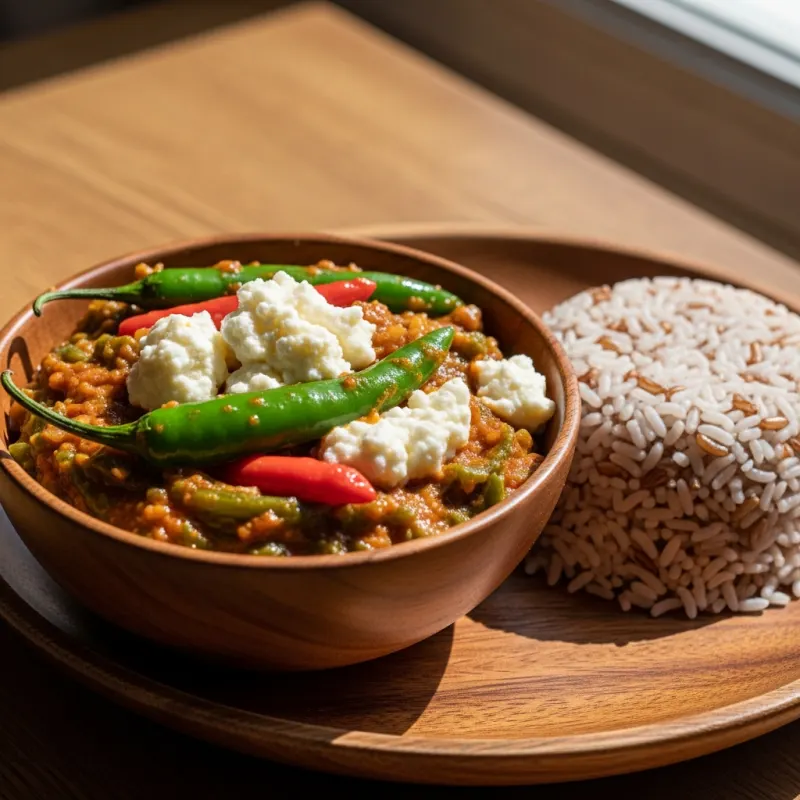
Ema Datshi, the national dish of Bhutan

Must Try Dish

Ema Datshi - A fiery and comforting stew made entirely of spicy green or red chilies and local yak or cow's milk cheese. It is the national dish of Bhutan and is eaten daily with a generous portion of red rice.
Food Experiences Title Icon

Food
Experiences

Discover cooking classes, tastings and local food tours

No food experience found
Maya, the human travel expert at TravelingWiz, offering curated, non-AI expertise

Maya’s Final Checklist for Bhutan

Logistics shouldn’t be the focus of your trip—the experience should. I’ve hand-vetted these essential partners to ensure your arrival, stay, and exploration are as smooth as an Athenian breeze.

Where to Stay

From boutique hotels to local apartments—compare thousands of options and find the perfect stay in the best neighborhood.

Air Travel

Getting there should be seamless. Compare the best routes and prices across top airlines to start your journey on the right note.

Local Guides

Connect with experts who know the destination best. Get personalized advice and insider tips to help you plan your perfect trip.

Travel Protection

The “Engineer’s” rule: always have a backup. Secure your trip with a plan that covers every “what if” and unexpected change.

Car Rentals

Explore at your own pace with total freedom. Compare reliable rental options and find the right vehicle for your adventure.

Visa Services

Don’t let paperwork slow you down. Get expert assistance with your application to ensure all your entry documents are in order.

FAQs

Yes, all international tourists (except Indian, Bangladeshi, and Maldivian nationals) require a visa, which must be processed by a licensed Bhutanese tour operator or via the official government portal before arrival.
The SDF is a daily levy of $100 USD per person per night for international visitors. It funds free healthcare, education, and environmental conservation in Bhutan.
The hike to Paro Taktsang (Tiger’s Nest) is steep and takes about 4-6 hours round trip. It can be challenging due to the altitude (over 3,000 meters), but taking it slow makes it manageable for most moderately fit travelers.

Your Insights Matter

TravelingWiz grows through the stories of our community. If you’ve recently explored ,Bhutan share your tips and stories to help us perfect our guides for the next traveler.

Related Articles

Check out our related articles and blog posts to learn even more about the destination.

No related articles found

Don’t Travel Alone

Share with your friends and family

Where should we send your offline card?

We hate spam just as much as you do

newsletter_consent *