

Low – budget‑friendly basics
Medium – moderate mid‑range costs
High – pricey lodging, dining & transport
Disclosure: This site contains affiliate links. We may earn a commission if you make a purchase, at no extra cost to you.
Low – budget‑friendly basics
Medium – moderate mid‑range costs
High – pricey lodging, dining & transport
5 shields = Excellent – very low crime or conflict.
4 shields = Safe – low risk, routine care.
3 shields = Relatively safe – use normal street smarts.
2 shields = Use caution – higher crime or periodic unrest.
1 shields = Avoid – active conflict or extreme danger.
Scores are derived from multi-year peace, homicide and security indices blended into a single 1-to-5 scale.
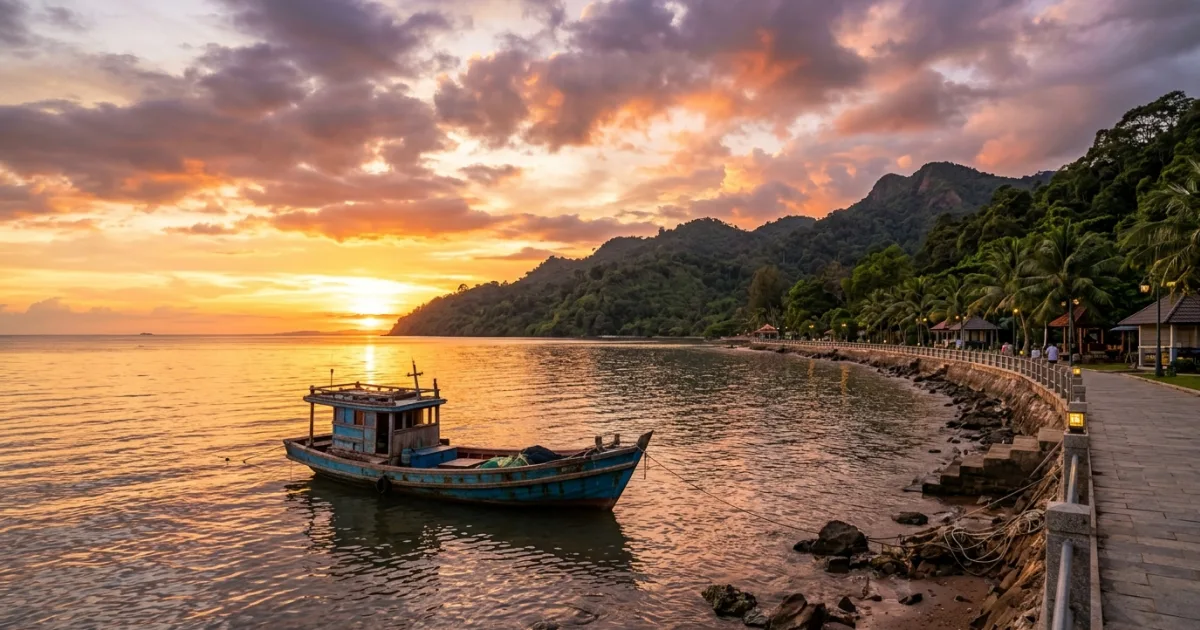
Kep is a tranquil seaside municipality situated on Cambodia's southern coast, celebrated for its French colonial legacy, lush national park, and vibrant seafood culture. Once the premier beach retreat for the French and Cambodian elite during the mid-20th century, the town maintains an atmospheric allure punctuated by mid-century modernist villas partially reclaimed by jungle foliage. Today, it offers a deliberate contrast to busier coastal centers, attracting travelers who appreciate quiet coastlines, fresh culinary offerings, and protected tropical forest landscapes. Visitors spend their days exploring the verdant trails of Kep National Park, cycling along the scenic seaside corniche, and savoring freshly caught blue swimmer crabs at the bustling Crab Market. Offshore excursions lead to Koh Tonsay (Rabbit Island), where rustic wooden bungalows and shallow waters provide an authentic island day trip. With its gentle sea breezes, remarkable coastal sunsets, and renowned Kampot green pepper pairings, Kep stands out as an unhurried, evocative destination along the Gulf of Thailand.
Kep was established as a premier seaside sanctuary under French protectorate administration in 1908, known historically as Kep-sur-Mer. During the Sangkum Reastr Niyum golden era of the 1950s and 1960s, King Norodom Sihanouk and Cambodia's cosmopolitan elite built striking modernist seaside mansions throughout the rolling coastal slopes. While many of these architectural treasures fell into decay during decades of civil unrest and the Khmer Rouge regime, their atmospheric concrete shells remain integrated into the jungle foliage, providing an evocative window into mid-century architecture.
Today, Kep maintains a deliberately slower rhythm than nearby Sihanoukville, strictly prioritizing eco-conscious hospitality, boutique development, and coastal nature preservation. Travelers visit to hike through the canopy trails of Kep National Park, cycle along the wide shoreline boulevard, and indulge in some of Southeast Asia's finest seafood directly at the water's edge. The town's proximity to Kampot makes it an essential anchor along Cambodia's southern shoreline for lovers of quiet nature and maritime heritage.
Getting around Kep is straightforward due to its compact geography. Remorques (traditional Cambodian tuk-tuks) and passapp auto-rickshaws are easily flagged down along the main coastal road or arranged by accommodations; a short journey between the Crab Market and Kep Beach costs approximately $2 to $3 USD. For total freedom, visitors frequently rent scooters from local agencies for roughly $5 to $7 USD per day or hire mountain bicycles for $2 to $3 USD per day, taking advantage of the town's flat and scenic seaside roads.
Kep provides a gentle, scenic environment with experiences suited across varied age profiles, though its peaceful pace is best suited for independent travelers, couples, and mature explorers.
During the 1960s, Kep was the favorite coastal retreat of Cambodia's legendary singer Sinn Sisamouth and King Norodom Sihanouk, earning it the reputation of being the Saint-Tropez of Southeast Asia before the civil war halted its golden era.

Kep experiences a tropical monsoon climate characterized by distinct dry and wet seasons throughout the year.
| Month | °C | °F |
|---|---|---|
| Jan | 25 | 77 |
| Feb | 26 | 79 |
| Mar | 27 | 81 |
| Apr | 28 | 82 |
| May | 28 | 82 |
| Jun | 27 | 81 |
| Jul | 26 | 79 |
| Aug | 26 | 79 |
| Sep | 26 | 79 |
| Oct | 25 | 77 |
| Nov | 25 | 77 |
| Dec | 25 | 77 |
Remember to check the weather forecast a few days before the trip and before heading to the airport.
5 shields = Excellent – very low crime or conflict.
4 shields = Safe – low risk, routine care.
3 shields = Relatively safe – use normal street smarts.
2 shields = Use caution – higher crime or periodic unrest.
1 shields = Avoid – active conflict or extreme danger.
Scores are derived from multi-year peace, homicide and security indices blended into a single 1-to-5 scale.
The rating is based on multi-year peace, crime, and security indices. Before you go, always verify current conditions through official government travel advisories.
No internet needed • Includes local translations • Free for TravelingWiz readers

Low – budget‑friendly basics
Medium – moderate mid‑range costs
High – pricey lodging, dining & transport
Per person, per day – pocket cash for small purchases.
Full daily spend estimation (accommodation, food, transportation, attractions).
Travel Style | Cambodian Riel (KHR) | ≈ USD ($) |
|---|---|---|
Budget | 157850 | 39 |
Mid-range | 287000 | 71 |
Comfort | 631400 | 155 |
The Prices, Daily costs, and calculator results are estimates for planning purposes only. Actual costs may vary based on season, booking timing, personal spending habits, and currency fluctuations. TravelingWiz cannot be held responsible for discrepancies between these estimates and your final trip expenses.
Choose a ready-made itinerary, plan your own trip, and keep TravelingWiz by your side while you travel.
Get the TravelingWiz app →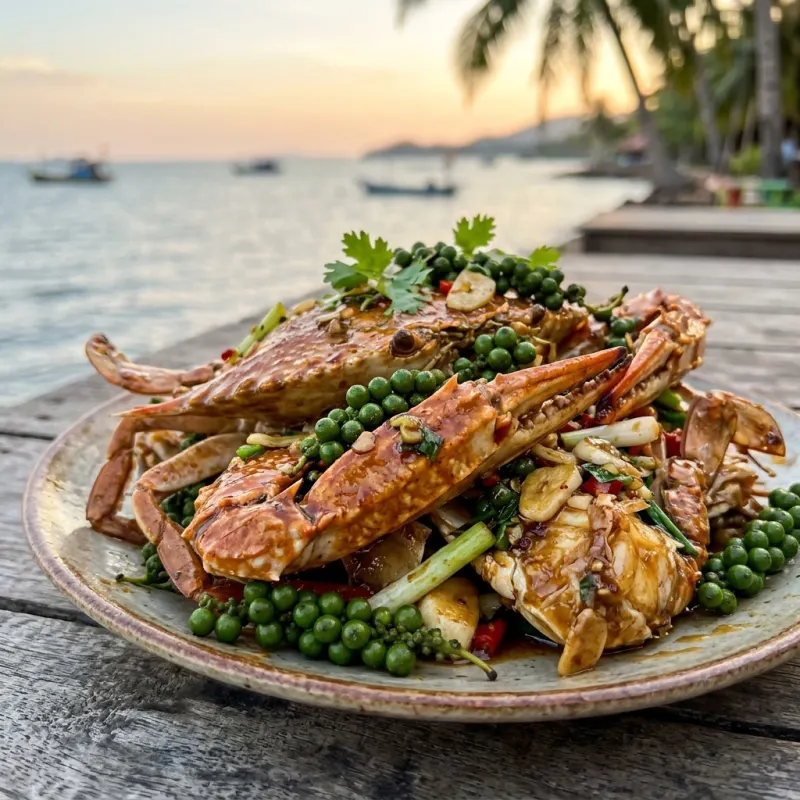
Discover cooking classes, tastings and local food tours
Logistics shouldn’t be the focus of your trip—the experience should. I’ve hand-vetted these essential partners to ensure your arrival, stay, and exploration are as smooth as an Athenian breeze.

Compare accommodation options and choose a stay that suits your plans and budget.
Connect with local guides for personalized help planning and exploring.
The “Engineer’s” rule: always have a backup. Secure your trip with a plan that covers every “what if” and unexpected change.
Don’t let paperwork slow you down. Get expert assistance with your application to ensure all your entry documents are in order.
Check out our related articles and blog posts to learn even more about the destination.
Share with your friends and family
