Disclosure: This site contains affiliate links. We may earn a commission if you make a purchase, at no extra cost to you.

Dongguan

Panoramic sunset over Songshan Lake in Dongguan with European architecture and lush gardens

Basic Info

COUNTRY & Region

China,
Asia

ACCESSIBILITY LEVEL​

  • High: Widely accessible with good facilities for disabilities.
  • Medium: Some accessible options, but limitations exist.
  • Low: Limited accessibility; many barriers for disabilities.
Medium

LOCAL CURRENCY​

Chinese Yuan (CNY)

Price Level

Low – budget‑friendly basics

Medium – moderate mid‑range costs

High – pricey lodging, dining & transport

Medium

SAFETY LEVEL

5 shields = Excellent – very low crime or conflict.

4 shields = Safe – low risk, routine care.

3 shields = Relatively safe – use normal street smarts.

2 shields = Use caution – higher crime or periodic unrest.

1 shields = Avoid – active conflict or extreme danger.

Scores are derived from multi-year peace, homicide and security indices blended into a single 1-to-5 scale.

Recommended Duration

1-7 days, Full day

Dongguan Overview & Key Highlights

Dongguan sits along the eastern bank of the Pearl River Delta between Guangzhou and Shenzhen, evolving from an ancient agricultural trade center into a global high-tech manufacturing metropolis. Far from being merely an industrial engine, the city holds historic significance as the birthplace of modern Chinese history, notably marked by Lin Zexu's destruction of opium at Humen in 1839. Travelers encounter a layered landscape of classical Lingnan architecture, expansive ecological wetlands, and bold contemporary urban districts. Exploring Dongguan reveals a striking duality where fairytale castle architecture at Huawei's Songshan Lake campus contrasts with ancient ancestral halls and tranquil Qing-dynasty gardens like Keyuan. Gastronomy remains a primary motivator for travel here, with connoisseurs flocking to sample regional Cantonese delicacies such as lychee-wood roast goose and hand-pulled rice noodles. Seamless intercity rail connections make Dongguan an engaging, multi-faceted stop within southern China's Greater Bay Area.

Dongguan Travel Guide: Logistics & In-Depth Tips

Dongguan occupies a vital corridor of Guangdong Province, bridging the booming hubs of Guangzhou and Shenzhen along the Pearl River Delta. Once characterized globally by expansive factory floors, the city has undergone a rapid cultural and environmental renaissance. Today, Dongguan balances its industrial prowess with manicured urban wetlands, restored heritage villages, and an energetic artistic community centered in renovated creative industrial parks.

History enthusiasts are drawn to the coastal district of Humen, where the Opium War Museum and the Weiyuan Fort stand as monumental reminders of 19th-century geopolitical clashes. In contrast, the urban core of Guancheng preserves peaceful classical southern garden design at Keyuan, one of Guangdong's Four Great Gardens. With picturesque lakeside cycling paths at Songshan Lake and an extraordinary food scene driven by centuries-old Cantonese traditions, Dongguan provides travelers with a compelling look at contemporary southern China.

Reasons to Visit

  • Keyuan Classical Garden: A magnificent 19th-century Lingnan garden boasting intricate pavilions, ponds, courtyards, and blue-brick passageways.
  • Humen Naval Forts & Opium War Museum: The monumental historic grounds where China's modern era began, featuring preserved shore cannons overlooking the Pearl River mouth.
  • Songshan Lake Ecological Park: A massive freshwater lake surrounded by miles of scenic cycling trails and the fairytale European architectural village of Huawei's R&D base.
  • Culinary Excellence: World-renowned lychee-wood roast goose, seasonal sea crab, and traditional Guancheng night market delicacies.
  • Seamless Regional Accessibility: Ideal hub for rapid day trips via high-speed bullet trains across the Greater Bay Area.

Things to Avoid

  • Avoid planning trips around the Chinese Spring Festival (Lunar New Year), as thousands of family businesses and local eateries shut down for several weeks.
  • Do not rely exclusively on physical cash or foreign credit cards; set up Alipay or WeChat Pay before arrival.
  • Avoid hiring unmetered private cars outside railway stations; use official taxi queues or ride-hailing apps like Didi via Alipay.
  • Avoid visiting Humen historical sites on weekend afternoons when domestic tourist traffic peaks significantly.

Local Transportation Tips

Dongguan Rail Transit Line 2 runs through the urban center, connecting the Dongguan Railway Station in the north with Humen Railway Station in the south. An extensive, air-conditioned bus network covers suburban districts, payable via digital QR code on Alipay. For flexible movement, licensed taxis and Didi ride-hailing are ubiquitous, affordable, and safe.

Travel Etiquette

  • When dining with locals, wait for the senior member of the table to begin eating before serving yourself.
  • When tea is poured for you, tap two fingers lightly on the tabletop as a customary southern Chinese gesture of gratitude.
  • Speak at a considerate volume when visiting ancestral temples and memorial museums like the Humen Forts.
  • Present business cards, cash, or items of importance using both hands as a sign of respect.

Recommended Age Group

Dongguan offers attractions suitable for all travel styles, but suits independent adults, cultural explorers, and older families best.

  • Babies (0-2 years): Neutral. Navigating stroller-unfriendly traditional villages or crowded night markets can be cumbersome in summer heat.
  • Kids (3-12 years): Recommended. Large ecological parks like Songshan Lake, boat rides, and interactive science centers make it enjoyable for children.
  • Teens (13-19 years): Recommended. High-tech hubs, creative warehouse parks, and immersive Opium War history appeal strongly to older youths.
  • Adults (20-64 years): Recommended. Superb Cantonese dining, classical Lingnan garden architecture, and seamless transit cater well to adult travelers.
  • Seniors (65+ years): Recommended. Flat garden grounds, peaceful lake paths, gentle tea culture, and smooth bullet-train connections offer a relaxed journey.

Accessibility Level: Medium

  • Dongguan Rail Transit stations feature working elevators, tactile floor paving, and wide automated fare gates.
  • Keyuan Garden contains raised stone thresholds and historic stairways, making full wheelchair access through inner pavilions challenging.
  • Songshan Lake promenades offer wide, flat, and paved barrier-free pathways suitable for wheelchairs and mobility scooters.
  • Modern shopping complexes and high-speed rail stations provide modern accessible restrooms and ramps.

Did You Know?

Dongguan produces roughly one-fifth of the world's smartphones, earning it the longstanding reputation as the hardware workshop of the planet, even as it transitions rapidly into an eco-friendly tech capital.

Cool Statistics

  • Home to over 10 million residents, making it one of China's most populous prefecture-level cities.
  • Houses Keyuan Garden, which covers 2,204 square meters with 13 distinct historic pavilion halls.
  • Songshan Lake covers an expansive 8 square kilometers of pristine freshwater surface.
  • Linked by high-speed trains running directly to Shenzhen and Guangzhou in roughly 15 to 20 minutes.

Address:

Dongguan, Guangdong, China

Find Nearby Accommodations

Electricity

220-240V, 
50Hz

Plug Type

Type A (Flat blade), Type C (Round pin), Type I (Two flat pins in V-shape, grounding pin)
Plug types
Click To View Plug Types
Dongguan is part of our
Micro Adventures collection

Activities To Do In Dongguan

Best Time To Visit Dongguan

Dongguan experiences a humid subtropical climate with long, sweltering summers and mild, dry winters.

  • Autumn (October to December): The absolute best time to visit, offering clear skies, comfortable temperatures around 20°C to 26°C, and minimal rainfall.
  • Spring (March to May): Characterized by rising temperatures, pleasant greenery, and occasional misty drizzle.
  • Summer (June to September): Very hot and humid, frequently exceeding 33°C, alongside seasonal typhoon activity and heavy afternoon rainstorms.
  • Winter (January to February): Cool and dry with temperatures hovering between 10°C and 18°C, requiring light jackets.

Average Temperatures Per Month

Average monthly temperaturesMonthly source values, with Celsius and Fahrenheit equivalents in the following data table.10°50°16°61°23°73°29°84°35°95°JanJan: 16°C / 61°FFebFeb: 17°C / 63°FMarMar: 21°C / 70°FAprApr: 23°C / 73°FMayMay: 26°C / 79°FJunJun: 27°C / 81°FJulJul: 29°C / 84°FAugAug: 28°C / 82°FSepSep: 27°C / 81°FOctOct: 24°C / 75°FNovNov: 21°C / 70°FDecDec: 15°C / 59°F
View temperature data
Average monthly temperatures
Month°C°F
Jan1661
Feb1763
Mar2170
Apr2373
May2679
Jun2781
Jul2984
Aug2882
Sep2781
Oct2475
Nov2170
Dec1559

Remember to check the weather forecast a few days before the trip and before heading to the airport.

Safety Level

5 shields = Excellent – very low crime or conflict.

4 shields = Safe – low risk, routine care.

3 shields = Relatively safe – use normal street smarts.

2 shields = Use caution – higher crime or periodic unrest.

1 shields = Avoid – active conflict or extreme danger.

Scores are derived from multi-year peace, homicide and security indices blended into a single 1-to-5 scale.

Dongguan is exceptionally safe for foreign tourists, with low violent crime rates and widespread public security monitoring. Normal urban awareness applies regarding road traffic, especially around silent electric scooters on pedestrian paths. Keep personal belongings zipped in crowded transit stations and night markets.

The rating is based on multi-year peace, crime, and security indices. Before you go, always verify current conditions through official government travel advisories.

Emergency Numbers

Police: 110
Ambulance: 120

No internet needed • Includes local translations • Free for TravelingWiz readers

Spoken Languages

Mandarin (official and widely spoken), Cantonese (predominant native dialect)
Travel Booking Partner - TravelingWiz

Learn The Language

  • Hello: Nǐ hǎo (Mandarin) / Néih hóu (Cantonese)
  • Thank you: Xièxie (Mandarin) / M̀hgōi (Cantonese)
  • How much is this?: Duōshǎo qián? (Mandarin)
  • Check, please: Mǎidān (Mandarin / Cantonese)
  • Where is…?: …zài nǎlǐ? (Mandarin)
  • I don’t understand: Wǒ tīngbùdǒng (Mandarin)
  • Bathroom: Xǐshǒujiān (Mandarin)
  • Goodbye: Zàijiàn (Mandarin) / Zoigin (Cantonese)

Trip Cost & Budgeting for Dongguan, 2026

Everything you need to know about money while traveling
Is Dongguan expensive for tourists in 2026? No, Dongguan is a budget-friendly destination compared to neighboring Shenzhen and Guangzhou. Visitors with Human Verified prices can expect to pay around 25 CNY for a cappuccino, 15 CNY for a domestic beer, and 50 CNY for a main meal at a mid-range restaurant. Accommodation and local transport remain very reasonable. Use the data table below to calculate your specific daily budget based on your travel style.

LOCAL CURRENCY​:

Chinese Yuan (CNY)

Price Level:

Low – budget‑friendly basics

Medium – moderate mid‑range costs

High – pricey lodging, dining & transport

Medium

Cards Vs. Cash

Mobile payments via Alipay or WeChat Pay dominate in Dongguan, though small cash buffers are useful for backups.

How Much Cash to Carry (on you)

Per person, per day – pocket cash for small purchases.

Local: 50
Chinese Yuan (CNY)
≈ 7 USD

Average Daily Costs (per person)

Full daily spend estimation (accommodation, food, transportation, attractions).

Travel Style
Chinese Yuan (CNY)
≈ USD ($)
Budget
260
39
Mid-range
480
72
Comfort
1060
158
Note

The Prices, Daily costs, and calculator results are estimates for planning purposes only. Actual costs may vary based on season, booking timing, personal spending habits, and currency fluctuations. TravelingWiz cannot be held responsible for discrepancies between these estimates and your final trip expenses.

Best Value Tips

  • • Link your international Visa or Mastercard to Alipay and WeChat Pay before arriving to pay seamlessly everywhere.
  • • Take Dongguan Rail Transit Line 2 and public buses instead of taxis for cheap daily transit.
  • • Dine at local Cantonese roast goose shops and neighborhood eateries rather than upscale mall restaurants.
  • • Visit free public attractions like Songshan Lake Park and Keyuan Garden surrounding areas.

Tours & Tickets

Explore tours, attractions, and ticket options to plan your visit.
Plan ahead

Travel Offers & Coupons

Browse travel offers and coupons from our affiliate partners.
Affiliate partner offers

What To Pack

  • Breathable lightweight cotton and linen clothing for hot, humid southern Chinese weather.
  • A compact travel umbrella or light waterproof shell for frequent subtropical rain showers.
  • Comfortable walking shoes with cushioned soles for navigating vast urban parks and garden compounds.
  • A universal power adapter compatible with Chinese Type A, C, and I wall sockets.
  • Smartphone equipped with e-wallet applications like Alipay or WeChat Pay linked to international credit cards.
  • Hand sanitizer and travel pocket tissues, as traditional public restrooms often do not stock paper.
Only the good stuff!
Browse recommended travel gear
Check out our free packing list tool

Recommended Itineraries for Traveling to Dongguan

Take your itinerary with you

Choose a ready-made itinerary, plan your own trip, and keep TravelingWiz by your side while you travel.

Get the TravelingWiz app

Food & Drink Highlights

Local Food Overview

Dongguan cuisine represents an essential sub-branch of Cantonese culinary arts, characterized by fresh river produce, slow-simmered poultry, and sun-dried specialty ingredients. The city is revered across southern China for its lychee-wood roast meats, rice noodles, cured sausages, and coastal seafood from the Pearl River Estuary.

Must Try Dish

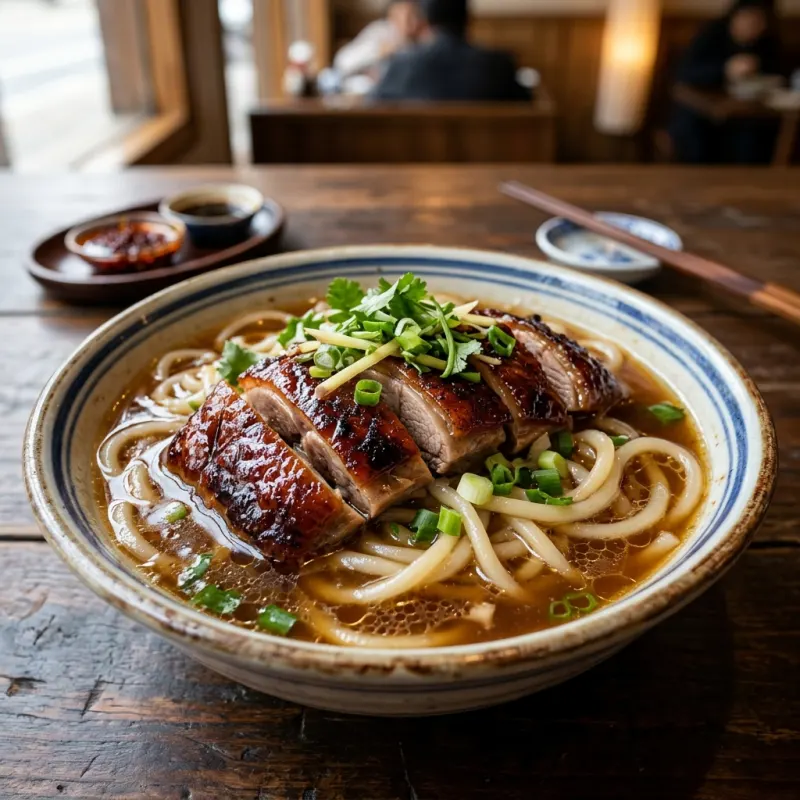
Dongguan Shaoe Lai Fun - Tender goose roasted over cured lychee wood produces crackling skin and succulent meat saturated with spice oils. The poultry is laid across slippery, hand-crafted thick rice noodles submerged in a fragrant, golden master-broth.
Bowl of Dongguan roast goose rice noodles with rich broth and garnish

Maya’s Final Checklist for Dongguan

Logistics shouldn’t be the focus of your trip—the experience should. I’ve hand-vetted these essential partners to ensure your arrival, stay, and exploration are as smooth as an Athenian breeze.

Maya, the human travel expert at TravelingWiz, offering curated, non-AI expertise

Where to Stay

Compare accommodation options and choose a stay that suits your plans and budget.

Air Travel

Compare flight options and find a route that fits your plans.

Local Guides

Connect with local guides for personalized help planning and exploring.

Travel Protection

The “Engineer’s” rule: always have a backup. Secure your trip with a plan that covers every “what if” and unexpected change.

Car Rentals

Compare rental options and choose a car that suits your trip.

Visa Information

Don’t let paperwork slow you down. Get expert assistance with your application to ensure all your entry documents are in order.

FAQs

Yes, high-speed rail connects Dongguan to Shenzhen in 15 to 20 minutes, Guangzhou in 20 minutes, and Hong Kong West Kowloon in under 45 minutes.
Humen was the staging ground for Imperial Commissioner Lin Zexu’s destruction of over 1,000 tons of opium in 1839, the catalyst for the First Opium War and modern Chinese history.
The interior offices and internal tram system require an employee escort or business invitation, but the surrounding public parks, lake promenades, and bridge viewpoints offer full, unobstructed views of the European-styled architecture.

Your Insights Matter

TravelingWiz grows through the stories of our community. If you’ve recently explored ,Dongguan share your tips and stories to help us perfect our guides for the next traveler.

Where should we send your offline card?

We hate spam just as much as you do

newsletter_consent *