Occupying the northern sector of Hong Kong extending up to the boundary with Shenzhen, the New Territories is a dynamic realm that balances high-density new towns with untamed wilderness. Leased to Britain in 1898 under the Convention of Peking for ninety-nine years, this expansive territory retained its indigenous land rights, allowing centuries-old Tang, Hau, Pang, Liu, and Man clans to preserve their fortified settlements and ancestral halls. Today, modern infrastructure seamlessly bridges ancient heritage with premier outdoor recreation, making it an indispensable part of any comprehensive Hong Kong itinerary.
Beyond the urban nodes of Sha Tin and Tsuen Wan, protected country parks cover rolling granitic peaks, coastal mangrove estuaries, and sub-tropical rainforests. Mount Tai Mo Shan, Hong Kong's highest elevation at 957 meters, overlooks the entire territory, frequently blanketed in ethereal sea clouds during cooler months. Whether kayaking through the sea arches of Sai Kung's volcanic caldera or exploring Hakka architecture along the Ping Shan Heritage Trail, visitors experience a tranquil, culturally deep dimension of Hong Kong that few outside the region realize exists.
Reasons to Visit
- World-Class Hiking: Home to the MacLehose Trail, recognized globally for its dramatic ridgeline traverses, coastal vistas, and rugged mountain passes.
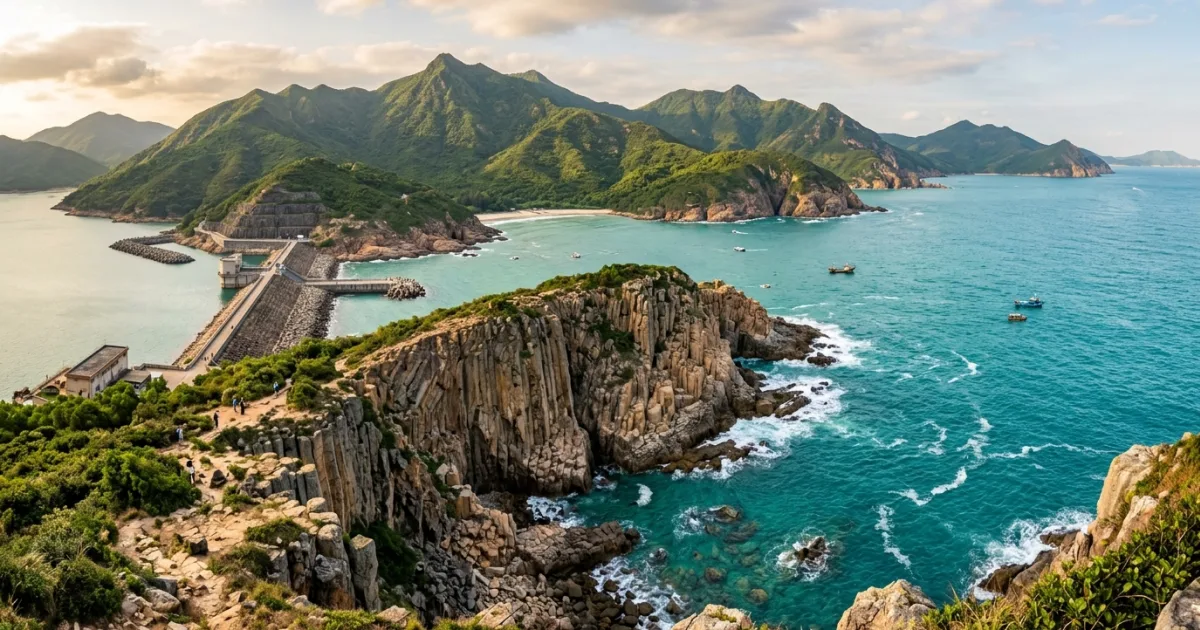
- UNESCO Global Geopark: Sai Kung showcases towering hexagonal rhyolitic volcanic rock columns formed 140 million years ago, unparalleled in global scale.
- Living Clan Heritage: Walled villages like Tsang Tai Uk and historic ancestral shrines preserve traditional Cantonese and Hakka village lineages.
- Ecological Sanctuaries: Mai Po Marshes and the Hong Kong Wetland Park host hundreds of thousands of migratory shorebirds along the East Asian-Australasian Flyway.
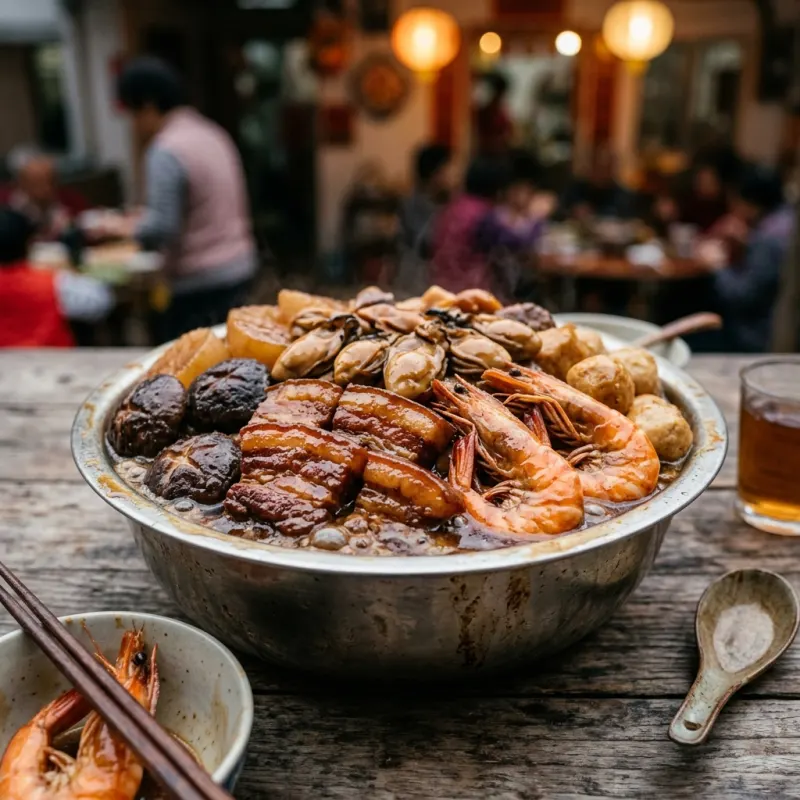
- Authentic Food Culture: Renowned suburban food capitals offer legendary roast goose, open-air seafood banquets, and heritage Hakka Poon Choi.
Things to Avoid
- Avoid hiking during Red or Black Rainstorm Warnings and Very Hot Weather warnings, as flash floods and heat exhaustion occur rapidly.
- Avoid touching or feeding wild animals, particularly wild boars and macaque monkeys inhabiting country parks.
- Do not rely entirely on credit cards or mobile payments when heading to coastal islands and rural green minibus lines; always keep paper cash handy.
- Avoid entering private clan properties or family shrines in walled villages without clear visitor signage or permission from residents.
- Do not venture off marked trails in remote country parks like Plover Cove, where dense vegetation and steep ravines can disorient hikers.
Local Transportation Tips
Navigating the New Territories is exceptionally straightforward thanks to an integrated transit network. The MTR East Rail Line, Tuen Ma Line, and Tung Chung Line provide rapid links into major regional hubs. Beyond the rail network, green New Territories taxis (operating exclusively in this region at cheaper flag-fall rates than urban red taxis) and green rural minibuses connect remote villages and hiking trailheads. For island hopping across Sai Kung and Mirs Bay, wooden kaito ferries run scheduled routes from piers like Wong Shek and Ma Liu Shui.
Travel Etiquette
- Always carry your physical Octopus card to tap on boarding and alighting on local public transport.
- When entering ancestral halls and traditional village temples, remove hats, keep voices low, and refrain from flash photography near altar deities.
- Practice strict 'Leave No Trace' principles in Country Parks; pack out all personal trash as waste bins along trails have been systematically removed to protect native wildlife.
- Stand on the right side of escalators in all rail stations to allow hurried commuters to pass on the left.
Recommended Age Group
The New Territories provides diverse activities ranging from strenuous mountain treks to flat cycling routes and interactive wetland exhibits, making it appealing across multiple age demographics.
- Babies (0-2 years): Neutral. Paved waterfront promenades in Sha Tin and indoor exhibits at the Heritage Museum are stroller-friendly, but natural country park trails are rugged and inaccessible with standard strollers.
- Kids (3-12 years): Recommended. Family-friendly venues like the Hong Kong Wetland Park, cycling paths from Sha Tin to Tai Mei Tuk, and safe sandy beaches in Sai Kung offer exceptional outdoor stimulation.
- Teens (13-19 years): Recommended. Active adventures including sea kayaking, trail running, camping, and discovering hidden coastal waterfalls appeal heavily to energetic teenagers.
- Adults (20-64 years): Recommended. Exceptional hiking routes, profound cultural heritage trails, craft breweries, and world-class seafood dining provide an ideal balance of adventure and discovery.
- Seniors (65+ years): Recommended. Accessible heritage trails, flat seaside walkways, and efficient public transport allow mature travelers to experience village culture and scenic landscapes comfortably.
Accessibility Level: Medium
- MTR stations throughout New Territories are fully accessible with wide fare gates, tactile paths, braille maps, and multi-level elevators.
- Cultural institutions such as the Hong Kong Heritage Museum and Hong Kong Wetland Park offer step-free access, wheelchair loans, and barrier-free restrooms.
- Green minibuses and traditional kaito ferries generally lack wheelchair ramps, making travel to remote trailheads challenging without specialized paratransit or accessible taxis.
- The coastal waterfront promenade from Sha Tin along the Shing Mun River to Tai Po provides miles of continuous, level, barrier-free pathway suitable for manual and motorized wheelchairs.
Did You Know?
Despite Hong Kong being famed as one of the world's most densely populated urban centers, approximately 40 percent of its total land area is protected within 24 country parks and special nature reserves, the vast majority of which sit right within the New Territories.
Cool Statistics
- Covers 952 square kilometers, accounting for over 86% of Hong Kong's total land area.
- Home to Tai Mo Shan, Hong Kong's highest peak reaching an altitude of 957 meters (3,140 feet).
- Contains the Sai Kung UNESCO Geopark, featuring over 140 million-year-old volcanic hexagonal rock columns up to 3 meters in diameter.
- Traversed by the 100-kilometer MacLehose Trail, divided into 10 distinct difficulty stages.






Buy a compatible power adapter for your trip