Disclosure: This site contains affiliate links. We may earn a commission if you make a purchase, at no extra cost to you.

>
>
>
>
Outlying Islands

Outlying Islands

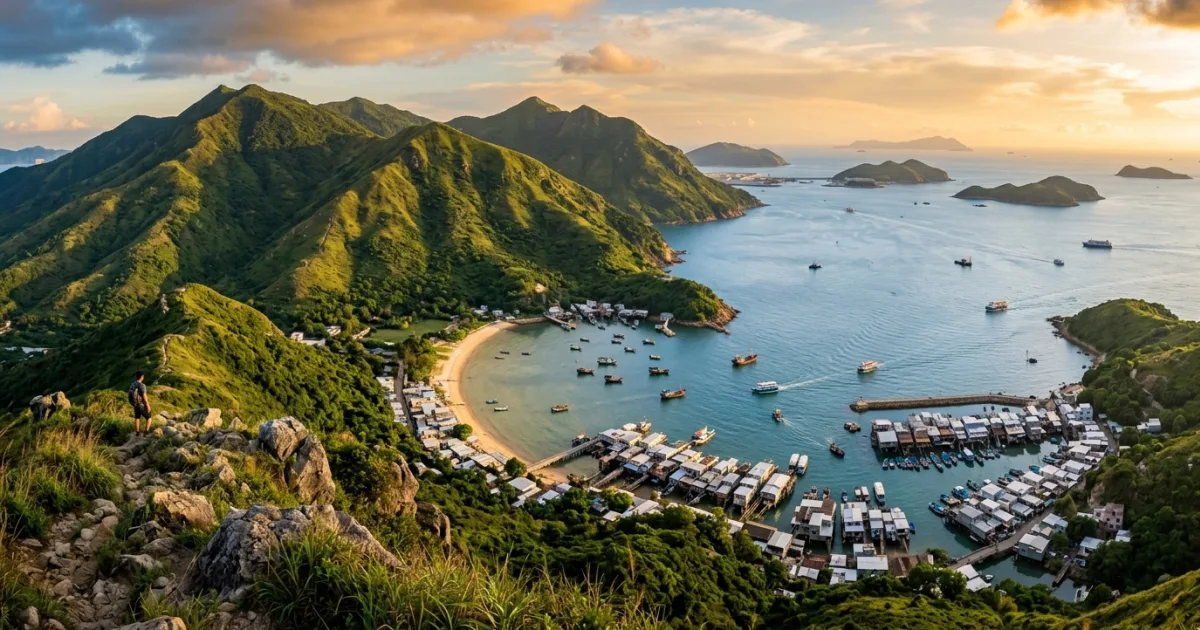
Panoramic view of Hong Kong Outlying Islands coastal mountains and harbor at sunset

Outlying Islands Overview & Key Highlights

The Outlying Islands encompass more than 250 offshore landmasses scattered across Hong Kong's southern and western waters, serving as a tranquil, rural counterbalance to the neon-lit skyscrapers of Kowloon and Central. The most prominent destinations include Lantau Island with its mountainous terrain and Big Buddha, Lamma Island known for its laid-back car-free trails, Cheung Chau with its bustling fishing waterfront, and diminutive Peng Chau with its repurposed heritage workshops. Each island retains a distinctive rhythm shaped by Maritime heritage, Taoist shrines, windward coastal paths, and rustic open-air seafood arcades. Travelers reach these islands through Hong Kong's highly efficient public ferry network operating out of the Central Ferry Piers, turning transitions into scenic maritime excursions across Victoria Harbour and the South China Sea. Visitors can spend mornings ascending craggy ridges like Lantau Peak or the Sunset Peak trails, afternoons exploring stilt-house fishing hamlets such as Tai O, and evenings dining on fresh catch pulled directly from live aerated tanks. Whether seeking challenging granite ridge hikes, quiet sandy bays, or authentic Cantonese village culture, the Outlying Islands showcase the preserved wilderness and maritime identity of Hong Kong.

Outlying Islands Travel Guide: Logistics & In-Depth Tips

The Outlying Islands represent the wild, untamed, and culturally rooted soul of Hong Kong, covering the majority of the territory's Islands District. Formed by rugged granitic peaks, sheltered coves, and centuries-old fishing channels, these islands served historically as pirate sanctuaries, naval defense outposts, and quiet salt-panning settlements long before the urban development of Victoria Harbour took hold. Today, stepping aboard a ferry from Central Pier instantly transports travelers from one of the densest financial capitals in the world to pristine subtropical coastlines where bicycles replace automobiles and the daily rhythm is governed by the ebb and flow of the tide.

Lantau Island, the largest of the archipelago, commands attention with the majestic Tian Tan Buddha, the historic Po Lin Monastery, and the traditional stilt-house village of Tai O where fishermen dry croaker fish and shrimp paste beneath the sea breeze. In contrast, Lamma Island exudes a bohemian and relaxed lifestyle, split between the international cafes of Yung Shue Wan and the open-air seafood piers of Sok Kwu Wan, linked by an undulating scenic family trail. Further south, dumbbell-shaped Cheung Chau pulses with maritime energy, ancient Pak Tai temples, and vibrant street markets, while sleepy Peng Chau provides a nostalgic glance into 20th-century industrial workshops and quiet temple lanes. Together, the Outlying Islands present an essential, invigorating outdoor sanctuary for both global voyagers and city dwellers.

Reasons to Visit

  • Escape Hong Kong's urban density with immediate access to pristine hiking trails and windswept ocean ridges.
  • Savor some of Asia's freshest Cantonese seafood, caught daily and cooked to order at waterfront quaysides.
  • Witness genuine maritime heritage in Tai O, Hong Kong's oldest surviving stilt-house fishing community.
  • Experience rare vehicle-free island living on Lamma, Cheung Chau, and Peng Chau where pedestrians and cyclists rule the pathways.
  • Visit historic Taoist and Buddhist sanctuaries, including the Po Lin Monastery, Big Buddha, and coastal Tin Hau temples.

Things to Avoid

  • Avoid arriving on weekends or public holidays if you dislike crowds, as popular ferry routes and seafood eateries experience heavy domestic traffic.
  • Do not hike during active Amber, Red, or Black rainstorm warnings or during Typhoon Signal 3 and above when mountain paths become hazardous.
  • Avoid touching or feeding wild macaques and feral boars encountered on rural Lantau trailheads.
  • Do not rely entirely on foreign credit cards in local village shops; always carry sufficient Hong Kong dollar notes and an Octopus card.
  • Avoid missing the final scheduled evening ferries back to Central, which can necessitate costly private water taxi hires.

Local Transportation Tips

Navigating the Outlying Islands is anchored by the comprehensive ferry system operating from the Central Ferry Piers on Hong Kong Island. Pier 2 services Park Island, Pier 3 connects to Discovery Bay, Pier 4 serves Lamma Island (Yung Shue Wan and Sok Kwu Wan), Pier 5 runs to Cheung Chau, and Pier 6 services Peng Chau and Mui Wo on Lantau. On Lantau Island itself, an extensive bus network operated by the New Lantao Bus company links the Mui Wo ferry pier and Tung Chung MTR station to Ngong Ping (Big Buddha), Tai O, and southern beaches. On Lamma, Cheung Chau, and Peng Chau, private automobiles are banned; transit is strictly on foot, by rented bicycle, or via small localized motorized carts called village vehicles. Small motorized sampans also provide short water-taxi hops between coastal points.

Travel Etiquette

  • Remove sunglasses and hats when stepping inside Taoist and Buddhist temple compounds, and never photograph monks or private prayer rituals without express permission.
  • Keep to the left on narrow island walking paths and yield right-of-way to resident cyclists and motorized village delivery carts.
  • Always carry all personal litter and plastic water bottles back from hiking trails to village recycling points.
  • When ordering at bustling seafood eateries, check the price per catty (traditional weight unit) before consenting to premium live market catches.
  • Treat village elders sitting in open communal squares with polite courtesy; do not intrude into residential courtyards or private stilt homes.

Recommended Age Group

The Outlying Islands offer rewarding outdoor encounters for diverse visitor profiles, with accessibility varying significantly between leisurely village quays and steep mountain summits.

  • Babies (0-2 years): Neutral. Paved coastal promenades on Cheung Chau and Peng Chau work well with sturdy strollers, but steep village stairs, undulating trails, and embarking on pitching ferry ramps require physical baby-carrying gear.
  • Kids (3-12 years): Recommended. Children thoroughly enjoy the ferry boat crossings, sandy swimming beaches like Upper Cheung Sha, watching pink dolphins on boat tours, and tasting colorful street snacks.
  • Teens (13-19 years): Recommended. Active teenagers will thrive on challenging trail scrambles, sea kayaking along rocky shorelines, camping, and capturing dramatic photography atop Sunset Peak.
  • Adults (20-64 years): Recommended. The ultimate destination for nature enthusiasts, food lovers seeking authentic seafood feasts, trail runners, and culture seekers wanting an unhurried escape.
  • Seniors (65+ years): Recommended. Flat harbor strolls, tranquil temple visits, accessible cable car transport at Ngong Ping 360, and relaxed outdoor dining cater wonderfully to active mature travelers.

Accessibility Level: Medium

  • Modern double-deck ferries from Central feature level hydraulic loading gangways and designated wheelchair tie-down bays on lower decks.
  • Ngong Ping 360 cable car cabins and the Ngong Ping cultural village are fully wheelchair accessible with ramped boarding facilities.
  • Ascending to the base of the Tian Tan Buddha requires climbing 268 granite stairs; however, an accessible vehicular winding road exists for visitors with registered mobility needs.
  • Village streets on Cheung Chau and Peng Chau are largely flat and car-free, though door sills on traditional shops frequently feature small single-step entries.
  • Most natural hiking trails on Lamma and Lantau feature unpaved dirt, rock staircases, and steep gradients that are unsuitable for standard wheelchair transit.

Did You Know?

Despite Hong Kong being famous worldwide for towering urban density and gleaming skyscrapers, approximately 75 percent of the territory's total landmass consists of undeveloped countryside, rolling mountains, and protected country parks—with the Outlying Islands comprising the largest portion of this pristine green expanse.

Cool Statistics

  • Lantau Island covers approximately 147 square kilometers, making it nearly double the land area of Hong Kong Island.
  • Lantau Peak towers at 934 meters above sea level, standing as the second-tallest mountain peak in Hong Kong.
  • Over 250 individual islands make up the maritime territory of Hong Kong, though fewer than 20 support permanent residential populations.
  • Cheung Chau's annual Bun Festival features towering 14-meter bamboo structures coated with thousands of steamed lucky buns.


Address:

Outlying Islands, Hong Kong

Find Nearby Accommodations

Basic Info

address icon

COUNTRY & Region

Hong Kong,
Asia

ACCESSIBILITY LEVEL​

Medium
Currency icon

LOCAL CURRENCY​

Hong Kong Dollar (HKD)
Price level icon
High
Safety Level icon

SAFETY LEVEL

Duration icon

Recommended Duration

• 1-7 days
• Full day

Electricity

electricity icon

Electricity

220-240V, 
50Hz
Plug Socket icon

Plug Type

• Type G (Three rectangular pins in a triangular pattern)
Plug types
Click To View Plug Types
Outlying Islands is part of our
Micro Adventures collection

Activities To Do In Outlying Islands

Best Time To Visit Outlying Islands

Hong Kong's Outlying Islands are best experienced during the crisp autumn and pleasant winter months when temperatures are moderate and rainfall is minimal.

  • October to December (Peak Season): Clear skies, lower humidity, and temperatures hovering between 20°C and 26°C make this the premier window for long-distance hiking and outdoor dining.
  • January to March (Cool Season): Cooler weather ranging from 15°C to 20°C offers comfortable walking conditions, though occasional sea mist can obscure panoramic ridge views.
  • April to May (Spring Shoulder): Warmer temperatures accompanied by rising humidity and occasional overcast skies, ideal for low-elevation village wandering.
  • June to September (Off-Peak/Summer): Intense sub-tropical heat, sudden heavy downpours, and potential tropical typhoons require flexible schedules and early morning starts for outdoor activities.

Average Temperatures Per Month

Remember to check the weather forecast a few days before the trip and before heading to the airport.

Safety Level icon

Safety Level

Violent crime across the Outlying Islands is exceedingly rare, making the trails and villages exceptionally safe day and night. The primary hazards relate to nature: carry ample water to avoid heat exhaustion on exposed trails like the Lantau Trail, remain vigilant for wild boars and stray village dogs by keeping distance, and heed official Hong Kong Observatory typhoon and rainstorm warning signals before boarding water transport.

The rating is based on multi-year peace, crime, and security indices. Before you go, always verify current conditions through official government travel advisories.

Emergency Numbers

Police: 999
Ambulance: 999

No internet needed • Includes local translations • Free for TravelingWiz readers

Spoken Languages

Cantonese is the native language across all villages, while English is widely spoken at ferry terminals, tourist attractions, and waterfront restaurants.

Learn The Language

  • Hello: Néih hóu (pronounced nay hoh)
  • Thank you (for a service): M̀hgōi (pronounced mm-goy)
  • Thank you (for a gift/hospitality): Dōjeh (pronounced doh-jeh)
  • How much is this?: Géidō chín a? (pronounced gay-doh cheen ah)
  • The bill, please: Màaidáan (pronounced my-dahn)
  • Delicious: Hóusik (pronounced hoh-sick)
  • Ferry pier: Mátàuh (pronounced mah-tow)
  • Goodbye: Bāabaai (pronounced bye-bye)
Travel Booking Partner - TravelingWiz

Trip Cost & Budgeting for Outlying Islands, 2026

Everything you need to know about money while traveling
Is Outlying Islands expensive for tourists in 2026? While slightly more relaxed than Central Hong Kong, the Outlying Islands remain relatively pricey. You can expect to pay around HK$40 for a cappuccino, HK$60 for a domestic beer, and HK$200 for a mid-range restaurant meal. Our Human Verified prices show that ferry costs and island guesthouses add up quickly. Use the data table below to calculate your specific daily budget based on your travel style.
Currency icon

LOCAL CURRENCY​:

Hong Kong Dollar (HKD)
Price level icon
High
Octopus cards and credit cards work at major spots, but cash is essential for small island vendors and ferries.

Per person, per day – pocket cash for small purchases.

Local: 145
Hong Kong Dollar (HKD)
≈ 18 USD

Full daily spend estimation (accommodation, food, transportation, attractions).

Travel Style
Hong Kong Dollar (HKD)
≈ USD ($)
Budget
800
102
Mid-range
1450
185
Comfort
3200
408

The Prices, Daily costs, and calculator results are estimates for planning purposes only. Actual costs may vary based on season, booking timing, personal spending habits, and currency fluctuations. TravelingWiz cannot be held responsible for discrepancies between these estimates and your final trip expenses.

  • • Tap your Octopus card for all public ferries and island buses to secure discounted transit fares and seamless boarding.
  • • Visit seafood restaurants on Lamma or Cheung Chau for set lunch specials rather than ordering expensive a la carte dinner dishes.
  • • Travel on weekdays to avoid weekend ferry surcharges and inflated accommodation rates across the islands.
  • • Pick up bottled water and snacks from mainland supermarkets before boarding the ferry to avoid island convenience store markups.

Pre-Order Tickets

Avoid disappointment when tickets sell out — and skip the long lines by booking online in advance. You’ll often save up to 20% too.
Save up to 20%

Travel Discounts & Coupons

Save on hotels, attractions, transport, and gear — find verified discounts for smarter travel spending.
Verified Coupons

What To Pack

  • Breathable, moisture-wicking hiking apparel suitable for sub-tropical humidity
  • Sturdy walking shoes or trail runners with high traction for granite stone steps
  • Octopus Card loaded with at least HK$300 for seamless ferry and island bus fares
  • Broad-spectrum sunscreen, polarized sunglasses, and a wide-brim UV-blocking hat
  • DEET-based insect repellent for shaded coastal trails and woodland reserves
  • Lightweight rain jacket or compact travel umbrella for sudden coastal showers
  • Reusable insulated water bottle to stay hydrated during exposed hillside walks
  • Cash in small Hong Kong Dollar denominations for village fruit stalls and snack carts
We couldn't find tips for Outlying Islands.
If you got any, please share

Recommended Itineraries for Traveling to Outlying Islands

We couldn't find itineraries for Outlying Islands.
you can contact us for custom trip plan

Food & Drink Highlights

Local Food Overview

Dining on the Outlying Islands revolves primarily around fresh Cantonese maritime gastronomy, where daily catches are displayed in bubbling seawater tanks along the quaysides. Patrons select live prawns, groupers, scallops, and mantis shrimp, which chefs prepare to order using time-honored techniques like high-heat wok tossing, light steaming with ginger and scallions, or deep frying with spicy salt and pepper. Away from the formal seafood arcades, each island features distinct local snacks: Tai O is celebrated for sun-dried salted fish, pungent fermented shrimp paste, and deep-fried sugar doughnuts; Cheung Chau is famed for massive steamed curry fishballs and sweet mango glutinous rice mochi; while Lamma Island offers comforting warm silken tofu pudding served with yellow cane sugar.
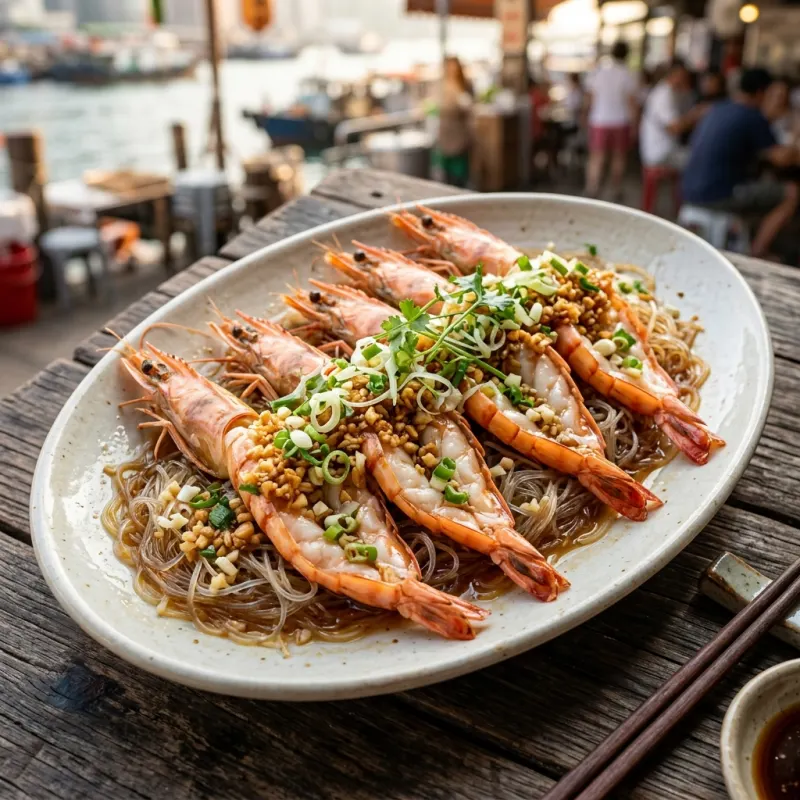
Authentic Cantonese steamed prawns with garlic and glass noodles on a restaurant table

Must Try Dish

Steamed Garlic Prawns with Glass Noodles - Fresh live sea prawns split butterfly-style, blanketed in minced garlic, and steamed over a delicate bed of cellophane mung-bean noodles that absorb the natural sweet shellfish juices and seasoned soy sauce.
Food Experiences Title Icon

Food
Experiences

Discover cooking classes, tastings and local food tours

No food experience found
Maya, the human travel expert at TravelingWiz, offering curated, non-AI expertise

Maya’s Final Checklist for Outlying Islands

Logistics shouldn’t be the focus of your trip—the experience should. I’ve hand-vetted these essential partners to ensure your arrival, stay, and exploration are as smooth as an Athenian breeze.

Where to Stay

From boutique hotels to local apartments—compare thousands of options and find the perfect stay in the best neighborhood.

Air Travel

Getting there should be seamless. Compare the best routes and prices across top airlines to start your journey on the right note.

Local Guides

Connect with experts who know the destination best. Get personalized advice and insider tips to help you plan your perfect trip.

Travel Protection

The “Engineer’s” rule: always have a backup. Secure your trip with a plan that covers every “what if” and unexpected change.

Car Rentals

Explore at your own pace with total freedom. Compare reliable rental options and find the right vehicle for your adventure.

Visa Services

Don’t let paperwork slow you down. Get expert assistance with your application to ensure all your entry documents are in order.

FAQs

Most islands are connected directly to Central Ferry Piers on Hong Kong Island. For inter-island hops, the Sun Ferry inter-island route connects Peng Chau, Mui Wo (Lantau), Chi Ma Wan, and Cheung Chau directly without returning to Central.
Private cars are prohibited on Lamma, Cheung Chau, and Peng Chau, preserving a tranquil pedestrian atmosphere where locals walk or ride bicycles. Lantau Island allows regulated buses, taxis, and permitted vehicles.
Yes, pairing Cheung Chau and Peng Chau or exploring Lamma alongside Lantau is feasible using the morning and afternoon ferry timetables, though dedicating a full day per island yields a far more relaxed experience.
Yes, routes like the paved Lamma Family Trail connecting Yung Shue Wan to Sok Kwu Wan are gentle and well-signed, while the steep ridgelines of Lantau Peak offer strenuous challenges for experienced trekkers.

Your Insights Matter

TravelingWiz grows through the stories of our community. If you’ve recently explored ,Outlying Islands share your tips and stories to help us perfect our guides for the next traveler.

Related Articles

Check out our related articles and blog posts to learn even more about the destination.

No related articles found

Don’t Travel Alone

Share with your friends and family

Where should we send your offline card?

We hate spam just as much as you do

newsletter_consent *