Shaanxi Province stretches across central-north China, flanked by the loess plateau to the north and the biodiverse Qinling mountain range to the south. Historically serving as the political center for dynasties including the Zhou, Qin, Han, and Tang, the province contains some of East Asia's most significant cultural relics. From the underground clay ranks of the Terracotta Army to ancient Buddhist pagodas housing sacred relics, Shaanxi represents a living archive of imperial governance, artistic evolution, and multicultural Silk Road commerce.
In the contemporary era, Shaanxi unites its monumental past with rapid modernization. Xi'an boasts high-tech aerospace sectors, sprawling pedestrian heritage precincts, and vibrant night markets. Meanwhile, regional routes lead to dramatic natural spectacles such as the surging Hukou Waterfall on the Yellow River and sacred Taoist ridge walks suspended above sea-level clouds, presenting an extraordinary cross-section of China's geography and soul.
Reasons to Visit
- Marvel at the life-sized subterranean ranks of the UNESCO-inscribed Terracotta Army in Lintong.
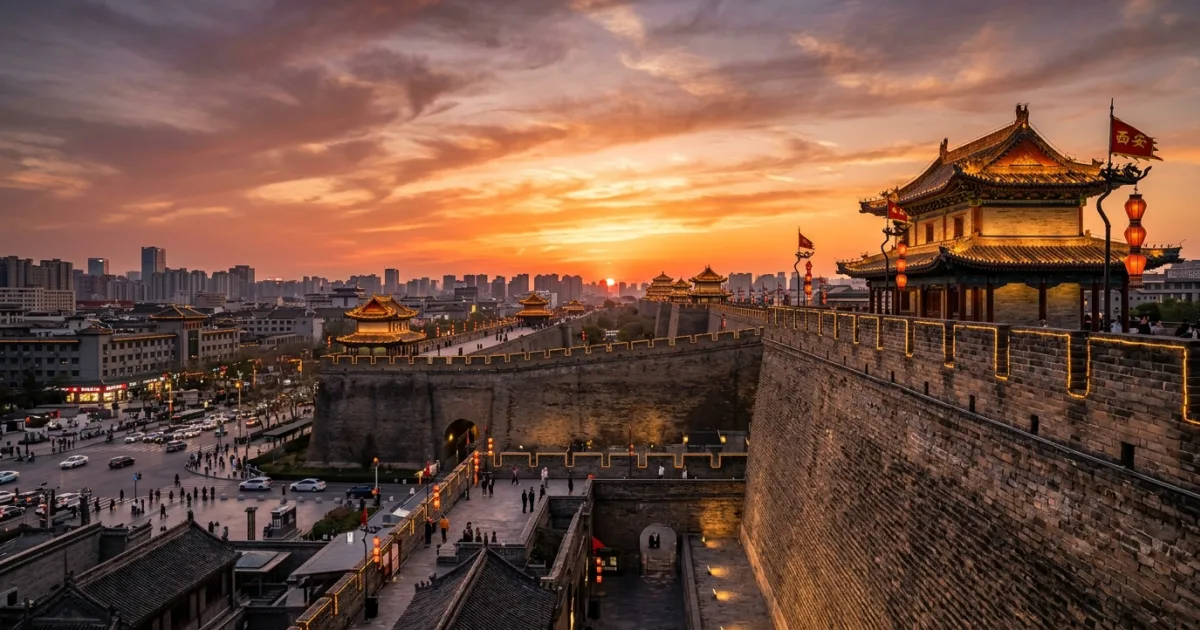
- Cycle along the top of the intact 14-kilometer ancient City Wall encircling downtown Xi'an.
- Conquer the breathtaking granite ridges and legendary plank walks of sacred Mount Hua.
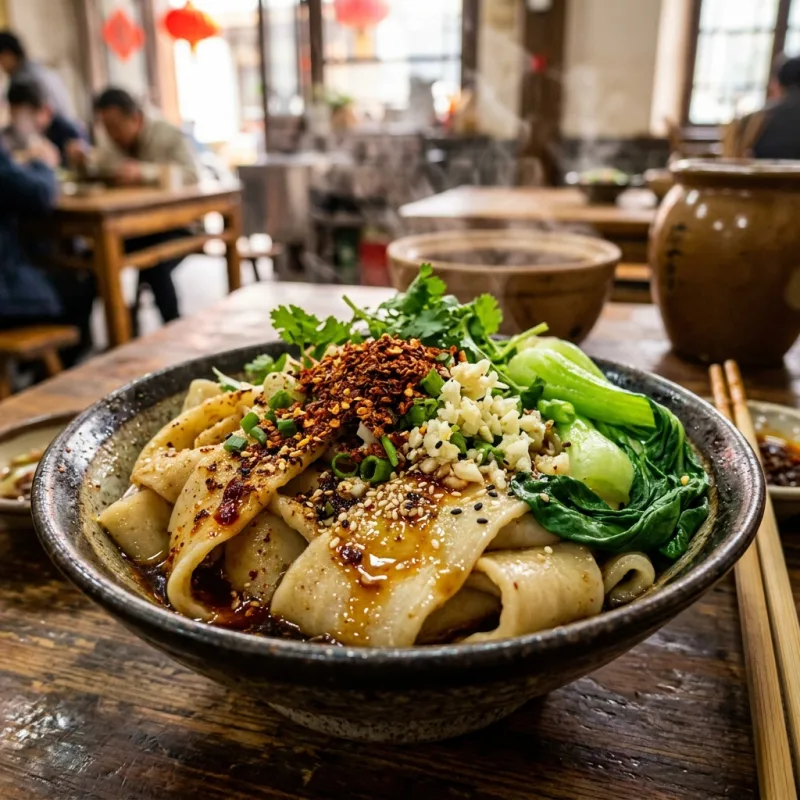
- Savor rich culinary heritage through street food staples like roujiamo and biangbiang noodles in the Muslim Quarter.
- Discover classical Buddhist sculpture and Tang dynasty pagoda architecture at Giant Wild Goose Pagoda.
Things to Avoid
- Avoid using unlicensed taxis or accepting private tours from touts near railway stations and major tourist entrances.
- Do not attempt Mount Hua's high-altitude cliff paths during severe rainstorms or dense fog without proper footwear and clip-in safety gear.
- Avoid planning outdoor heritage visits during major Chinese national holiday weeks, such as Golden Week in early October, when crowds surge.
- Do not photograph monks, worshippers, or fragile ancient murals in historical temple halls where photography is explicitly prohibited.
Local Transportation Tips
Shaanxi features an advanced transportation network centered on Xi'an. The capital operates eight comprehensive metro lines connecting major rail terminals, heritage sites, and airport links. High-speed bullet trains (CRH) link Xi'an to Mount Hua in just 30 minutes, and Yan'an in under two hours. Taxis and ride-hailing applications like DiDi offer cheap, metered inner-city mobility, while regional coaches handle transit to remote rural counties.
Travel Etiquette
- Present and receive business cards, cash, or credit cards using both hands as a traditional gesture of respect.
- Speak quietly inside ancient Buddhist and Taoist temple complexes, and step over the raised wooden thresholds of doorways rather than onto them.
- Keep tipping to a minimum; tips are not customary in Shaanxi restaurants, though private drivers and specialty guides appreciate modest gratuities.
- Slurping noodles while eating is completely normal and considered an indicator of enjoyment in local eateries.
Recommended Age Group
Shaanxi Province offers diverse attractions ranging from modern educational museums to rigorous alpine hiking trails, suiting varied visitor demographics differently.
- Babies (0-2 years): Neutral. Cobblestone pavements, crowded metro networks, and steep stone staircases can make stroller navigation challenging, though high-speed rail makes transit smooth.
- Kids (3-12 years): Recommended. Children are fascinated by the scale of the Terracotta Army, city wall cycling, dynamic evening light shows, and interactive museum exhibits.
- Teens (13-19 years): Recommended. Older youth will appreciate the adventurous terrain of Mount Hua, bustling night food alleys, and vivid historical narratives.
- Adults (20-64 years): Recommended. Perfectly matches adult travelers interested in world history, complex culinary traditions, photography, and cultural immersion.
- Seniors (65+ years): Recommended. Accessible city sights, efficient bullet trains, and cable cars on Mount Hua provide seamless comfort, provided steep terrain is tackled at a leisurely pace.
Accessibility Level: Medium
- Modern transit hubs, Xi'an metro stations, and major provincial museums offer step-free elevator access and tactile paving.
- The Terracotta Warriors Museum provides paved wheelchair ramps, broad viewing platforms, and accessible restrooms throughout Pit 1, Pit 2, and Pit 3.
- Ancient monuments like the Xi'an City Wall ramparts and historic watchtowers feature steep stone ramps and stairs with limited accessibility modifications.
- Mount Hua features cable car lifts, but accessing secondary viewpoints beyond the stations requires navigating narrow, uneven rock stairs.
Did You Know?
The unique Chinese character for Shaanxi's famous 'Biang' noodles consists of over 50 individual brush strokes, making it one of the most complex logograms in the Chinese language, invented through local folk mnemonics.
Cool Statistics
- Over 8,000 unique life-sized soldiers, chariots, and horses have been excavated within the Terracotta Army pits.
- Shaanxi preserves more than 70 imperial mausoleums across its central plains.
- Mount Hua's South Peak stands at an impressive elevation of 2,154.9 meters above sea level.






Buy a compatible power adapter for your trip