

Malaysian Borneo
Malaysian Borneo Overview & Key Highlights
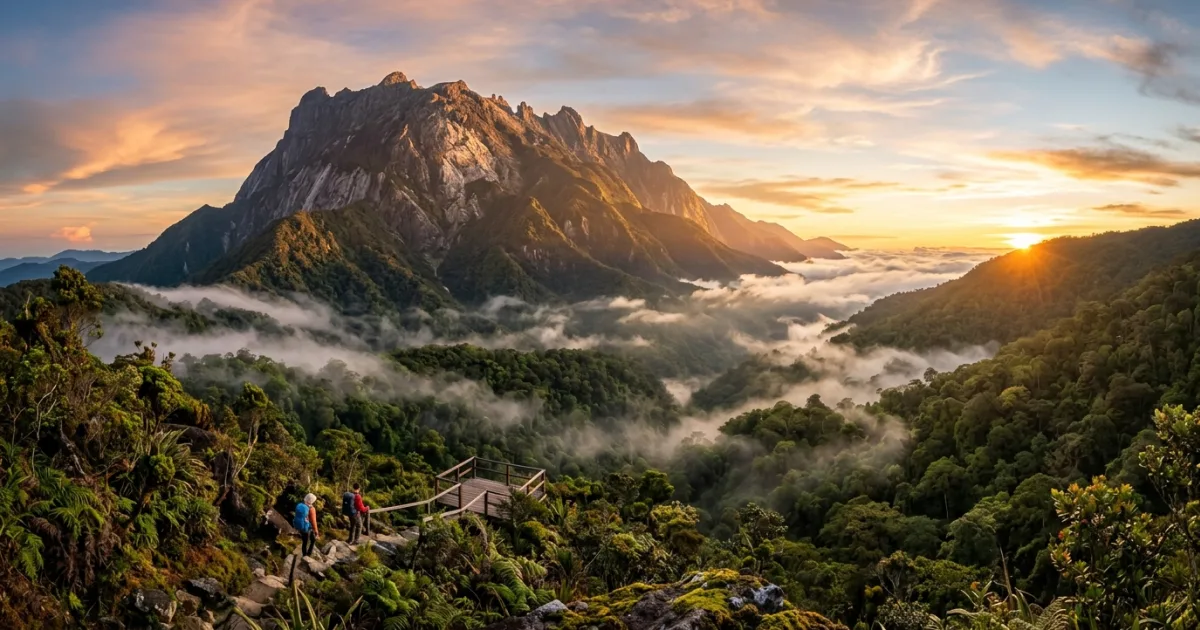
Malaysian Borneo spans the states of Sabah and Sarawak, presenting an expansive territory of primary tropical rainforests, jagged limestone peaks, and rich coastal ecosystems. The region is home to Mount Kinabalu, the Kinabatangan River, and the cavernous systems of Gunung Mulu National Park. Travelers explore distinct indigenous cultures, dense river corridors harboring wild orangutans and proboscis monkeys, and world-class dive sites off Sipadan Island. Infrastructure transitions seamlessly between functional coastal capitals like Kota Kinabalu and Kuching to remote river lodges accessible only by longboat. Logistical planning requires consideration of tropical weather patterns, internal domestic flights, and national park permit quotas. From trekking across alpine granitic plateaus to navigating subterranean cave river systems, the territory offers deep biodiversity alongside distinct culinary traditions shaped by Dayak, Kadazan-Dusun, Malay, and Chinese influences.
Malaysian Borneo Travel Guide: Logistics & In-Depth Tips
Malaysian Borneo occupies the northern third of Borneo, the world's third-largest island, and contains some of the oldest continuous rainforest ecosystems on Earth. Divided into the Malaysian states of Sabah and Sarawak, the region serves as a biological bastion housing endangered species such as the Bornean orangutan, pygmy elephant, proboscis monkey, and clouded leopard. Beyond its interior jungles, the territory borders the Coral Triangle, boasting marine biodiversity hot spots like Sipadan and the Tunku Abdul Rahman Marine Park.
Sarawak's capital of Kuching is famed for heritage shophouses, colonial river walks, and accessible national parks like Bako, where proboscis monkeys forage along coastal mangrove trails. Further inland, Gunung Mulu National Park showcases monumental karst geography containing the Sarawak Chamber, the largest known natural cave chamber by area. In neighboring Sabah, Kota Kinabalu sits in the shadow of Mount Kinabalu, Southeast Asia's prominent granitic massif. With distinct ethnic groups retaining ancestral customs, music, and cuisine, Malaysian Borneo combines environmental immersion with authentic tribal heritage.
Reasons to Visit
- Witness endangered Bornean wildlife such as wild orangutans, pygmy elephants, and hornbills along pristine river basins.
- Summit the granite summit ridge of Mount Kinabalu at sunrise for panoramic island vistas.
- Navigate world-record cave systems and walk the elevated canopy bridges of Gunung Mulu National Park.
- Scuba dive along the drop-offs and coral reefs of Sipadan, widely ranked among the top marine sites worldwide.
- Experience diverse tribal cultures, traditional longhouse communities, and indigenous culinary traditions in Sarawak and Sabah.
Things to Avoid
- Do not enter remote jungle reserves without a registered national park guide; trails can wash out rapidly after torrential afternoon downpours.
- Avoid touching, feeding, or using camera flash near wildlife at rehabilitation centers and forest sanctuaries.
- Do not drink untreated tap water outside five-star properties; always use boiled, filtered, or purified water.
- Avoid planning an itinerary with too many distant locations in a short timeframe, as regional transfers often depend on boat tides and small aircraft schedules.
Local Transportation Tips
Travel between major coastal hubs in Sabah and Sarawak relies heavily on domestic aviation operated by Malaysia Airlines, AirAsia, and Firefly. Long-distance express buses operate between coastal cities, while rural destinations like river lodges or remote trekking trailheads require chartered 4WD vehicles or motorized wooden longboats. In urban areas like Kota Kinabalu and Kuching, e-hailing through the Grab app is cheap, reliable, and widely accessible.
Travel Etiquette
- Remove your shoes before entering local homes, traditional Iban or Rungus longhouses, and religious buildings.
- Dress modestly with covered shoulders and knees when visiting rural villages, mosques, and indigenous communities.
- Always ask for permission before photographing local indigenous artisans or village elders.
- Use your right hand or both hands together when passing items, cash, or food to others.
Recommended Age Group
Malaysian Borneo caters best to active travelers capable of handling humid tropical environments, rustic accommodations, and outdoor physical exertion.
- Babies (0-2 years): Not Recommended. High heat, tropical mosquito-borne illnesses, and rough boat transfers make deep nature trips unsuitable for infants.
- Kids (3-12 years): Neutral. Children with outdoor enthusiasm will enjoy wildlife sanctuaries and riverboat rides, though multi-day jungle treks and long transit times can prove taxing.
- Teens (13-19 years): Recommended. Ideal for adventurous teenagers interested in river rafting, snorkeling, trekking, and up-close wildlife experiences.
- Adults (20-64 years): Recommended. Optimal demographic for tackling challenging climbs, advanced diving expeditions, and multiday cave hikes.
- Seniors (65+ years): Neutral. Excellent for wildlife cruising and culturally oriented city stays, but high-humidity treks, slippery karst steps, and rudimentary transport require good mobility.
Accessibility Level: Medium
- Urban boardwalks and paved areas in Kuching and Kota Kinabalu feature level footpaths and wheelchair-accessible city centers.
- Primary wildlife boardwalks at Semenggoh Nature Reserve and Sepilok Orangutan Rehabilitation Centre offer barrier-free boardwalks suitable for standard wheelchairs.
- Interior wilderness zones, including Gunung Mulu, Danum Valley, and Mount Kinabalu, involve steep ascents, mud tracks, and boat embarkations with very limited physical accessibility infrastructure.
Did You Know?
The rainforests of Malaysian Borneo are estimated to be around 130 million years old, making them twice as ancient as the Amazon rainforest.
Cool Statistics
- Mount Kinabalu reaches an elevation of 4,095 meters (13,435 feet) above sea level.
- Sarawak Chamber in Mulu covers approximately 166,000 square meters, large enough to shelter dozens of Boeing 747 aircraft.
- Over 15,000 plant species and 220 terrestrial mammal species inhabit the island of Borneo.
Address:
Find Nearby Accommodations
Basic Info

COUNTRY & Region

ACCESSIBILITY LEVEL

LOCAL CURRENCY

Price Level

SAFETY LEVEL

Recommended Duration
Electricity

Electricity

Plug Type


Activities To Do In Malaysian Borneo
Best Time To Visit Malaysian Borneo
Malaysian Borneo features an equatorial climate with warm temperatures and high humidity year-round, divided into regional precipitation cycles.
- March to September: The driest window across Sabah and Sarawak, offering optimal conditions for climbing Mount Kinabalu, wildlife spotting along the Kinabatangan River, and diving off Sipadan.
- October to February: The northeast monsoon delivers elevated rainfall, particularly along the eastern coast of Sabah and western Sarawak. River excursions remain possible, though mountain trails can become slick and sea crossings choppy.
Average Temperatures Per Month
Remember to check the weather forecast a few days before the trip and before heading to the airport.
Safety Level
The rating is based on multi-year peace, crime, and security indices. Before you go, always verify current conditions through official government travel advisories.
Emergency Numbers
No internet needed • Includes local translations • Free for TravelingWiz readers
Spoken Languages
Learn The Language
- Hello: Selamat sejahtera / Halo
- Good morning: Selamat pagi
- Thank you: Terima kasih
- You’re welcome: Sama-sama
- How much is this?: Berapa harga ini?
- Where is…?: Di mana…?
- Water: Air
- Help: Tolong

Trip Cost & Budgeting for Malaysian Borneo, 2026
LOCAL CURRENCY:
Price Level:
Cards Vs. Cash
How Much Cash to Carry (on you)
Per person, per day – pocket cash for small purchases.
Average Daily Costs (per person)
Full daily spend estimation (accommodation, food, transportation, attractions).
Travel Style | Malaysian Ringgit (MYR) | ≈ USD ($) |
|---|---|---|
Budget | 160 | 35 |
Mid-range | 380 | 85 |
Comfort | 900 | 200 |
The Prices, Daily costs, and calculator results are estimates for planning purposes only. Actual costs may vary based on season, booking timing, personal spending habits, and currency fluctuations. TravelingWiz cannot be held responsible for discrepancies between these estimates and your final trip expenses.
Best Value Tips
- Book Mount Kinabalu climbing slots and Gunung Mulu National Park accommodations months ahead directly through official park management systems to bypass high third-party agency markups.
- Utilize budget domestic carriers like AirAsia and Firefly for regional transfers between Kuching, Miri, Kota Kinabalu, and Sandakan instead of prolonged bus journeys.
- Dine at local kopitiams (coffee shops) and outdoor night markets like Pasar Malam Sinsuran for authentic meals under 15 MYR ($3.50 USD).
- Hire certified local community guides directly at park headquarters rather than booking all-inclusive packages in advance.
Pre-Order Tickets
Travel Discounts & Coupons
What To Pack
- Quick-drying, lightweight long-sleeve shirts and trousers to protect against sun and insects
- Sturdy, worn-in hiking boots with non-slip grip for muddy jungle terrain
- Leech socks (essential for jungle trekking in Danum Valley and Kinabatangan)
- High-strength DEET or Picaridin mosquito repellent
- Lightweight waterproof dry bags for boat transfers and sudden tropical deluges
- High-lumen waterproof headlamp with extra batteries for cave walks and night walks
- Compact binoculars (8x42 or 10x42) for canopy wildlife viewing
- Type G electrical adapter and an external high-capacity power bank
Related Travel Tips
If you got any, please share
Recommended Itineraries for Traveling to Malaysian Borneo
you can contact us for custom trip plan
Food & Drink Highlights
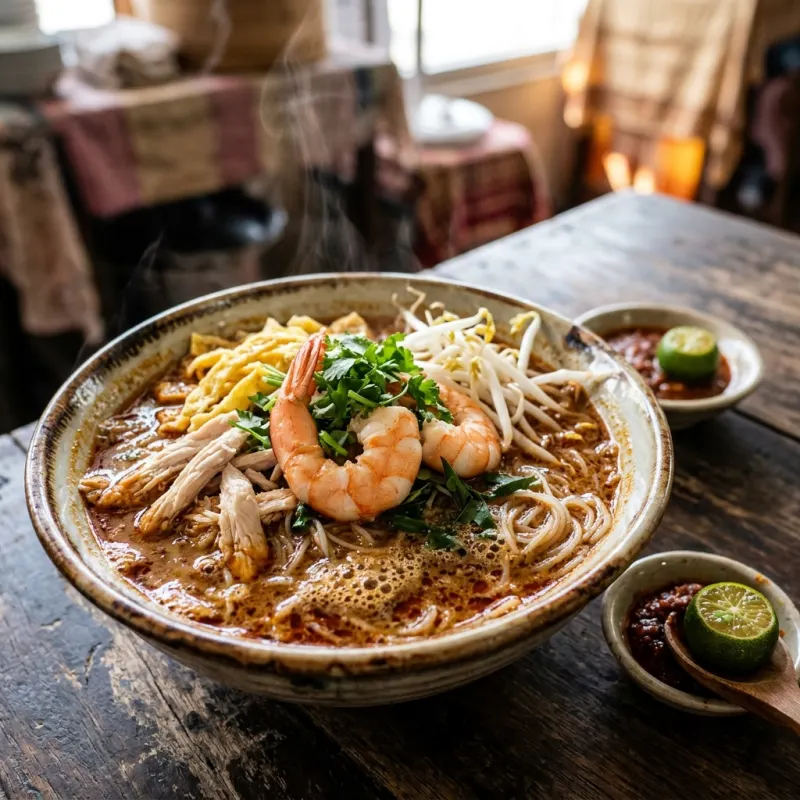
Local Food Overview
Must Try Dish

Food
Experiences
Discover cooking classes, tastings and local food tours

Maya’s Final Checklist for Malaysian Borneo
Logistics shouldn’t be the focus of your trip—the experience should. I’ve hand-vetted these essential partners to ensure your arrival, stay, and exploration are as smooth as an Athenian breeze.
Where to Stay
From boutique hotels to local apartments—compare thousands of options and find the perfect stay in the best neighborhood.
Air Travel
Getting there should be seamless. Compare the best routes and prices across top airlines to start your journey on the right note.
Local Guides
Connect with experts who know the destination best. Get personalized advice and insider tips to help you plan your perfect trip.
Travel Protection
The “Engineer’s” rule: always have a backup. Secure your trip with a plan that covers every “what if” and unexpected change.
Car Rentals
Explore at your own pace with total freedom. Compare reliable rental options and find the right vehicle for your adventure.
Visa Services
Don’t let paperwork slow you down. Get expert assistance with your application to ensure all your entry documents are in order.
FAQs
Your Insights Matter
Related Articles
Check out our related articles and blog posts to learn even more about the destination.
Don’t Travel Alone
Share with your friends and family
