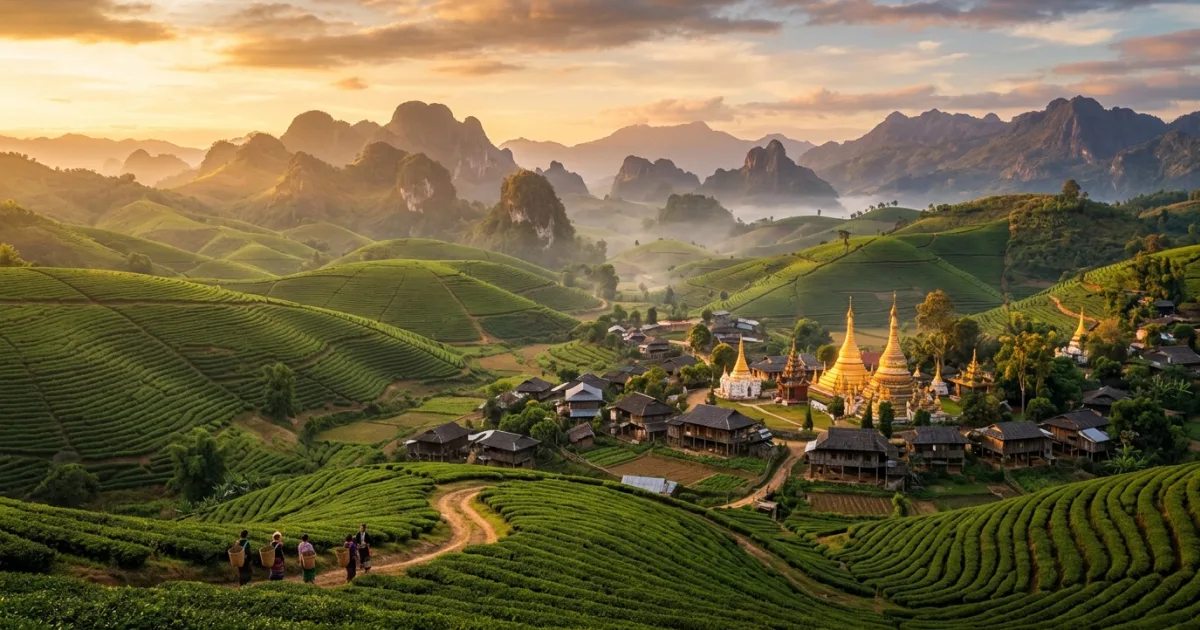
Rising majestically in the eastern expanse of Myanmar, the Shan Highlands—frequently referred to as the Shan Plateau—represent an elevated landscape marked by deep limestone gorges, rolling pine ridges, and fertile agricultural basins. Averaging elevations between 1,000 and 1,500 meters, this sweeping geographical area stands apart from the tropical humidity of central Burma, offering crisp mountain air that has drawn travelers and traders for centuries.
The region is world-renowned for iconic landmarks such as Inle Lake, where indigenous Intha fishermen paddle wooden craft with a distinctive single-leg wrap technique amidst floating tomato gardens. Beyond the lake basin lie the cool trails of Kalaw, an old hill station lined with heritage villas, and Pindaya, home to sacred cavern complexes housing thousands of golden Buddha effigies. Its ethnic tapestry, rich culinary heritage, and striking topography make the Shan Highlands an unforgettable journey for culturally respectful adventurers.
Reasons to Visit
- Witness the leg-rowing fishermen and floating agricultural communities of Inle Lake.
- Embark on the classic multi-day village trek between Kalaw and Inle Lake, staying overnight in rural monasteries.
- Explore the sacred Shwe Oo Min Natural Cave Pagoda in Pindaya, packed with over 8,000 historic Buddha statues.
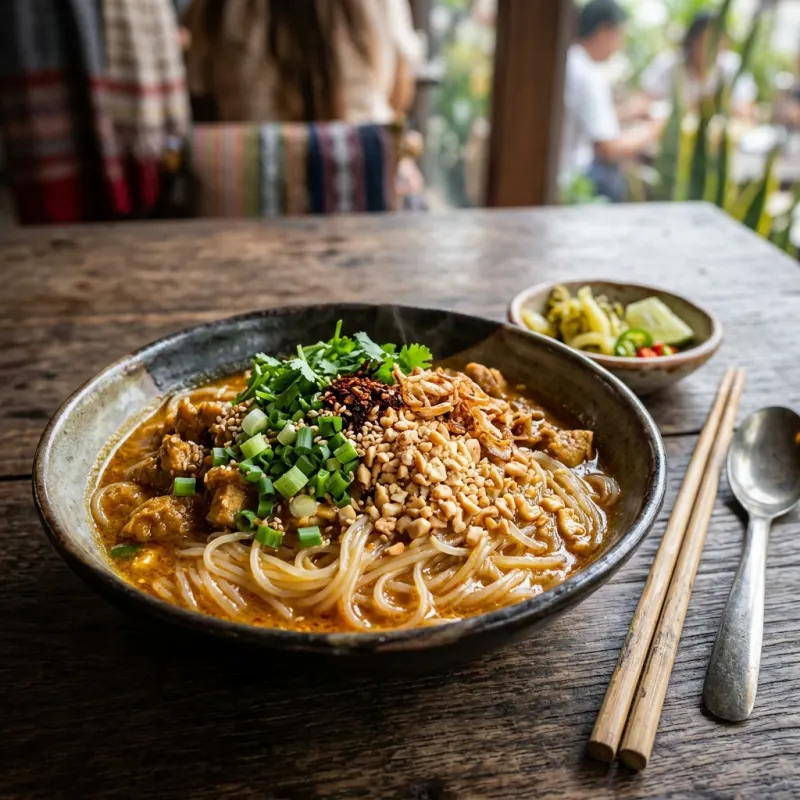
- Taste authentic Shan cuisine, including handmade chickpea tofu and fragrant tea leaf salads, directly at source.
- Experience traditional five-day rotating markets where hill tribe villagers gather to trade produce and textiles.
Things to Avoid
- Avoid venturing off marked roads or taking unguided motorcycle expeditions into restricted townships in Shan State.
- Do not wear footwear or socks inside monastery compounds, cave shrines, or pagoda precincts.
- Avoid touching the heads of locals or pointing your feet toward monks, elders, or Buddha statues.
- Do not consume unbottled tap water or unpeeled raw fruits purchased from roadside market stands.
- Avoid discussing sensitive domestic political matters in public gathering places.
Local Transportation Tips
Local transportation in the Shan Highlands varies significantly by terrain. On Inle Lake, longtail motorized wooden canoes serve as the primary taxi system between stilt villages and Nyaungshwe. On land, shared pick-up trucks (songthaews) and private taxis navigate mountain passes between Kalaw, Taunggyi, and Pindaya. For long journeys between cities, private air-conditioned coach lines operate reliable overnight routes along major highways.
Travel Etiquette
- Always remove shoes and socks before stepping onto any religious ground, temple platform, or monastery room.
- Dress modestly in non-revealing clothing covering shoulders and knees when exploring villages and religious sites.
- Ask for permission before photographing local ethnic hill-tribe individuals, particularly women and monks.
- Receive and give items, especially money, using your right hand supported by your left forearm to demonstrate respect.
Recommended Age Group
The Shan Highlands offer diverse travel styles, but transport realities and rugged terrain influence suitable demographics.
- Babies (0-2 years): Not Recommended. Rugged road journeys, bumpy longtail boat transit, and limited specialized medical infrastructure make travel challenging for families with infants.
- Kids (3-12 years): Neutral. Children fascinated by boat rides and open country can enjoy Inle Lake, though long rural hikes and winding mountain transport require high patience.
- Teens (13-19 years): Recommended. Active teenagers will thrive on multi-day village trekking, cycling around lakeshores, and visiting mysterious limestone cavern networks.
- Adults (20-64 years): Recommended. Perfect demographic for absorbing the rich cultural heritage, undertaking scenic walks, enjoying highland cuisine, and visiting artisan workshops.
- Seniors (65+ years): Neutral. Moderate travelers will appreciate lakeside boutique resorts and leisurely boat tours, but uneven pagoda steps and lack of handrails require caution.
Accessibility Level: Medium
- Highland terrain is naturally rugged, featuring unpaved village trails, steep monastery stairs, and dirt tracks that are not wheelchair accessible.
- Boarding longtail boats on Inle Lake requires stepping down onto narrow wooden docks without ramps or supportive handrails.
- Most traditional pagodas and cave temples feature uneven stone surfaces and require shoe-free walking, which can be slippery.
- Accessible travel generally requires booking higher-end lakeside resorts with flat ground layouts and hiring private vans with dedicated driver assistance.
Did You Know?
The Intha people of Inle Lake developed their unique leg-rowing method out of practical necessity: standing on one leg at the stern of the boat gives them a clear elevated view over dense surface reeds and floating weeds that obscure underwater fish traps.
Cool Statistics
- Average plateau elevation: 1,000 to 1,200 meters above sea level
- Number of Buddha images inside Pindaya Cave: Over 8,000 statues
- Average surface area of Inle Lake: Approximately 116 square kilometers
- Main ethnic groups residing in the plateau: Over 10 distinct cultural groups






Buy a compatible power adapter for your trip