Disclosure: This site contains affiliate links. We may earn a commission if you make a purchase, at no extra cost to you.

>
>
>
Cultural Triangle

Cultural Triangle

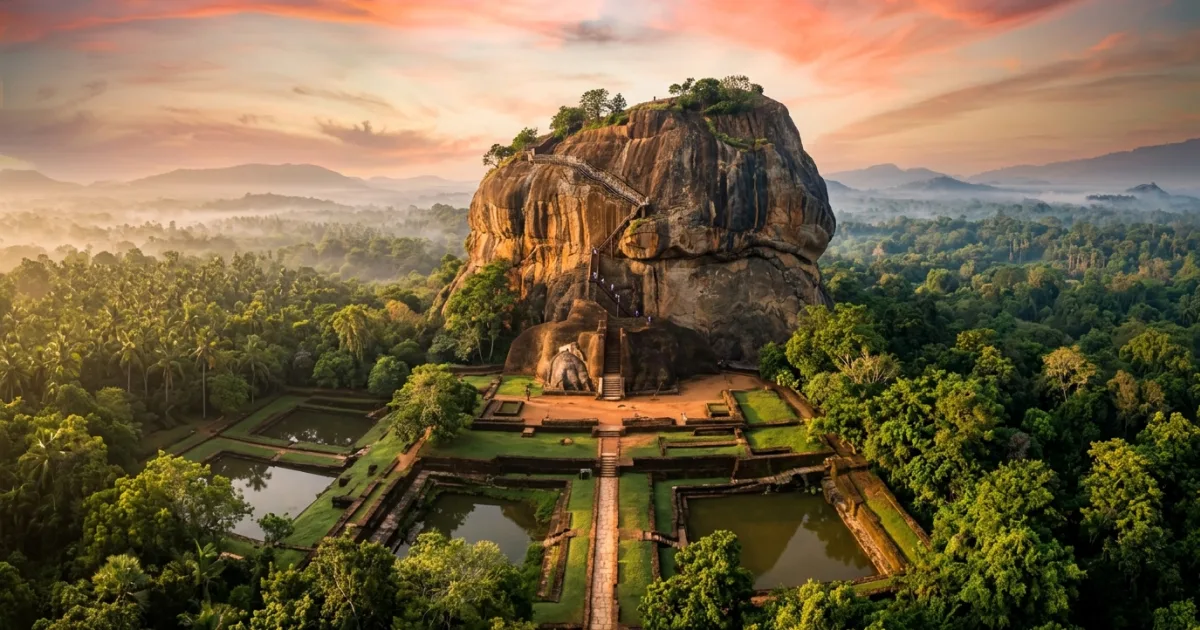
Ancient Sigiriya Rock Fortress surrounded by lush jungle in Sri Lanka Cultural Triangle

Cultural Triangle Overview & Key Highlights

The Cultural Triangle covers the vast northern-central interior of Sri Lanka, housing ancient ruins, colossal stupas, and sacred monasteries scattered between Anuradhapura, Polonnaruwa, Sigiriya, and Dambulla. This archaeological heartland showcases over two thousand years of urban planning, advanced hydraulic engineering, and Buddhist monumental architecture. Travelers base themselves in quiet hubs like Habarana or Sigiriya to explore soaring stone citadels, sacred bodhi trees, and vibrant underground rock cave murals. Navigating this expansive region involves a mix of early morning temple walks, bicycle circuits through ruined palaces, and evening safaris to witness wild elephant gatherings around ancient man-made reservoirs. The climate remains hot and dry for much of the year, demanding sun protection and early starts to avoid the midday heat. Sacred pilgrimage sites remain fully active, requiring visitors to observe respectful dress codes by covering shoulders and knees while removing footwear before stepping onto temple grounds.

Cultural Triangle Travel Guide: Logistics & In-Depth Tips

The Cultural Triangle of Sri Lanka is an expansive historical treasure trove occupying the dry plains of the country's central interior. Grounded by the ancient kingdoms of Anuradhapura to the north, Polonnaruwa to the east, and Kandy to the south, this territory encapsulates the apex of pre-colonial South Asian engineering, religion, and urban design. Monumental dagobas rivaling the Pyramids of Giza in mass, terraced palace gardens, and intricate rock-cut cave monasteries demonstrate the creative brilliance of successive royal dynasties.

Beyond the architectural wonders, the landscape is defined by vast man-made lakes, known locally as 'wewas.' Built thousands of years ago to harvest monsoon rains, these reservoirs continue to nourish paddy fields and support vast concentrations of wildlife. Today, visitors can scale ancient monoliths at dawn, inspect well-preserved Buddhist frescoes before noon, and embark on jungle safaris in the late afternoon to witness wild elephant herds gather at lake shores, offering an extraordinary synthesis of human heritage and wild nature.

Reasons to Visit

  • Sigiriya Lion Rock: A dramatic 200-meter-high volcanic monolith crowned by the 5th-century sky palace of King Kashyapa, featuring ancient water gardens and world-renowned painted frescoes.
  • Dambulla Cave Temple: A massive rock monastery housing five distinct sanctuaries filled with 153 Buddha statues and centuries-old vibrant ceiling murals.
  • Bicycle Touring in Polonnaruwa: A UNESCO-listed medieval capital with intact royal audience halls, bathing pools, and the Gal Vihara rock-cut Buddha statues easily explored on two wheels.
  • Wild Elephant Gatherings: Annual dry season migrations in Minneriya and Kaudulla National Parks that bring hundreds of Asian elephants together around ancient reservoirs.
  • Sacred Sacred City of Anuradhapura: The cradle of Sri Lankan Buddhism, featuring the Jaya Sri Maha Bodhi—the oldest recorded human-planted tree in the world—and colossal brick stupas.

Things to Avoid

  • Do not pose with your back turned toward Buddha statues for selfies or photographs, as this is strictly forbidden and considered deeply offensive in Sri Lankan culture.
  • Do not attempt to climb Sigiriya or Pidurangala during midday heat (11:00 AM to 2:30 PM), as temperatures on the bare rock face often exceed 35°C (95°F).
  • Avoid touching, feeding, or carrying uncovered snacks near wild monkeys at tourist sites; toque macaques are quick to snatch food and may bite if provoked.
  • Do not display Buddha tattoos visibly in public; covering religious body art with clothing is mandatory to prevent potential legal or cultural issues.
  • Avoid booking elephant rides or patronizing facilities that chain captive elephants; opt instead for ethical wild safaris in nearby national parks.

Local Transportation Tips

Tuk-tuks are the primary means of short-range point-to-point transit throughout the triangle, ideal for trips between Habarana, Sigiriya, and Dambulla. For day excursions across larger distances—such as venturing out to Anuradhapura or Ritigala—hiring an air-conditioned car with an experienced local driver provides both comfort against the tropical heat and route flexibility. In Polonnaruwa, cycling is the preferred way to navigate the flat, shaded archaeological park trails.

Travel Etiquette

  • Dress conservatively at all times near religious landmarks, ensuring shoulders and knees are fully covered with modest clothing.
  • Remove hats, head coverings, and shoes before entering the perimeter of any temple, shrine room, or sacred stupa terrace.
  • Always use your right hand when giving or receiving money, tickets, or food items.
  • Ask for explicit permission before photographing local pilgrims, monks, or villagers going about their daily routines.

Recommended Age Group

The Cultural Triangle offers exceptional educational and active rewards, though its physical demands require careful consideration across different age brackets.

  • Babies (0-2 years): Not Recommended. Extreme tropical heat, uneven dirt tracks unsuitable for strollers, steep rock steps, and rampant temple monkeys make navigating the sites with infants exceptionally taxing.
  • Kids (3-12 years): Neutral. Children interested in wildlife and castle ruins will enjoy elephant safaris and climbing lower archaeological sites, but long cultural tours and midday heat can lead to fatigue.
  • Teens (13-19 years): Recommended. Ideal for active teenagers who enjoy hiking up Sigiriya or Pidurangala, cycling through ancient stone cities, and taking open-top safari jeeps.
  • Adults (20-64 years): Recommended. Outstanding destination for history enthusiasts, cultural travelers, active hikers, and wildlife photographers.
  • Seniors (65+ years): Neutral. Rich in historical rewards, but requires caution due to hundreds of steep, uneven stone steps without handrails at key sites like Sigiriya and Dambulla.

Accessibility Level: Medium

  • Ancient ruins across Anuradhapura, Polonnaruwa, and Sigiriya feature uneven dirt pathways, exposed roots, and crushed gravel that present significant challenges for standard wheelchair users.
  • Ascents to Sigiriya Rock and Dambulla Cave Temples involve hundreds of steep, narrow stone steps with limited or no accessibility infrastructure.
  • Certain museums, such as the Sigiriya Museum, offer flat paved ramps, air-conditioned exhibits, and accessible restroom facilities.
  • Private chartered vehicle tours provide the most practical accessible option, allowing travelers with mobility limits to view monumental stupas and lake viewpoints from nearby vehicle drop-off zones.

Did You Know?

The ancient hydraulic engineers of Sri Lanka's Cultural Triangle invented the 'bisokotuwa' (cistern sluice) in the 3rd century BCE, a breakthrough valve tower technology that controlled water pressure inside giant reservoirs long before similar engineering feats were achieved in Europe.

Cool Statistics

  • Holds 6 of Sri Lanka's 8 UNESCO World Heritage Sites within a compact geographic radius.
  • Jetavanaramaya stupa in Anuradhapura was the third-tallest structure in the ancient world upon completion, surpassed only by the Pyramids of Giza.
  • Sigiriya's ancient mirror wall was polished so finely using lime, egg whites, and wild honey that the King could see his own reflection in the stone.


Address:

Cultural Triangle, Sri Lanka

Find Nearby Accommodations

Basic Info

address icon

COUNTRY & Region

Sri Lanka,
Asia

ACCESSIBILITY LEVEL​

Medium
Currency icon

LOCAL CURRENCY​

Sri Lankan Rupee (LKR)
Price level icon
Low
Safety Level icon

SAFETY LEVEL

Duration icon

Recommended Duration

• 1-7 days
• More than a week

Electricity

electricity icon

Electricity

220-240V, 
50Hz
Plug Socket icon

Plug Type

• Type D (Three round pins in a triangular pattern)
• Type G (Three rectangular pins in a triangular pattern)
• Type M (Three round pins, larger)
Plug types
Click To View Plug Types
Cultural Triangle is part of our
Conscious Travel collection

Activities To Do In Cultural Triangle

Best Time To Visit Cultural Triangle

The Cultural Triangle experiences a dry-zone tropical climate distinct from the southwestern monsoon zone.

  • January to April: Optimal conditions with dry terrain, minimal rainfall, and pleasant morning temperatures ideal for climbing Sigiriya.
  • May to September: Characterized by the dry season with high heat and strong winds; excellent for spotting large herds of wild elephants at Minneriya National Park ('The Gathering').
  • October to December: Inter-monsoon and northeast monsoon period bringing heavy tropical downpours; ancient ruins can become slippery and afternoon travel delays are common.

Average Temperatures Per Month

Remember to check the weather forecast a few days before the trip and before heading to the airport.

Safety Level icon

Safety Level

Stay aware of wild elephants when driving or walking near jungle borders, particularly after dusk along the Habarana-Trincomalee highway. Wear socks at temple sites to prevent burning your soles on hot sun-baked granite. Keep your belongings secure around Sigiriya and Dambulla, as resident toque macaque monkeys will snatch unguarded food, water bottles, and small bags.

The rating is based on multi-year peace, crime, and security indices. Before you go, always verify current conditions through official government travel advisories.

Emergency Numbers

Police: 119
Ambulance: 1990

No internet needed • Includes local translations • Free for TravelingWiz readers

Spoken Languages

Sinhala, Tamil, English (widely spoken in tourism and hospitality)

Learn The Language

  • Ayubowan: Hello / May you live long (Sinhala)
  • Vanakkam: Hello (Tamil)
  • Istuti: Thank you (Sinhala)
  • Nandri: Thank you (Tamil)
  • Karunakara: Please (Sinhala)
  • Meka kiyada?: How much is this? (Sinhala)
  • Ow / Naa: Yes / No (Sinhala)
  • Gihin ennam: Goodbye / I will go and return (Sinhala)
Travel Booking Partner - TravelingWiz

Trip Cost & Budgeting for Cultural Triangle, 2026

Everything you need to know about money while traveling
Is Cultural Triangle expensive for tourists in 2026? Overall, Sri Lanka's Cultural Triangle is very affordable for travelers. While entrance tickets to major sites can be pricey, everyday expenses are low: expect to pay around 750 LKR for a cappuccino, 750 LKR for a local beer, and 3,000 LKR for a mid-range restaurant meal. Our Human Verified prices show excellent value for food and lodging. Use the data table below to calculate your specific daily budget based on your travel style.
Currency icon

LOCAL CURRENCY​:

Sri Lankan Rupee (LKR)
Price level icon
Low
Cash is essential in the Cultural Triangle, as small hotels, tuk-tuks, markets, and entry gates rarely accept cards.

Per person, per day – pocket cash for small purchases.

Local: 2500
Sri Lankan Rupee (LKR)
≈ 8 USD

Full daily spend estimation (accommodation, food, transportation, attractions).

Travel Style
Sri Lankan Rupee (LKR)
≈ USD ($)
Budget
13750
42
Mid-range
25000
76
Comfort
55000
167

The Prices, Daily costs, and calculator results are estimates for planning purposes only. Actual costs may vary based on season, booking timing, personal spending habits, and currency fluctuations. TravelingWiz cannot be held responsible for discrepancies between these estimates and your final trip expenses.

  • • Hire a local tuk-tuk driver for full-day sightseeing between Sigiriya and Dambulla rather than booking expensive private tour vehicles.
  • • Eat authentic rice and curry at local guesthouses or family eateries to cut meal costs by more than half.
  • • Buy entrance tickets for major heritage sites like Sigiriya and Polonnaruwa with cash to avoid card surcharge fees.
  • • Hike Pidurangala Rock at sunrise for spectacular views of Sigiriya Fortress at a small fraction of the Sigiriya entry ticket cost.

Pre-Order Tickets

Avoid disappointment when tickets sell out — and skip the long lines by booking online in advance. You’ll often save up to 20% too.
Save up to 20%

Travel Discounts & Coupons

Save on hotels, attractions, transport, and gear — find verified discounts for smarter travel spending.
Verified Coupons

What To Pack

  • Modest clothing covering shoulders and knees (preferably white or light-colored for temple visits)
  • Slip-on shoes or sandals with thick socks (temple stone pathways become searingly hot under midday sun)
  • Sturdy walking shoes with high traction for climbing Sigiriya and Pidurangala rocks
  • High SPF reef-safe sunscreen, broad-brimmed sun hat, and UV-filtering sunglasses
  • Refillable filtered water bottle or hydration pack for long ruins exploration
  • DEET or citronella insect repellent for jungle temples and dusk wildlife safaris
  • Universal travel adapter compatible with Type D, G, and M sockets
  • Compact umbrella for shade against harsh midday sun and sudden tropical showers
We couldn't find tips for Cultural Triangle.
If you got any, please share

Recommended Itineraries for Traveling to Cultural Triangle

We couldn't find itineraries for Cultural Triangle.
you can contact us for custom trip plan

Food & Drink Highlights

Local Food Overview

Dining across the Cultural Triangle centers on agrarian Sinhala cuisine, celebrated for clay-pot curries cooked over open wood fires. Meals typically feature a mountain of indigenous red or samba rice accompanied by an array of vegetable curries sourced directly from surrounding agricultural dry-zone farmlands, including jackfruit (polos), ash plantain, wing beans, and bitter gourd. Fresh coconut milk, toasted curry powders, green chilies, and aromatic curry leaves form the foundation of most preparations. Fresh tank fish caught from inland ancient reservoirs (wewas) is often fried crisp or cooked into sour, peppery gravies. Buffalo curd drizzled with golden kitul treacle serves as the quintessential cooling dessert after spicy culinary exploration.
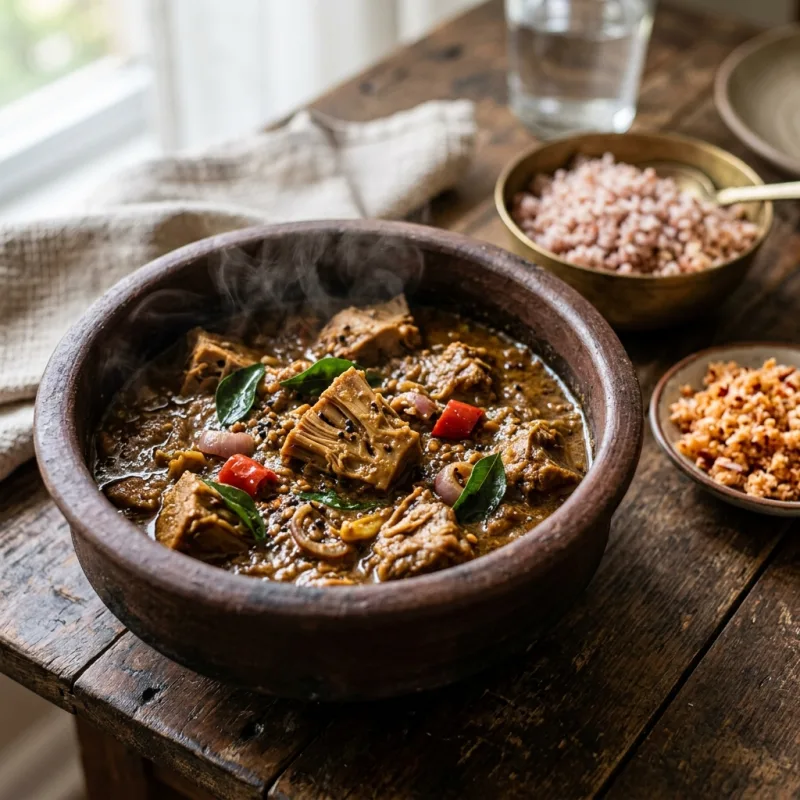
Sri Lankan Polos Curry young jackfruit curry in a traditional clay pot with rice

Must Try Dish

Polos Curry (Young Jackfruit Curry) - Young jackfruit pieces slow-cooked in clay pots with rich coconut milk, roasted spices, garlic, and pandan leaves until meltingly tender. Its meaty texture and deep savory depth make it an essential centerpiece of traditional Sri Lankan rice and curry spreads.
Food Experiences Title Icon

Food
Experiences

Discover cooking classes, tastings and local food tours

No food experience found
Maya, the human travel expert at TravelingWiz, offering curated, non-AI expertise

Maya’s Final Checklist for Cultural Triangle

Logistics shouldn’t be the focus of your trip—the experience should. I’ve hand-vetted these essential partners to ensure your arrival, stay, and exploration are as smooth as an Athenian breeze.

Where to Stay

From boutique hotels to local apartments—compare thousands of options and find the perfect stay in the best neighborhood.

Air Travel

Getting there should be seamless. Compare the best routes and prices across top airlines to start your journey on the right note.

Local Guides

Connect with experts who know the destination best. Get personalized advice and insider tips to help you plan your perfect trip.

Travel Protection

The “Engineer’s” rule: always have a backup. Secure your trip with a plan that covers every “what if” and unexpected change.

Car Rentals

Explore at your own pace with total freedom. Compare reliable rental options and find the right vehicle for your adventure.

Visa Services

Don’t let paperwork slow you down. Get expert assistance with your application to ensure all your entry documents are in order.

FAQs

Habarana and Sigiriya are the most central and convenient bases, positioned within a 30 to 60 minute drive of Dambulla, Polonnaruwa, and Minneriya National Park, with a wide range of hotels from eco-lodges to luxury resorts.
Both offer distinct advantages. Sigiriya features the historic 5th-century palace ruins, ancient water gardens, and famous frescoes, while Pidurangala involves a more rugged scramble that delivers an unmatched 360-degree panoramic view looking directly across at Sigiriya Rock itself.
Visitors must cover their shoulders and knees. White or light-colored attire is preferred and considered respectful. Shoes and hats must be removed before entering temple compounds, stupa terraces, and image shrines.
Bicycles or hired tuk-tuks are the most practical methods for Polonnaruwa due to its flat, well-maintained paths. Anuradhapura covers a much larger geographic expanse, making a hired private driver or tuk-tuk the most comfortable option in the heat.

Your Insights Matter

TravelingWiz grows through the stories of our community. If you’ve recently explored ,Cultural Triangle share your tips and stories to help us perfect our guides for the next traveler.

Related Articles

Check out our related articles and blog posts to learn even more about the destination.

No related articles found

Don’t Travel Alone

Share with your friends and family

Where should we send your offline card?

We hate spam just as much as you do

newsletter_consent *