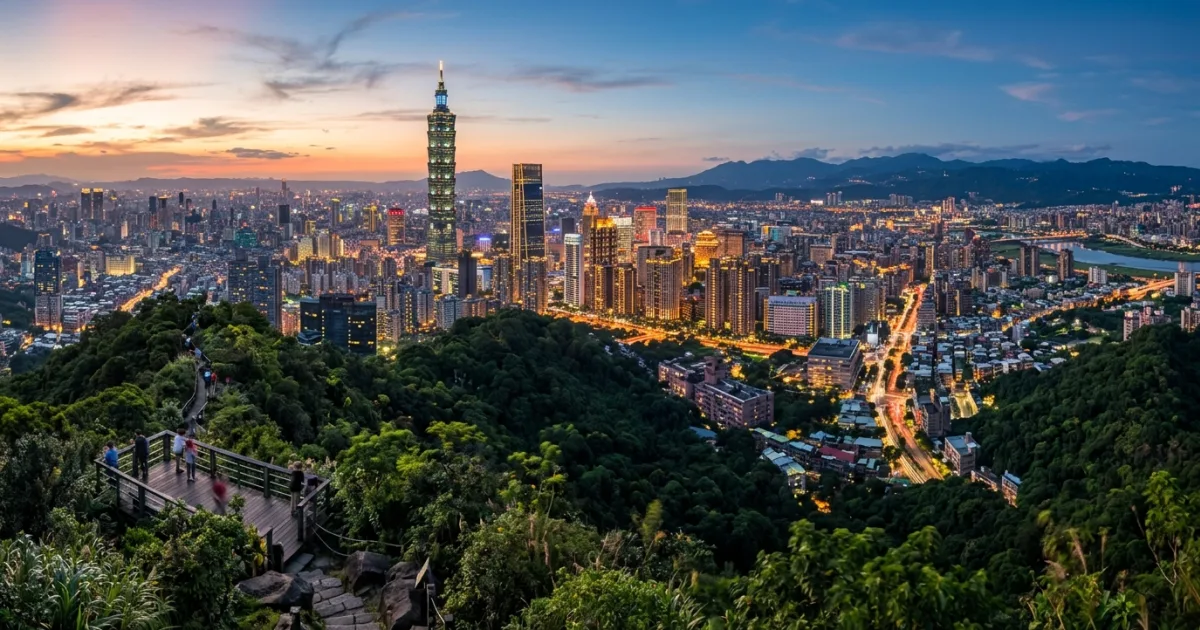
Taipei represents a harmonious convergence of ancient customs and contemporary metropolitan flair. Set against the verdant slopes of the Yangmingshan mountain range, the city functions as Taiwan's economic and cultural powerhouse. Travelers will discover serene historic temples sharing city blocks with sleek glass-and-steel skyscrapers, leafy riverside parks, and bustling creative arts quarters like Huashan 1914 and Songshan.
Daily life in Taipei moves with remarkable efficiency, supported by an MRT system recognized globally for its cleanliness, punctuality, and civility. Beyond the high-energy commercial districts of Ximending and Xinyi, residential neighborhoods such as Da'an and Zhongshan reveal tranquil alleyway cafes, indie boutiques, and historic Japanese wooden residences, ensuring every journey yields varied urban discoveries.
Reasons to Visit
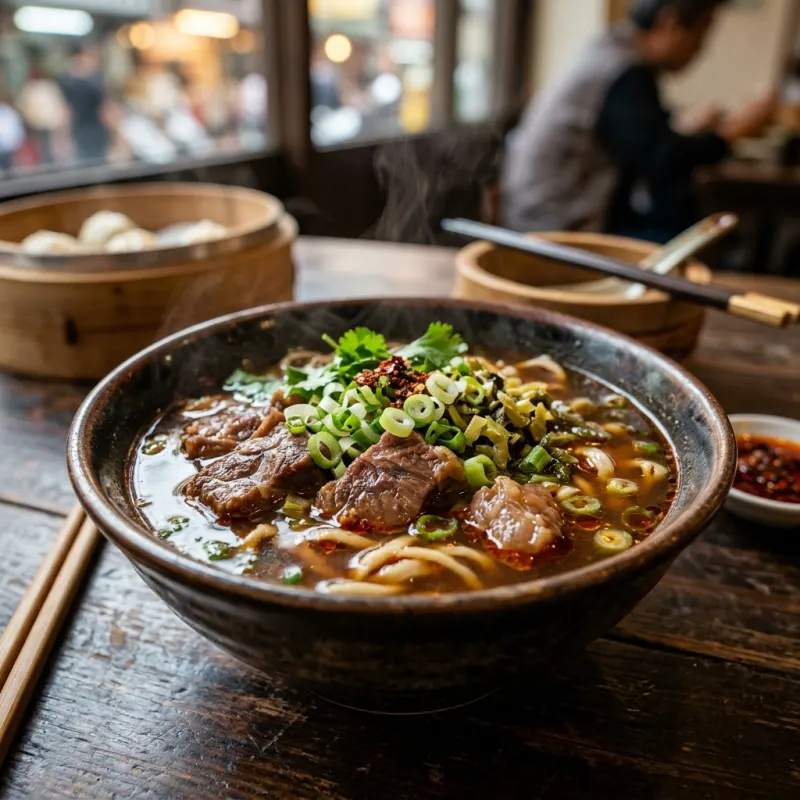
- Unmatched Culinary Scene: Explore dozens of world-famous night markets offering affordable Michelin Bib Gourmand street specialties.
- Effortless Urban Transit: Travel easily with one of the world's most punctual, spotless, and cost-effective metro networks.
- Rich Historical Heritage: Admire ancient Chinese imperial treasures at the National Palace Museum and explore ornate Qing-era temples.
- Seamless Nature Integration: Access mountain hiking trails, hot spring valleys, and tea plantations within 30 minutes of the city center.
- Superb Safety and Hospitality: Experience an exceptionally low-crime environment where locals regularly go out of their way to assist visitors.
Things to Avoid
- Avoid eating or drinking on the MRT: Consuming food, water, or chewing gum inside metro stations and trains incurs strict fines up to 7,500 TWD.
- Do not stick chopsticks upright into rice: This mimics incense offerings made to the deceased and is considered deeply disrespectful.
- Don't ignore queue etiquette: Taipei residents strictly respect transit queues marked clearly along platform floors and bus stops.
- Avoid relying solely on credit cards: Always carry adequate local cash, as night market stalls and modest eateries do not accept digital payments.
Local Transportation Tips
Taipei's public transit network is extraordinarily clean, secure, and user-friendly. The centerpiece is the Mass Rapid Transit (MRT) system, spanning six interconnected lines with comprehensive English announcements and bilingual signage. Purchase a rechargeable contactless EasyCard at any station to ride trains, city buses, and regional trains at discounted rates. The municipal YouBike automated bicycle-sharing system provides thousands of docking stations across the city, featuring dedicated bike pathways along the picturesque Tamsui and Keelung Rivers.
Travel Etiquette
- Maintain quietness on transit: Keep voice volume low and silence mobile ringers when riding the metro or public buses.
- Hand over items with both hands: Presenting cash, payment cards, or business cards with both hands signals polite respect.
- Step over temple thresholds: When entering historic shrines, step over the wooden door sill rather than standing on top of it.
- Proper trash disposal: Public trash cans are uncommon on streets; carry refuse until locating sorting bins found inside MRT stations or convenience stores.
Recommended Age Group
Taipei is a remarkably versatile destination that warmly accommodates travelers across all life stages thanks to its stellar infrastructure and welcoming culture.
- Babies (0-2 years): Recommended. Metro stations feature clean nursing rooms, smooth elevators, and wide walkways suited for modern strollers.
- Kids (3-12 years): Recommended. Children love the Taipei Zoo, Maokong Gondola, Children's New Amusement Park, and interactive science centers.
- Teens (13-19 years): Recommended. Teenagers thrive in the energetic anime and shopping culture of Ximending, claw machine arcades, and bustling night markets.
- Adults (20-64 years): Recommended. Outstanding coffee shops, thriving nightlife, craft cocktail lounges, hiking trails, and thermal spas offer limitless options.
- Seniors (65+ years): Recommended. Step-free public transit, accessible temple grounds, thermal springs, and respectful social norms make travel relaxing and dignified.
Accessibility Level: Medium
- Full MRT Accessibility: Every Taipei MRT station features tactile paving, wide gates, wheelchair elevators, and ramp access directly to train cars.
- Low-Floor Fleet: Major city bus corridors are served by accessible low-floor buses with automated boarding ramps.
- Barrier-Free Landmarks: Sites like Taipei 101, Chiang Kai-shek Memorial Hall, and the National Palace Museum feature wheelchair loans and elevators.
- Tactile City Streets: Most major pedestrian crossings throughout the central city have audible crossing signals and well-maintained curb cuts.
Did You Know?
Taipei 101 features a massive, suspended 660-metric-ton steel pendulum visible inside the tower. Acting as a tuned mass damper, this engineering marvel stabilizes the skyscraper against typhoon winds and seismic activity, swaying visibly during major tremors.
Cool Statistics
- 508 meters: The architectural height of Taipei 101, formerly the world's tallest building between 2004 and 2010.
- Over 2 million: Daily riders transported safely across the comprehensive Taipei MRT transit network.
- Nearly 700,000: Ancient imperial Chinese artifacts and artworks preserved inside the National Palace Museum collection.






Buy a compatible power adapter for your trip