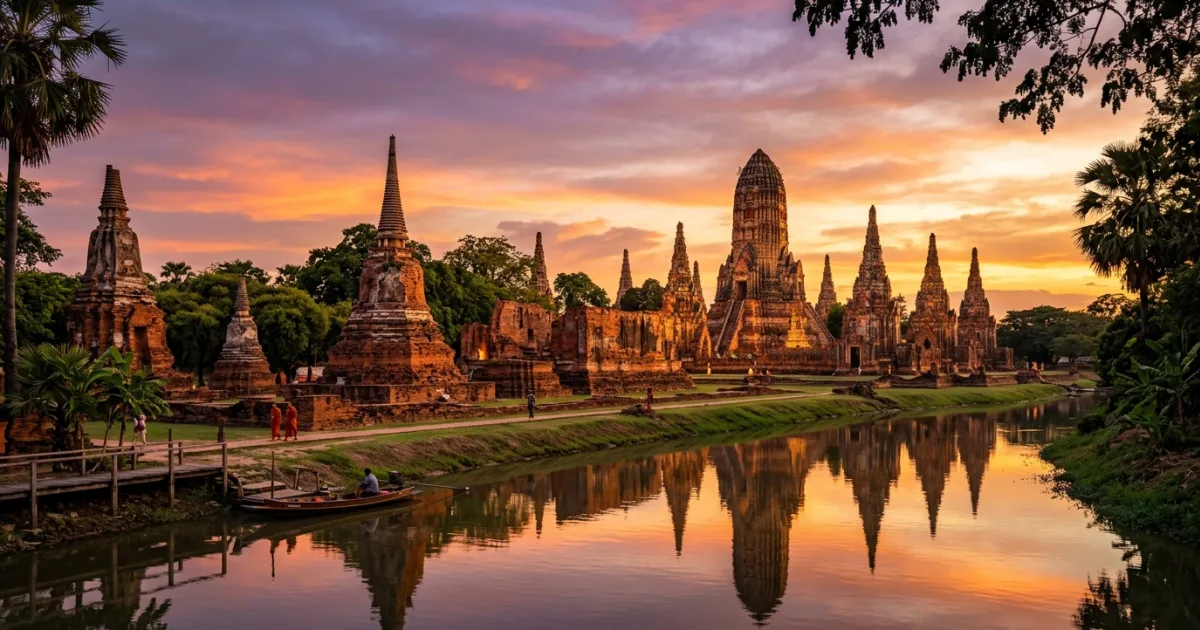
Central Thailand is the geographical and historical core of the nation, encompassing 21 provinces including the capital, Bangkok. The region is defined by the Chao Phraya River basin, which has made it the 'rice bowl' of Asia due to its incredibly fertile plains. Historically, this area was the seat of the Ayutthaya Kingdom, one of the most prosperous empires in Southeast Asian history, whose ruins remain a major draw for history enthusiasts.
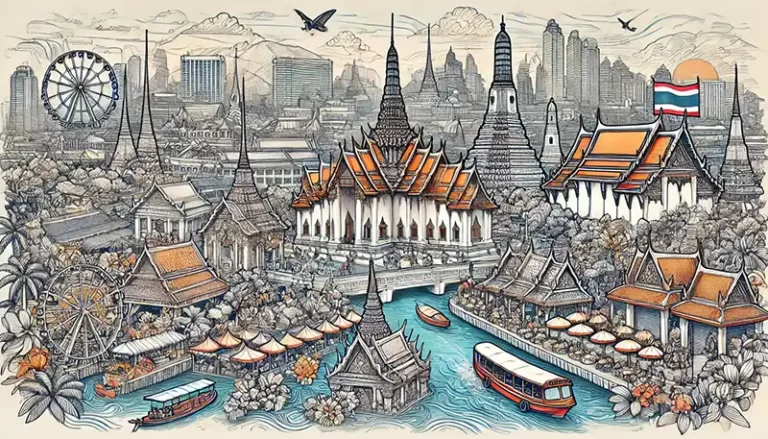
Today, the region contrasts these ancient roots with rapid modernization, offering visitors everything from high-speed rail networks and mega-malls to traditional floating markets and quiet agricultural villages. Whether you are navigating the neon-lit streets of Bangkok, exploring the poignant World War II history in Kanchanaburi, or seeking tranquility in the national parks, Central Thailand provides a deeply layered travel experience.
Reasons to Visit
- Explore the magnificent Grand Palace and Wat Phra Kaew in Bangkok.
- Cycle through the UNESCO World Heritage ruins of Ayutthaya Historical Park.
- Experience the vibrant atmosphere of Damnoen Saduak or Amphawa floating markets.
- Hike through the lush jungles and spot wild elephants in Khao Yai National Park.
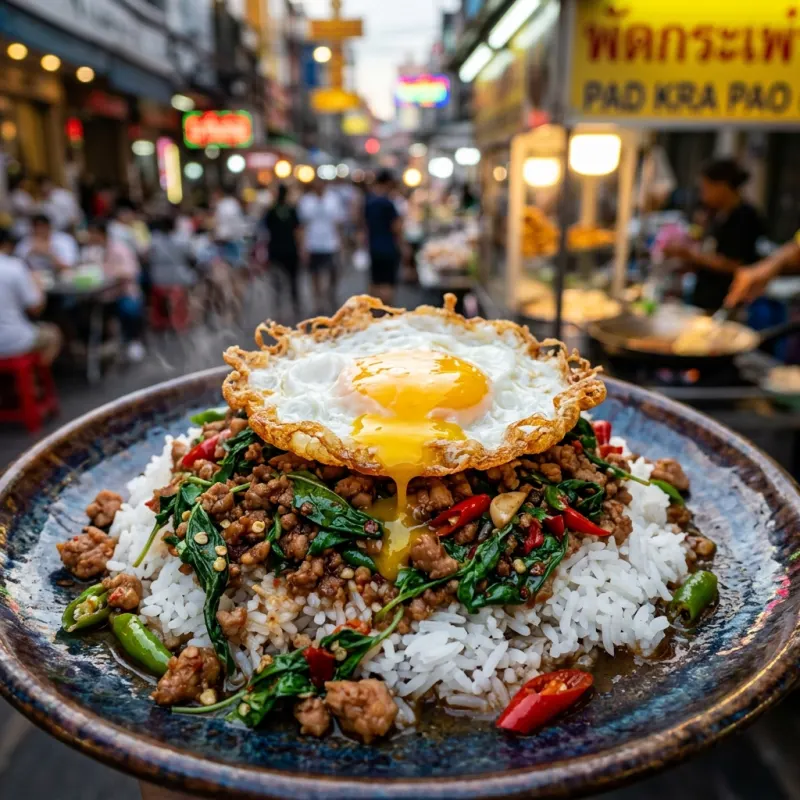
- Indulge in some of the world's best and most diverse street food scenes.
Things to Avoid
- Avoid drinking tap water; always opt for bottled or filtered water.
- Do not disrespect the Thai Royal Family, as it is both culturally offensive and illegal under strict lèse-majesté laws.
- Avoid touching anyone on the head, as it is considered the most sacred part of the body in Thai culture.
- Do not point your feet at people, monks, or religious statues, as feet are considered the lowest and dirtiest part of the body.
- Beware of overly friendly strangers offering unsolicited tours or telling you a major attraction is closed.
Local Transportation Tips
Public transportation in Central Thailand is extensive and varied. Bangkok boasts a modern, efficient transit system including the BTS Skytrain, MRT subway, and Chao Phraya Express Boats. For regional travel, the State Railway of Thailand operates trains connecting Bangkok to Ayutthaya, Lopburi, and beyond. Minivans and air-conditioned buses are popular and affordable for reaching provinces not serviced by rail. Taxis and ride-hailing apps like Grab are ubiquitous, while traditional tuk-tuks offer a fun, albeit sometimes pricier, short-distance alternative.
Travel Etiquette
- Dress modestly when visiting temples; shoulders and knees must be covered.
- Remove your shoes before entering a Thai home, a temple building, and even some small shops or guesthouses.
- Return a 'wai' (a slight bow with palms pressed together) when greeted, though a polite nod is acceptable for foreigners.
- Keep your voice down and avoid public displays of anger, as 'saving face' and maintaining harmony are crucial in Thai culture.
- Use your right hand to pass or receive items, as the left hand is traditionally considered unclean.
Recommended Age Group
Central Thailand offers diverse attractions suitable for all ages, though the heat and urban congestion require some planning for the very young or elderly.
- Babies (0-2 years): Neutral. The intense heat, humidity, and lack of stroller-friendly sidewalks in many areas can be challenging, though high-end hotels and malls offer excellent facilities.
- Kids (3-12 years): Recommended. Children will love the interactive museums, theme parks, ethical elephant sanctuaries, and vibrant markets.
- Teens (13-19 years): Recommended. The region offers exciting urban exploration, safe nightlife, shopping, and active adventures like cycling through historical parks.
- Adults (20-64 years): Recommended. Perfect for culinary exploration, historical deep-dives, nightlife, and navigating both modern transit and rural excursions.
- Seniors (65+ years): Recommended. With accessible luxury accommodations, excellent medical facilities, and slow-paced cultural tours, it is highly suitable, provided they manage the heat.
Accessibility Level: Medium
- Modern transit systems in Bangkok (BTS/MRT) increasingly feature elevators and ramps, though older stations may lack them.
- High-end hotels and modern shopping malls offer excellent wheelchair accessibility and accessible restrooms.
- Historical sites like Ayutthaya have uneven terrain and steps, making wheelchair navigation challenging but not impossible with assistance.
- Sidewalks in urban areas can be uneven, cluttered with street vendors, and lack curb cuts.
- Paratransit services and specialized accessible tour operators are available but should be booked well in advance.
Did You Know?
Bangkok's full ceremonial name is the longest city name in the world, consisting of 168 letters, and translates to 'The City of Angels, the Great City, the Residence of the Emerald Buddha, the Impregnable City of God Indra, the Grand Capital of the World Endowed with Nine Precious Gems, the Happy City, Abounding in an Enormous Royal Palace that Resembles the Heavenly Abode where Reigns the Reincarnated God, a City given by Indra and built by Vishnukarn.'
Cool Statistics
- Bangkok was the most visited city in the world in 2019, welcoming over 22 million international visitors.
- The Chao Phraya River flows for 372 kilometers through Central Thailand before emptying into the Gulf of Thailand.
- Ayutthaya was once the largest city in the world, with an estimated population of 1 million in the year 1700.
- Central Thailand produces over 30% of the country's total rice output.







Buy a compatible power adapter for your trip