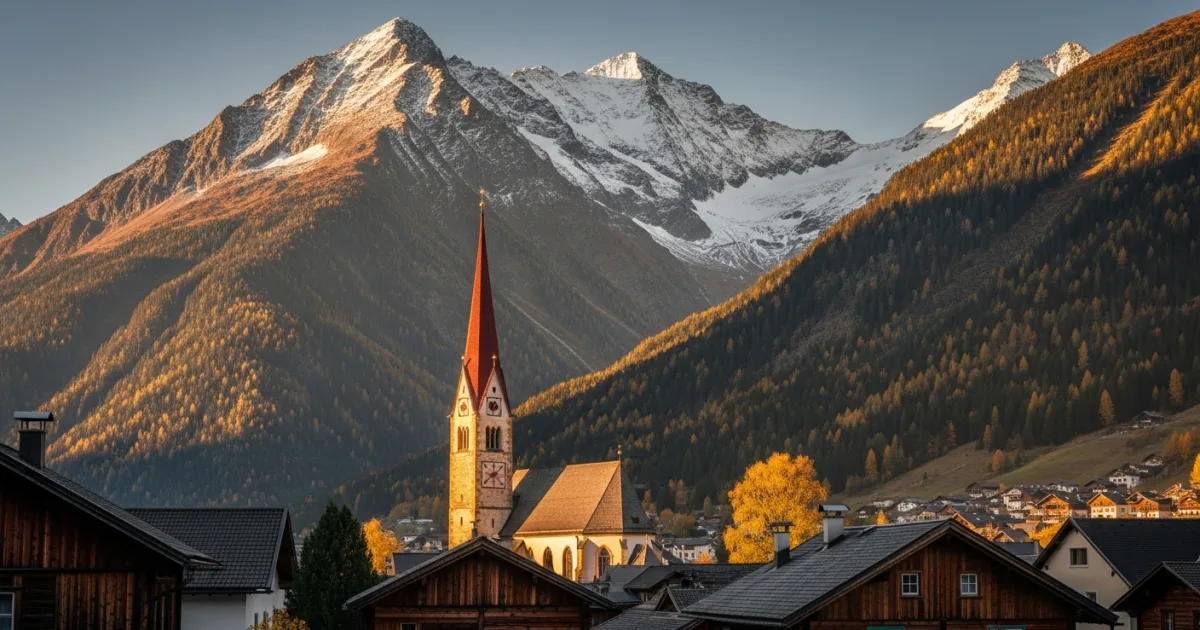
The Grossglockner High Alpine Road stretches 48 kilometers with 36 hairpin bends, reaching its highest point at the Edelweißspitze (2,571 meters). This engineering marvel, completed in 1935, transformed Heiligenblut from an isolated farming community into a major European tourist destination. The Hohe Tauern National Park, established in 1981, surrounds the village and protects over 1,800 square kilometers of alpine ecosystems, including populations of ibex, marmots, and golden eagles. The Pasterze, Austria's longest glacier at approximately 8 kilometers, is accessible via a funicular railway from the Kaiser-Franz-Josefs-Höhe visitor center, though it has been retreating significantly due to climate change.
Reasons to Visit
- Direct access to the Grossglockner High Alpine Road, one of Europe's most spectacular mountain passes.
- Proximity to the Pasterze Glacier and the Kaiser-Franz-Josefs-Höhe observation point.
- 55 kilometers of high-altitude, snow-reliable ski pistes with dramatic freeride terrain.
- The iconic St. Vincent Church, featuring a late-Gothic winged altar from 1520.
- Over 1,500 kilometers of hiking trails within the Hohe Tauern National Park.
Things to Avoid
- Attempting to drive the Grossglockner High Alpine Road during severe weather warnings or without checking the toll gate opening hours.
- Underestimating the physical toll of high altitudes; acclimatize before attempting strenuous hikes above 2,500 meters.
- Relying solely on credit cards, as many traditional mountain huts (Almen) only accept cash.
- Skiing off-piste without proper avalanche safety gear and local knowledge.
Local Transportation Tips
Public transportation in Heiligenblut relies primarily on the regional Postbus service, which connects the village to major transport hubs like Lienz (East Tyrol) and Zell am See (Salzburg). During the winter season, a free ski bus operates continuously between the village center, the surrounding hamlets, and the base station of the Grossglockner Bergbahnen cable car. In summer, specialized hiking buses transport visitors to various trailheads within the national park. The village center itself is compact and easily navigable on foot.
Travel Etiquette
- Greet fellow hikers on the trails with a friendly 'Grüß Gott' or 'Servus'.
- Respect the strict environmental regulations of the Hohe Tauern National Park by staying on marked trails and packing out all trash.
- Leave a 5-10% tip in restaurants by rounding up the bill and handing the total directly to the server.
- Close pasture gates behind you when hiking to prevent alpine livestock from wandering.
Recommended Age Group
Heiligenblut offers diverse alpine experiences, though its high altitude and rugged terrain cater better to certain demographics.
- Babies (0-2 years): Neutral. High altitudes and cold weather can be challenging, though stroller-friendly paths exist in the valley.
- Kids (3-12 years): Recommended. Excellent ski schools, gold panning activities, and accessible wildlife viewing in the national park.
- Teens (13-19 years): Recommended. Engaging outdoor activities including snowboarding, mountain biking, and climbing.
- Adults (20-64 years): Recommended. Ideal for challenging hikes, alpine driving, and enjoying local gastronomy.
- Seniors (65+ years): Recommended. Accessible cable cars, scenic viewpoints, and comfortable alpine lodges cater well to older travelers.
Accessibility Level: Medium
- The Kaiser-Franz-Josefs-Höhe visitor center is fully wheelchair accessible, featuring ramps, elevators, and accessible restrooms.
- The main cable car (Schareck) can accommodate standard wheelchairs, allowing access to high-altitude panoramic views.
- Historical buildings, including the St. Vincent Church, have limited accessibility due to steps and narrow doorways.
- Several valley trails are paved or feature hard-packed gravel suitable for mobility scooters.
Did You Know?
The village's name, Heiligenblut (Holy Blood), originates from a legend dating back to 914 AD. A Danish knight named Briccius was reportedly buried by an avalanche in the area while carrying a vial of Christ's blood from Constantinople. According to local lore, three ears of wheat grew through the snow to mark his resting place, and the relic is now preserved in a sacrament house within the St. Vincent Church.
Cool Statistics
- 3,798 meters: The elevation of the Grossglockner, Austria's highest mountain.
- 1,288 meters: The base elevation of Heiligenblut village.
- 48 kilometers: The total length of the Grossglockner High Alpine Road.
- 1091: The year Heiligenblut was first mentioned in historical documents.
- 55 kilometers: The total length of groomed ski pistes available in winter.






Buy a compatible power adapter for your trip