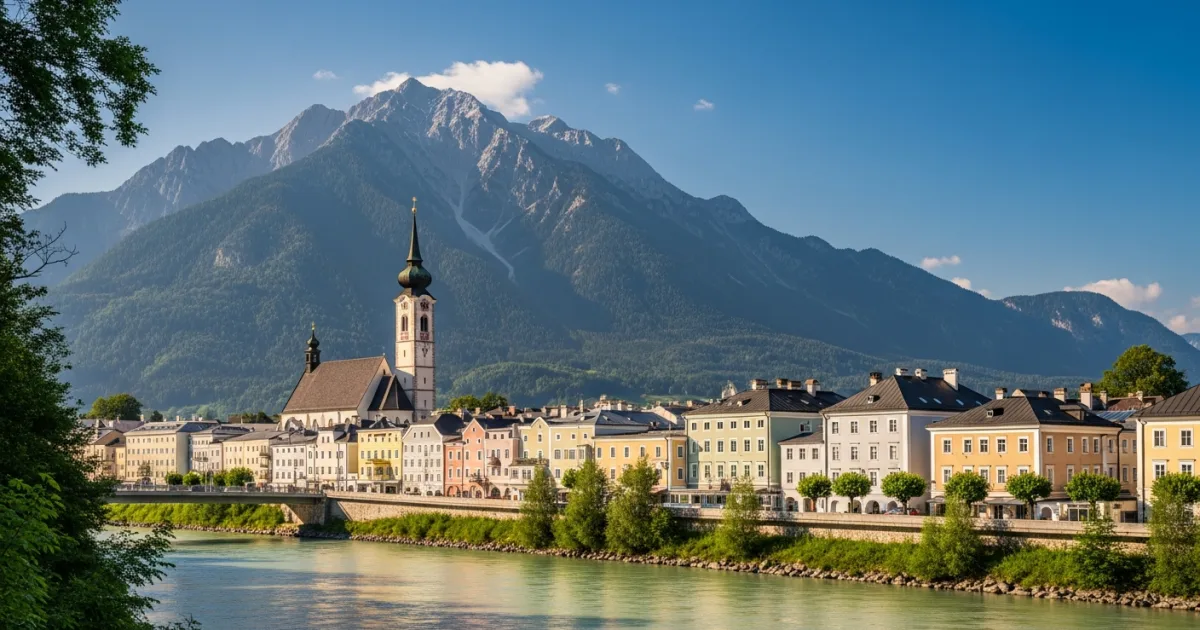
Villach possesses a rich historical timeline, with archaeological evidence indicating Roman settlements dating back to 15 BC when it was part of the Noricum province. The city suffered near-total destruction during the 1348 Friuli earthquake and was heavily bombed during World War II, resulting in the loss of 85% of its buildings. Post-war reconstruction meticulously restored the historic old town, preserving landmarks such as the St. Jakob parish church, which features a 94-meter-high tower offering panoramic views of the Drau valley.
Economically, Villach is the industrial center of Carinthia, anchored by the presence of Infineon Technologies, a major semiconductor manufacturer that employs thousands in the region. This industrial strength is balanced by a robust tourism sector focused on the surrounding natural assets. The Villach Alpine Road (Villacher Alpenstraße) is a 16.5-kilometer toll road that ascends the Dobratsch mountain, providing access to high-altitude hiking trails and the Alpengarten, a botanical garden showcasing over 800 alpine plant species.
Reasons to Visit
- Thermal Springs: The Warmbad-Villach area features natural thermal waters that have been utilized for healing and relaxation since Roman times, now housed in the modern KärntenTherme complex.
- Alpine Lakes: Faaker See, known for its striking turquoise water, and Ossiacher See offer premier summer destinations for swimming, sailing, and stand-up paddleboarding.
- Tri-Border Region: Villach's location allows for unique day trips, enabling travelers to experience Austrian, Italian, and Slovenian cultures within a 30-minute drive.
- Villacher Kirchtag: Austria's largest traditional folk festival transforms the city every August, celebrating Carinthian customs, music, and gastronomy.
- Dobratsch Nature Park: Carinthia's oldest nature park provides protected landscapes for hiking, birdwatching, and experiencing untouched alpine ecosystems.
Things to Avoid
- Driving in the Old Town: The historic center of Villach is largely pedestrianized; visitors should utilize designated parking garages on the perimeter to avoid fines.
- Ignoring Mountain Weather: Alpine weather is highly unpredictable; never embark on a hike without checking local forecasts and carrying appropriate waterproof gear.
- Skipping the Guest Card: Failing to ask your accommodation provider for the free Erlebnis CARD means missing out on significant discounts and complimentary regional transport.
- Assuming 24/7 Shopping: Austrian retail laws are strict; most supermarkets and shops close by 6:00 PM on Saturdays and remain entirely closed on Sundays.
Local Transportation Tips
Villach features a comprehensive and efficient public transportation network managed by the ÖBB (Austrian Federal Railways) and local bus operators. The Villach Hauptbahnhof is a central node for the S-Bahn Carinthia, which connects the city to surrounding lake districts and regional towns at regular intervals. Within the city limits, a fleet of municipal buses services all major neighborhoods and attractions, including direct routes to the KärntenTherme and the base of the Gerlitzen cable car.
Cycling is highly integrated into the local transport culture, supported by extensive dedicated bike lanes and the famous Drau Cycle Path (Drauradweg) that runs directly through the city. Bicycle rental stations, including e-bikes, are widely available, making it a preferred method for navigating between the city center and nearby lakes during the warmer months.
Travel Etiquette
- Greetings: It is customary to greet shopkeepers and strangers on hiking trails with 'Grüß Gott' (God greet you) or 'Servus' rather than a simple 'Hallo'.
- Tipping: A service charge is typically included in restaurant bills, but it is standard practice to round up the total or add 5-10% for good service, handing the tip directly to the server.
- Punctuality: Austrians value punctuality highly; arriving on time for guided tours, restaurant reservations, and public transport is expected.
- Recycling: Austria has strict waste separation laws; ensure you use the correct bins for paper, plastic, glass, and general waste, which are clearly marked in public areas.
Recommended Age Group
Villach offers a versatile environment that caters to various age demographics through its mix of outdoor recreation, wellness facilities, and cultural events.
- Babies (0-2 years): Neutral. While the city is safe and stroller-friendly, high-altitude alpine areas and cold winter temperatures require careful planning for infants.
- Kids (3-12 years): Recommended. The region features family-friendly attractions like the Affenberg (Monkey Mountain), family ski slopes at Gerlitzen, and safe swimming at the lakes.
- Teens (13-19 years): Recommended. Active teenagers will appreciate the extensive mountain biking trails, water sports on Ossiacher See, and winter snowboarding parks.
- Adults (20-64 years): Recommended. Adults can fully engage in the challenging hiking routes, thermal spa wellness programs, and the local culinary and festival scenes.
- Seniors (65+ years): Recommended. The city offers accessible walking paths along the Drau River, restorative thermal baths, and well-connected public transit for easy exploration.
Accessibility Level: Medium
- Train Station: Villach Hauptbahnhof is fully equipped with elevators, tactile paving, and accessible restrooms, ensuring barrier-free transit.
- City Center: The pedestrianized old town is mostly flat, though some historic streets feature cobblestones that may cause minor vibrations for wheelchair users.
- Thermal Baths: The KärntenTherme is designed with accessibility in mind, offering ramp access, pool hoists, and dedicated changing facilities for visitors with mobility impairments.
- Attractions: Many major sites, including the Villach Alpine Road viewing platforms and the Drau river cruise boats, provide wheelchair-accessible options.
Did You Know?
Villach is home to the unique 'Maibachl' thermal spring, which only flows during periods of heavy rainfall or significant snowmelt. When active, this natural phenomenon creates warm, outdoor bathing pools in the forest near Warmbad, drawing locals who hike into the woods to soak in the 28°C mineral-rich water.
Cool Statistics
- Population: Approximately 65,000 residents, making it the second-largest city in Carinthia.
- Thermal Output: The Warmbad springs discharge 40 million liters of thermal water every single day.
- Church Tower: The St. Jakob parish church tower stands at 94 meters, making it the tallest church tower in Carinthia.
- Lake Temperature: Faaker See can reach up to 28°C (82°F) in the summer, making it one of the warmest alpine lakes in Austria.






Buy a compatible power adapter for your trip