Disclosure: This site contains affiliate links. We may earn a commission if you make a purchase, at no extra cost to you.

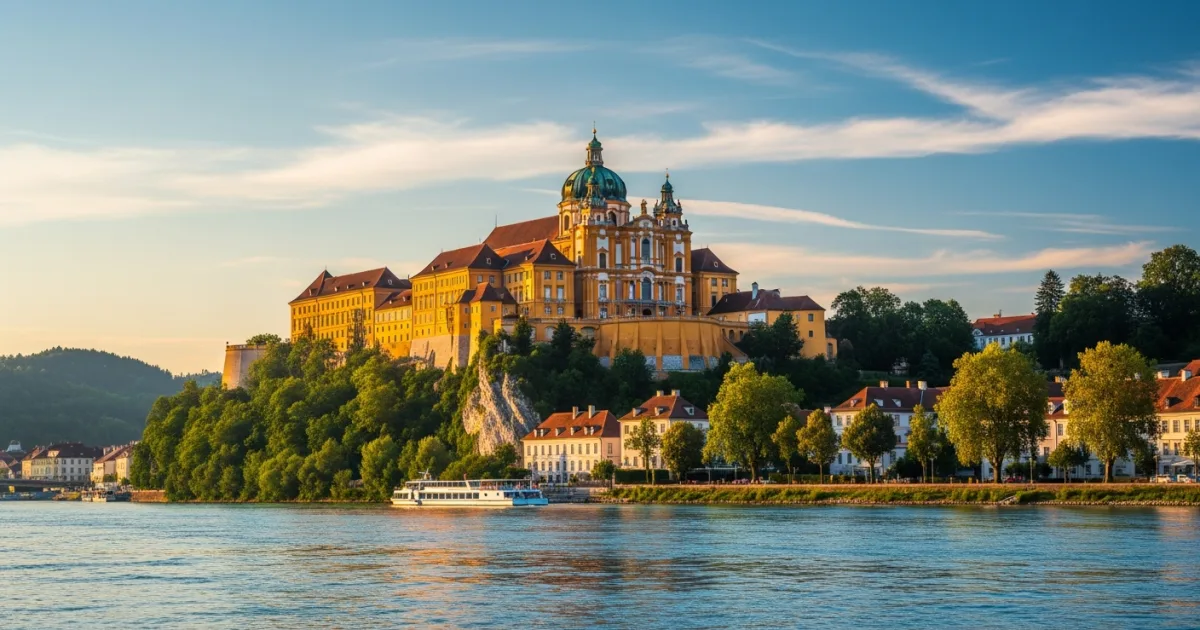
Panoramic view of the Baroque Melk Abbey overlooking the Danube River in Austria

Melk Overview & Key Highlights

Melk is a historic municipality in Lower Austria, situated at the confluence of the Danube and Melk rivers, marking the western gateway to the UNESCO-listed Wachau Valley. The city's population stands at approximately 5,500 residents, and it serves as a crucial cultural and administrative hub for the Melk District. Archaeological evidence indicates continuous settlement in the area since the Neolithic period, while the modern town developed around the Babenberg castle established in the 11th century. The local economy relies heavily on tourism, viticulture, and regional commerce, drawing over 500,000 visitors annually primarily to its architectural landmarks. Melk Abbey, a massive Benedictine monastery rebuilt in the High Baroque style between 1702 and 1736 by architect Jakob Prandtauer, dominates the town's skyline from a rocky outcrop. Transportation infrastructure includes direct rail connections to Vienna via the Westbahn railway, taking approximately 60 minutes, and a major river cruise terminal that processes thousands of international passengers during the summer navigation season.

Melk Travel Guide: Logistics & In-Depth Tips

Melk occupies a strategic geographical position at an elevation of 213 meters above sea level, functioning as the western entrance to the Wachau cultural landscape. The town covers an area of 25.71 square kilometers and is divided into several cadastral municipalities. Historical records first mention Melk as 'Medilica' in the year 831, highlighting its long-standing importance as a border post and toll station along the Danube. The Babenberg dynasty, Austria's first ruling family, utilized Melk as their primary seat of power before relocating to Vienna in the 12th century.

The architectural landscape of the town center features well-preserved burgher houses dating from the 16th to the 18th centuries. The Rathausplatz (Town Hall Square) serves as the civic center, anchored by the 1575 town hall and the Kolomanibrunnen, a fountain dedicated to Saint Coloman, whose remains are housed in the abbey. The local climate is classified as oceanic, with average summer temperatures reaching 24°C (75°F), creating optimal conditions for the surrounding vineyards that specialize in Grüner Veltliner and Riesling grape varieties.

Reasons to Visit

  • Melk Abbey (Stift Melk): This 11th-century Benedictine abbey features a world-renowned library containing over 100,000 volumes and a striking Baroque church designed by Jakob Prandtauer.
  • Wachau Valley Gateway: The town serves as the primary embarkation point for scenic Danube river cruises traveling through the UNESCO-listed Wachau cultural landscape toward Krems.
  • Donauradweg (Danube Cycle Path): Melk provides direct access to one of Europe's most popular cycling routes, offering flat, paved paths that wind through historic vineyards and medieval ruins.
  • Historic Old Town: The pedestrianized center contains architectural landmarks such as the Haus am Stein (the oldest building in Melk, dating to the 15th century) and the Gothic parish church of the Assumption.

Things to Avoid

  • Avoid driving into the historic town center, as the streets are narrow, largely pedestrianized, and parking is strictly limited to designated lots on the town's periphery.
  • Do not attempt to visit Melk Abbey during peak summer weekends without purchasing tickets in advance, as guided tour slots frequently sell out by midday.
  • Avoid dining exclusively at the restaurants immediately adjacent to the river cruise docks, as these establishments typically charge a 15-20% premium compared to traditional taverns further inland.
  • Refrain from walking on the designated bicycle lanes along the Danube, as the Donauradweg experiences heavy, fast-moving cyclist traffic during the summer months.

Local Transportation Tips

Melk's compact urban layout makes walking the most efficient mode of transportation within the historic center and up to the abbey. The Melk railway station (Bahnhof Melk) is located approximately 400 meters from the town center, providing hourly ÖBB train connections to Vienna and Salzburg. For regional exploration, the Wachaubus lines (specifically Route 715) operate along the northern and southern banks of the Danube, connecting Melk to neighboring wine villages like Dürnstein and Spitz. Bicycle rentals are widely available near the train station and river docks, catering to tourists utilizing the Donauradweg.

Travel Etiquette

  • Tipping in Austrian restaurants is customary; round up the bill or add 5-10% for good service, handing the tip directly to the server rather than leaving it on the table.
  • Greet shopkeepers and restaurant staff with 'Grüß Gott' (God greet you) upon entering, and say 'Auf Wiedersehen' (Goodbye) when departing.
  • Maintain a quiet and respectful demeanor when touring Melk Abbey, particularly inside the church and library, as it remains an active Benedictine monastery.
  • Dress modestly when visiting religious sites; ensure shoulders and knees are covered to comply with the abbey's dress code.

Recommended Age Group

Melk offers a variety of historical and outdoor activities suitable for different age demographics.

  • Babies (0-2 years): Neutral. The town features cobblestone streets which can make stroller navigation challenging, though the main abbey complex provides elevator access.
  • Kids (3-12 years): Recommended. River cruises on the Danube and open spaces along the riverbanks provide engaging, active experiences for younger travelers.
  • Teens (13-19 years): Neutral. The heavy focus on Baroque history and architecture may lack appeal for some teenagers, though the Danube cycling paths offer active alternatives.
  • Adults (20-64 years): Recommended. The region's viticulture, complex architectural history, and culinary offerings align perfectly with adult travel preferences.
  • Seniors (65+ years): Recommended. The town's compact, walkable nature, combined with highly accessible river cruise options and comprehensive abbey tours, makes it ideal for older visitors.

Accessibility Level: Medium

  • Melk Abbey is largely wheelchair accessible, featuring elevators that connect the courtyards to the imperial rooms, library, and the abbey church.
  • The historic town center contains cobblestone streets and slight inclines, which may require extra effort for manual wheelchair users.
  • Modern ÖBB trains servicing Melk station are equipped with low-floor boarding and designated wheelchair spaces.
  • Major river cruise operators docking in Melk provide ramp access to their main decks, though upper viewing decks may lack elevator access on older vessels.

Did You Know?

Umberto Eco named the protagonist of his famous 1980 historical murder mystery novel 'The Name of the Rose' Adso of Melk, serving as a direct tribute to the abbey and its magnificent, historically significant library.

Cool Statistics

  • Melk Abbey's library houses approximately 100,000 volumes, including 1,888 manuscripts and 750 incunabula printed before the year 1500.
  • The Wachau Valley, beginning at Melk, produces roughly 3% of Austria's total wine output, focusing almost exclusively on premium white wines.
  • The south facade of Melk Abbey stretches for 320 meters, making it one of the longest continuous Baroque facades in Europe.
  • Archaeological excavations in the Melk area have uncovered artifacts dating back to the Neolithic period, proving over 6,000 years of human habitation.


Address:

Melk, Austria

Find Nearby Accommodations

Basic Info

address icon

COUNTRY & Region

Austria,
Europe

ACCESSIBILITY LEVEL​

Medium
Currency icon

LOCAL CURRENCY​

Euro (EUR)
Price level icon
Medium
Safety Level icon

SAFETY LEVEL

Duration icon

Recommended Duration

• 1-2 hours
• 3-5 hours (Half a day)
• Full day
• Overnight
• 1-7 days

Electricity

electricity icon

Electricity

220-240V, 
50Hz
Plug Socket icon

Plug Type

• Type C (Round pin)
• Type F (Two round pins with earth clips)
Plug types
Click To View Plug Types

Activities To Do In Melk

Best Time To Visit Melk

The optimal travel window for Melk spans from May to September, aligning with the operational season of Danube river cruises and the Wachau Valley wine harvest. Average daytime temperatures during this period range from 20°C to 26°C (68°F to 79°F), providing ideal conditions for outdoor exploration and cycling along the Donauradweg.

  • May to June: Spring brings blooming apricot orchards across the Wachau Valley, with moderate tourist crowds and average highs of 22°C.
  • July to August: Peak tourist season sees maximum operation of abbey tours and river ferries, though temperatures can occasionally exceed 30°C.
  • September to October: The autumn wine harvest (Weinlese) dominates the region, offering wine tasting festivals and cooler, comfortable hiking weather.
  • November to April: The off-season features limited ferry schedules and reduced abbey visiting hours, though December offers traditional Austrian Christmas markets in the town square.

Average Temperatures Per Month

Remember to check the weather forecast a few days before the trip and before heading to the airport.

Safety Level icon

Safety Level

Excellent. Melk is a highly secure rural Austrian town with exceptionally low crime rates. Standard precautions against pickpocketing are advised only in highly crowded tourist areas like the Abbey courtyard or river cruise docks during peak summer months.

The rating is based on multi-year peace, crime, and security indices. Before you go, always verify current conditions through official government travel advisories.

Emergency Numbers

Police: 112 (Universal) / 133
Ambulance: 112 (Universal) / 144

No internet needed • Includes local translations • Free for TravelingWiz readers

Spoken Languages

German is the official and primary language spoken in Melk. English is widely understood and spoken fluently by staff in the tourism, hospitality, and transportation sectors.

Learn The Language

  • Guten Tag (Good day)
  • Sprechen Sie Englisch? (Do you speak English?)
  • Wie viel kostet das? (How much does this cost?)
  • Wo ist die Toilette? (Where is the restroom?)
  • Ein Ticket nach Wien, bitte. (One ticket to Vienna, please.)
  • Die Rechnung, bitte. (The bill, please.)
  • Danke schön (Thank you very much)
  • Entschuldigung (Excuse me)
Travel Booking Partner - TravelingWiz

Trip Cost & Budgeting for Melk, 2026

Everything you need to know about money while traveling
Is Melk expensive for tourists in 2026? Melk is moderately priced compared to major Austrian cities like Vienna or Salzburg. Expect to pay around €4.00 for a cappuccino, €4.50 for a draft beer, and €20.00 for a standard restaurant main meal. Based on our Human Verified prices, a comfortable mid-range daily travel budget sits around €165 per person. Use the data table below to calculate your specific daily budget based on your travel style.
Currency icon

LOCAL CURRENCY​:

Euro (EUR)
Price level icon
Medium
Credit cards are widely accepted across Melk, though carrying cash is helpful for small cafes, bakeries, and tips.

Per person, per day – pocket cash for small purchases.

Local: 17
Euro (EUR)
≈ 20 USD

Full daily spend estimation (accommodation, food, transportation, attractions).

Travel Style
Euro (EUR)
≈ USD ($)
Budget
90
104
Mid-range
165
191
Comfort
360
416

The Prices, Daily costs, and calculator results are estimates for planning purposes only. Actual costs may vary based on season, booking timing, personal spending habits, and currency fluctuations. TravelingWiz cannot be held responsible for discrepancies between these estimates and your final trip expenses.

  • • Buy combined train, boat, and Melk Abbey entrance tickets through ÖBB or DDSG Blue Danube to save significantly on transport and admission.
  • • Look for midday lunch specials (Mittagsmenü) at local Gasthäuser for two-course traditional meals at lower fixed prices.
  • • Rent a bike to explore the Danube Cycle Path through the Wachau Valley rather than taking taxis or organized bus tours.
  • • Purchase wine, regional snacks, and picnic food from local supermarkets like Hofer or Spar to enjoy along the Danube.

Pre-Order Tickets

Avoid disappointment when tickets sell out — and skip the long lines by booking online in advance. You’ll often save up to 20% too.
Save up to 20%

Travel Discounts & Coupons

Save on hotels, attractions, transport, and gear — find verified discounts for smarter travel spending.
Verified Coupons

What To Pack

  • Comfortable walking shoes for navigating the cobblestone streets of the historic center and the expansive abbey grounds.
  • Layered clothing, as temperatures along the Danube River can fluctuate between 15°C in the mornings to 25°C during summer afternoons.
  • A Type C or Type F power adapter to charge electronic devices on Austria's 230V/50Hz electrical grid.
  • A lightweight rain jacket or umbrella, as the region experiences an average of 85mm of precipitation during peak summer months.
  • Sun protection, including sunglasses and SPF 30+ sunscreen, particularly for open-deck river cruises and cycling tours.
We couldn't find tips for Melk.
If you got any, please share

Recommended Itineraries for Traveling to Melk

We couldn't find itineraries for Melk.
you can contact us for custom trip plan

Food & Drink Highlights

Local Food Overview

The culinary landscape of Melk is heavily influenced by its location in the Wachau Valley, a region renowned for its fruit cultivation and viticulture. Local gastronomy centers around the Wachau apricot (Wachauer Marille), which holds a Protected Designation of Origin (PDO) status and is incorporated into both savory dishes and traditional Austrian pastries. The area's wine production, specifically Grüner Veltliner and Riesling varietals grown on the steep stone terraces along the Danube, dictates the pairings at local Heurigen (wine taverns). Traditional Austrian staples, such as Tafelspitz (boiled beef) and Wiener Schnitzel, are universally available, often sourced from regional Lower Austrian farms.
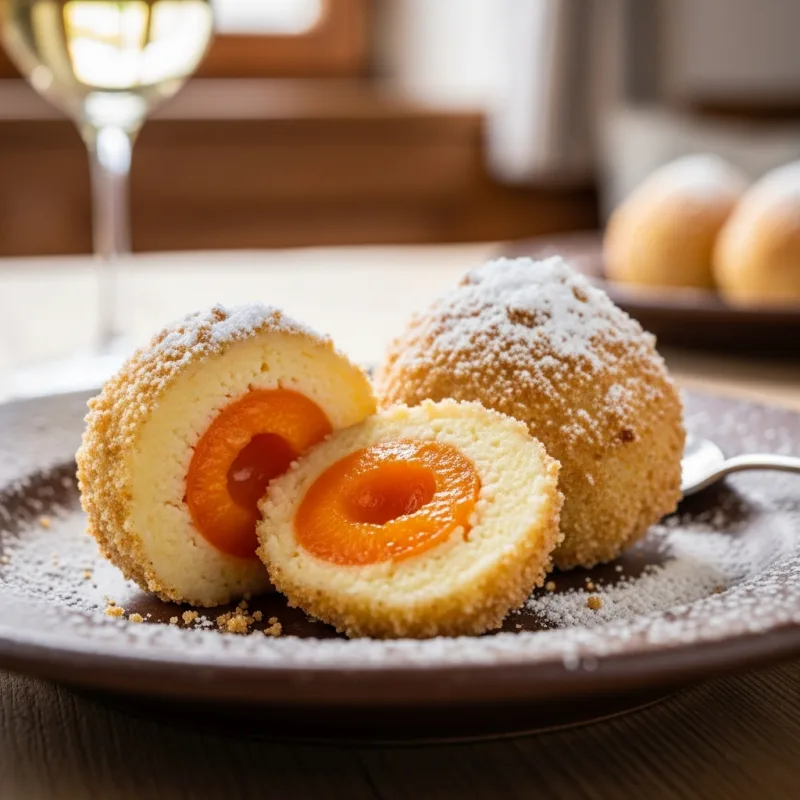
A sliced Wachauer Marillenknödel revealing a fresh apricot center, coated in toasted breadcrumbs

Must Try Dish

Wachauer Marillenknödel - Wachauer Marillenknödel consists of locally grown, PDO-protected Wachau apricots encased in a light curd cheese (Topfen) dough. The dumplings are boiled and then rolled in butter-toasted breadcrumbs, often served dusted with powdered sugar.
Food Experiences Title Icon

Food
Experiences

Discover cooking classes, tastings and local food tours

No food experience found
Maya, the human travel expert at TravelingWiz, offering curated, non-AI expertise

Maya’s Final Checklist for Melk

Logistics shouldn’t be the focus of your trip—the experience should. I’ve hand-vetted these essential partners to ensure your arrival, stay, and exploration are as smooth as an Athenian breeze.

Where to Stay

From boutique hotels to local apartments—compare thousands of options and find the perfect stay in the best neighborhood.

Air Travel

Getting there should be seamless. Compare the best routes and prices across top airlines to start your journey on the right note.

Local Guides

Connect with experts who know the destination best. Get personalized advice and insider tips to help you plan your perfect trip.

Travel Protection

The “Engineer’s” rule: always have a backup. Secure your trip with a plan that covers every “what if” and unexpected change.

Car Rentals

Explore at your own pace with total freedom. Compare reliable rental options and find the right vehicle for your adventure.

Visa Services

Don’t let paperwork slow you down. Get expert assistance with your application to ensure all your entry documents are in order.

FAQs

A standard guided tour of the interior rooms, including the Marble Hall and the Library, takes approximately 50 to 60 minutes. Visitors should allocate an additional 1 to 2 hours to explore the abbey park, the bastion, and the exterior grounds.
Yes, Melk is highly accessible from Vienna. Direct ÖBB Railjet trains depart from Vienna Westbahnhof or Hauptbahnhof, reaching Melk in approximately 50 to 60 minutes, making it an ideal day trip destination.
The primary river cruise season between Melk and Krems runs from mid-April to late October. Companies like DDSG Blue Danube and Brandner operate multiple daily departures during this period.
Yes, Melk serves as the starting point for the Wachau Valley. Visitors can rent bicycles to ride along the Donauradweg (Danube Cycle Path) directly into the vineyard terraces, or take local buses that connect the wine-producing villages.

Your Insights Matter

TravelingWiz grows through the stories of our community. If you’ve recently explored ,Melk share your tips and stories to help us perfect our guides for the next traveler.

Related Articles

Check out our related articles and blog posts to learn even more about the destination.

No related articles found

Don’t Travel Alone

Share with your friends and family

Where should we send your offline card?

We hate spam just as much as you do

newsletter_consent *