The State of Salzburg is geographically diverse, split into several distinct districts known as 'Gau'. The northern Flachgau is characterized by rolling hills and the serene lakes of the Salzkammergut, while the southern districts like Pinzgau, Pongau, and Lungau are dominated by the rugged peaks of the Alps. This topographical variety means that within a single day, you can transition from a leisurely boat ride on Lake Wolfgangsee to standing on the Kitzsteinhorn glacier at over 3,000 meters above sea level.
Culturally, the region is steeped in tradition. Throughout the year, visitors can witness local customs such as the Almabtrieb (the ceremonial driving of cattle down from the mountain pastures in autumn) or the Krampus runs in early December. The integration of deep-rooted folklore with high-end tourism infrastructure makes the State of Salzburg a uniquely captivating destination for travelers seeking both authenticity and comfort.
Reasons to Visit
- World-Class Winter Sports: Access to massive interconnected ski areas like Ski Amadé and Skicircus Saalbach Hinterglemm Leogang Fieberbrunn.
- Breathtaking Nature: Home to the Krimml Waterfalls, Europe's highest, and the vast Hohe Tauern National Park.
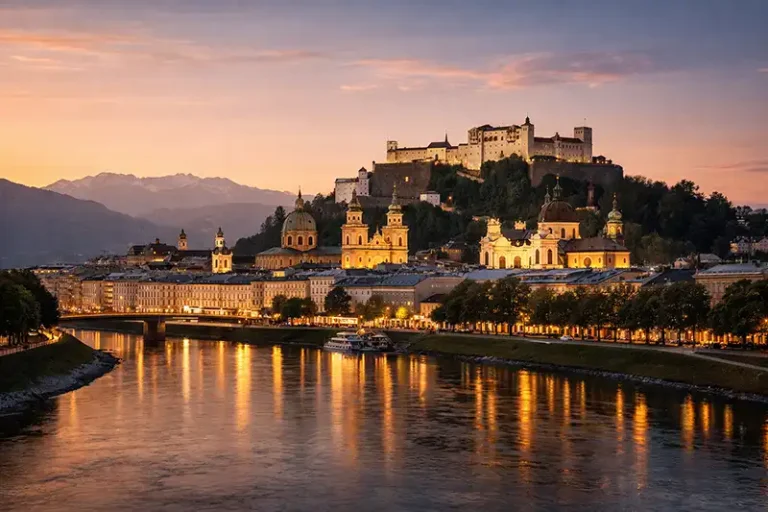
- Cultural Richness: The legacy of Mozart, the Sound of Music, and magnificent baroque architecture in Salzburg city.
- Alpine Wellness: Numerous thermal baths and spa resorts, such as the Alpentherme in Bad Hofgastein, utilizing natural hot springs.
Things to Avoid
- Underestimating Mountain Weather: Never hike without proper gear and checking the forecast; conditions can turn dangerous quickly.
- Ignoring Sunday Closures: Most supermarkets and retail shops are strictly closed on Sundays in Austria.
- Skipping Travel Insurance: If participating in winter sports or high-altitude hiking, ensure your insurance covers mountain rescue (helicopter rescues are costly).
Local Transportation Tips
The region is exceptionally well-connected. The Austrian Federal Railways (ÖBB) operates frequent trains linking Salzburg city to major hubs like Zell am See, St. Johann im Pongau, and Bad Gastein. For areas not reached by train, the yellow Postbuses provide reliable service to smaller villages and trailheads. Renting a car is beneficial for ultimate freedom, especially for scenic drives like the Grossglockner High Alpine Road, but ensure you have a 'Vignette' (toll sticker) for highway driving and winter tires if traveling between November and April.
Travel Etiquette
- Greetings: It is customary to greet people with 'Grüß Gott' when entering small shops, elevators, or passing hikers on a trail.
- Tipping: A service charge is included in restaurant bills, but it is standard to round up or add 5-10% for good service, handing the tip directly to the server rather than leaving it on the table.
- Punctuality: Austrians value punctuality; arrive on time for tours, reservations, and public transport.
- Sauna Culture: Note that traditional Austrian saunas are strictly textile-free (nude) and mixed-gender.
Recommended Age Group
The State of Salzburg is a highly versatile destination that caters exceptionally well to all age groups, offering tailored experiences from gentle nature walks to extreme alpine sports.
- Babies (0-2 years): Recommended. Many resorts are family-focused, offering stroller-friendly paths around lakes and excellent childcare facilities.
- Kids (3-12 years): Recommended. The region is a playground for children, featuring adventure parks, interactive salt mines, and excellent ski schools.
- Teens (13-19 years): Recommended. Thrill-seekers will love the mountain biking trails, summer toboggan runs, and extensive snowboarding parks.
- Adults (20-64 years): Recommended. Perfect for active adventures, romantic spa getaways, and exploring the rich culinary and cultural heritage.
- Seniors (65+ years): Recommended. The region offers accessible cable cars to mountain peaks, flat lakeside promenades, and world-class classical music events.
Accessibility Level: Medium
- Public Transport: Most ÖBB trains and Postbuses are equipped with ramps and designated spaces for wheelchair users.
- Attractions: Major sites like the Hohensalzburg Fortress and many museums offer elevator access and barrier-free routes.
- Nature: Several cable cars (e.g., the Schmittenhöhe in Zell am See) are wheelchair accessible, allowing everyone to enjoy high-alpine views.
- Accommodations: A growing number of hotels in the region specialize in barrier-free rooms, particularly in wellness towns like Bad Gastein.
Did You Know?
The State of Salzburg is home to the Eisriesenwelt in Werfen, which is the largest ice cave system in the world, extending over 42 kilometers into the Hochkogel mountain.
Cool Statistics
- Highest Peak: Grossvenediger at 3,659 meters (within the state borders).
- Waterfalls: The Krimml Waterfalls drop a total of 380 meters across three tiers.
- Ski Pistes: The region boasts over 2,000 kilometers of prepared ski slopes.
- Lakes: There are approximately 185 lakes scattered across the SalzburgerLand.







Buy a compatible power adapter for your trip