Disclosure: This site contains affiliate links. We may earn a commission if you make a purchase, at no extra cost to you.

>
>
>
>
Hallstatt
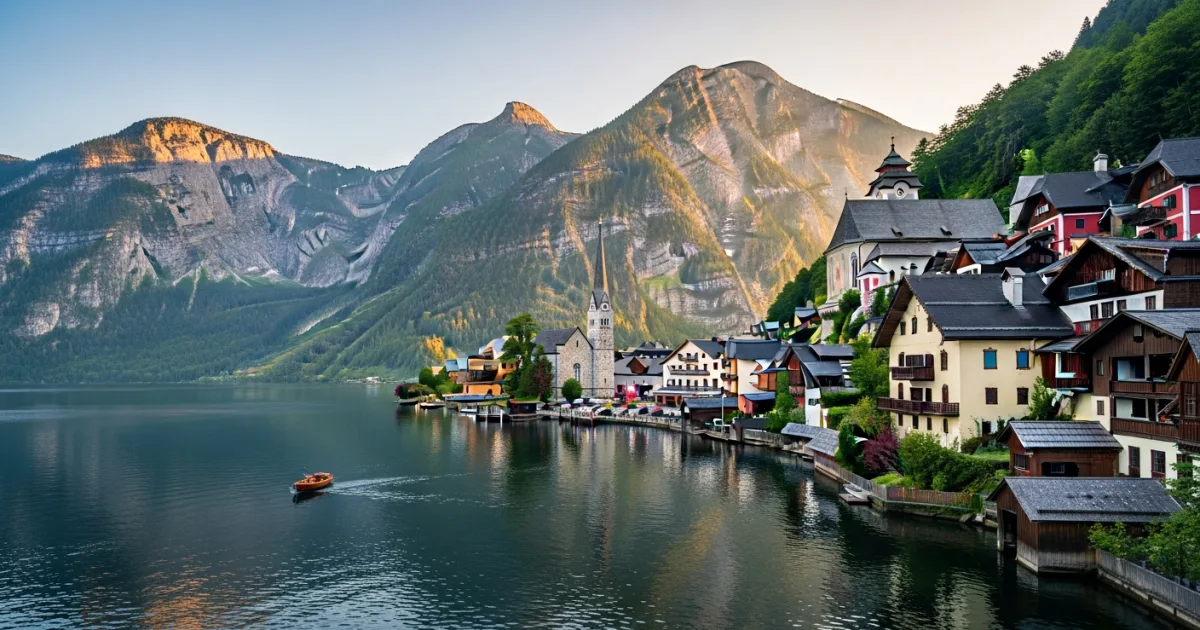
Scenic view of Hallstatt village and Lake Hallstatt at sunset

Hallstatt Overview & Key Highlights

Hallstatt occupies a 59-square-kilometer area in the Salzkammergut region of Upper Austria, situated at an elevation of 511 meters along the western shore of Lake Hallstatt. The municipality supports a permanent population of approximately 780 residents while accommodating up to 10,000 daily visitors during peak summer months. Archaeological evidence indicates continuous human settlement in this alpine valley for over 7,000 years, primarily driven by the extensive subterranean salt deposits. The Dachstein mountain range, reaching elevations of 2,995 meters, forms the immediate geographical backdrop and dictates the local microclimate. The United Nations Educational, Scientific and Cultural Organization (UNESCO) designated the Hallstatt-Dachstein/Salzkammergut Alpine region as a World Heritage Site in 1997, recognizing its continuous history of salt mining and distinct cultural landscape. Transportation infrastructure relies heavily on the Hallstatt railway station, located on the opposite side of the lake, requiring a mandatory ferry crossing via the Stefanie ship to reach the town center. Local municipal regulations restrict vehicular traffic within the town limits from May to October between 10:00 and 17:00, mandating pedestrian access for non-residents. Economic activity centers almost entirely on international tourism, hospitality services, and regional alpine agriculture.

Hallstatt Travel Guide: Logistics & In-Depth Tips

Geological formations in the Dachstein massif dictate Hallstatt's physical constraints, limiting the town's footprint to a narrow strip of land between the lake and steep mountain slopes. The Hallstatt Salt Mine, accessible via a 3-minute funicular ride or a 45-minute hike, contains 65 kilometers of subterranean tunnels, though only a fraction is open to the public. Excavations in the 19th century by Johann Georg Ramsauer uncovered an Iron Age cemetery containing 1,045 burials, leading archaeologists to name the early Iron Age culture (800–450 BC) the 'Hallstatt culture.' The local architectural vernacular features 16th-century timber-framed houses built directly into the bedrock, many of which utilize traditional wooden shingles. Environmental conservation efforts currently focus on managing the ecological impact of high tourist volumes on the oligotrophic waters of Lake Hallstatt.

Reasons to Visit

  • The Salzwelten Hallstatt operates as the oldest continuously functioning salt mine in the world, featuring a 64-meter subterranean wooden slide.
  • The Dachstein Krippenstein cable car transports visitors to an elevation of 2,100 meters, providing access to the Five Fingers viewing platform.
  • The Hallstatt Charnel House (Ossuary) contains over 1,200 human skulls, with 610 featuring intricate hand-painted floral motifs and family names.
  • Lake Hallstatt covers 8.55 square kilometers, offering regulated zones for electric boat rentals and cold-water swimming.

Things to Avoid

  • Driving personal vehicles into the town center between 10:00 and 17:00, as municipal barriers physically block non-resident access.
  • Arriving between 11:00 and 15:00 during July and August, when daily visitor counts peak and pedestrian bottlenecks occur on Seestraße.
  • Flying drones within the municipal boundaries, as local privacy laws and aviation regulations strictly prohibit unauthorized aerial photography.
  • Relying solely on late-evening public transportation, as the final ferry connecting to the ÖBB railway station departs at 18:15.

Local Transportation Tips

Public transportation infrastructure relies on a multimodal system integrating the ÖBB railway network and the Hallstättersee Schifffahrt ferry service. The Hallstatt train station sits on the eastern shore of the lake, requiring passengers to board the 'Stefanie' ferry for a 15-minute crossing to the town center. Regional Postbus routes (specifically Line 542 and 543) connect Hallstatt to neighboring municipalities like Obertraun, Bad Ischl, and Gosau, operating on 60-minute intervals during peak season. Vehicular parking is restricted to three designated peripheral lots (P1, P2, P3), equipped with electronic capacity displays and charging €15 for a 12-hour duration.

Travel Etiquette

  • Maintain low noise levels in residential zones, as local ordinances strictly enforce quiet hours to protect the 780 permanent residents.
  • Refrain from trespassing on private property or entering residential gardens to secure photographic vantage points.
  • Dispose of all waste in designated municipal sorting bins, which separate paper, plastics, and biological waste according to Austrian environmental laws.
  • Greet shop owners and service staff with a formal 'Grüß Gott' upon entering commercial establishments.

Recommended Age Group

Demographic data and terrain analysis indicate varying levels of suitability for different age cohorts visiting Hallstatt.

  • Babies (0-2 years): Not Recommended. The steep, cobblestone streets and lack of elevator access at key historical sites severely limit stroller mobility.
  • Kids (3-12 years): Recommended. The Salzwelten salt mine offers interactive exhibits and subterranean slides specifically designed for children over the age of four.
  • Teens (13-19 years): Recommended. The Dachstein Krippenstein area provides high-adrenaline activities, including the Five Fingers viewing platform and extensive hiking trails.
  • Adults (20-64 years): Recommended. This demographic can fully utilize the regional infrastructure, from strenuous alpine hikes to historical tours and culinary experiences.
  • Seniors (65+ years): Neutral. While the ferry ride and central market square are easily accessible, the 400-meter elevation gain to the salt mine and steep residential staircases pose significant mobility challenges.

Accessibility Level: Medium

  • The Hallstättersee Schifffahrt ferry provides ramp access for standard-sized wheelchairs, though motorized chairs may face weight restrictions.
  • The Salzwelten funicular accommodates wheelchairs, but the subterranean salt mine tour itself requires navigating narrow tunnels and is not wheelchair accessible.
  • Public restrooms located at the P1 parking area and near the central tourist information office feature ADA-compliant facilities.
  • Cobblestone paving on Seestraße and steep inclines on the terraced residential streets present significant navigational challenges for individuals with limited mobility.

Did You Know?

In 2011, a Chinese mining company constructed a full-scale replica of Hallstatt's historic town center in Guangdong province, China. The replica project cost an estimated $940 million and meticulously copied the architectural details of the parish church, the market square, and various historic timber houses. This architectural cloning initially surprised Hallstatt's municipal government but ultimately resulted in a formal cultural exchange agreement and a significant surge in Asian tourism to the original Austrian site.

Cool Statistics

  • The Hallstatt Salt Mine contains a wooden staircase dating back to 1344 BC, recognized as the oldest wooden staircase in Europe.
  • Lake Hallstatt reaches a maximum depth of 125 meters and maintains an average summer surface temperature of 19°C.
  • The local ossuary houses exactly 610 painted skulls, a tradition initiated in 1720 due to spatial constraints in the municipal cemetery.
  • Pre-pandemic tourism metrics recorded 1.08 million overnight stays in the broader Salzkammergut region annually.


Address:

Hallstatt, Austria

Find Nearby Accommodations

Basic Info

address icon

COUNTRY & Region

Austria,
Europe

ACCESSIBILITY LEVEL​

Medium
Currency icon

LOCAL CURRENCY​

Euro (EUR)
Price level icon
High
Safety Level icon

SAFETY LEVEL

Duration icon

Recommended Duration

• Full day
• 1-7 days

Electricity

electricity icon

Electricity

220-240V, 
50Hz
Plug Socket icon

Plug Type

• Type C (Round pin)
• Type F (Two round pins with earth clips)
Plug types
Click To View Plug Types

Activities To Do In Hallstatt

Best Time To Visit Hallstatt

Meteorological data indicates optimal travel conditions occur between May and September, when average daytime temperatures range from 15°C to 23°C.

  • May to June: Spring shoulder season offers 12 hours of daylight and lower accommodation rates, averaging €150 per night.
  • July to August: Peak tourist season brings maximum temperatures of 25°C and peak crowd densities of 10,000 daily visitors.
  • September to October: Autumn foliage peaks in mid-October, with precipitation dropping to 90mm per month.
  • December to February: Winter season features average lows of -4°C, suitable for accessing the Dachstein West ski region.

Average Temperatures Per Month

Remember to check the weather forecast a few days before the trip and before heading to the airport.

Safety Level icon

Safety Level

Excellent. The Numbeo Crime Index for the Salzkammergut region registers below 15, indicating extremely low risks of violent or petty crime. Emergency medical response times average 12 minutes, with the nearest primary hospital located 20 kilometers away in Bad Ischl.

The rating is based on multi-year peace, crime, and security indices. Before you go, always verify current conditions through official government travel advisories.

Emergency Numbers

Police: 112 (Universal) / 133
Ambulance: 112 (Universal) / 144

No internet needed • Includes local translations • Free for TravelingWiz readers

Spoken Languages

Austrian German serves as the primary official language, spoken by 98% of residents. English proficiency reaches 85% among hospitality and tourism sector employees.

Learn The Language

  • Guten Tag (Good day)
  • Bitte (Please)
  • Danke (Thank you)
  • Sprechen Sie Englisch? (Do you speak English?)
  • Wo ist die Toilette? (Where is the toilet?)
  • Wie viel kostet das? (How much does this cost?)
  • Die Rechnung, bitte (The bill, please)
  • Auf Wiedersehen (Goodbye)
Travel Booking Partner - TravelingWiz

Trip Cost & Budgeting for Hallstatt, 2026

Everything you need to know about money while traveling
Is Hallstatt expensive for tourists in 2026? Yes, as one of Austria's premier lakeside destinations, Hallstatt commands premium prices, especially during peak seasons. Expect to pay around 4.30 EUR for a cappuccino, 4.80 EUR for a local beer, and 20 EUR for a standard mid-range restaurant main dish. Based on our Human Verified prices, accommodation and food drive up daily spending. Use the data table below to calculate your specific daily budget based on your travel style.
Currency icon

LOCAL CURRENCY​:

Euro (EUR)
Price level icon
High
Cards are accepted in most hotels and restaurants, but small shops, ferries, and stalls require cash.

Per person, per day – pocket cash for small purchases.

Local: 19
Euro (EUR)
≈ 22 USD

Full daily spend estimation (accommodation, food, transportation, attractions).

Travel Style
Euro (EUR)
≈ USD ($)
Budget
100
116
Mid-range
185
214
Comfort
410
474

The Prices, Daily costs, and calculator results are estimates for planning purposes only. Actual costs may vary based on season, booking timing, personal spending habits, and currency fluctuations. TravelingWiz cannot be held responsible for discrepancies between these estimates and your final trip expenses.

  • • Stay outside Hallstatt in nearby Obertraun or Bad Goisern for significantly cheaper accommodation options.
  • • Take the scenic public train and ferry combination rather than expensive private taxi transfers.
  • • Enjoy free outdoor experiences like walking the lakeside promenade and hiking the Echerntal trail.
  • • Purchase lunch items or snacks at local supermarkets instead of dining exclusively at lakeside tourist cafes.

Pre-Order Tickets

Avoid disappointment when tickets sell out — and skip the long lines by booking online in advance. You’ll often save up to 20% too.
Save up to 20%

Travel Discounts & Coupons

Save on hotels, attractions, transport, and gear — find verified discounts for smarter travel spending.
Verified Coupons

What To Pack

  • Sturdy hiking boots with ankle support are required for navigating the 400-meter elevation gain to the Salzwelten salt mine.
  • Waterproof outerwear rated for 10,000mm hydrostatic head is necessary, as the region receives an average annual precipitation of 1,450mm.
  • Type C or Type F electrical adapters are required to interface with the 230V/50Hz Austrian power grid.
  • A compact umbrella is recommended, given the sudden alpine weather shifts common in the Dachstein massif.
We couldn't find tips for Hallstatt.
If you got any, please share

Recommended Itineraries for Traveling to Hallstatt

We couldn't find itineraries for Hallstatt.
you can contact us for custom trip plan

Food & Drink Highlights

Local Food Overview

Regional gastronomy relies heavily on freshwater fish harvested from Lake Hallstatt and hearty alpine ingredients designed to sustain high-altitude agricultural workers.
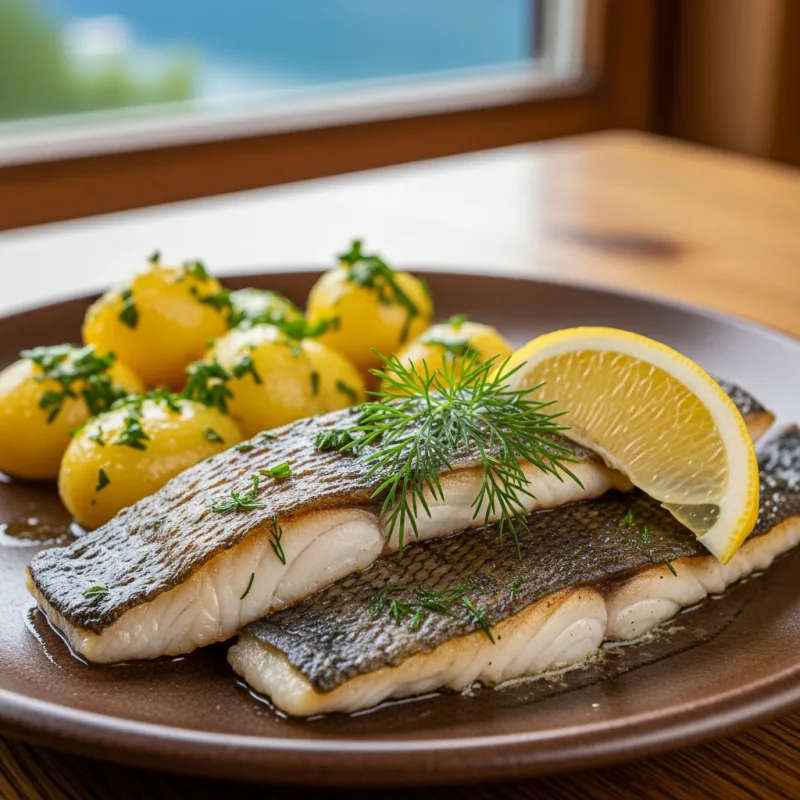
Pan-fried Hallstättersee Reinanke served with parsley potatoes and lemon

Must Try Dish

Hallstättersee Reinanke - This regional whitefish is harvested directly from the 125-meter-deep Lake Hallstatt and traditionally pan-fried in local alpine butter. The dish features a delicate, flaky texture and is typically accompanied by parsley potatoes and a wedge of lemon.
Food Experiences Title Icon

Food
Experiences

Discover cooking classes, tastings and local food tours

No food experience found
Maya, the human travel expert at TravelingWiz, offering curated, non-AI expertise

Maya’s Final Checklist for Hallstatt

Logistics shouldn’t be the focus of your trip—the experience should. I’ve hand-vetted these essential partners to ensure your arrival, stay, and exploration are as smooth as an Athenian breeze.

Where to Stay

From boutique hotels to local apartments—compare thousands of options and find the perfect stay in the best neighborhood.

Air Travel

Getting there should be seamless. Compare the best routes and prices across top airlines to start your journey on the right note.

Local Guides

Connect with experts who know the destination best. Get personalized advice and insider tips to help you plan your perfect trip.

Travel Protection

The “Engineer’s” rule: always have a backup. Secure your trip with a plan that covers every “what if” and unexpected change.

Car Rentals

Explore at your own pace with total freedom. Compare reliable rental options and find the right vehicle for your adventure.

Visa Services

Don’t let paperwork slow you down. Get expert assistance with your application to ensure all your entry documents are in order.

FAQs

The Hallstatt railway station is located on the eastern shore of the lake. Passengers must board the Stefanie ferry, which aligns its departure schedule with arriving ÖBB trains, for a 15-minute crossing to the town center.
Municipal regulations prohibit non-resident vehicular traffic in the town center between 10:00 and 17:00 from May to October. Visitors must park in designated peripheral lots (P1, P2, P3) and walk or take a shuttle.
The Salzwelten Hallstatt typically closes for maintenance during the winter months, usually from early January to late March. Visitors should verify exact operational dates on the official Salzwelten website prior to arrival.

Your Insights Matter

TravelingWiz grows through the stories of our community. If you’ve recently explored ,Hallstatt share your tips and stories to help us perfect our guides for the next traveler.

Related Articles

Check out our related articles and blog posts to learn even more about the destination.

No related articles found

Don’t Travel Alone

Share with your friends and family

Where should we send your offline card?

We hate spam just as much as you do

newsletter_consent *